- Lug Width is Critical: The 20mm vs 22mm distinction refers directly to the inner distance between your watch's lugs.
- No Direct Interchangeability: You cannot safely swap 20mm and 22mm bands without risking strap damage or losing your watch.
- Proportions Matter: 20mm bands are ideal for classic/vintage cases (38mm-41mm), while 22mm bands balance larger, modern sports watches (42mm-45mm).
- Easy Measurement: Always check the underside of your current strap or use a digital caliper to verify your exact size before ordering.
Table of Contents:
- 1. Introduction to Watch Band Sizes: 20mm vs 22mm
- 2. Understanding Lug Width: How to Measure Your Watch
- 3. The 20mm Watch Band: Ideal Cases and Classic Aesthetics
- 4. The 22mm Watch Band: Modern Sport and Tool Watch Standards
- 5. 20mm vs 22mm Watch Band Compatibility: Can You Interchange Them?
- 6. How to Perform a 20mm vs 22mm Watch Band Replacement
- 7. Smartwatch Compatibility: Apple Watch, Garmin, and Samsung
- 8. Frequently Asked Questions
1. Introduction to Watch Band Sizes: 20mm vs 22mm
Lug width defines a watch's proportions and strap options. The debate of a 20mm vs 22mm watch band sizing is incredibly common because these two dimensions dominate the modern watch industry. Whether you own a classic vintage chronograph, a rugged dive watch, or a cutting-edge smartwatch, your timepiece most likely utilizes one of these two configurations.
The millimeter measurement refers specifically to the inner distance between the watch lugs—the horn-like metal projections where the strap attaches to the case. A difference of just 2mm might sound minor on paper, but in horological design, it completely transforms how a timepiece wears and balances on your wrist. A 20mm band offers a tapered, classic, and slightly vintage-inspired appearance, whereas a 22mm band provides a bold, stable, and athletic presence.
Selecting the wrong size means your brand-new strap will either fail to fit between the lugs or slide around loosely, risking structural damage to your spring bars. In this guide, we will break down the physical differences in 20mm vs 22mm watch band size parameters, teach you how to measure your case with absolute precision, and show you how to execute a flawless strap replacement.
2. Understanding Lug Width: How to Measure Your Watch
Before investing in a new replacement strap, you must precisely identify your watch's lug width. Guessing based on sight alone often leads to ordering errors because 20mm and 22mm sizes look remarkably similar when viewed from a distance.
To determine your correct 20mm vs 22mm watch band size, begin by inspecting the underside of your existing watch strap. Many manufacturers stamp the width (e.g., "20" or "22") directly into the leather or silicone lining. If the stamp has worn away over time, you will need to measure the distance manually.
The most accurate method is to use a digital caliper. Place the caliper jaws inside the watch lugs at the exact point where the spring bar connects to the case. Ensure you are measuring the inner distance, not the outer edges of the lugs. If you do not have a caliper, a metric ruler with clear millimeter markings will suffice. Align the zero mark with the inside of one lug and measure straight across to the opposite inner wall. Once you have confirmed your measurement, utilizing a dedicated watch spring bar remover will make swapping your bands safe, simple, and scratch-free.

3. The 20mm Watch Band: Ideal Cases and Classic Aesthetics
The 20mm strap width is widely considered the golden ratio of modern watch design. It strikes a flawless structural balance between elegance and physical wrist presence, making it the industry-standard choice for watch cases ranging from 38mm to 41mm in diameter.
Historically, iconic sports watches and high-end dress watches have favored the 20mm standard. Legendary watches like the Rolex Submariner and the Omega Speedmaster have long utilized this sizing to maintain sleek, proportional case lines. A 20mm strap keeps the primary visual focus on the watch face while ensuring the strap wraps comfortably around the wrist without adding unnecessary bulk.
Because of its immense popularity, choosing a 20mm size opens up an endless world of styling possibilities. It is the perfect width for displaying premium textures. If you want a rugged, adventurous aesthetic, a heavy-duty fabric strap from our design NATOs collection is an excellent choice. For formal occasions or professional office wear, swapping to a textured option from our leather watch bands and straps collection instantly elevates your watch's sophistication.
4. The 22mm Watch Band: Modern Sport and Tool Watch Standards
As watch design trends shifted toward larger, more robust cases in the late 2000s, the 22mm watch band cemented itself as a modern industry standard. Designed primarily for watch cases measuring 42mm to 45mm, a 22mm strap provides the visual weight and physical stability required to balance heavier, thicker timepieces.
A 22mm strap is highly common on professional dive watches, pilot watches, and oversized chronographs. Modern tool watches rely on 22mm straps to secure their substantial steel cases to the wrist. The wider footprint distributes the weight of a heavy watch head more evenly, preventing the watch from sliding or feeling uncomfortably top-heavy during active movement.
For individuals with active lifestyles, a wider band offers superior durability and physical support. If you own a modern tool watch, pairing it with a high-performance strap from our rubber and silicone watch bands collection ensures maximum comfort during workouts, swimming, or outdoor adventures. The extra width provides a secure, athletic aesthetic that perfectly complements tactical and dive watch designs.

5. 20mm vs 22mm Watch Band Compatibility: Can You Interchange Them?
A frequent question among watch enthusiasts is whether 20mm vs 22mm watch band compatibility allows you to interchange these two sizes. The definitive answer is no; they are not directly interchangeable, and attempting to force them can damage both your strap and your watch.
If you attempt to squeeze a 22mm strap into 20mm watch lugs, the material will bunch up tightly around the spring bars. This bunching looks highly unprofessional, pinches the strap material, and creates high tension on the spring bars, which can cause them to pop out unexpectedly. Conversely, if you place a 20mm strap on a watch with 22mm lugs, a noticeable 2mm gap will remain. This gap allows the strap to slide side-to-side, exposing the bare spring bar. This lateral movement can easily catch on clothing, releasing the spring bar and sending your valuable watch crashing to the floor.
While some flexible materials like soft nylon can technically be compressed into smaller lugs in an emergency, it is highly discouraged. For comprehensive advice on keeping your timepieces safe and styled correctly, check out our extensive watch compendium. Buying the exact size matched to your watch's lug width is the only way to guarantee safety, comfort, and visual appeal.

6. How to Perform a 20mm vs 22mm Watch Band Replacement
Once you have established your lug width and chosen your new strap, undertaking a 20mm vs 22mm watch band replacement is a rewarding DIY project that refreshes the look of your timepiece in just a few minutes.
To start, place your watch face-down on a soft microfiber cloth to prevent scratching the crystal. Use your spring bar tool to access the small ridges on the spring bar between the lug and the strap. Gently compress the spring bar inward and slide the strap out of the lug channel. Repeat this step on the other side of the watch case.
To install your new strap, insert the spring bars into the sleeves of the new band. Place one end of the spring bar into the small hole on the inside of the watch lug. Use the forked end of your tool to compress the opposite end of the pin, and slide it gently into place until you hear a satisfying click, indicating it has locked into the lug hole. If you want to make this process seamless and avoid slips, we highly recommend utilizing a professional-grade watch repair tool kit to protect your watch's polished surfaces.

7. Smartwatch Compatibility: Apple Watch, Garmin, and Samsung
In the modern watch landscape, smartwatches have introduced new variables to the 20mm vs 22mm watch band comparison. Many popular smartwatch brands, such as Samsung (Galaxy Watch) and Garmin (Fenix and Venu series), use standard straight lugs that perfectly accommodate traditional 20mm or 22mm quick-release straps.
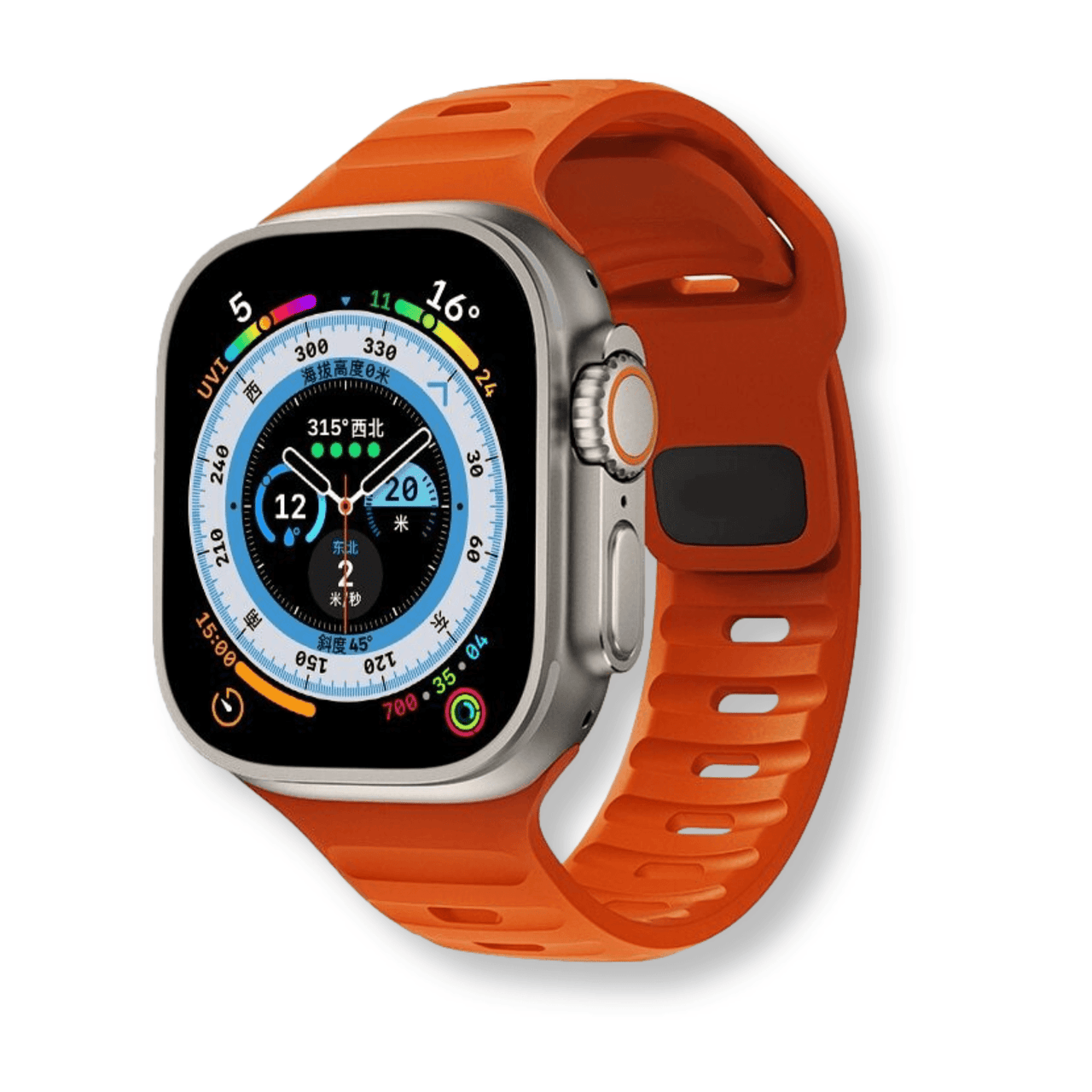
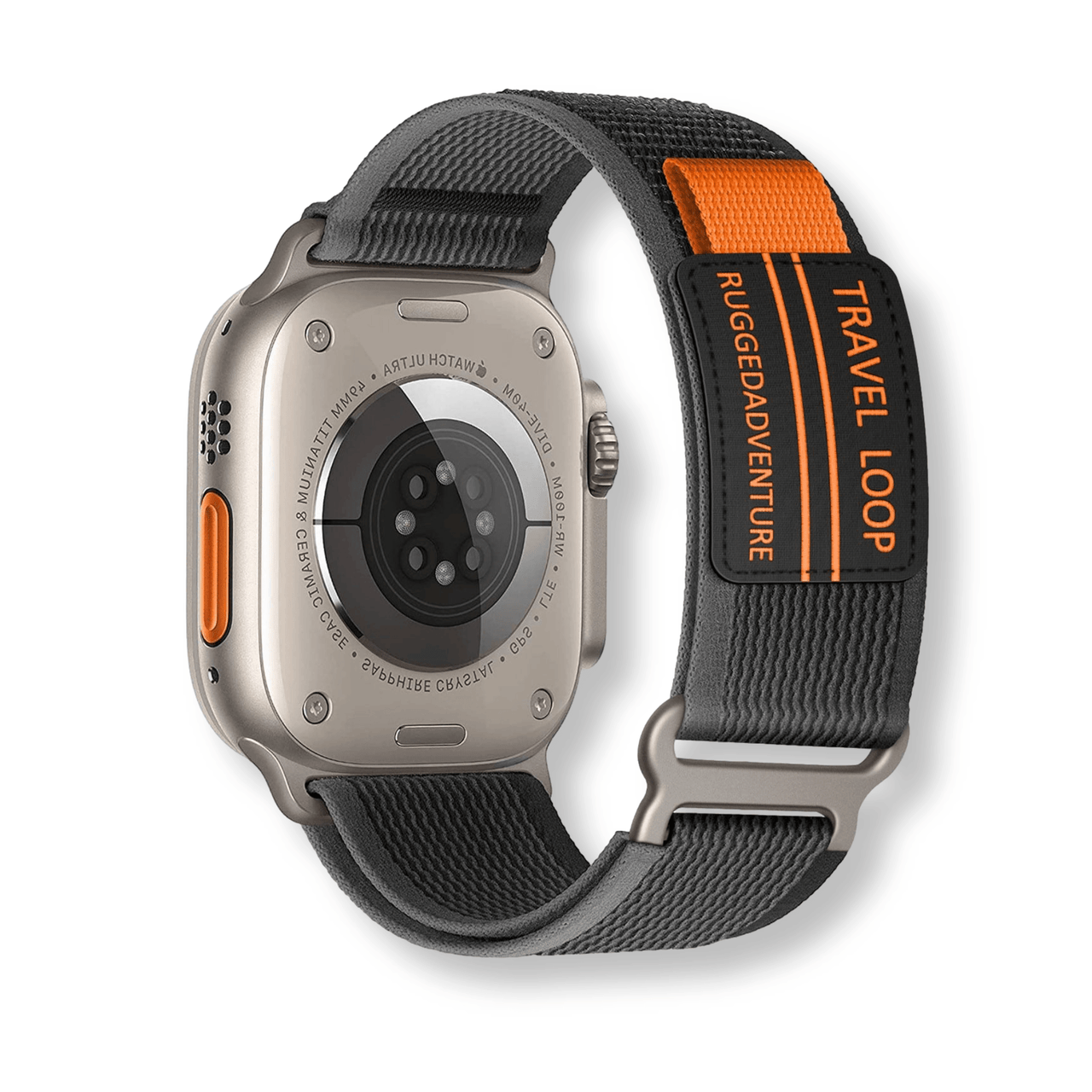
Apple Watch, however, uses a proprietary sliding connector system rather than traditional open lugs. This means you cannot mount a standard 20mm or 22mm strap directly to an Apple Watch without using specialized adapter lugs. The adapters slide into the Apple Watch case and feature standard spring bar holes to hold a traditional strap. If you are an Apple user looking for a seamless, adapter-free fit, browsing a dedicated selection like our Apple Watch bands ensures a flawless connection out of the box.
Smartwatch sizes evolve rapidly with every generation. For example, keeping track of the latest Apple Watch dimensional updates can be confusing. To stay ahead of these changes, read our detailed Apple Watch Series 11 bands compatibility guide to understand how case sizing changes impact your choice of replacement straps.
8. Frequently Asked Questions
How do I know if my watch is 20mm or 22mm?
The most reliable method is to measure the inside distance between the watch lugs using a digital caliper or a metric ruler. Alternatively, check the underside of your current watch strap, as many brands stamp the lug width directly onto the material.
Can I squeeze a 22mm strap onto a 20mm watch?
No, it is highly discouraged. Squeezing a wider strap forces the material to bunch up, which puts excessive pressure on the spring bars. This can cause the spring bar to fail, risking your watch falling off and getting damaged.
Does a 2mm difference in watch band size really matter?
Yes, in watch styling and security, 2mm is a significant difference. A band that is too small leaves a gap that exposes the spring bar to catching, while a band that is too large will not fit into the lugs at all.
Do smartwatches use 20mm or 22mm bands?
Many smartwatches from brands like Samsung, Garmin, and Fossil use standard 20mm or 22mm quick-release watch straps. However, Apple Watches use proprietary connectors and require specific adapters or dedicated Apple-compatible straps.
What tools do I need to change a watch band?
To change your watch band cleanly and safely, you will need a spring bar tool to compress the pins holding the strap in place. A soft cloth or protective mat is also recommended to prevent scratches on your watch crystal and case.
Ready to Upgrade Your Watch Strap?
Whether your timepiece requires a classic 20mm fit or a bold 22mm stance, we have got you covered. Explore our premium selection of durable, stylish straps and find the perfect match for your wrist today!
Shop Replacement Watch Bands