Key Takeaways:
- Durability is Non-Negotiable: Nylon NATO and FKM silicone straps offer the best resistance against sweat, abrasion, and unpredictable weather.
- Fit Matters on the Trail: A snug, properly sized band prevents skin chafing and ensures smartwatch health sensors remain accurate.
- Quick Swapping: Using reliable tools allows you to effortlessly transition your everyday watch into a rugged trail-ready companion.
- Keep It Breathable: Perforated silicone and woven nylon styles keep moisture from building up during strenuous ascents.
In This Guide:
1. Why Your Trail Companion Choice Matters
When packing for a long day hike or a multi-day backpacking trip, every piece of gear counts. You select your boots for grip, your pack for support, and your layers for thermal regulation. However, many outdoor enthusiasts overlook the single point of contact holding their most crucial navigation tool to their wrist: the watch strap.
Finding the best watch bands for hiking is about more than just matching colors. A poor strap can result in skin irritation, sweat build-up, or even worse, a lost timepiece in the middle of the wilderness. Traditional metal bracelets are heavy and lack flexibility, while cheap plastic straps can degrade under UV exposure and snap when caught on a low-hanging branch.
The ideal outdoor watch band must balance comfort, security, and breathability. It should flex with your movements as you scramble over rocks, dry quickly after a sudden downpour, and hold up against dirt and mud. Investing in a high-quality, dedicated hiking strap ensures that you can focus on the path ahead, knowing your watch is locked down securely.
2. Materials Built for the Elements
The material of your watch band dictates how it performs under physical stress. For rugged trails, you want materials that do not absorb water, are easy to wash, and resist tearing. Nylon and specialized silicone are the gold standards for outdoor adventurers who need their gear to match their pace.
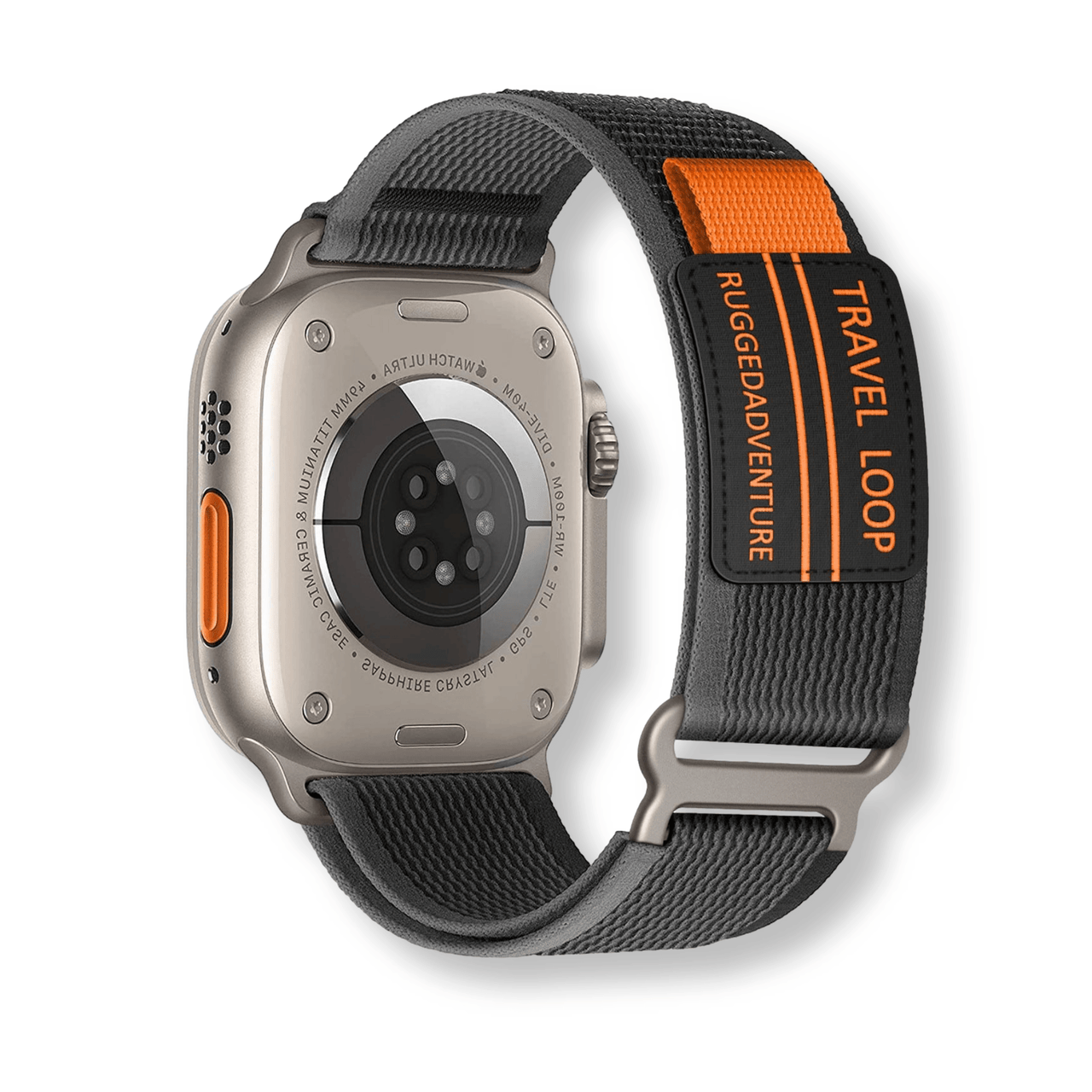
Nylon, especially in military-inspired NATO styles, is incredibly popular among hikers. These straps woven from tight, high-tensile fibers are virtually indestructible. Because they loop under the watch head, even if one spring bar fails, the watch remains attached to your wrist. If you prefer this classic tactical look, explore our collection of design NATOs to find a pattern that matches your rugged gear aesthetic.

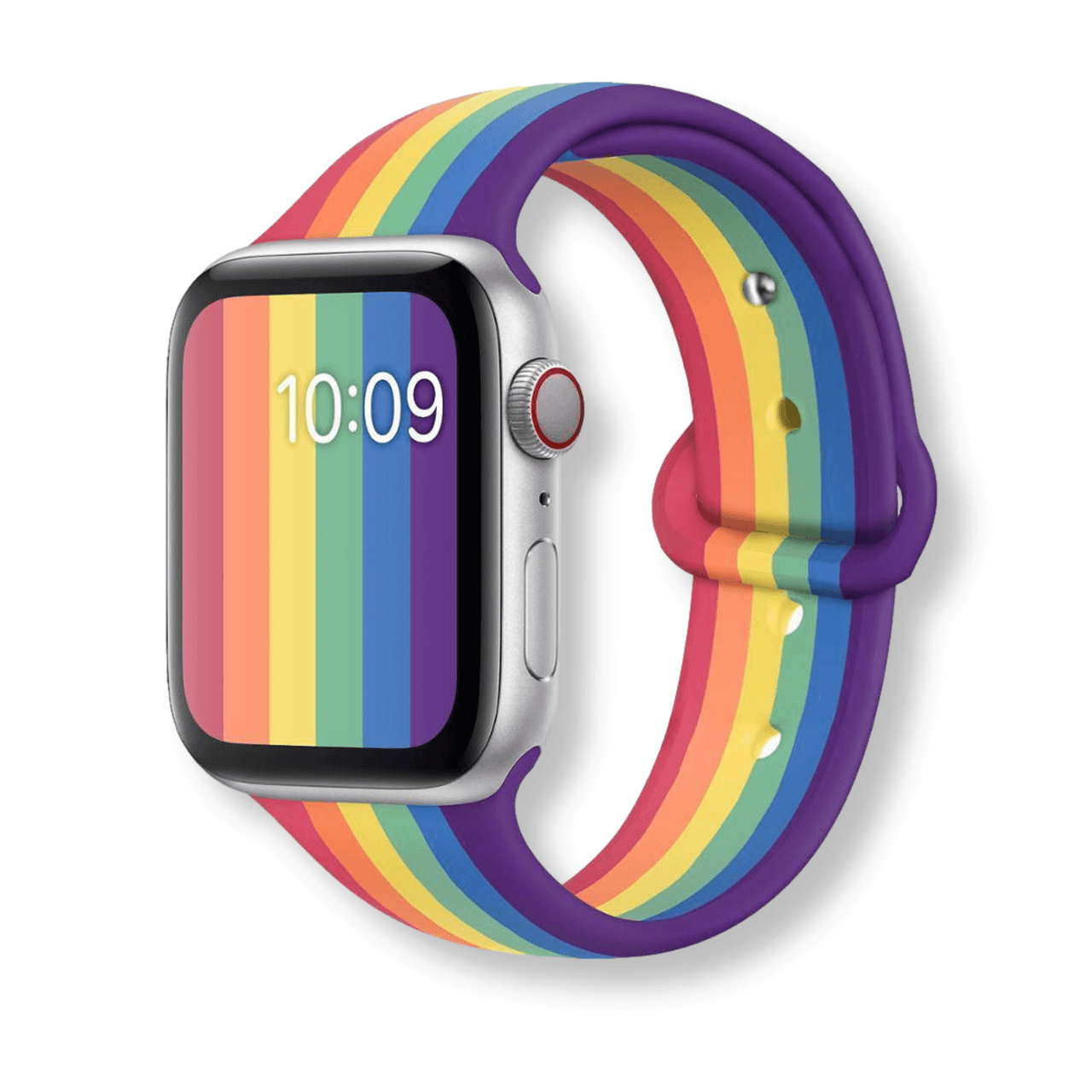
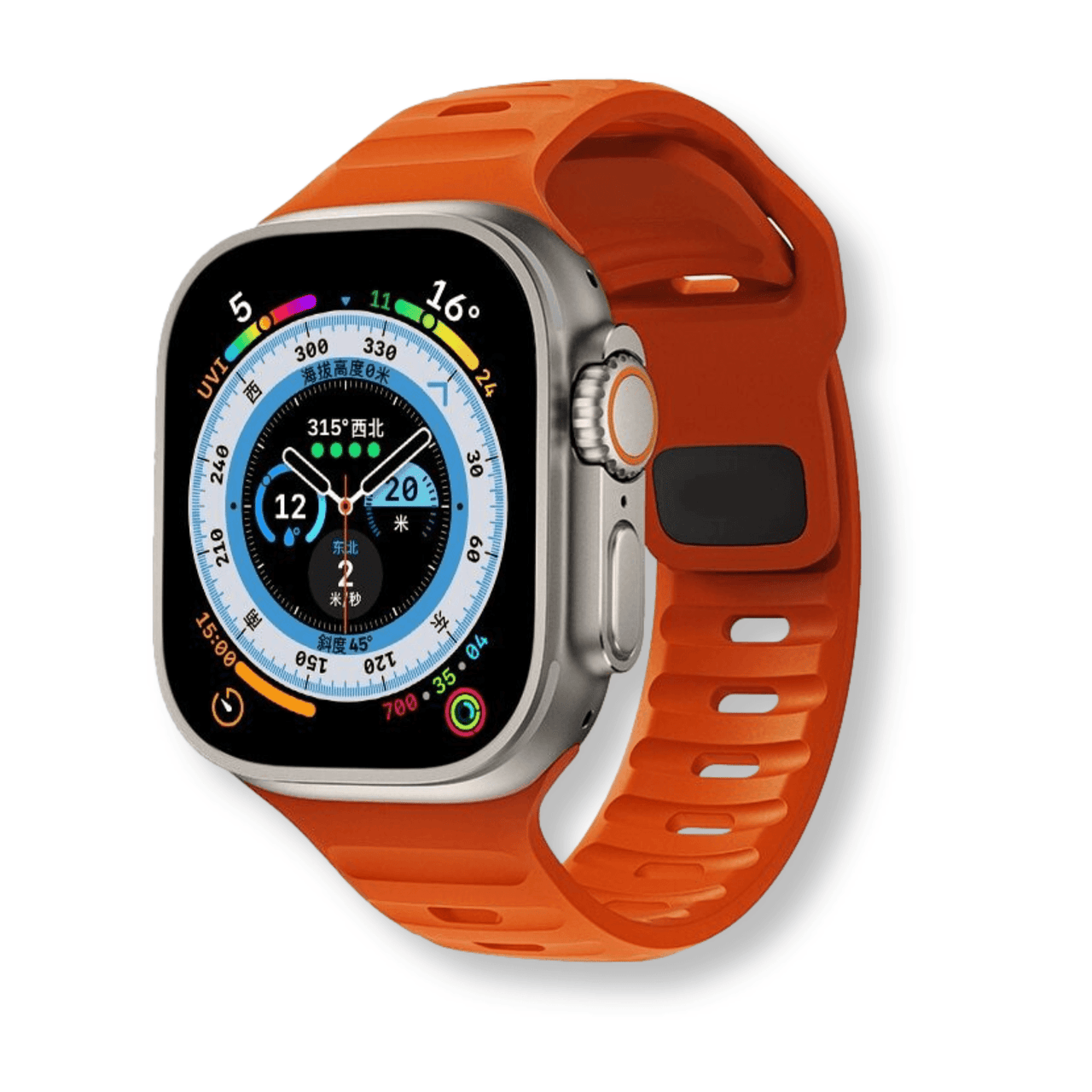
If you anticipate wet weather, river crossings, or high-humidity trails, silicone and rubber are unmatched. Unlike standard rubber, high-grade FKM silicone is dust-resistant, incredibly soft, and completely waterproof. It wipes clean in seconds and doesn’t hold onto sweat odors. For maximum ventilation, check out our breathable rubber and silicone watch bands designed to channel moisture away from your skin during steep climbs.
3. Best Watch Bands for Hiking Size and Fit
Before hitting the trail, choosing the right best watch bands for hiking size is crucial for both comfort and functionality. A band that is too tight will constrict blood flow and cause chafing when your wrists naturally swell from heat and exertion. Conversely, a band that is too loose will slide around, irritating your skin and potentially causing painful blisters over a ten-mile trek.
To find your perfect size, measure your watch’s lug width—the inner distance between the two points where the strap connects to the watch case. Standard sizes typically range from 18mm to 24mm. Having the correct width prevents the band from sliding laterally, which can wear down the spring bars over time.

When swapping your band for an outdoor excursion, having the proper tools makes all the difference. Using a dedicated watch spring bar remover allows you to safely compress the pin without scratching your watch casing. Ensuring a precise, secure fit before you step out the door protects your timepiece from accidental drops on hard granite surfaces.
4. Smartwatch Compatibility on the Trail
For modern hikers, smartwatches have replaced traditional compasses and paper maps. Devices like the Apple Watch, Garmin, and Suunto track altitude, GPS coordinates, and heart rate. However, to get accurate biometric data, the sensor on the back of the watch must maintain constant, flat contact with your skin. This makes your choice of strap highly consequential.
When searching for the best watch bands for hiking compatibility, you must ensure the strap adapter matches your specific device model. For Apple Watch users, this means finding a band that integrates seamlessly with the proprietary slide-in curved connector. If you are upgrading your wristwear, read our detailed Apple Watch Series 11 compatibility guide to ensure your trail strap will fit your device perfectly.

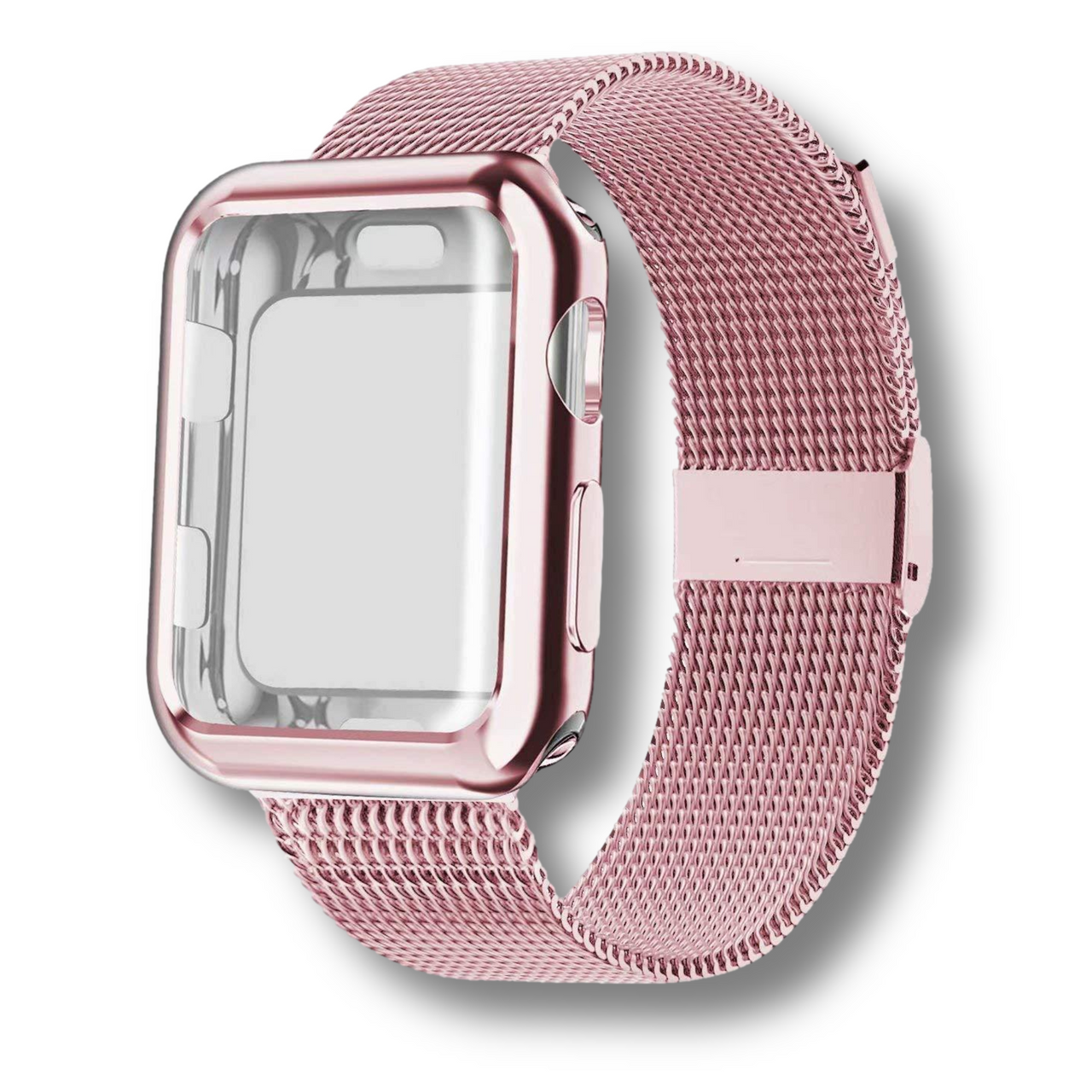
Our comprehensive selection of Apple Watch bands includes rugged options that feature reinforced loops, heavy-duty buckles, and sweat-wicking channels. These ensure that even during heavy arm swings or trekking pole usage, your smartwatch remains firmly in place, continuously logging your trail progress and heart rate metrics without interruption.
5. Best Watch Bands for Hiking Replacement and Maintenance
Over time, even the most robust gear wears down. Exposure to salt from your sweat, sunscreen chemicals, insect repellent, and fine trail dust can degrade the integrity of your watch strap. Recognizing when to opt for a best watch bands for hiking replacement is essential to avoid losing your watch on a remote mountain pass.
Inspect your bands regularly for micro-tears in silicone, fraying edges on nylon, or corrosion on the metal buckles. If you notice any structural weakness, swap the band out immediately. To make this process seamless, keeping a complete watch repair tool kit at home allows you to swap straps, replace spring bars, and maintain your collection like a professional watchmaker.

Proper maintenance after a hike will greatly extend the lifespan of your straps. After returning from the trail, wash your silicone and nylon bands in warm, soapy water to remove accumulated dirt, salt, and oils. Allow nylon bands to air-dry completely before storing them. For more expert advice on caring for your timepieces and selecting the right hardware, browse our comprehensive Watch Compendium.
6. Balancing Classic Style and Modern Utility
While utility is the primary goal on the trail, you don't have to sacrifice style. Many hikers prefer a strap that can transition effortlessly from a strenuous mountain summit directly to a casual post-hike dinner in town. The right strap hardware can elevate a rugged watch into a handsome everyday piece.
For those who love the classic, rugged explorer aesthetic, leather is a tempting choice. However, traditional leather can crack when exposed to heavy moisture and sweat. If you prefer this timeless look for light nature walks or dry, cool-weather hikes, explore our high-quality leather watch bands and straps. Keep in mind that for intense, high-output summer ascents, swapping back to nylon or silicone remains the safest bet.
Additionally, keeping a few extra spring bars, adapters, and travel cases in your pack is always a smart backup plan. Having the right watch accessories on hand ensures you are prepared for any hardware emergencies, giving you peace of mind whether you are navigating a local forest loop or exploring the backcountry.
7. Frequently Asked Questions
What is the absolute best watch band material for hiking?
Nylon and FKM silicone are widely considered the best materials for hiking. Nylon is incredibly tough, tear-resistant, and stays secure even if a spring bar breaks. FKM silicone is completely waterproof, sweat-resistant, comfortable, and easy to sanitize after a muddy day on the trail.
How do I determine my watch band size for outdoor use?
To find your correct size, measure the distance between the inner lugs of your watch face in millimeters (typically 18mm, 20mm, or 22mm). A perfect fit prevents the watch from slipping during active movements, which is crucial for comfort and preventing skin chafing.
Can I wear a leather strap while hiking?
While leather watch straps look excellent and rugged, they are not recommended for strenuous, sweaty hikes or wet conditions. Sweat and water can rot, stiffen, and crack natural leather. Save your leather bands for casual wear and opt for nylon or rubber on the trail.
Are quick-release straps secure enough for scrambling and climbing?
Yes, modern quick-release straps from reputable brands are designed with high-tolerance steel pins that remain incredibly secure during normal physical activity. However, for extreme climbing or bouldering, a wrap-around nylon NATO strap provides an extra layer of fail-safe security.
How do I clean sweat and sunscreen out of my watch band?
For silicone, rubber, and nylon bands, gently scrub them with warm water and a few drops of mild dish soap using a soft toothbrush. This removes built-up body oils, dried sweat, and stubborn sunscreen residue. Always air-dry nylon straps thoroughly before wearing them again.
Ready to Gear Up for the Trail?
Don't let a weak strap cut your adventure short. Equip your favorite timepiece with our rugged, field-tested bands built to survive the elements.
Shop Hiking-Ready Bands Now📌 Complete Guide
For the full guide, see our Leather Watch Bands Complete Guide.
📌 Complete Guide
For the full guide, see our NATO Watch Straps Complete Guide 2026.