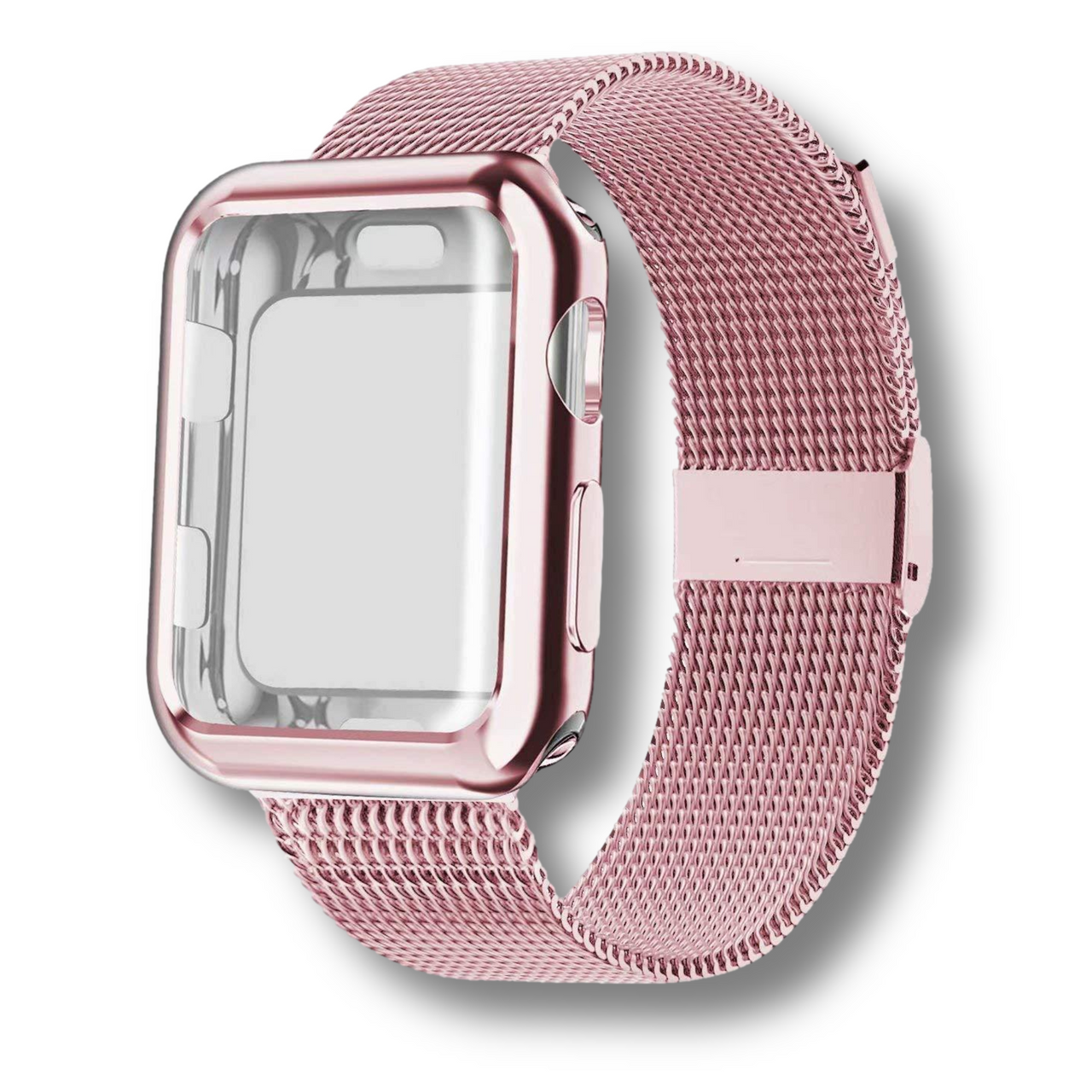
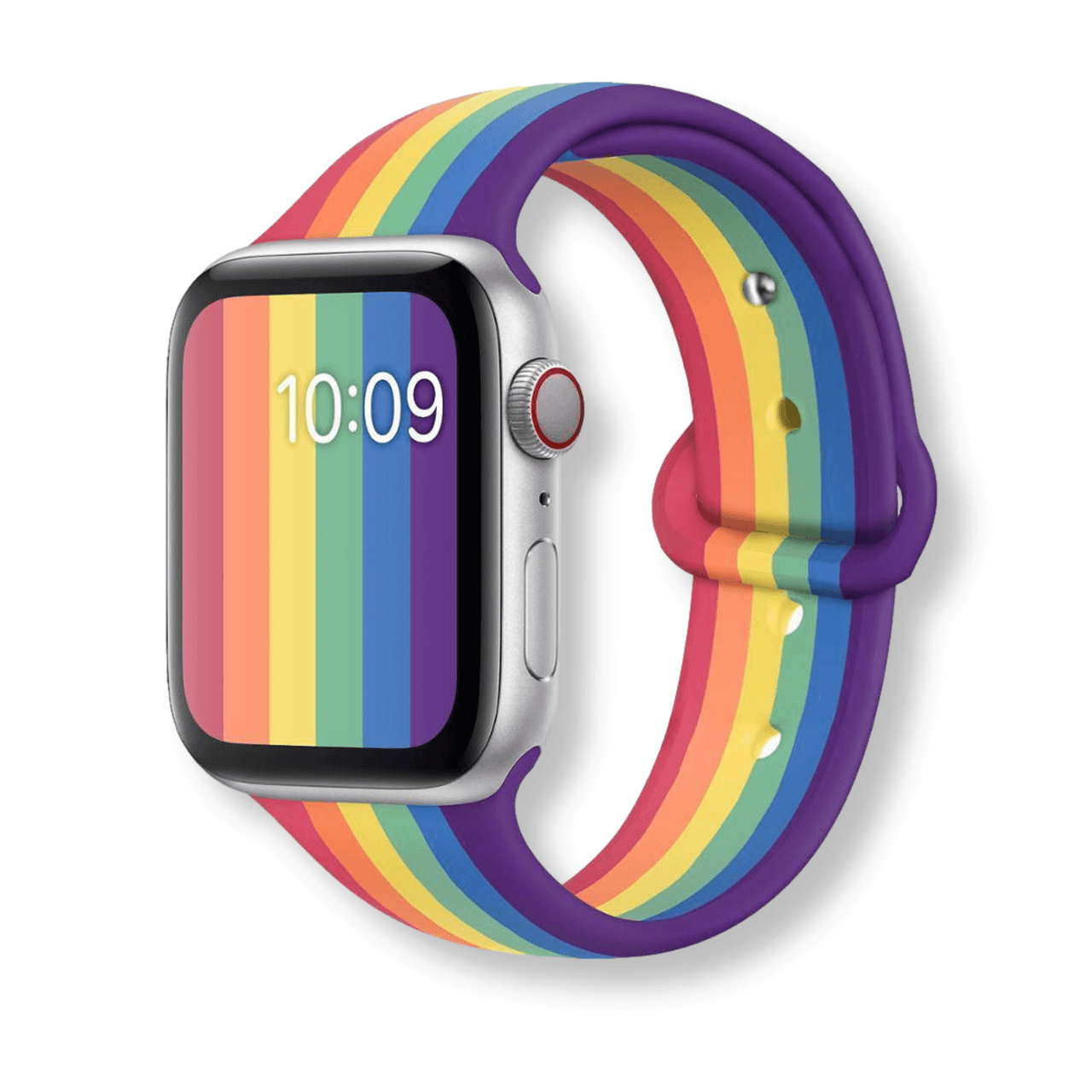
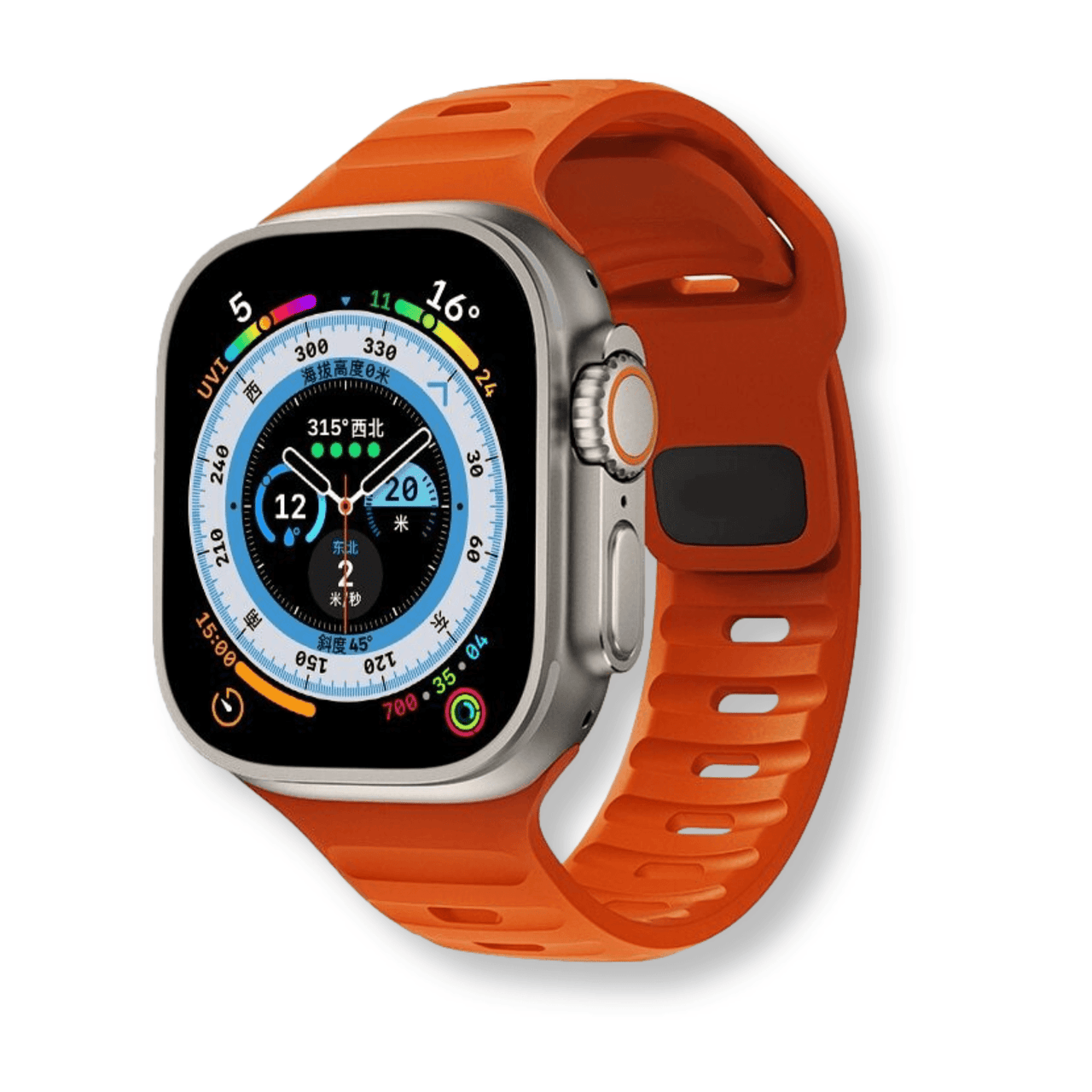
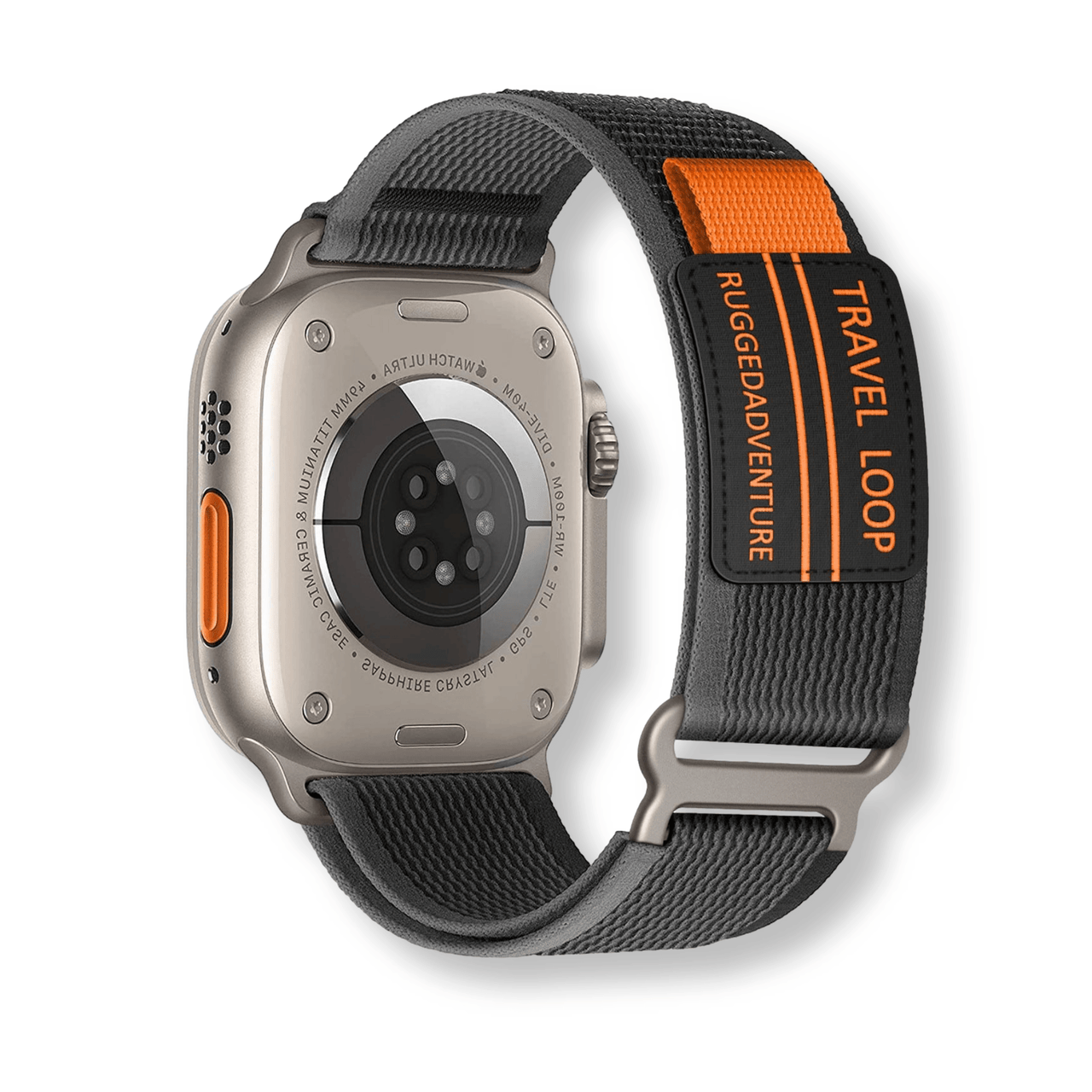
- Rubber & Silicone: The gold standard for water activities, offering 100% moisture resistance and easy maintenance.
- Nylon & NATO: Perfect for a rugged, fast-drying aesthetic that secures your watch even under high-intensity water sports.
- Size is Critical: Always measure your watch's exact lug width to ensure a secure, flush fit.
- Simple Replacement: Upgrading to a waterproof band is easy with the right tools, preserving your luxury or smart watches.
- 1. Why Choose a Waterproof Watch Band?
- 2. Silicone and Rubber: The Ultimate Waterproof Standard
- 3. Nylon and NATO Straps: Quick-Drying and Rugged
- 4. Smartwatch Integration and Compatibility
- 5. Finding Your Perfect Waterproof Watch Band Size
- 6. How to Perform a Waterproof Watch Band Replacement
- 7. Cleaning and Maintenance Tips
1. Why Choose a Waterproof Watch Band?
Whether you are an avid diver, a fitness enthusiast, or simply someone who occasionally forgets to take off their timepiece before hopping in the shower, a high-quality waterproof watch band is a game-changer. Standard bands made from genuine leather or untreated textiles absorb sweat, salt water, and chlorine. Over time, this constant exposure to moisture leads to structural degradation, bacterial growth, and unpleasant odors. Investing in a specialized water-resistant strap ensures your watch remains secure, comfortable, and hygienic through every aquatic adventure.
The primary appeal of a waterproof watch band lies in its resilience. Designed to withstand pressurized depths, direct sunlight, and chemically treated pool water, these straps are engineered from advanced polymers and synthetic fibers. Selecting the right waterproof option is not just about keeping the band intact; it is also about securing your watch face. A premium, heavy-duty clasp system prevents accidental loss when you hit a wave or dive into a pool. Choosing a material that matches your specific activity profile will dramatically elevate both your wearing experience and the longevity of your timepiece.
2. Silicone and Rubber: The Ultimate Waterproof Standard
When it comes to pure water resistance, silicone and rubber are unmatched. These materials do not absorb liquid; instead, water simply beads up and slides off the surface. If you are looking for a reliable strap to accompany you on deep dives, intense gym sessions, or casual beach days, exploring a curated selection of rubber and silicone watch bands is the ideal starting point. Unlike cheap plastic alternatives, high-grade FKM (fluoroelastomer) rubber is resistant to UV rays, salt water, and extreme temperatures, meaning it won't crack or fade over time.

Silicone straps offer a softer, more flexible feel on the wrist, making them highly comfortable for 24/7 wear. Many silicone designs feature integrated ventilation channels on the underside, which allow air to circulate and keep your skin dry. For heavy-duty applications, vulcanized rubber remains the premium choice of professional divers. It offers superior structural rigidity while remaining supple enough to contour perfectly to your wrist. Both options are incredibly easy to clean—a quick rinse under fresh water is all it takes to remove sweat, sand, or chlorine residue.
3. Nylon and NATO Straps: Quick-Drying and Rugged
If you prefer a military-inspired aesthetic or want a strap that can transition seamlessly from the office to the ocean, synthetic nylon is an outstanding choice. These bands are incredibly lightweight and durable. If you enjoy vintage and rugged styling, choosing from a collection of design NATO straps offers both security and water resilience. While nylon does absorb a small amount of moisture, modern tightly woven synthetics dry rapidly and are highly resistant to tearing or fraying under tension.

The unique design of a NATO strap provides an extra layer of security. Because the strap runs continuously under the watch case through both spring bars, your watch will remain securely on your wrist even if one spring bar fails. This fail-safe mechanism is highly valued by surfers, sailors, and divers. Nylon straps are also incredibly easy to maintain. If they accumulate dirt or sweat, you can wash them by hand with mild soap or throw them into a mesh laundry bag for a gentle cycle in the washing machine.
4. Smartwatch Integration and Compatibility
Modern smartwatches have revolutionized fitness tracking, but they require a strap that can keep up with their advanced water-resistance ratings. When upgrading your device, paying attention to waterproof watch band compatibility is essential. A strap that fits a traditional mechanical watch might require custom adapters to mount correctly onto a smartwatch. This is particularly true for Apple Watch owners who need specialized connectors that slide into the watch casing perfectly.
To find a strap that matches your smart device without sacrificing aesthetic appeal, explore our premium Apple Watch bands collection. Ensuring compatibility means checking both the watch case size (e.g., 41mm, 45mm, or Ultra 49mm) and the lug width of the adapter. If you are planning to upgrade your wearable tech soon, we highly recommend reading our detailed Apple Watch Series 11 bands compatibility guide to understand how different bands interchange across various generations. Proper alignment prevents moisture from building up around the connection points, protecting both your device and your strap.
5. Finding Your Perfect Waterproof Watch Band Size
Selecting the correct waterproof watch band size is the most critical step of the buying process. A strap that is too wide will not fit between the watch lugs, while a strap that is too narrow will slide back and forth, putting uneven pressure on the spring bars and potentially causing the watch to fall off. To determine your required size, you need to measure the distance between the inside of the watch lugs (the horn-like projections where the strap attaches) in millimeters. Common sizes include 18mm, 20mm, 22mm, and 24mm.

To accurately measure this distance, you can use a digital caliper or a standard metric ruler. If you do not have these tools handy, check our curated range of watch accessories for high-precision measuring aids. Alternatively, you can use a specialized tool like a watch spring bar remover to pop off your current band and check the underside, as many manufacturers stamp the millimeter size directly onto the back of the strap. Remember that band length is also important; ensure the strap has enough adjustment holes to fit snugly against your skin to prevent the watch from shifting during active water sports.
6. How to Perform a Waterproof Watch Band Replacement
Changing your strap at home is a simple, satisfying DIY project that allows you to instantly customize your look. Executing a successful waterproof watch band replacement requires only a tiny bit of patience and the right tools. If your watch has standard spring bars, a dedicated spring bar tool is essential to compress the internal spring and release the strap from the lugs without scratching the delicate polished metal finish of your watch case.

To make the process as straightforward as possible, we suggest using a comprehensive watch repair tool kit, which contains everything needed to safely swap out bands, resize metal bracelets, and adjust pin alignments. First, lay your watch face down on a soft microfiber cloth to prevent scratches. Insert the forked end of your spring bar remover tool between the lug and the strap, gently catch the ridge of the spring bar, and compress it inward. The strap will slide free. Insert the spring bars into your new waterproof band, align one end of the bar with the lug hole, compress the other end with your tool, and slide it into place until you hear a satisfying click. Always give the strap a gentle tug to verify it is locked in securely before wearing it near the water.
7. Cleaning and Maintenance Tips
Even the most durable waterproof watch band requires regular cleaning to maintain its structural integrity and keep it smelling fresh. Sweat, sunscreen, body oils, and salt water can build up in the crevices of your strap, leading to discoloration or skin irritation over time. For silicone and rubber bands, wash them regularly with mild dish soap and warm water, using a soft-bristled toothbrush to gently scrub away stubborn debris.
For nylon and fabric-based straps, a thorough rinse in clean, fresh water after swimming in the ocean or a chlorinated pool is essential. Avoid drying your bands under direct, intense sunlight or using high-heat hair dryers, as extreme heat can warp synthetic fibers and degrade rubber compounds. Let them air-dry naturally in a well-ventilated indoor space. To discover more professional tips on preserving your watches and straps, check out our comprehensive guides in the Watch Compendium blog, where we cover everything from watch history to advanced technical maintenance.
Waterproof Watch Band FAQs
Can I swim in a leather watch band if it is labelled "water-resistant"?
While some specialized leather bands feature a water-resistant coating, they are not designed for prolonged immersion, swimming, or diving. Over time, water will penetrate the natural pores of the leather, leading to rotting, cracking, and odor buildup. For water sports, always opt for silicone, rubber, or nylon.
What is the difference between silicone and FKM rubber?
Silicone is highly flexible, soft, and cost-effective, making it incredibly comfortable for casual wear. FKM (fluoroelastomer) rubber is a high-density, premium material engineered to withstand harsher environments, chemical exposure, and UV rays. FKM is heavier, more durable, and less prone to attracting lint than standard silicone.
How do I know my smartwatch's lug width?
You can find your smartwatch's lug width by checking the manufacturer's technical specifications, measuring the distance between the lugs with a caliper, or searching for your specific model in our compatibility guides. Many smartwatches use industry-standard quick-release pins for rapid strap swaps.
Will chlorine or salt water ruin my nylon NATO strap?
Premium nylon NATO straps are highly resistant to chemical and salt degradation. However, salt crystals and chlorine can dry out the fibers and make the strap stiff over time. Always rinse your nylon strap thoroughly with clean, fresh water after exposing it to salt water or swimming pools.
Do I need professional help to change my watch strap?
No, you do not need to visit a jeweler. With a simple spring bar tool and a flat workspace, you can safely replace your watch band at home in under five minutes. Using the correct tools prevents slipping and avoids leaving cosmetic scratches on the watch case.
Ready to Upgrade Your Timepiece?
Protect your watch and elevate your style with our premium selection of highly durable, ocean-ready straps. Explore our collections today to find your perfect fit!
Related Watch Band Guides
📌 Complete Guide
For the full guide, see our Apple Watch.