Key Takeaways
- Nominal lug width alone does not determine whether a curved-end strap will fit your watch case.
- Curved-end straps and curved spring bars serve different mechanical purposes and cannot be treated interchangeably.
- Case radius, lug hole depth, and lug overhang dictate the necessary clearance for flush integration.
- Forcing an incompatible strap can strip lug holes, bend pins, or compromise the physical retention of your watch.
- If components bind or resist normal seating, stop immediately and consult manufacturer guidelines or a watchmaker.
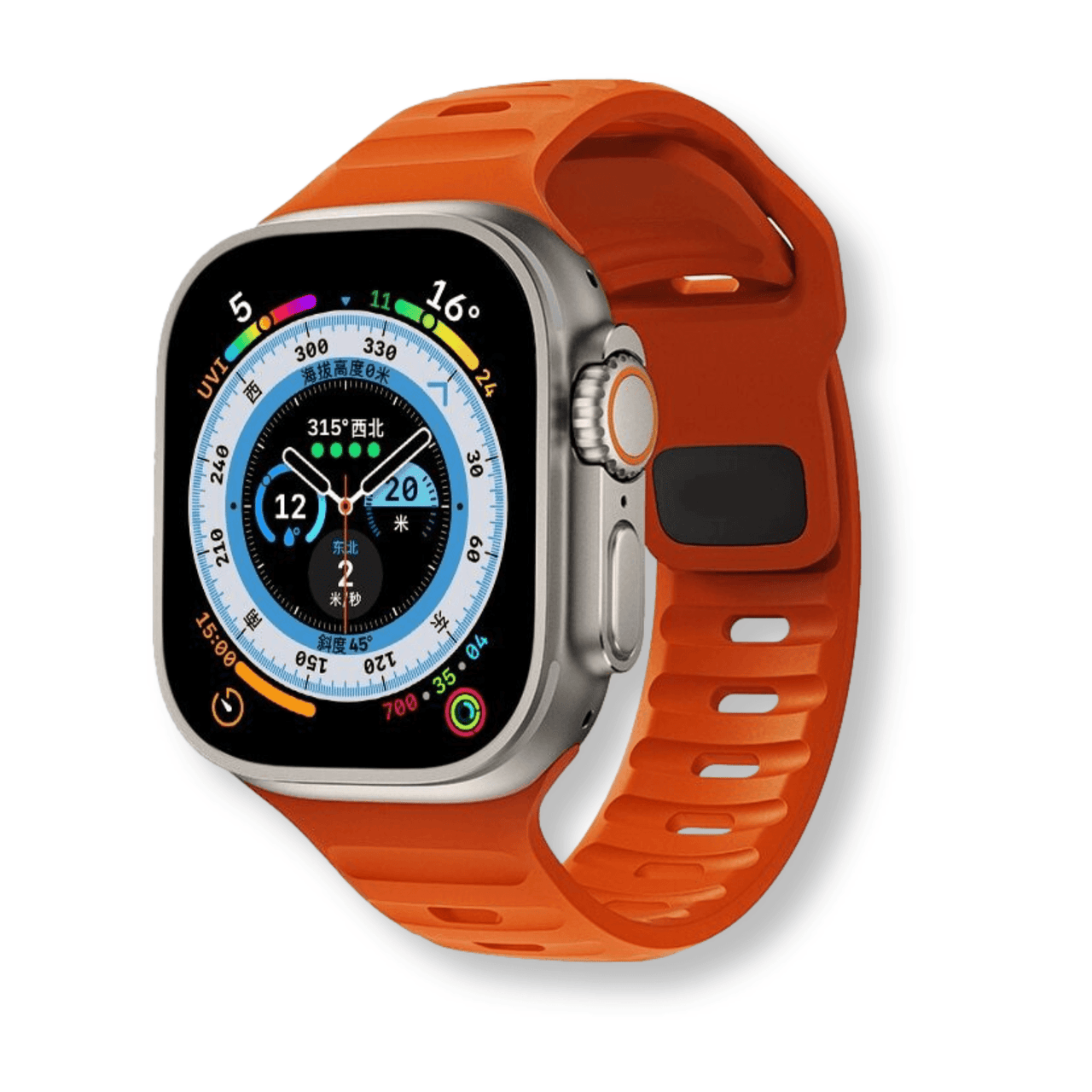
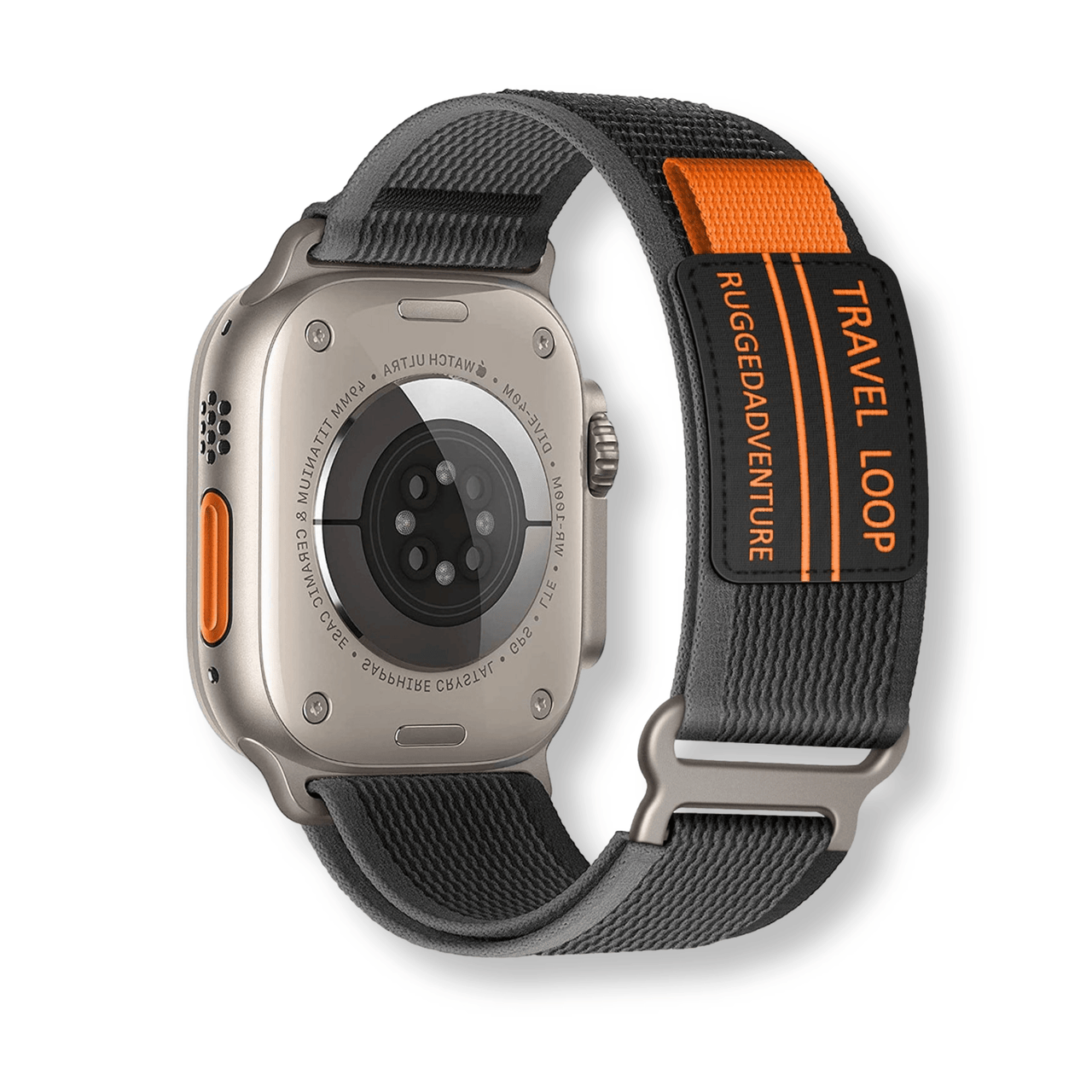
Finding a strap that integrates flush against your watch case can elevate the profile of your favorite timepiece. However, many collectors encounter unexpected frustration when an aftermarket curved strap refuses to mount properly, even when the stated millimeter width matches the lugs precisely. Achieving a seamless appearance requires examining critical three-dimensional clearances rather than relying purely on lug width.
Table of Contents
- Understanding Curved End Watch Strap Clearance vs Nominal Width
- Curved Straps vs Curved Spring Bars: Clearing Up Confusion
- Case Radius, Lug Hole Depth, and Mechanical Tolerances
- Material Behavior: Rubber, Leather, and Metal Solid End Links
- Step-by-Step Physical Assessment Before You Purchase
- Troubleshooting Binding, Pinching, and Pin Misalignment
- When to Stop and Consult a Professional Watchmaker
- Frequently Asked Questions
Understanding Curved End Watch Strap Clearance vs Nominal Width
When shopping for replacement bands, watch owners typically focus on nominal lug width, which is the internal distance between the two lugs measured in millimeters. Standard flat-ended bands tolerate considerable variance because their straight profile leaves negative space between the strap edge and the round watch case. You can see this classic spacing across standard profiles like those in the classic watch straps collection, where straight ends permit flexible installation on a broad variety of case profiles.
Curved-end designs operate under an entirely different mechanical principle. A curved-end strap attempts to fill the void between the spring bar and the case wall completely. Because the strap profile follows the circumference of the watch housing, successful installation depends heavily on curved end watch strap clearance. This clearance represents the physical three-dimensional envelope created by the case wall, the position of the drilled lug holes, and the depth of the lug geometry.

If that clearance is too tight, the strap material collides with the watch case before the spring bar tips can drop into their respective lug holes. Conversely, if the clearance is excessively loose, the strap will exhibit noticeable gaps, rotational play, and vertical wobble. A matching nominal width of 18mm, 20mm, or 22mm is only a baseline requirement; it provides no guarantee that the radial profile will align with your specific case model.
Curved Straps vs Curved Spring Bars: Clearing Up Confusion
A frequent point of confusion among watch enthusiasts is the distinction between a strap with a molded curved end and a straight-end strap fitted with curved spring bars. These two configurations solve completely different mechanical challenges, and confusing them often results in incorrect purchases or damaged hardware.
A curved-end strap features a permanent, rigid or semi-rigid radial arc molded or shaped directly into the mounting head of the strap. It is designed to hug the round perimeter of a matching case. A curved spring bar, on the other hand, is an arched metal pin used primarily to provide clearance for straight-edged straps on watches where the drilled lug holes are placed unusually close to the case body. Some enthusiasts explore varied mounting formats using specialized straps from the design natos catalog, which often require adequate clearance between the pin and the case to thread fabric cleanly.
Using curved spring bars inside a standard straight-ended strap will not transform it into a molded, flush-fitting curved strap. Similarly, placing straight spring bars into a strap molded specifically for curved pins will distort the material and prevent the pins from seating correctly. You must never attempt to bend straight spring bars manually to make a strap fit, as altering the curvature weakens the internal spring mechanism and risks sudden failure on the wrist.
Case Radius, Lug Hole Depth, and Mechanical Tolerances
Watch cases vary dramatically in profile even when they share the same diameter and lug spacing. A 40mm case from one brand may feature a relatively shallow curve with long, sloping lugs, while another 40mm case might utilize an aggressive spherical arc with short, abrupt lugs. The radius of curvature of the case wall dictates the exact shape the strap head must match.
Equally critical is the position of the lug holes along two axes: horizontal distance from the case wall and vertical height relative to the case back. If a manufacturer drills lug holes deep inward toward the case center, the strap will have minimal clearance, leading to binding against the steel. If the holes are drilled low toward the case back, a thick curved strap may extend below the case plane, preventing the watch from resting flat against the skin. For collectors seeking broader knowledge on strap dynamics, our watch compendium offers valuable foundational articles on case proportions and mounting principles.

Because there is no universal standard governing where lug holes are placed relative to the case perimeter, aftermarket curved straps designed for one specific model rarely fit another model without interference. Always verify whether a curved strap was engineered around your precise case reference rather than assuming cross-brand compatibility.
Material Behavior: Rubber, Leather, and Metal Solid End Links
The material composition of a curved-end strap plays a significant role in how forgiving the clearance tolerances will be during installation. Synthetic elastomers provide the highest degree of practical compliance, making options in the rubber silicone watch bands range popular for sport watches. To better understand the properties and functional characteristics of these materials, read our silicone watch bands ultimate guide to comfort, style, and compatibility.
While elastomers can compress slightly to accommodate micro-variances, they will still tear or bind if forced into an undersized gap. Natural hide options found in the leather watch bands straps collection present a different set of considerations. Curved leather straps rely on molded internal reinforcement inserts to hold their shape against the case. If the case clearance is insufficient, the leather exterior will rub against the steel case edge during wrist movement, leading to premature scuffing and damaged stitching.
Metal options present the zero-tolerance extreme. Solid end links, such as those found on bracelets in the stainless steel watch bands catalog, have no physical give. If the solid link does not match the exact case radius and hole coordinates of your watch, the spring bar will simply not engage with the lug holes. You should never cut, file, or alter strap materials to force a fit, as doing so destroys structural integrity.
Step-by-Step Physical Assessment Before You Purchase
Before ordering an aftermarket curved strap, conduct a systematic evaluation of your watch case to avoid compatibility issues. Rushing to install a component without pre-checking clearances can lead to scratched lugs or warped spring bars.

Begin by removing your existing strap to inspect the empty lug area cleanly. Use a dedicated tool such as the watch spring bar remover to compress spring bar shoulders safely without dragging metal tips across polished lug surfaces. Once the strap is detached, clean any accumulated debris from the lug interior using a dry, soft microfiber cloth.
Inspect the physical layout using the following sequential checklist:
- Measure the exact nominal lug width using precision calipers to confirm the baseline sizing.
- Examine the distance from the drilled hole to the case wall: if the hole is exceptionally close to the case, clearance will be tight.
- Look at the case flank between the lugs; check whether the case wall is completely vertical or stepped outwards near the bezel.
- Check the lug hole diameter to ensure your intended spring bars match the aperture precisely.
- Consult the strap manufacturer documentation to confirm whether the curved end is designed specifically for your exact watch model.
If the manufacturer does not explicitly list your watch reference, treat compatibility as unverified and proceed with caution.
Troubleshooting Binding, Pinching, and Lug Misalignment
When attempting an initial test fit of a curved strap, monitor the tactile feedback closely. A correctly matched curved strap should slide into position with moderate guidance, allowing both ends of the spring bar to snap fully into their respective lug holes without excessive leverage.
If you feel heavy resistance, stop immediately. The most common warning sign is strap binding, where the curved nose of the strap impacts the case wall before the spring bar tips reach the lug holes. Applying excessive thumb pressure in this scenario can bend the spring bar or permanently crease the strap material. Another frequent symptom is lug hole misalignment, where one side of the pin engages while the opposite side remains jammed above the hole.
Never apply liquid lubricants, talc powder, or household chemicals to force a binding strap past a case edge. These substances can degrade watch gaskets, damage strap finishes, and attract grit that acts as an abrasive inside the lug recess. Similarly, never attempt to drill new holes into the lugs or use forceful twisting motions. If the strap binds under gentle hand pressure, the clearance is fundamentally incorrect for that case geometry.
When to Stop and Consult a Professional Watchmaker
Watch modification should enhance your enjoyment of a timepiece, not risk its structural integrity. There are clear mechanical indicators that signal when DIY installation must pause in favor of professional evaluation.
If you notice that a spring bar pin seats only partially into the lug hole, the assembly is unsafe. Partial seating places immense shear stress on the tip of the spring bar, creating a severe risk that the watch could detach unexpectedly from your wrist. Furthermore, working with vintage timepieces, precious metals, or complex integrated lug designs requires specialized handling. If you manage your own strap swaps, maintaining standard equipment from a watch repair tool kit helps prevent avoidable slips, but tooling cannot overcome an incompatible case radius.

Whenever you are uncertain about fitment tolerances, or if an expensive case requires flawless cosmetic preservation, stop and consult a professional watchmaker. A certified technician has the optical magnification and specialized gauging tools required to determine whether an aftermarket curved component can seat safely without endangering your timepiece.
Frequently Asked Questions
Can I use curved spring bars to make any standard strap fit flush against my case?
No. Curved spring bars create extra clearance between a straight strap and a tight case, but they do not add material to eliminate the gap. Achieving a truly flush look requires a strap with a molded curved profile designed to mirror the case wall.
Why does my 20mm curved strap not fit my 20mm watch case?
Nominal width only measures the lateral distance between the lugs. It does not account for case curvature, case thickness, or the distance from the lug holes to the case body. If these measurements differ, the strap will not seat properly.
Is it safe to trim or sand down the underside of a curved rubber strap?
No. Trimming, sanding, or filing away material compromises the internal integrity of the strap and weakens the area around the spring bar channel. Doing so risks strap failure and can cause your watch to fall.
How do I know if my spring bar has seated correctly inside the lug hole?
You should feel or hear a distinct click as the pin expands into the drilled aperture. Once installed, gently push and pull the strap near the lug root; if the pin dislodges or shifts vertically, it is not fully engaged.
Will forced installation damage the lugs on my watch?
Yes. Forcing a tight strap against the case can strip lug holes, bend or snap spring bars, and scratch polished case finishes. Always discontinue installation if parts bind under normal hand pressure.
Explore Precision Straps and Tools
Selecting the right strap requires careful attention to dimensions, clearances, and hardware matching. Explore our catalog of thoughtfully engineered straps and dedicated sizing gear to ensure your next strap change is safe, secure, and built to last.