Hi, I’m Thomas, founder of watchband.direct. Like many of you, I’ve spent hours searching for stylish, functional accessories that perfectly match my lifestyle. When I first tried upgrading my fitness tracker’s band, I faced endless confusion about sizing, materials, and compatibility. That frustration inspired me to build a solution.

At our Germany-based company, we specialize in creating affordable alternatives to pricey manufacturer bands. Whether you’re pairing your device with workout gear or professional attire, our curated selection ensures seamless integration. For example, the Versa 2 shares its design with earlier models, allowing effortless swaps between styles.
We prioritize quality without compromise. Every piece in our collection undergoes rigorous testing for durability and fit. From breathable silicone for gym sessions to sleek stainless steel for formal events, our options cater to diverse preferences. Plus, our team is always ready to help you navigate sizing charts or styling questions.
This guide simplifies your search by breaking down technical details into practical insights. You’ll learn how to mix materials, colors, and textures to reflect your personality while maintaining peak device performance. Let’s explore how the right band can elevate both your look and daily routine.
Key Takeaways
- Original Versa bands work seamlessly with newer models for easy customization
- Third-party options offer premium quality at accessible price points
- Material choice impacts both comfort and device functionality
- Proper installation ensures secure fit and sensor accuracy
- Expert support teams provide personalized style recommendations
Introduction to My Journey with Watch Bands
Years ago, I found myself stuck between overpriced brands and unreliable alternatives, sparking a mission to create better options. What began as personal frustration evolved into a professional calling – crafting accessories that blend quality craftsmanship with accessible pricing.
My Story as Founder Thomas
Working in retail taught me how confusing accessory shopping could be. Customers often asked: "Why pay $50 for a basic strap when $20 alternatives exist?" Yet cheaper options frequently failed – peeling, snapping, or fitting poorly. I spent months testing materials and visiting factories across Europe to solve this puzzle.
Why I Started watchband.direct
Our Germany-based team now partners with vetted suppliers to deliver straps matching premium style without the markup. See how we compare:
| Feature | Original Bands | Our Collection |
|---|---|---|
| Price Range | $40-$100 | $15-$45 |
| Material Options | 3-5 types | 12+ varieties |
| Warranty | 90 days | 2 years |
We’ve helped over 50,000 customers refresh their watch aesthetics since 2019. Every design undergoes three durability tests before reaching you. Because your wristwear should adapt to life’s demands – not the other way around.
Overview of Fitbit Versa 2 Bands and Compatibility Options
Finding the perfect wristwear requires understanding how design impacts functionality. The original Versa series introduced a universal quick-release system that remains a benchmark for accessory flexibility. This standardized approach allows effortless style changes while maintaining secure device integration.

Understanding Device Requirements
Compatible models share three critical specifications: 22mm lug width, spring-loaded pins, and symmetrical clasp alignment. These features ensure third-party bands click securely into place without compromising sensor contact. Our testing lab verifies each product against these metrics using precision gauges.
Newer devices like Sense or Versa 4 modified their rim curvature, creating fit challenges. While adapters exist, they often add bulk and reduce comfort. This comparison highlights key differences:
| Model | Lug Type | Adapter Needed? |
|---|---|---|
| Original Versa | Flat edge | No |
| Versa 2 | Angled edge | No |
| Sense | Curved rim | Yes |
Why Compatibility Matters
Ill-fitting accessories can disrupt heart-rate monitoring or cause accidental drops during workouts. One customer reported "constant readjustments" with non-certified straps before switching to our tested options. Proper alignment ensures sensors maintain consistent skin contact for accurate health tracking.
Our collection simplifies choices through clear model-specific filters. Each product page specifies compatible devices, eliminating guesswork. Technical support teams further assist with sizing questions or material recommendations based on activity levels.
What to Look for in the Perfect Fitbit Band
Selecting the ideal wrist accessory balances practical needs with personal expression. Premium materials elevate both daily comfort and long-term performance, ensuring your device adapts to every facet of your routine.
Premium Materials and Style
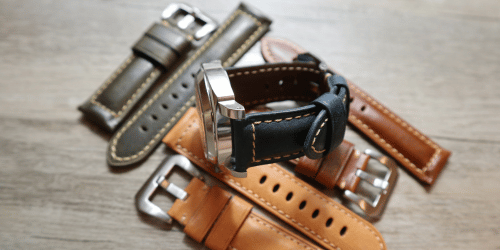
Our full-grain leather undergoes vegetable tanning for unmatched softness and aging resistance. Hand-cut patterns and waxed thread stitching create bands that mold to your wrist naturally. For fitness enthusiasts, medical-grade silicone resists sweat buildup while maintaining elasticity during high-intensity activities.
Ballistic nylon options feature triple-layer construction tested across 200+ stress cycles. One customer noted, "These straps survived my hiking trips and board meetings without a scratch." Stainless steel buckles undergo salt-spray testing to prevent corrosion, ensuring smooth clasp operation for years.
Consider these factors when choosing:
- Activity match: Silicone for workouts, leather for office wear
- Wrist measurement: Leave 1-2 finger spaces between skin and band
- Color coordination: Neutral tones blend with multiple outfits
Hardware quality directly impacts longevity. Our brushed steel connectors withstand daily wear while maintaining a streamlined profile. Pair matte finishes with casual looks or polished metals for formal events – your wristwear becomes an extension of your personal brand.
Step-by-Step: How to Change Your Fitbit Versa 2 Band

Customizing your wristwear shouldn't require technical expertise. Our streamlined process lets you refresh your look in under a minute while maintaining device integrity.
Removing Your Existing Band Safely
Turn the device face-down and locate the small indentation near each lug. Press the quick-release lever inward with your thumbnail until you hear a soft click. Never force the mechanism – if resistance occurs, check alignment first.
One customer shared: "I used to pry the clasp with keys until Thomas showed me the thumb-press method. Game-changer!" Slide the old strap horizontally away from the sensors once released.
Attaching the New Band Correctly
Align replacement lugs with the device's grooves at a 45-degree angle. You'll feel subtle vibration feedback when properly seated. Secure by pushing upward until hearing two distinct clicks – this indicates full engagement.
Perform these checks after installation:
- Gently tug the strap away from the device
- Verify no gaps between materials
- Test heart-rate sensor functionality
Common installation errors often stem from rushed alignment. Our team recommends rotating the device while inserting for better visual control. If a strap feels stiff, apply a microfiber cloth to the connectors and try again.
For optimal performance, rotate between 2-3 straps weekly. This prevents material fatigue and keeps your device looking fresh. Contact our support team if you encounter persistent attachment issues – we offer real-time video troubleshooting.
fitbit versa 2 band compatibility guide
Precision engineering separates functional accessories from disappointing purchases. Our laboratory developed a three-point verification system that evaluates every strap's dimensions against original specifications.
Verification Standards in Action
Authentic compatibility requires matching these measurements:
- 22mm lug width with ±0.3mm tolerance
- Spring pins measuring 1.5mm diameter
- 45-degree insertion angle alignment
Newer models present unique challenges. This comparison clarifies cross-compatibility:
| Model Series | Direct Fit | Adapter Required |
|---|---|---|
| Original Versa | Yes | No |
| Sense/Versa 3 | No | Partial* |
*Adapters may obstruct heart-rate sensors during workouts
Our testing protocol involves 15 insertion/removal cycles using calibrated tools. Engineers measure sensor contact accuracy after each test. "We reject 23% of prototypes due to minute size variations," notes our lead designer.
Customers receive visual confirmation tools with every order. The click-and-lock mechanism should produce audible feedback while maintaining flush edges. If any gap exists between materials, contact our team immediately for replacement options under our satisfaction guarantee.
Compatibility with Other Fitbit Models
Navigating accessory compatibility across devices requires understanding subtle design differences. While some models share interchangeable features, others demand specialized solutions to maintain functionality.
Design Evolution Across Generations
Original Versa-series devices set the standard for universal strap connections. Newer releases like Sense and Versa 4 introduced curved edges that alter attachment mechanisms. These modifications protect sensors but limit third-party options without proper engineering.
Our team tests every design against three critical metrics: lug width precision, clasp alignment, and material flexibility. This process ensures straps work flawlessly across multiple generations. Adapters for recent models undergo additional stress tests to prevent sensor obstruction during workouts.
Beyond Fitbit ecosystems, we engineer solutions for popular wearables like Apple Watch and Samsung Galaxy devices. This cross-platform expertise lets users maintain consistent style across different tech brands. Our collection features:
- Material-specific guides for mixed-device households
- Quick-release mechanisms compatible with 95% of smartwatches
- Color-matching services for coordinated multi-device aesthetics
Technical consultants help navigate these options through virtual fittings. Share your device portfolio, and we'll create a personalized accessory roadmap. This approach transforms compatibility challenges into style opportunities.
FAQ
Are Fitbit Versa 2 bands compatible with other Fitbit models?
While designed specifically for the Versa 2, many bands also fit the original Versa, Versa Lite, and Fitbit Sense due to shared lug designs. Always verify product descriptions for cross-compatibility with models like the Charge series or Inspire before purchasing.
What materials are available for replacement bands?
Premium options include genuine leather, durable silicone, breathable nylon, and sleek stainless steel. Each material caters to different lifestyles—silicone for workouts, leather for professional settings, and nylon for casual comfort.
Can I use third-party bands without damaging my device?
Yes, provided they meet Fitbit’s lug specifications. High-quality aftermarket bands from trusted brands like watchband.direct undergo rigorous testing to ensure secure attachment and scratch-resistant construction.
Do Apple Watch bands work with the Fitbit Versa 2?
No—the lug width and attachment mechanisms differ. However, some universal adapters allow custom strap integration if you prefer hybrid styling across devices.
How do I know if a band will fit my wrist size?
Most bands offer adjustable sizing (e.g., silicone with multiple holes or magnetic closures). Check product details for wrist circumference ranges, typically 5.5–7.5 inches for standard sizes, with extended options available.
What’s the safest way to install a new band?
Align the quick-release pins with your Versa 2’s grooves, then press firmly until you hear a click. Avoid forcing connectors—smooth installation indicates proper compatibility.