Key Takeaways
- The Garmin Forerunner 55 uses industry-standard 20mm quick-release watch bands.
- Silicone and nylon are the top recommended materials for durability and sweat resistance.
- Upgrading your band does not require proprietary tools; replacement can be done in seconds.
- A simple strap swap can seamlessly transition your sports watch into a stylish daily accessory.
Table of Contents
- 1. Understanding Garmin Forerunner 55 Bands Size
- 2. Garmin Forerunner 55 Bands Compatibility Explained
- 3. Top Budget Materials for Active Runners
- 4. How to Complete a Garmin Forerunner 55 Bands Replacement
- 5. Transitioning from Workout to Casual Office Wear
- 6. Choosing Based on Wrist Size and Running Style
- 7. Cleaning and Maintenance Tips
- 8. Frequently Asked Questions
1. Understanding Garmin Forerunner 55 Bands Size
The Garmin Forerunner 55 is widely celebrated as one of the best entry-level running watches on the market. Lightweight, packed with features, and incredibly reliable, it is a staple on the wrists of marathoners and casual joggers alike. However, to maximize comfort during long runs, finding the correct garmin forerunner 55 bands is crucial.
When shopping for upgrades, the most important specification to look out for is the garmin forerunner 55 bands size. The Forerunner 55 utilizes a standardized 20mm band width. This is a highly common size in both the smartwatch world and the traditional horology landscape, giving you thousands of potential aftermarket replacement options.
Unlike some of Garmin's high-end, rugged adventure watches that rely on wider 22mm or 26mm proprietary fitment systems, the Forerunner 55 keeps things universally simple. Because it adopts standard 20mm quick-release pins, you do not have to purchase official, premium-priced Garmin-branded straps. You can easily find high-quality, budget-friendly third-party alternatives that match or exceed the durability of your original band without breaking the bank.

2. Garmin Forerunner 55 Bands Compatibility Explained
Understanding garmin forerunner 55 bands compatibility is incredibly straightforward. Since the watch features a quick-release lug design, it accepts any industry-standard 20mm strap. This means you aren’t restricted to products explicitly marketed under the "Forerunner 55" banner.
For instance, if you have old straps from other popular smartwatches like the Samsung Galaxy Watch (20mm models) or the Garmin Venu, they will fit your Forerunner 55 flawlessly. The cross-compatibility of this system is a massive benefit for multi-sport athletes. You can check out our Garmin watch bands complete guide to understand how different models swap and interface across the brand's lineup.
When selecting aftermarket bands, always verify that they include the integrated spring bars with the little sliding metal knob. This tiny knob allows you to retract the spring mechanism with your fingernail, making tools completely unnecessary. This design keeps the watch highly versatile, allowing you to swap styles in seconds before a race or a business meeting.
3. Top Budget Materials for Active Runners
Not all watch straps are created equal, especially when subject to intense sweat, UV rays, and the elements during outdoor training. For active runners on a budget, we recommend focusing on three primary materials:
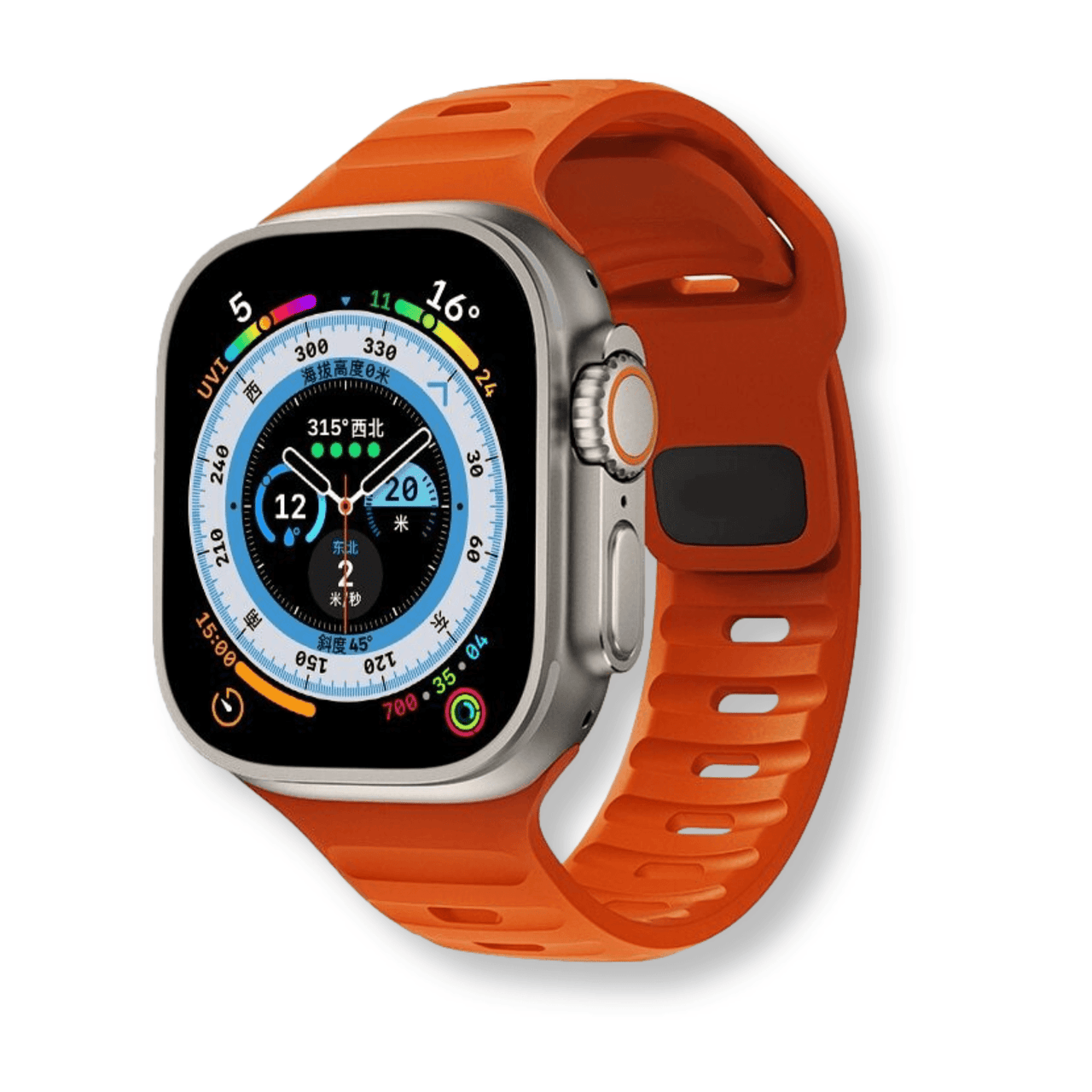
- High-Grade Silicone: Waterproof, flexible, and extremely easy to clean. Look for ventilated silicone designs featuring extra air holes, which allow your skin to breathe and help prevent the dreaded "runner's rash" caused by trapped sweat.
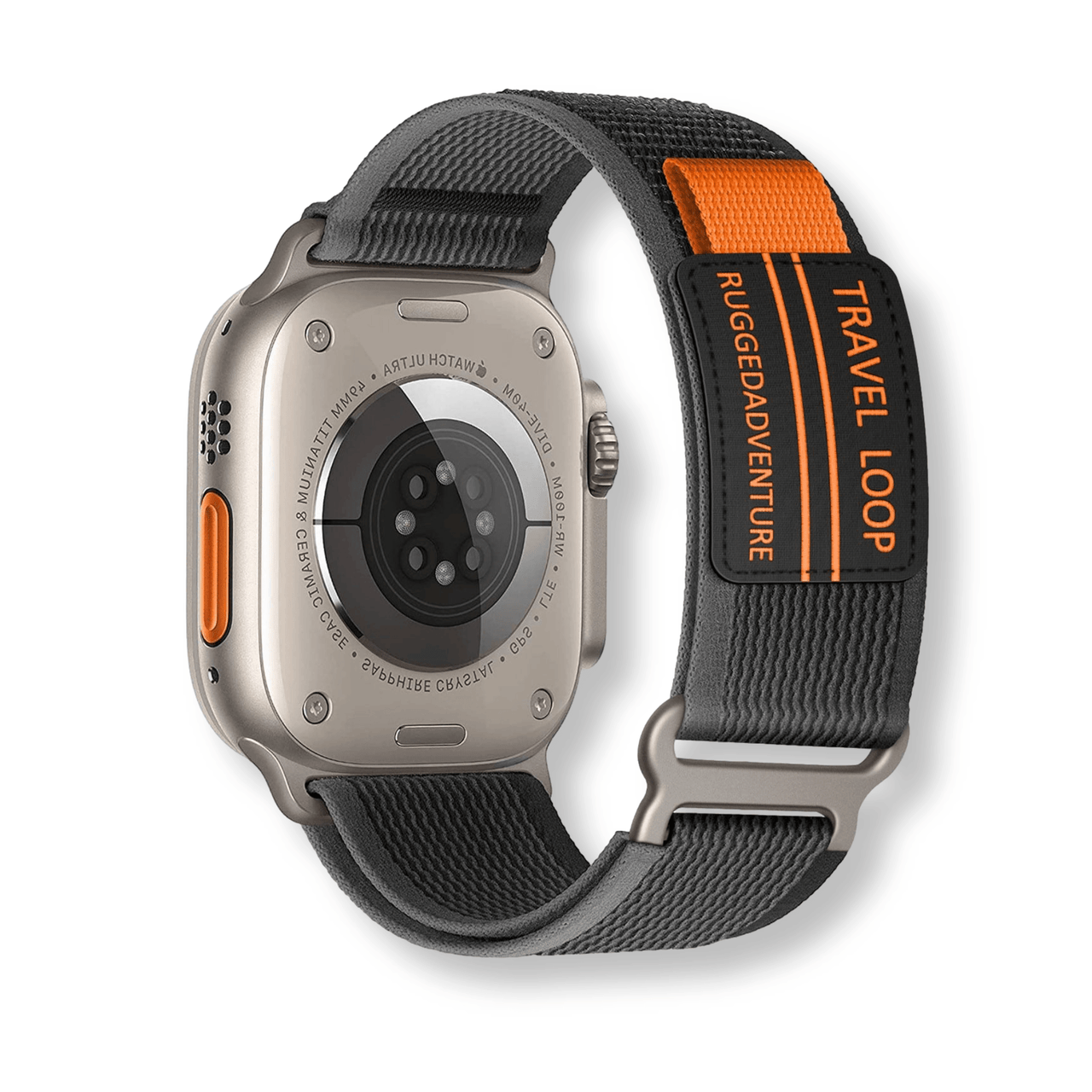
- Soft-Woven Nylon: Incredible lightweight and breathable. Nylon hook-and-loop straps offer infinite micro-adjustments, ensuring the perfect snug fit against your wrist bone for accurate optical heart rate tracking.
- Premium Leather: While not suited for workouts, a smart leather watch band is perfect for elevating your Forerunner 55's aesthetic for formal events or daily office wear.

To keep your watch setup highly functional, it is wise to stock up on a few different materials. Keep a rugged, breathable silicone option for your speed workouts, and a sleek nylon or leather option for everyday casual wear. You can browse our wide variety of choices in our accessories collection to build your ultimate multi-strap toolkit.
4. How to Complete a Garmin Forerunner 55 Bands Replacement
Performing a garmin forerunner 55 bands replacement is a simple, stress-free process that takes less than thirty seconds. Because the watch uses quick-release mechanisms, you won't need to struggle with complex spring bar tools or risk scratching your watch's composite case.
To remove your existing band, flip your watch face-down on a soft cloth. Locate the small metal pin lever on the underside of the strap. Slide the lever inward towards the center of the band. This action compresses the internal spring bar, releasing the strap from the watch lug. Simply pull the band away from the watch body.
To install your new band, insert the opposite side of the pin (the side without the lever) into the lug hole first. Then, slide the quick-release lever inward again, align the pin with the remaining lug hole, and release the lever. Give the band a gentle tug to ensure it is securely locked in place.
If you ever encounter an older strap that uses traditional friction pins instead of quick-release bars, we recommend utilizing a watch spring bar remover or investing in a comprehensive watch repair tool kit to make the swap safe, precise, and damage-free.

5. Transitioning from Workout to Casual Office Wear
While the Forerunner 55 is built specifically for athletic performance, its compact and slim profile makes it highly wearable for everyday tasks. Many runners wear their devices 24/7 to track sleep metrics, stress levels, and daily steps. However, a bright neon silicone sports band can look out of place in a professional boardroom or formal dining setting.
By swapping out the sporty strap for a subtle, minimalist black or gray nylon band, you can instantly tone down the sporty aesthetic. If you want to make a stronger impression, switching to a dark brown or black leather strap adds immediate sophistication, making the watch look less like a fitness tracker and more like a classic timepiece.
This design versatility is a strategy shared across many smartwatch communities. For example, users frequently swap out Apple Watch bands or look to premium Garmin Fenix bands to completely change the personality of their wristwear. Using the same logic on your Forerunner 55 allows you to get maximum utility out of a single device.
6. Choosing Based on Wrist Size and Running Style
When selecting a strap, it is essential to consider both your wrist circumference and your running habits. A loose watch band is more than just annoying; it can actively degrade the accuracy of your Garmin's built-in optical heart rate sensor. If the watch bounces or lets ambient light in, the green sensor light cannot properly track blood flow.

If you have slender wrists, look for bands that taper slightly or feature a lower-profile buckle system to prevent bulk. Nylon loop styles are highly recommended here because they do not rely on pre-punched buckle holes, allowing you to pull the strap to the exact millimeter of tension required for a secure fit.
For trail runners or obstacle course racers, security is paramount. Avoid magnetic closures that can easily snag on branches or clothing, and instead opt for straps that feature heavy-duty stainless steel buckles or secure double-loop keepers to ensure your watch stays locked to your arm through the roughest terrain.
7. Cleaning and Maintenance Tips
Because your running band is regularly exposed to sweat, dirt, sunscreen, and outdoor grime, maintaining clean gear is vital to avoid skin irritation. This is especially true for silicone and nylon straps, which can trap moisture against your skin over long durations.
For silicone bands, simply wash them with warm water and a drop of mild, soap-free cleanser after every sweaty run. Allow them to air dry completely before putting the watch back on. Avoid harsh chemicals or abrasive scrubs, as these can strip the protective matte coating off the silicone.
Nylon straps require a bit more attention as they are porous and can absorb odor over time. Hand wash your nylon straps periodically in warm soapy water, or place them inside a delicate mesh laundry bag and run them through a gentle washing machine cycle. Let them air dry fully, as wearing a damp nylon band can lead to mildew and skin irritation.
8. Frequently Asked Questions
What size band does the Garmin Forerunner 55 use?
The Garmin Forerunner 55 uses standard 20mm quick-release watch bands. Always double-check that the strap you are purchasing is designated as a 20mm width.
Can I use any 20mm quick-release band with my Forerunner 55?
Yes! Any standard 20mm quick-release band will be fully compatible. This open standard means you can choose from a massive variety of brands, colors, and materials beyond official Garmin accessories.
How do I know if my band has quick-release pins?
Quick-release bands will have a tiny metal knob or slider visible on the underside of the strap near the watch lugs. Sliding this knob compresses the pin so you can attach or detach the strap effortlessly.
Are nylon bands good for sweaty runs?
Yes, woven nylon bands are incredibly lightweight, breathable, and comfortable. However, they do absorb sweat and water, so you will need to wash and air-dry them regularly to keep them fresh.
Do I need tools to swap my Garmin Forerunner 55 band?
No tools are required if you are replacing the original band with a quick-release strap. The swap can be completed entirely with your hands in less than half a minute.
Ready to Upgrade Your Garmin Forerunner 55?
Don't let an uncomfortable, worn-out strap hold back your training. Explore our curated selection of ultra-durable, highly breathable, and budget-friendly watch straps designed for runners. For more expert guides and watch band care tips, visit the Watch Compendium today!
Shop Garmin Forerunner Bands Now📌 Complete Guide
For the full guide, see our Garmin.
📌 Complete Guide
For the full guide, see our Garmin.
📌 Complete Guide
For the full guide, see our Garmin.
📌 Complete Guide
For the full guide, see our Garmin.
📌 Complete Guide
For the full guide, see our Garmin.