Have you ever considered what happens to your watchbands once their charm fades? In a world where fast fashion reigns, the practice of watchband recycling and upcycling presents a compelling opportunity to challenge our throwaway culture. As we move into 2026, embracing sustainable practices can not only reduce waste but also ignite our creativity in unexpected ways. This article will offer valuable insights and eco-friendly tips for transforming your old watchbands into unique accessories, ultimately encouraging a shift from simple disposal to innovative creative reuse.
Key Takeaways
- Understand the importance of recycling and upcycling in reducing waste.
- Identify common materials used in watchbands and find appropriate recycling methods.
- Explore creative ways to upcycle old watchbands into jewelry and home decor.
- Learn eco-friendly tips to minimize waste during your upcycling projects.
- Discover local and specialized options for recycling old watchbands.
- Engage with community initiatives focused on sustainable practices.
- Find avenues for selling or donating your unused watchbands to benefit others.
Understanding the Importance of Recycling and Upcycling
Recognizing the importance of recycling and upcycling is essential in today's world. Recycling plays a vital role in reducing waste, conserving natural resources, and minimizing pollution. By recycling materials, we divert them from overflowing landfills, promoting a healthier environment. In addition to recycling, the upcycling benefits are noteworthy, as this practice transforms discarded items into new, valuable products. This process not only adds creativity but also fosters a sense of accomplishment.
Embracing sustainable practices enhances our collective efforts toward environmental conservation. It encourages individuals and communities to rethink the way they consume and dispose of materials. By prioritizing recycling and adopting upcycling methods, we pave the way for a more sustainable future. Each small action contributes to a bigger impact, promoting a circular economy that reduces waste.
| Aspect | Recycling | Upcycling |
|---|---|---|
| Purpose | Reduce waste and conserve resources | Add value through creativity |
| Process | Reprocess materials into new products | Transform items into unique creations |
| Impact on Environment | Decreases pollution and landfill waste | Encourages innovative reuse |
| Community Engagement | Promotes recycling programs | Inspires creative workshops |
Ultimately, understanding the importance of recycling and upcycling benefits individuals and communities alike. By actively participating in sustainable practices, we can ensure a better future for the planet and inspire others to do the same.
What Materials Are Commonly Used in Watchbands?
Watchbands come in a variety of materials, each offering unique qualities and aesthetics. Understanding these watchband materials is essential for making informed choices about recycling and upcycling.
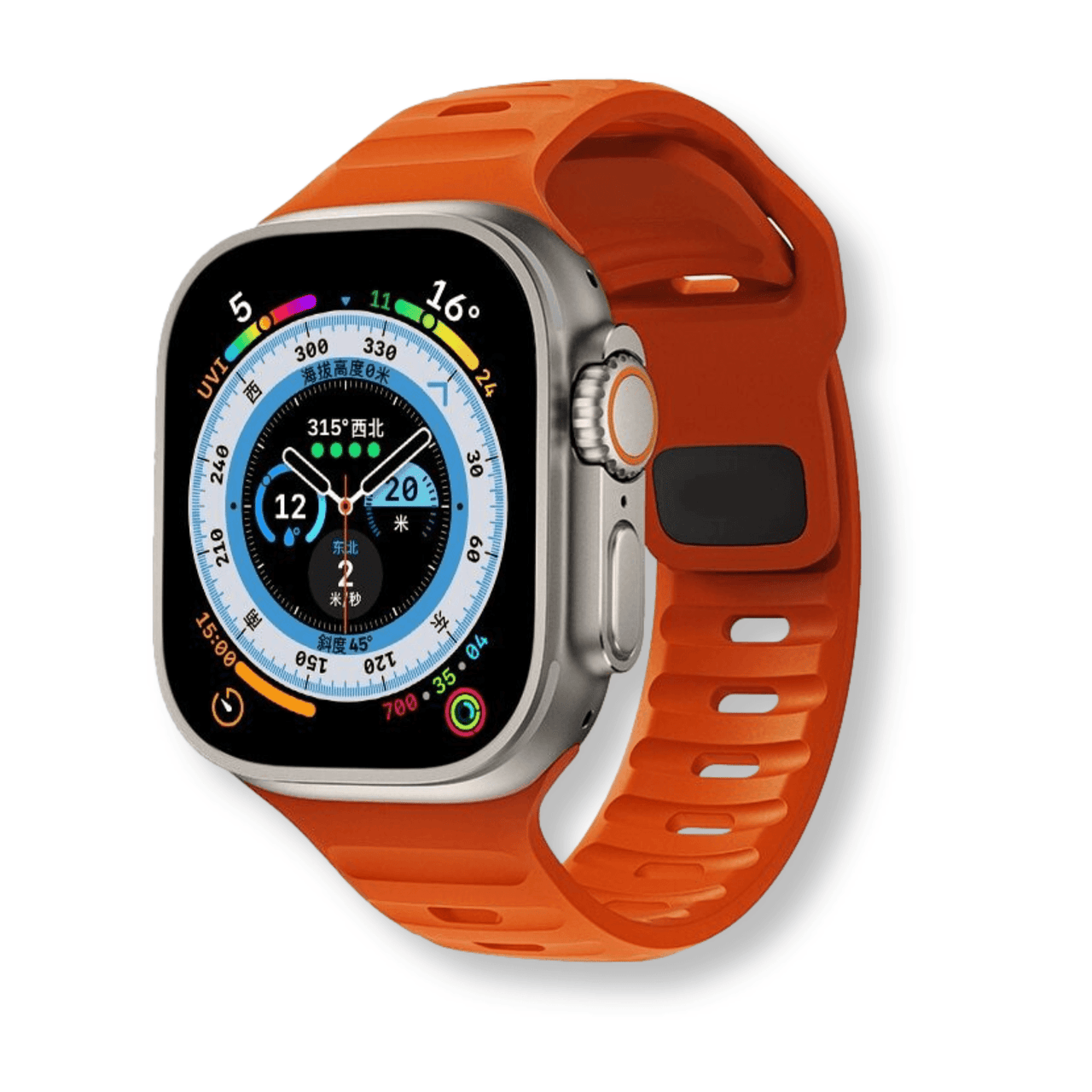
Silicone has become a popular option, especially for modern smartwatches like the Apple Watch. Its flexibility and durability make it appealing for everyday wear. Nevertheless, silicone presents recycling challenges, as many local facilities do not accept it due to the complexities in processing. This raises concerns for environmentally conscious users.
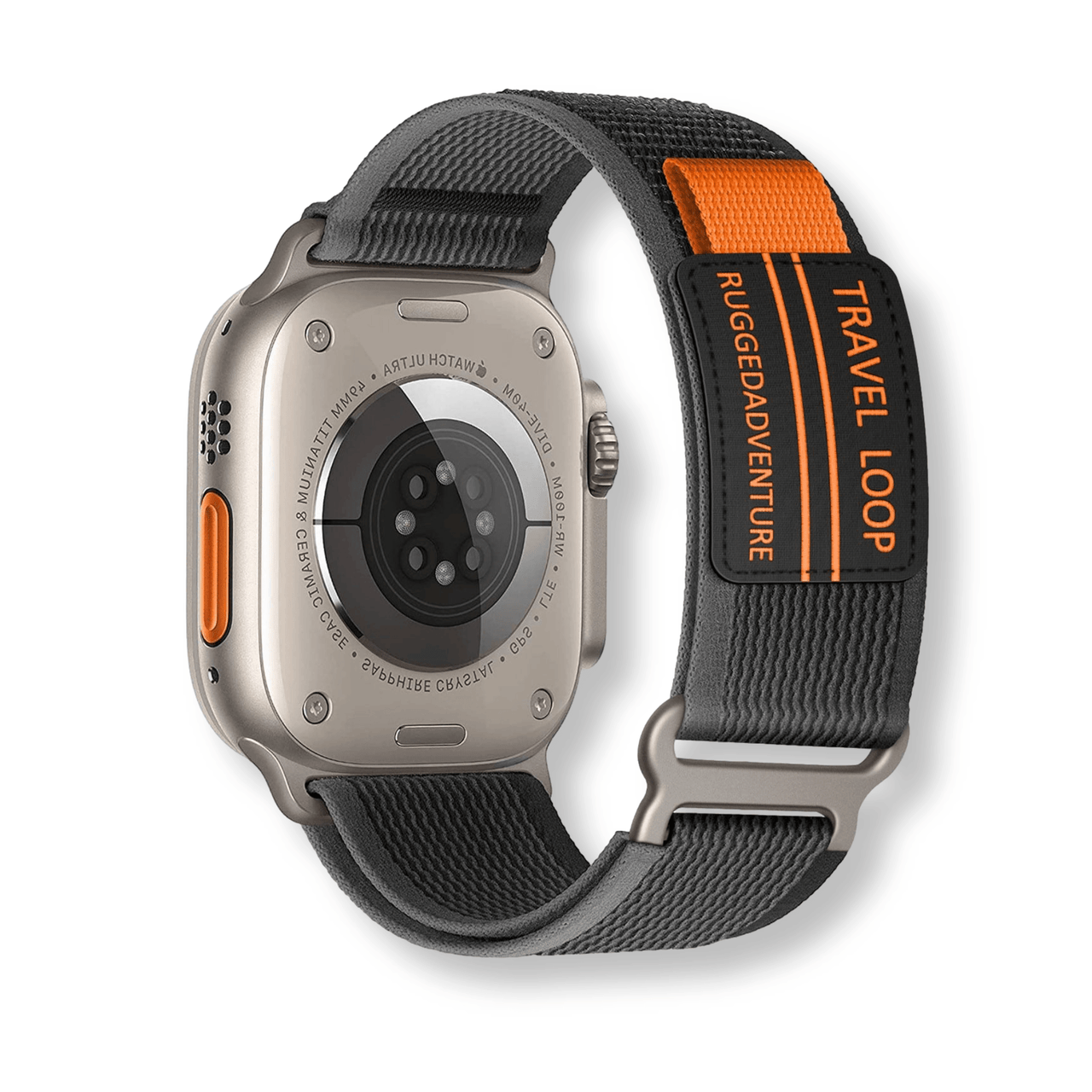
Leather is another prevalent choice, often associated with luxury and elegance. While it has potential for upcycling into creative products, its production can have negative environmental impacts related to animal farming. When considering leather watchbands, it's crucial to weigh these factors against personal values and sustainability goals.
To further illustrate the differences in common watchband materials, the following table summarizes key features:
| Material | Durability | Recyclability | Eco-Friendliness |
|---|---|---|---|
| Silicone | High | Limited | Moderate |
| Leather | Medium to High | Limited | Low |
| Metal | High | High | Medium |
| Fabric | Medium | Variable | High when eco-friendly |
Incorporating eco-friendly materials in watchbands can offer sustainable alternatives. Exploring options that align with personal and environmental values makes for a more responsible approach to personal accessories.
Watchband Recycling and Upcycling: A Sustainable Approach
The act of recycling old watchbands plays a significant role in promoting sustainable practices. By participating in watchband recycling, individuals contribute to waste reduction while embracing the principles of a circular economy. This approach ensures that materials are not discarded, but instead repurposed and rejuvenated, ultimately benefiting the environment.
Benefits of Recycling Your Old Watchbands
Engaging in watchband recycling offers several advantages:
- Conservation of Resources: Recycling reduces the need for virgin materials, preserving natural resources.
- Energy Savings: Producing new items from recycled materials consumes less energy compared to using new raw materials.
- Landfill Reduction: Recycling helps divert waste from landfills, addressing the growing issue of landfill overpopulation.
- Innovation: Recycled watchbands can become the foundation for creating new, exciting products, fostering creativity.
Environmental Impact of Upcycling
Upcycling presents a unique opportunity to minimize waste while enhancing environmental consciousness. When consumers choose to repurpose old watchbands, they actively contribute to resource conservation. The environmental impact of upcycling includes:
- Lower greenhouse gas emissions due to decreased energy consumption.
- A reduction in the overall demand for new materials, promoting responsible manufacturing.
- Encouragement of circular economies, where products are repeatedly reused in innovative ways.
| Aspect | Recycling | Upcycling |
|---|---|---|
| Resource Consumption | Minimized use of new raw materials | Reduced demand for new resources through repurposing |
| Energy Use | Lower energy required for recycling processes | Often less energy-intensive than creating new products |
| Waste Creation | Aids in waste reduction by recycling end-of-life products | Transforms waste into functional, creative items |
Choosing to recycle and upcycle watchbands embodies a commitment to sustainable practices. By understanding the impact of these actions, individuals can make meaningful changes that benefit both their lives and the planet.
Where to Recycle Your Old Watchbands
Finding suitable options to recycle your old watchbands is essential for responsible waste management. Many people are unaware of the various local recycling options available, which can effectively reduce waste by appropriately handling materials that might otherwise end up in landfills. It's important to explore community recycling programs to find out how you can participate in watchband disposal. Understanding the materials involved in your watchbands will help you identify the best recycling options for old materials.
Local Recycling Programs
In many areas, local recycling programs are designed to manage various waste materials, including watchbands. Users should research their municipality's specific guidelines to see which watchband materials are accepted. Not all recycling facilities can process items like silicone, so confirming with your local waste management is key. Engaging in community recycling can foster a spirit of sustainability while ensuring that watchband recycling is executed properly.
Specialized Companies for Recycled Materials
When local recycling options fall short, specialized recycling companies often present a reliable alternative for watchband recycling. These organizations typically focus on repurposing materials that traditional recycling centers may not accept. For instance, some companies offer mail-in programs specifically for silicone watchbands. This convenience allows individuals to practice responsible watchband disposal without compromising environmental standards.
| Recycling Option | Material Type Accepted | Contact Method |
|---|---|---|
| Local Municipal Program | Plastic, Rubber (Check for specifics) | Phone, Website |
| Community Recycling Initiative | Varied (Silicone may not be included) | Email, In-Person |
| Specialized Recycling Company | Silicone, Leather, Metal | Online Form, Mail-In Program |
Creative Ways to Upcycle Your Old Watchbands
Transforming old watchbands opens up a world of possibilities for creative reuse. From unique jewelry to impressive home decor projects, there are numerous ways to upcycle watchbands into cherished items. With a touch of imagination, your watchbands can be given new life, showcasing your personal style while contributing to sustainable practices.
Transforming Watchbands into Unique Jewelry
Jewelry crafting using watchbands can result in one-of-a-kind pieces that reflect individual taste. Old watchbands serve as excellent materials to create:
- Bracelets: Woven or layered designs can make striking accessories.
- Necklaces: Combine watchbands with beads and charms for a bohemian look.
- Earrings: Create stylish dangles that highlight vibrant watchband colors.
This form of creative upcycling allows personal expression while minimizing waste. Consider enhancing your pieces with complementary materials to elevate their aesthetic appeal.
Using Watchbands for Home Decor Projects
Home decor with watchbands can truly transform your living space. Engaging in DIY home projects not only promotes creative reuse but also allows you to showcase your craftsmanship. Consider these ideas:
- Wreaths: Craft a unique wreath that adds charm to your front door.
- Wall hangings: Create textured wall art that captures attention.
- Customized picture frames: Wrap watchbands around frames for a distinctive finish.
These projects offer a fun way to reduce waste while enhancing your home's interior design. Each item made from upcycled watchbands can serve as a conversation starter, reflecting your commitment to sustainability and creativity.
Eco-Friendly Tips for Upcycling Watchbands
Embarking on the journey of upcycling old watchbands offers numerous opportunities to create unique and sustainable crafts. Emphasizing eco-friendly materials and non-toxic options for DIY projects contributes significantly to overall sustainability efforts. Here are some tips and ideas to consider when diving into your next crafting adventure.
Choosing Non-Toxic Materials
Selecting materials that are safe for both the environment and your health is essential. Focus on sourcing eco-friendly materials that do not contain harmful chemicals. Options like natural adhesives, organic fabric dyes, and recycled paper can help elevate your DIY eco-friendly projects. These non-toxic options for DIY ensure that your projects maintain a balance between aesthetics and sustainability.
DIY Projects for Minimal Waste
To truly embody the essence of sustainable crafting, aim to minimize waste in your upcycling efforts. Consider transforming every part of the watchband into something valuable. Here are some waste reduction tips to inspire your creativity:
- Create keychains or bag charms using the whole length of the band.
- Fabricate decorative wall hangings from leftover pieces.
- Utilize scraps for collages or unique greeting cards.
By incorporating such sustainable crafting ideas, you not only reduce waste but also encourage a zero-waste philosophy in your crafting practices.
| Action | Description |
|---|---|
| Use natural dyes | Opt for plant-based dyes to add color without harmful chemicals. |
| Embrace minimalism | Keep designs simple to limit material usage and enhance longevity. |
| Repurpose materials | Incorporate unused items from around your home to flesh out projects. |
With these eco-friendly tips, your upcycling endeavors will not only be enjoyable but will also align with your commitment to sustainable crafting. The world of creativity awaits, ready for your innovative spirit!
Sending Your Watchbands to Proper Recycling Centers
When you decide to recycle your old watchbands, sending them to proper recycling centers is crucial. Research different companies that focus on watchband disposal, ensuring they accept the specific materials you want to recycle. Many places offer clear guidelines on how to prepare your watchbands for recycling.
Some options include:
- Review the materials your watchband is made from, such as silicone or leather.
- Check for any local recycling programs that may accept watchbands.
- Explore mail-in recycling options, which provide a convenient way to send your watchbands directly to recycling facilities.
When preparing your watchbands for shipment, use appropriate packaging materials to prevent damage. Follow the specific instructions provided by the recycling center to ensure a smooth process. By taking these steps, you contribute to a more sustainable environment and give your watchbands a new life.
The Process of Upcycling Old Watchbands
Embracing the art of watchband reuse offers an exciting avenue for creativity. Before diving into various projects, gather all necessary tools and supplies tailored for your specific upcycling endeavors. This preparation can ensure a smoother crafting experience.
Gathering Tools and Supplies
Start by collecting essential tools for upcycling. Basic items like scissors, pliers, and adhesives play crucial roles, while supplementary materials can enhance your creations. Consider including:
- Beads for decorative accents
- Wires for structural integrity
- Fabric pieces for added texture
With the right supplies for DIY projects, you can easily explore various watchband crafts, making the most of your unused materials.
Step-by-Step Guide to Upcycling
A step-by-step upcycling guide helps simplify the creative process. Begin by thoroughly cleaning the watchbands and removing any hardware. Next, select your desired project. Utilize watchband crafting tutorials to inspire and guide you through different ideas. Be sure to take safety precautions while crafting. Documenting each step serves as a great way to share your insights and motivate others to join you in these innovative projects.
Selling or Donating Old Watchbands
Giving your old watchbands a new purpose can benefit both you and the community. Whether you choose to donate old watchbands or explore selling options, your decision can promote sustainable practices while helping others. Below are some valuable suggestions on how to navigate both avenues effectively.
Finding Thrift Stores and Charities
Thrift stores and charitable organizations often welcome donations of various items, including watchbands. Consider the following points when seeking these opportunities:
- Check local thrift shops for their policies on donations. Many accept items that can be resold, allowing your watchbands to find a new home.
- Charities may use donated items to fund their programs. Organizations that focus on community support often value thrift stores donations.
- Ask local charities if they have specific needs for accessories. Your watchbands could contribute to a cause you care about.
Online Marketplaces for Selling Watchbands
If you decide to take a different route, online marketplaces present an excellent opportunity for selling old watchbands. Here are a few steps to consider:
- Platforms like eBay, Etsy, and Facebook Marketplace allow you to reach potential buyers interested in unique items.
- Properly present your items with clear photos and detailed descriptions to attract attention. Highlight any unique features of the watchbands to draw in buyers.
- Engage with your customers by communicating clearly and promptly. This friendly interaction can encourage more sales and positive feedback.
Whether you choose to donate or resell watchbands, your actions contribute to charitable giving and the promotion of sustainable practices in your community.
Innovative Upcycling Ideas for Different Watchband Materials
Exploring ways to repurpose materials invites creativity and sustainability into daily life. Watchbands, often neglected once they outlive their intended use, can become sources of inspiration for various projects. Understanding how to approach silicone and leather watchbands can lead to innovative creations.
Silicone Watchbands: Options for Repurposing
Silicone watchbands recycling may pose challenges, yet they offer many opportunities for creative silicone reuse. You can transform these vibrant materials into:
- Keychains for added functionality and fun.
- Hair accessories, such as scrunchies or colorful hair ties.
- Playful silicone molds for DIY craft projects.
These ideas not only allow you to repurpose silicone but also help keep this durable material from cluttering landfills.