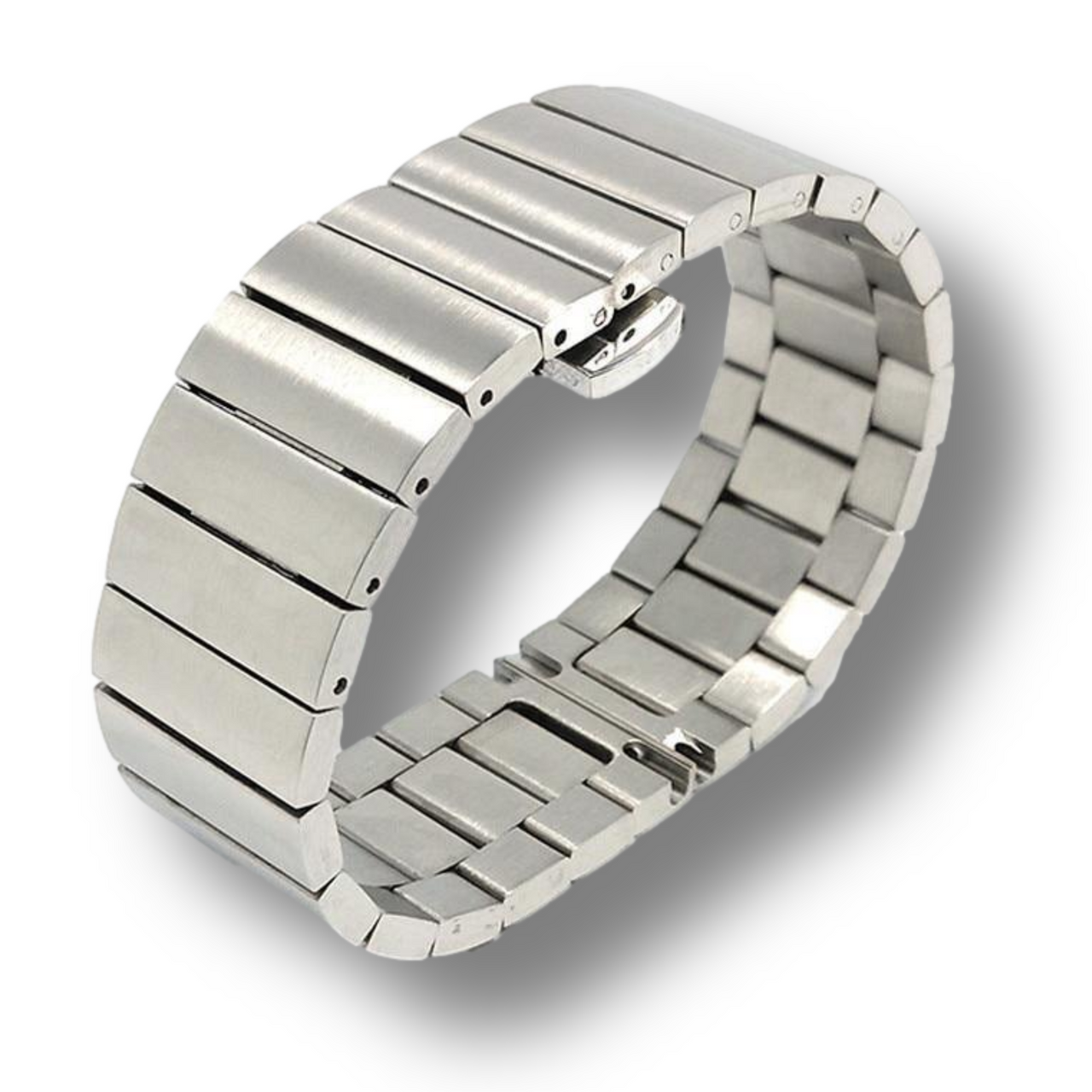
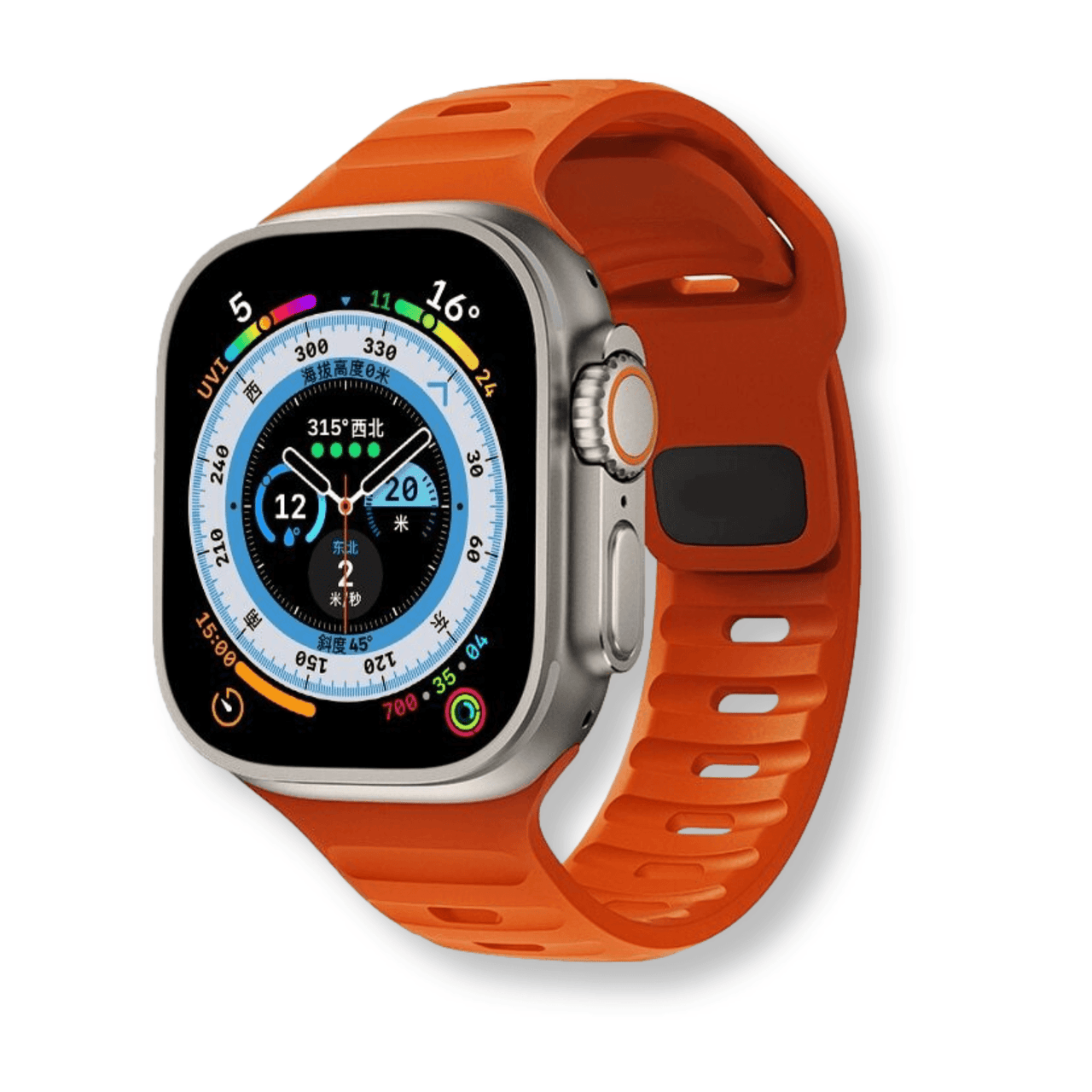
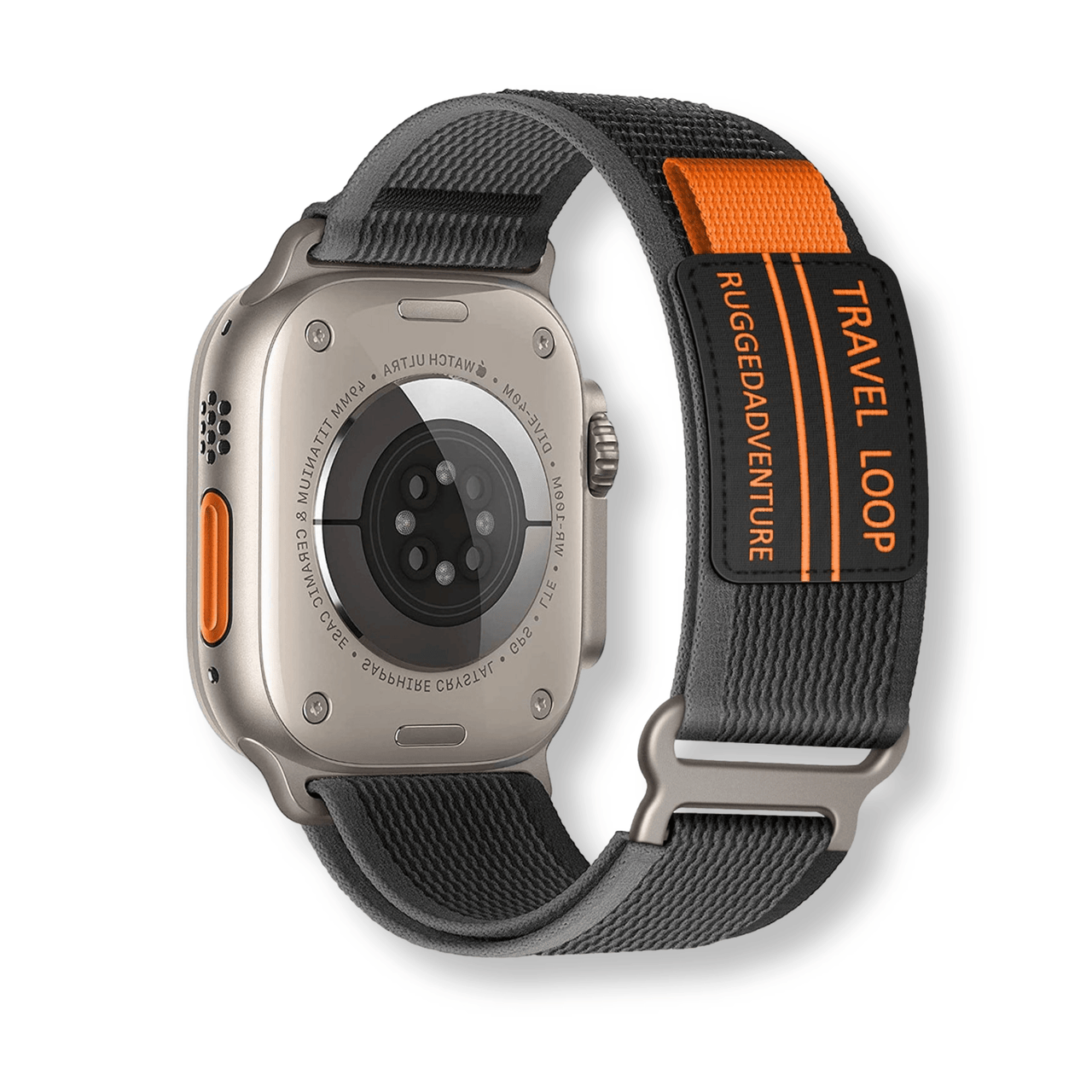
A magnetic stainless steel watchband combines a metal strap or mesh with a magnetic fastening. Its useful features are the design and the way it closes, not a proven therapeutic effect. Earlier claims in this article about magnets attracting iron in blood, promoting healing or relieving medical conditions were unsupported and have been removed.
Check the actual construction
Not every steel bracelet uses magnets, and not every magnetic band has removable links. Some mesh designs adjust by sliding the magnetic end; other bracelets require links to be removed. Check the specific product instructions before ordering tools or attempting adjustment.
Confirm the exact watch model, connector type, connector width and usable length. A matching color or advertised width does not guarantee a fit with proprietary attachments. Test the closure over a soft surface and make sure the loose end cannot easily catch on clothing.
Comfort and skin sensitivity
Steel is not guaranteed to be hypoallergenic. Ask for the actual material specification if you have a known metal sensitivity, and remember that clasps and coatings may differ from the strap itself. Stop wearing the band if it causes irritation. Mesh edges, trapped hair and a tight fit can also affect comfort; inspect the actual band rather than relying on a material label.
Care and water-use limits
Stainless steel is corrosion-resistant, not immune to damage. Coatings, magnets and fastening parts may have different care requirements. Follow the band's cleaning instructions and the watch's separate water-resistance guidance. A steel strap does not make the watch suitable for swimming, and a magnetic clasp is not automatically approved for water sports.
Remove dirt gently, avoid abrasive polishing unless the manufacturer permits it, and dry the band as directed. Inspect for sharp edges, damaged mesh, loose connectors or a closure that no longer holds securely. Replace or repair damaged parts before wearing the watch again.
No established medical benefit
NCCIH reports no conclusive evidence that static magnets are effective for any form of pain. An ordinary watchband clasp is not equivalent to a powered medical electromagnetic treatment. Do not choose one to treat arthritis, migraine, depression or circulation problems.
NCCIH also notes that magnets may interfere with pacemakers and insulin pumps. Follow your medical device manufacturer's advice and consult your healthcare professional if relevant. Consider a non-magnetic closure when magnets are unsuitable.
Choosing between closures
Compare magnetic, buckle and folding-clasp designs for ease of use and secure fastening in your intended activity. There is no universally best option. Base the purchase on verified compatibility, fit, finish and care requirements rather than health promises or claims that one material always outlasts every alternative.
Source
NCCIH: Magnets for Pain - What You Need To Know
📌 Complete Guide
For the full guide, see our Stainless Steel.