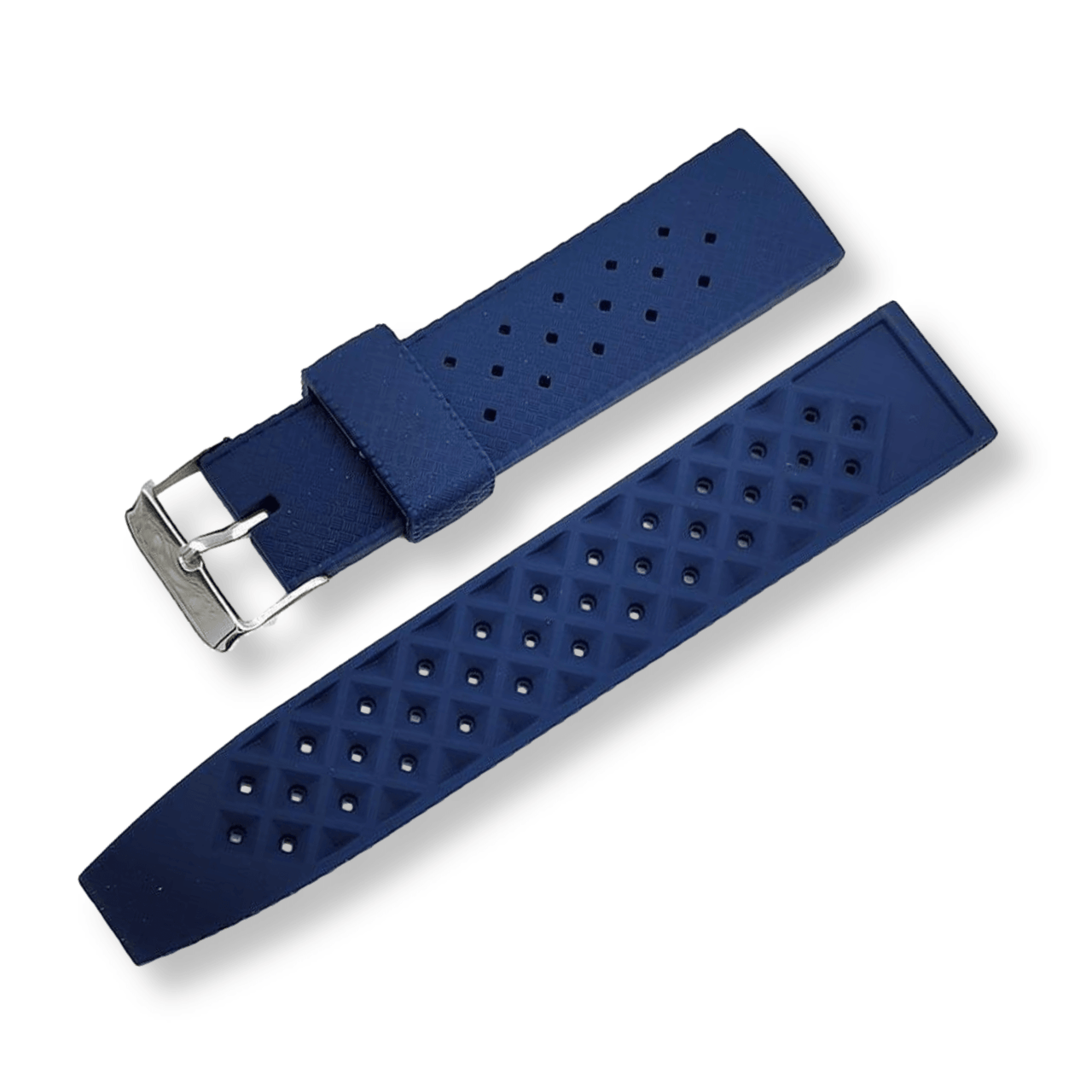
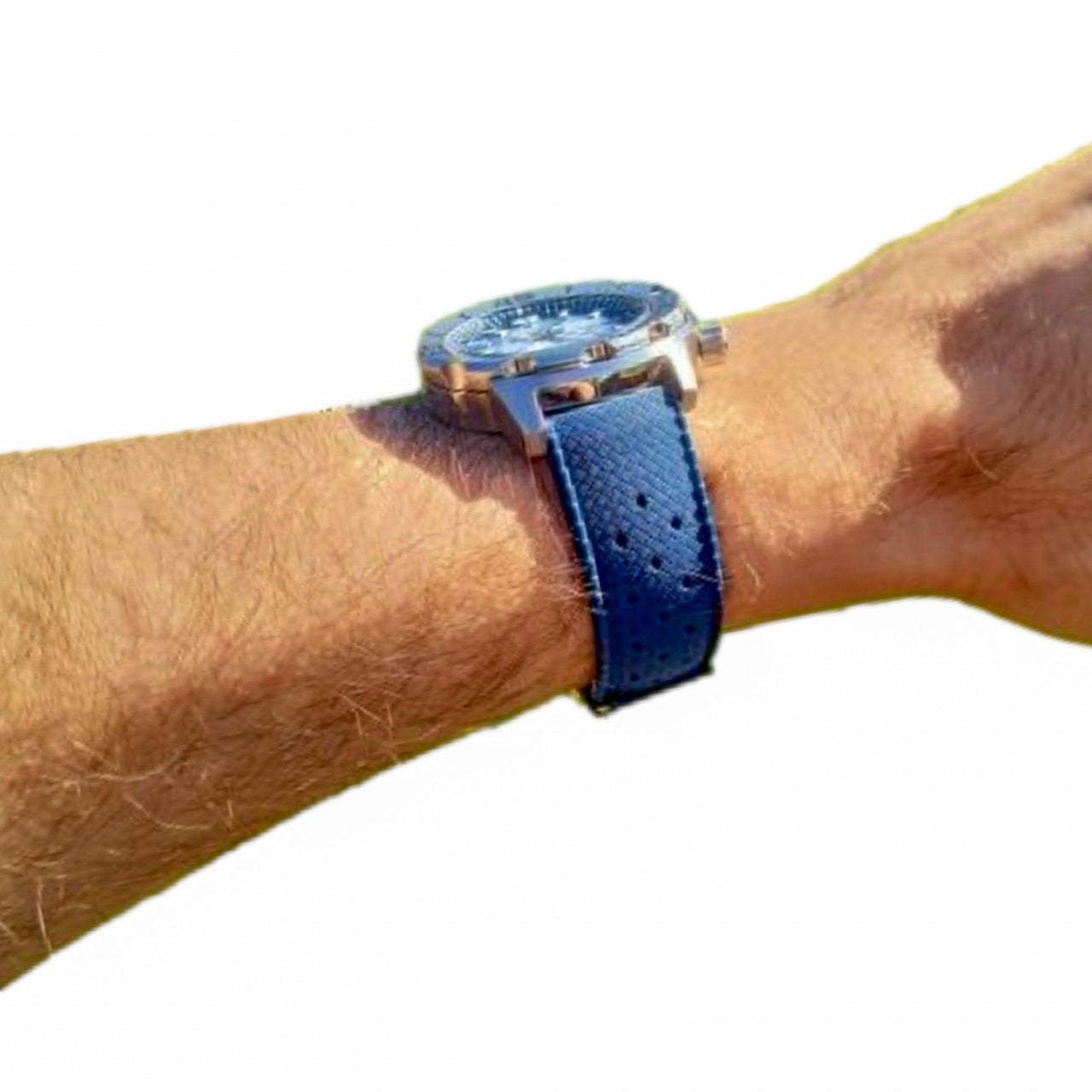
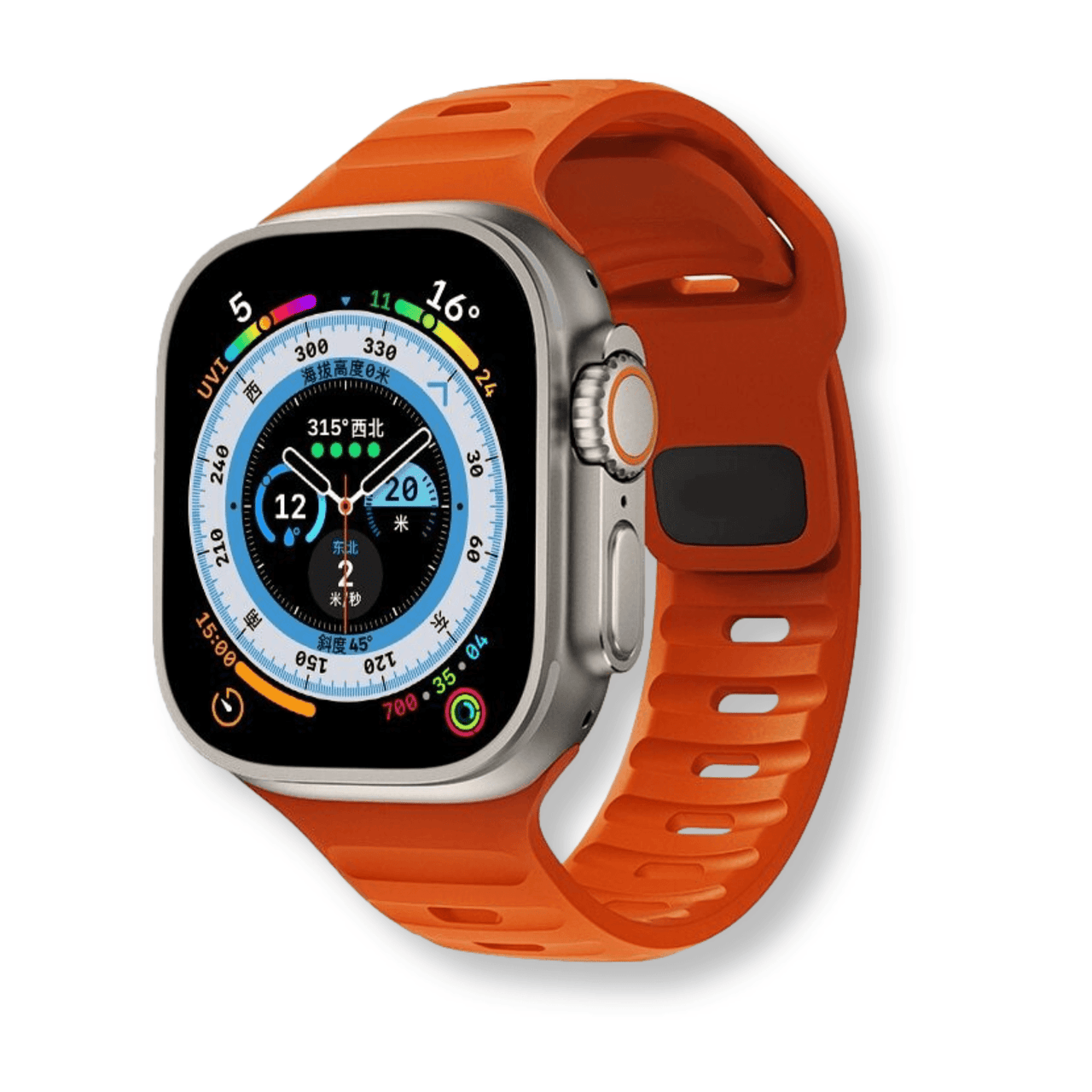
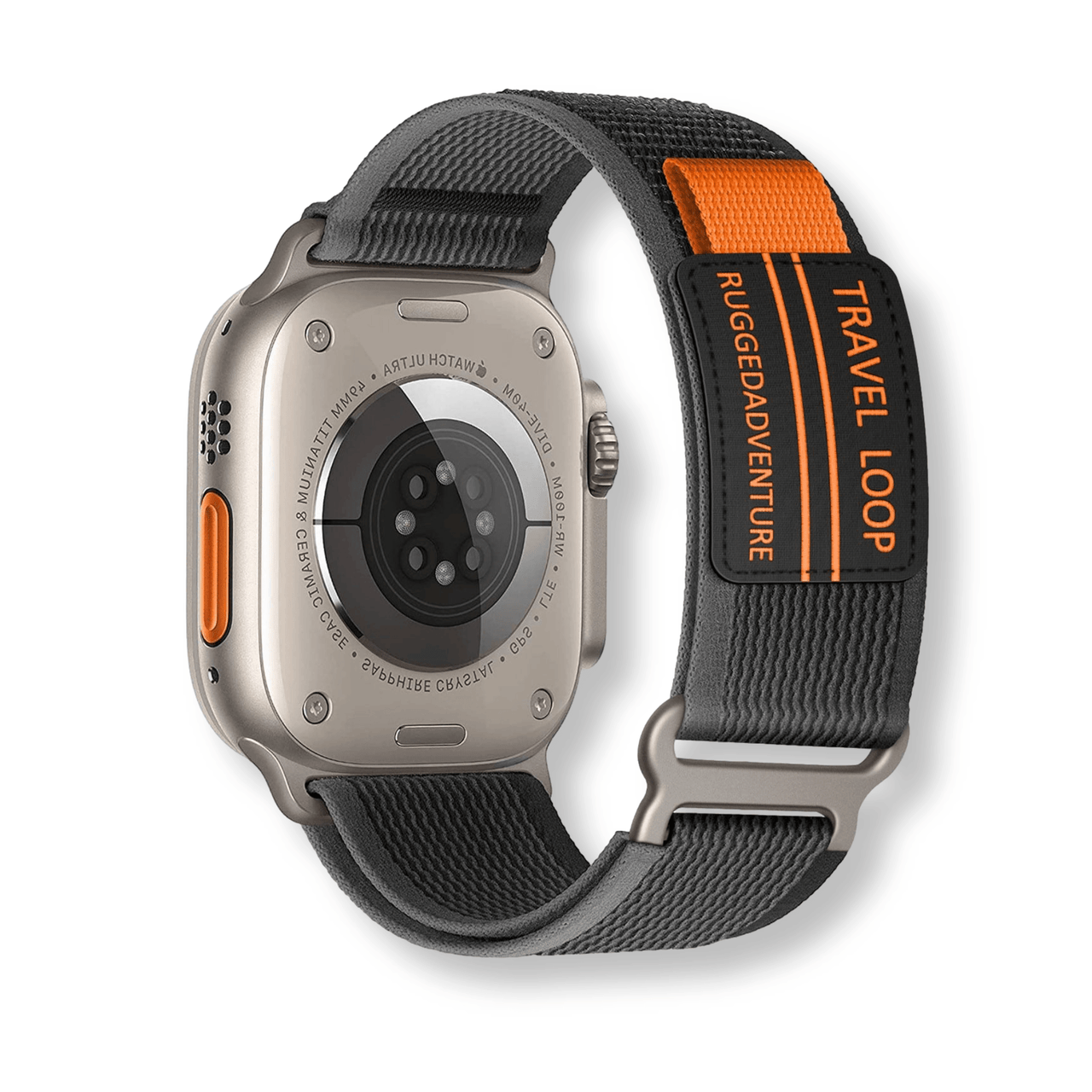
If you have ever looked down at your wrist only to find a red, itchy, or flaky patch of skin exactly where your watch sits, you are not alone. Whether you call it "Apple Watch rash," "Fitbit burn," or simply silicone watch strap irritation, this common condition affects thousands of watch enthusiasts and fitness trackers every day.
While silicone is prized for its durability, water resistance, and soft feel, it is not always the most skin-friendly material for everyone. At watchband.direct, we believe your timepiece should be a source of style and convenience, not discomfort. In this comprehensive guide, we will dive deep into why silicone watch straps cause rashes, how you can treat the irritation, and which materials you should switch to if your skin needs a break.
- Trapped Moisture: Sweat and water trapped under non-porous silicone are the leading causes of skin irritation.
- Dermatitis vs. Allergy: Most rashes are contact dermatitis caused by friction and soap residue, not a true silicone allergy.
- The Two-Finger Rule: Wear your strap loose enough to fit two fingers underneath to allow critical airflow.
- Routine Hygiene: Keep both your wrist and band clean and dry, especially after workouts or handwashing.
- Breathable Alternatives: If irritation persists, switch to premium FKM rubber, leather, or nylon NATO straps.

Table of Contents
- Why Silicone Watch Straps Cause Skin Irritation
- Who is Most at Risk for Watch Band Rashes?
- How to Prevent Silicone Watch Band Irritation
- Treating Your Skin and When to See a Doctor
- The Best Alternative Watch Band Materials
- How to Choose a Hypoallergenic Watch Band
- Frequently Asked Questions
Why Silicone Watch Straps Cause Skin Irritation
To solve the problem of a silicone watch strap causing a rash, we first have to understand the science behind it. Silicone is an "occlusive" material. This means it creates a seal against your skin that does not allow air to pass through. Unlike natural fibers or porous metals, silicone traps everything underneath it.
1. Trapped Moisture and Sweat
This is the leading cause of "watch rash." When you exercise or even go about your daily routine, your skin produces sweat. Because silicone is non-breathable, that sweat has nowhere to go. It sits on the surface of your skin, leading to maceration (softening and breaking down of the skin) and creating a breeding ground for bacteria and salt crystals from dried perspiration.
2. Irritant Contact Dermatitis
Most people assume they are allergic to silicone, but in reality, most suffer from Irritant Contact Dermatitis. This happens when the skin is repeatedly exposed to a mild irritant. In this case, the combination of friction, moisture, and perhaps soap residue trapped under the band wears down the skin’s protective outer layer.
3. Allergic Contact Dermatitis
While rare, some people do have a genuine allergy to silicone or, more likely, the processing agents used during manufacturing. Low-quality silicone straps may contain fillers, vulcanizing agents, or dyes that can trigger an immune response. This usually manifests as an intense, itchy red rash that appears shortly after putting the watch on.
4. Friction and Chafing
If your band is moving around constantly, it creates micro-abrasions on the skin. These tiny tears make it easier for bacteria and sweat to penetrate the skin barrier, leading to redness and stinging.

Who is Most at Risk for Watch Band Rashes?
While anyone can experience irritation, certain factors make you more susceptible to a silicone watch strap rash.
- Active Users and Athletes: If you use your watch to track workouts, the increased sweat production significantly raises the risk of irritation.
- People with Eczema or Psoriasis: If you already have a compromised skin barrier, the occlusive nature of silicone can trigger a flare-up.
- Sensitive Skin Types: Some individuals simply have thinner or more reactive skin that does not tolerate synthetic polymers well.
- Nickel Allergy Sufferers: Sometimes the rash isn't from the silicone itself, but from the metal buckle or "pin" (common in Apple Watch sport bands) that contains nickel.
How to Prevent Silicone Watch Band Irritation
You don't necessarily have to throw away your silicone watch bands. Often, a change in hygiene and wearing habits can eliminate the problem.
The "Two-Finger" Rule
Ensure your watch band is not too tight. You should be able to slide two fingers comfortably under the strap. This allows for a small amount of airflow and prevents the band from "locking" moisture against your skin.
Keep it Dry
After a workout, a swim, or even washing your hands, take your watch off and dry both your wrist and the strap thoroughly. Never put a wet silicone band back onto a wet wrist.
Regular Cleaning Routine
Build-up of soaps, lotions, and dead skin cells on the underside of the strap is a major irritant. Clean your strap at least once a week with warm water and a tiny drop of mild, fragrance-free soap. Ensure you rinse it completely, as dried soap residue is a frequent cause of chemical irritation.
Switch Wrists at Night
If you wear your watch for sleep tracking, try switching it to your non-dominant wrist at night. This gives your primary wrist 8 hours of "breathing time" to recover from the day's wear.
Treating Your Skin and When to See a Doctor
If you already have a rash, the first step is cessation. Stop wearing the watch until the skin has completely healed. Applying a watch over an existing rash will only lead to infection.
For mild irritation, a fragrance-free moisturizer or a thin layer of hydrocortisone cream (consult your pharmacist) can help soothe the redness. However, you should seek medical advice if:
- The rash begins to blister or ooze.
- The redness spreads far beyond the watch area.
- You develop a fever or the area feels hot to the touch (signs of infection).
- The irritation does not improve after a week of not wearing the watch.

The Best Alternative Watch Band Materials
If your skin simply won't tolerate silicone, it's time to explore the world of breathable, hypoallergenic alternatives. You can find many of these in our Watch Compendium of styles.
1. Leather Watch Bands
Leather is a natural, porous material. It breathes much better than silicone and conforms to the shape of your wrist over time. For those with sensitive skin, a high-quality leather watch band with a vegetable-tanned lining is often the perfect solution. Note: Avoid leather if you are frequently in the water.
2. NATO and Nylon Straps
Nylon is woven, meaning there are thousands of tiny gaps for air to circulate. NATO watch bands are particularly popular because they are incredibly durable, washable, and do not trap sweat like solid rubber does. You can simply toss them in a mesh laundry bag and wash them with your clothes.
3. FKM Rubber (The Premium Alternative)
Not all "rubber" is created equal. FKM (Fluoroelastomer) is a high-density rubber used in aerospace and industrial applications. It is much more resistant to chemicals, oils, and heat than standard silicone. Many users who react to cheap silicone find that high-quality FKM straps do not cause the same irritation because they don't absorb sweat or bacteria in the same way.
4. Stainless Steel Mesh (Milanese)
If you want the ultimate in breathability, a metal mesh band is unbeatable. The "loops" in the mesh allow total airflow to the skin. Look for 316L surgical-grade stainless steel to ensure the metal itself doesn't cause a reaction.
How to Choose a Hypoallergenic Watch Band
When shopping for a hypoallergenic watch band, keep these three criteria in mind:
- Porosity: Can air reach your skin? If not, the material needs to be cleaned very frequently.
- Chemical Purity: Look for "Medical Grade" silicone or "RoHS Certified" materials which ensure the absence of harmful lead or phthalates.
- Hardware Material: Ensure the buckle is made of stainless steel or titanium, especially if you have a nickel allergy.

Frequently Asked Questions
Can you be allergic to silicone watch bands?
Yes, though it is rare. Most reactions are actually irritant contact dermatitis caused by trapped sweat, soap, or bacteria. However, some people may react to the dyes or curing agents used in the manufacturing of cheaper silicone straps.
How do I get rid of a watch strap rash?
The most important step is to stop wearing the watch until the skin is fully healed. Keep the area clean and dry. You can use a mild over-the-counter hydrocortisone cream for itching, but consult a doctor if the rash persists or looks infected.
Why does my silicone watch band smell?
The smell is caused by the buildup of bacteria and dead skin cells. Because silicone is non-porous, these elements get trapped in the texture of the band. Regular cleaning with mild soap and water will eliminate the odor.
Is FKM rubber better than silicone for sensitive skin?
Generally, yes. FKM rubber is more stable and less prone to breaking down or absorbing oils and sweat. While it is still non-porous, its high-quality composition often makes it more tolerable for those who experience "silicone burn."
Does the Apple Watch "Sport Band" cause rashes?
The Apple Watch Sport Band is made of a proprietary fluoroelastomer. While high quality, it is still an occlusive material. Most "Apple Watch rashes" are caused by the band being worn too tightly during exercise or failing to dry the wrist after getting it wet.
Conclusion: Comfort is Key
A silicone watch strap causing a rash shouldn't keep you from wearing the watch you love. By understanding the balance between hygiene, fit, and material science, you can keep your skin healthy and your wrist looking great.
If you’ve tried the cleaning and fit tips and still find your skin is protesting, it’s time to upgrade your strap. Whether you prefer the classic look of leather or the rugged breathability of a NATO strap, we have the perfect solution for you.
Ready for a more comfortable wrist?
Explore our collections of skin-friendly alternatives today.
Shop Leather Bands Shop Premium SiliconeRelated reading: watch accessories collection | leather watch bands | NATO watch bands | Apple Watch bands | silicone watch bands
📌 Complete Guide
For the full guide, see our Silicone.
📌 Complete Guide
For the full guide, see our Silicone.
📌 Complete Guide
For the full guide, see our Silicone.
📌 Complete Guide
For the full guide, see our Silicone.