Key Takeaways:
- Moisture Trap: Sweat trapped between silicone and skin is the #1 cause of irritation.
- Chemical Sensitivities: Additives in synthetic rubber can trigger contact dermatitis.
- Fit Matters: Wearing a band too tightly increases friction and damages the skin barrier.
- Hygiene is Crucial: Regular cleaning prevents bacterial buildup that worsens rashes.
- Breathable Alternatives: Switching to leather or NATO straps often solves the problem immediately.
Silicone watch bands have become the standard for active individuals and smartwatch users. Their durability, water resistance, and soft feel make them a go-to choice for the gym and daily wear. However, despite their popularity, a growing number of users are experiencing an uncomfortable downside: skin irritation.
Often called "watch rash," this irritation can range from mild redness to itchy, painful blisters. While silicone is generally considered safe, the way it interacts with sweat, bacteria, and friction can wreak havoc on sensitive skin. If you are experiencing discomfort, you aren't alone—and there are simple ways to fix it.
Why Are Silicone Bands So Popular?
Silicone is a synthetic polymer known as polydimethylsiloxane (PDMS). It is prized for being heat-resistant, flexible, and chemically stable. These properties make it excellent for kitchenware, medical devices, and, of course, watch straps.
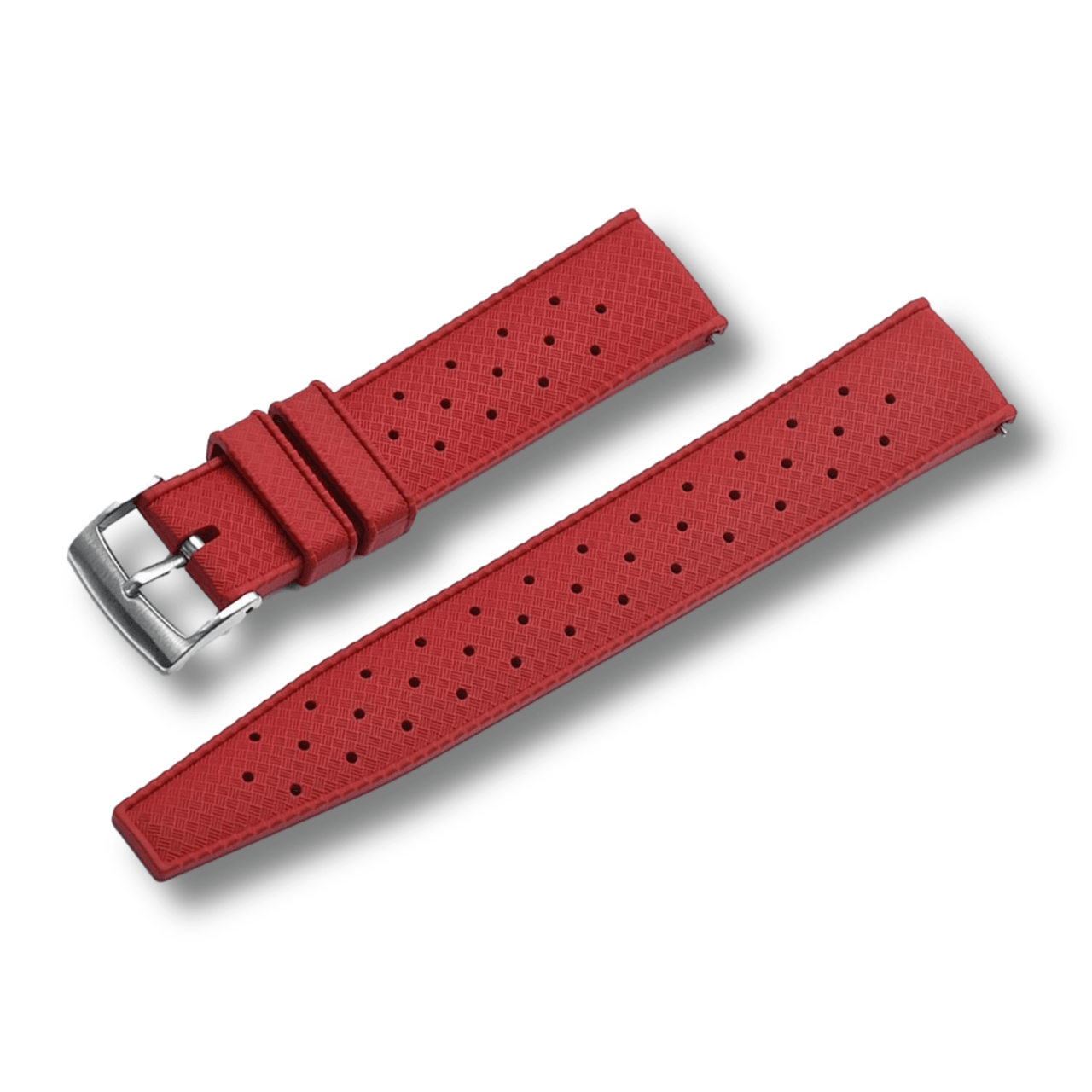
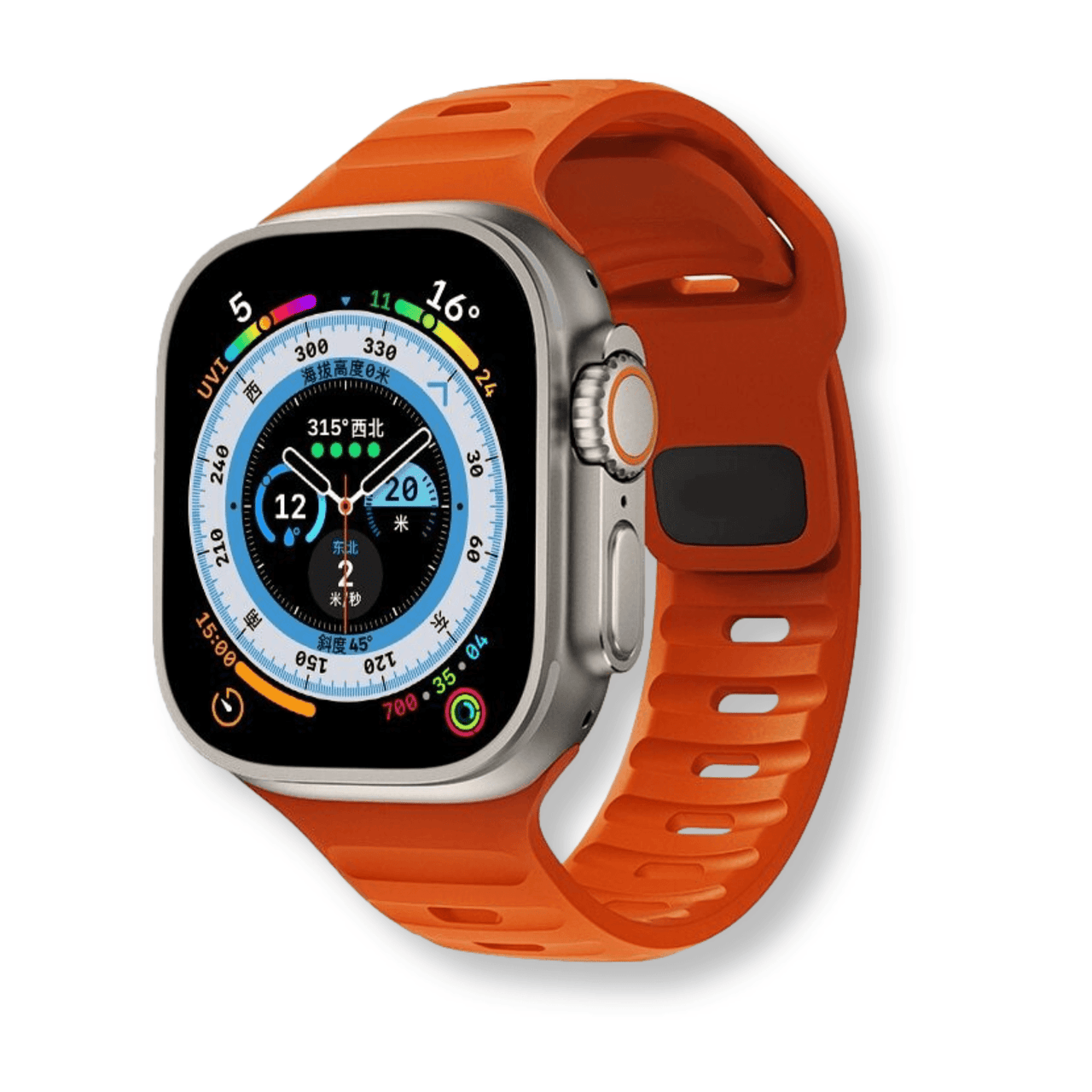
For owners of smartwatches, particularly Apple Watch bands, silicone is often the default choice. It handles swim workouts and intense cardio without absorbing sweat like leather or fabric. However, the very feature that makes silicone great—its impermeability—is also its main drawback when it comes to skin health.
The Root Causes of Watch Band Rash
1. The Moisture Trap (Sweat and Bacteria)
The most common culprit isn't an allergy to silicone itself, but rather what gets trapped underneath it. Silicone is not breathable. When you sweat, that moisture has nowhere to go.
Prolonged exposure to trapped sweat creates a warm, damp environment where bacteria and yeast can thrive. This can lead to:
- Maceration: The skin becomes soft, white, and prone to breaking (similar to "prune fingers" after a bath).
- Heat Rash: Sweat ducts become blocked, causing stinging red bumps.
- Bacterial Infection: If the skin barrier is broken, bacteria can cause folliculitis or painful inflammation.
2. Contact Dermatitis and Allergies
While pure silicone is hypoallergenic, many watch bands are not 100% pure. Manufacturers often use additives, fillers, and dyes to achieve specific colors or textures.
Contact Dermatitis occurs when the skin reacts to these specific chemicals. Symptoms often include:
- Intense itching
- Red, defined rash exactly where the band sits
- Dry, flaky skin
Additionally, while rare, some individuals with latex allergies may experience cross-reactivity with certain rubber-like additives found in cheaper silicone blends.
3. Friction and Tightness
A watch band that is worn too tightly creates constant friction. This physical rubbing strips away the outer layer of the skin (the stratum corneum), compromising its protective barrier. Once this barrier is damaged, the skin becomes hypersensitive to sweat and soap residue, leading to a cycle of irritation.
How to Prevent and Treat Silicone Rashes
Keep It Clean and Dry
Hygiene is your first line of defense. Soap residue, dead skin cells, and dried sweat can build up on the underside of the band.
- Daily Cleaning: Rinse your band with water after workouts.
- Deep Cleaning: Occasionally use a mild, soap-free cleanser to wash the band.
- Dry Thoroughly: Never put a wet silicone band back on a wet wrist. Ensure both your skin and the band are completely dry.
Give Your Wrist a Break
Dermatologists recommend the "breathing" technique. Loosen your watch strap by one notch during non-activity hours to allow air circulation. Furthermore, try rotating your watch to the other wrist while sleeping to give your skin 8 hours of recovery time.
Treating Active Irritation
If you already have a rash:
- Stop wearing the watch immediately until the skin heals.
- Clean the area gently with a hypoallergenic cleanser.
- Apply hydrocortisone cream (1%) to reduce inflammation and itching.
- Consult a dermatologist if the rash blisters, oozes, or doesn't improve after a few days.
The Best Solution: Switch Your Strap
If you suffer from chronic irritation, the most effective solution is to switch materials. You don't have to abandon your watch; you just need a band that breathes.
Leather Watch Bands
For daily wear, office environments, or casual outings, leather watch bands are superior for skin health. Leather is a natural material that is porous, allowing your skin to breathe and reducing sweat accumulation.
Nylon and NATO Straps
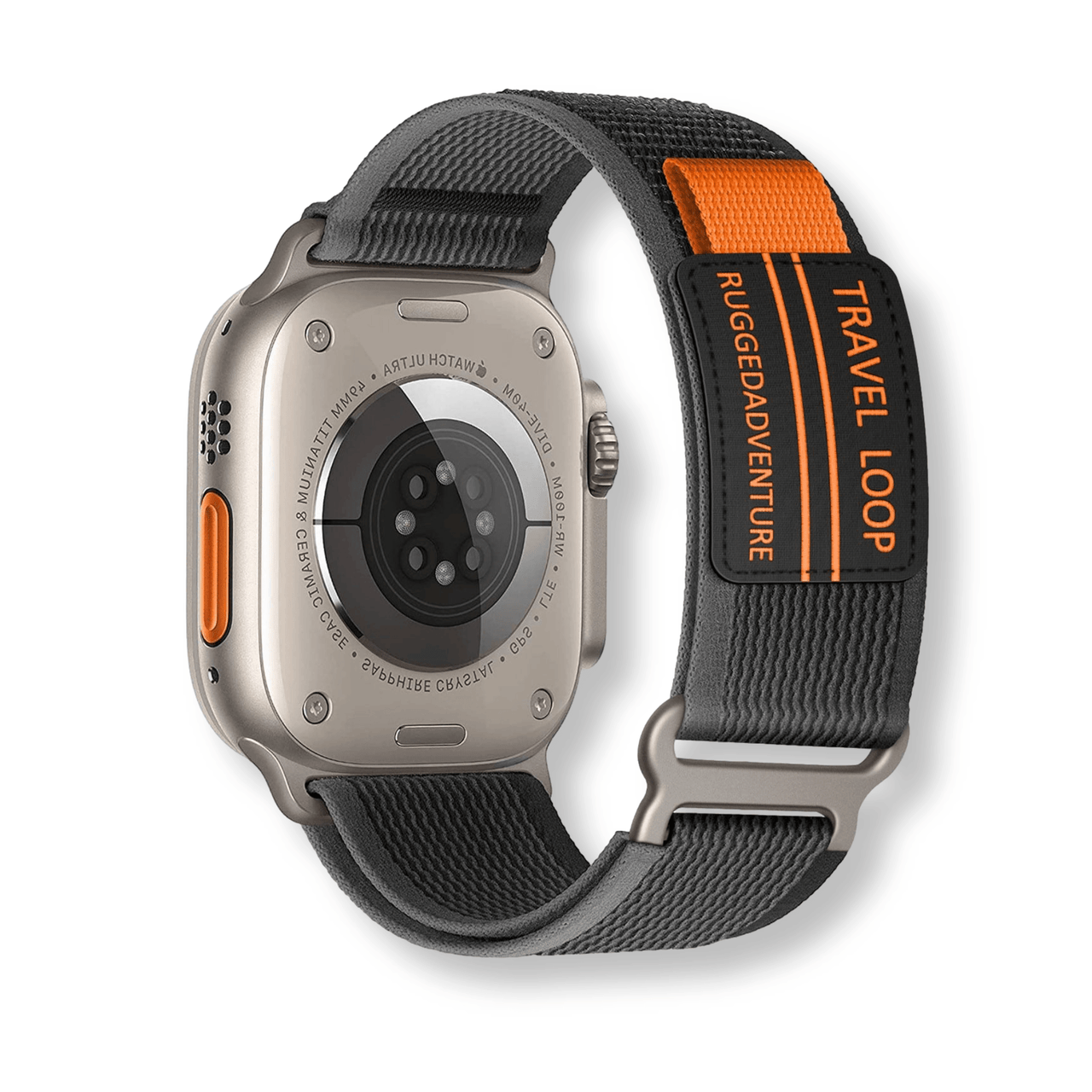
If you need something durable for active wear but hate the sweat trap of silicone, consider NATO watch bands. These are made from woven nylon which is lightweight, highly breathable, and easy to wash. They wick moisture away from the skin rather than trapping it.
How to Change Your Band
Swapping out a strap is easier than most people think. For most traditional watches, a simple watch spring bar remover is all you need to pop off the irritating silicone band and install a breathable alternative. This small investment can save you weeks of skin discomfort.
Conclusion
Silicone watch bands are practical, but they aren't for everyone. The combination of trapped moisture, chemical additives, and friction makes them a common source of contact dermatitis. By practicing better hygiene, loosening your fit, or switching to breathable materials like leather or nylon, you can enjoy your timepiece without the itch.
For more tips on watch care, sizing, and materials, check out our Watch Compendium for expert guides and advice.