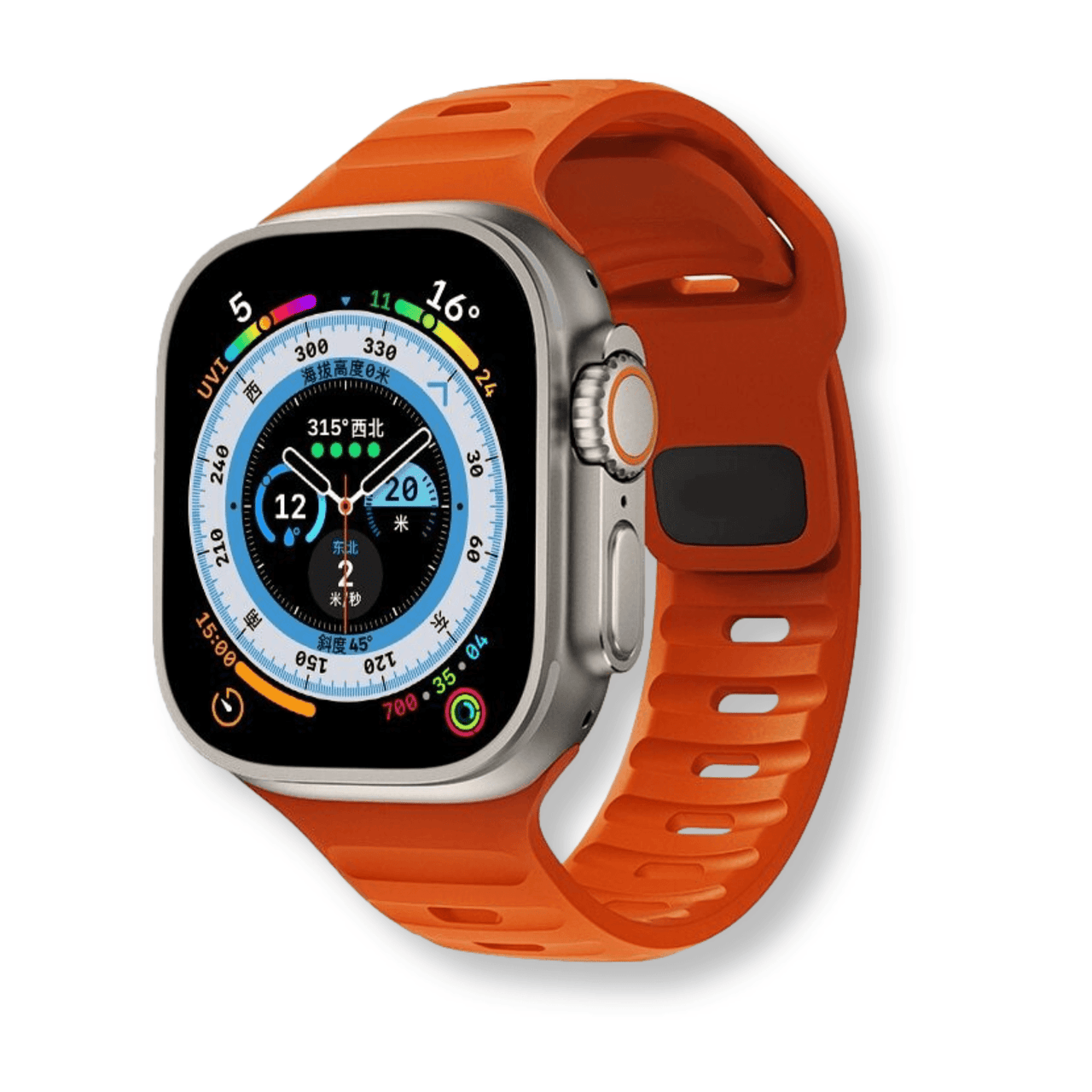
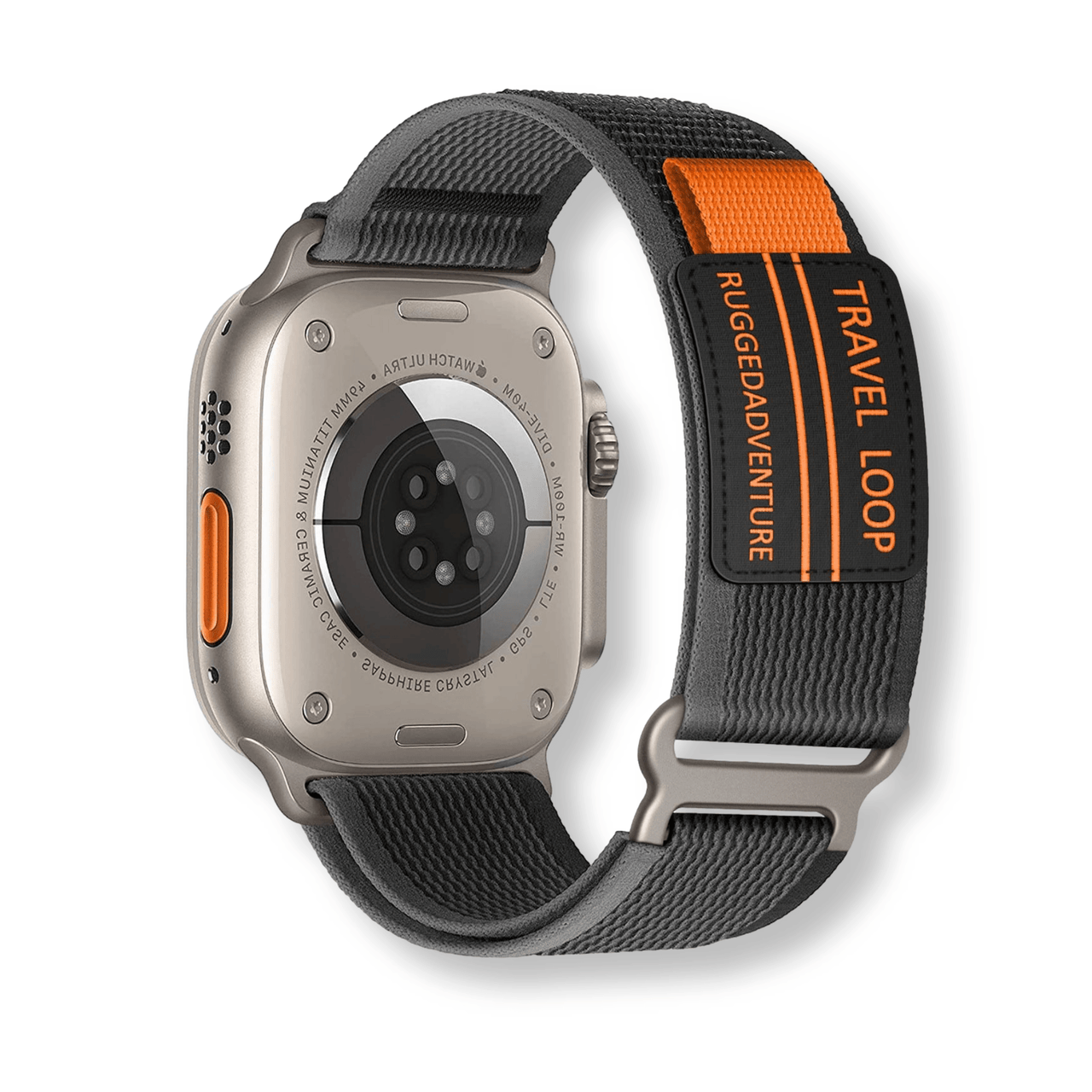
Your sports device deserves more than just functionality—it should reflect your personality. With over 10 million athletes relying on premium fitness trackers globally, customization has become a key part of enhancing performance and style. Thomas, founder of watchband.direct, emphasizes that selecting the right accessory transforms how you interact with your gear during workouts or daily wear.
Modern fitness enthusiasts prioritize comfort and adaptability. High-quality straps ensure your device stays secure during runs, swims, or cycling sessions while matching your aesthetic preferences. Materials like silicone, nylon, and leather offer distinct advantages, whether you need sweat resistance or a polished look for professional settings.
Understanding sizing is critical. Devices vary in attachment mechanisms, such as QuickFit systems or traditional lugs, which influence how replacements fit. For example, this detailed guide explains how model-specific designs ensure seamless integration without compromising durability.
Premium options balance practicality with individuality. They allow you to switch between vibrant colors for gym sessions and minimalist tones for office meetings. This flexibility turns a basic tracker into an extension of your lifestyle—proving that the right choice isn’t just about utility, but self-expression.
Key Takeaways
- Proper sizing ensures secure fit and device functionality during activities
- Material choice impacts durability, comfort, and style versatility
- Attachment mechanisms vary by model, requiring precise compatibility checks
- Third-party straps often provide cost-effective alternatives to official accessories
- Personalization elevates both performance and aesthetic appeal
Introduction: My Story and Watchband.direct Promise
What began as a fascination with precision engineering evolved into a mission to redefine how people connect with their accessories. As someone who spent years repairing vintage timepieces, I noticed a gap: high-quality straps were either unaffordable or lacked personality. That realization sparked watchband.direct.
A Personal Note from Thomas
Every strap we create carries my obsession with craftsmanship. During my apprenticeship in Munich, I learned that durability and design aren’t mutually exclusive. Whether you’re marathon training or attending meetings, your accessory should adapt without compromising comfort. That’s why we test every material—from breathable nylon to supple leather—against real-world conditions.
Why I Started watchband.direct
The industry often prioritizes mass production over individuality. I built this company to offer curated choices that mean something. Our Europe-based team handles each inquiry personally because your style journey deserves attention. Fast shipping? That’s just the start. We’re here to help you find pieces that feel uniquely yours, whether you prefer vibrant silicone for workouts or brushed steel for evenings out.
One lesson from my grandfather’s workshop stays with me: “Tools should serve people, not the other way around.” That philosophy drives every decision—from material sourcing to responsive customer care. Because when your gear aligns with your life, every moment becomes an opportunity to shine.
Understanding Garmin Watch Bands
Premium materials and smart design define today’s top-performing fitness accessories. The right choice combines durability with personal flair, adapting to both workouts and social settings. Let’s explore what makes these straps stand out.
Essential Features and Types
Two dominant designs dominate the market: classic buckle systems and seamless loop styles. Buckle versions offer adjustable security for runners and cyclists, while loop options provide slip-free comfort during yoga or swimming. Many modern options integrate QuickFit technology, enabling instant swaps between silicone for gym sessions and polished metal for dinners.
Materials and Style Options
Breathable nylon resists sweat during marathons, while supple leather adds sophistication to business attire. Stainless steel links create a sleek look without sacrificing sturdiness. For aquatic activities, silicone’s waterproof properties prevent irritation. As Thomas from watchband.direct notes: “The best materials work harder so you don’t have to.”
Key considerations when selecting:
- Activity-specific performance (sweat resistance, flexibility)
- Clasp mechanisms that match your device’s attachment points
- Color coordination with your wardrobe
Garmin watch band compatibility guide: Sizing and Fit

A precise fit transforms your experience—too tight restricts movement, too loose compromises sensor accuracy. Four width categories (18mm, 20mm, 22mm, 26mm) correspond to specific devices. For example, 26mm suits larger models like Fenix 7X, while 18mm works with compact designs such as Venu 2S 40mm.
Determining Your Watch Band Size
Check your device’s manual or search “[model name] + band size” online. Alternatively, measure your wrist: 183-221mm (7.2-8.7 inches) ensures comfort during marathons or desk work. Pro tip: Use a flexible tape measure or string marked against a ruler for accuracy.
Quick Tips for a Secure Fit
Match materials to activities—silicone grips better during workouts, while leather adapts to temperature changes. Ensure straps sit snugly without leaving indentations. As one fitness tech specialist notes: “Biometric sensors require consistent contact, making proper sizing non-negotiable.”
Choosing the Right Material for Every Occasion
The perfect accessory adapts to your day—whether you’re sprinting trails or presenting quarterly reports. Materials determine not just durability but how your gear complements your rhythm of life.

Silicone and Nylon for Active Lifestyles
Silicone straps dominate high-intensity scenarios. Their waterproof surface shrugs off pool chlorine and gym sweat while remaining gentle on skin. Though less breathable, their grippy texture stays put during burpees or cycling sprints. Pair vibrant colors with workout gear for motivational flair.
Nylon weaves excel in endurance sports. Lightweight and ventilated, they prevent chafing during marathon training or hiking trips. Adjustable closures let you fine-tune snugness as wrists swell during exertion. Just rinse and dry them promptly after muddy adventures.
Premium Leather and Metal for Style & Business
Full-grain leather elevates professional attire with its polished patina. These pieces mold to your wrist over time, offering unmatched comfort during long meetings. Avoid moisture exposure—a quick wipe preserves their sophisticated charm.
Brushed stainless steel links make bold statements at evening events. Their weight conveys permanence, while interlocking designs ensure security. “Metal isn’t just jewelry—it’s armor for your ambitions,” notes a luxury accessories designer. Pair metallic tones with neutral outfits for boardroom-ready impact.
How to Replace Your Garmin Watch Strap: Step-by-Step
Switching accessories shouldn’t feel like solving a puzzle. Modern designs simplify personalization, letting you refresh your look in minutes. Whether upgrading for style or function, knowing your device’s attachment system ensures smooth transitions between straps.
Using QuickFit and Quick Release Systems
QuickFit bands feature built-in latches that snap into place without tools. Turn your device face down on a soft cloth, press the release tab, and slide the strap sideways. For Quick Release models, locate the small lever near the lugs. Slide it inward to retract the pin, then lift the strap away gently.
Traditional Strap Replacement with Tools
Older models may require a spring bar tool. Align the new strap’s holes with the device’s lugs, then compress the spring pins until they click. Avoid forcing connections—misaligned pins can damage attachment points. Always perform a tug test to confirm security.
For detailed instructions, explore this step-by-step visual guide. Remember: matching your strap’s width to the original band size guarantees seamless integration. When done right, your accessory becomes an effortless extension of your daily rhythm.
FAQ
How do I know if a replacement strap fits my device?
Check your model’s compatibility by matching its lug width (e.g., 20mm, 22mm) to the strap specifications. Most modern devices use QuickFit systems, which simplify swaps without tools.
Can I use silicone bands for formal occasions?
Silicone excels in workouts and outdoor activities, but opt for premium leather or brushed metal straps to elevate your style during meetings or events. Many brands offer sleek designs tailored for professional settings.
What’s the advantage of QuickFit straps?
A: QuickFit straps feature a no-tool release mechanism, letting you switch styles in seconds. They’re ideal for users who want versatility—like swapping a rugged nylon band for training and a polished metal option for evenings.
How do I clean nylon sport bands?
Hand-wash with mild soap and water, then air-dry. Avoid harsh chemicals, as they can degrade the material’s durability. For super rugged QuickFit bands, a soft brush helps remove dirt from textured surfaces.
Are third-party straps safe for my device?
Reputable brands design straps to meet Garmin’s specifications. Ensure the product lists your exact model and uses secure attachment mechanisms. For active lifestyles, prioritize straps with reinforced lugs for added stability.
Can I mix strap types with my device?
Yes! Pair a silicone loop for runs and a stitched leather strap for work. Just confirm the lug width matches and the attachment style (e.g., QuickFit, traditional spring bars) aligns with your device’s design.
Do metal bands interfere with heart rate tracking?
Properly fitted metal straps won’t disrupt sensors. Ensure the band sits snugly but comfortably above your wrist bone. For optimal accuracy during heart rate tracking, consider switching to a flexible silicone band for intense workouts.
Related Reading
- Rolex Watch Band Compatibility Guide | Expert Advice
- Your Fitbit Versa 4 Band Compatibility Guide
- Ulysse Nardin Watch Band Compatibility Guide | watchband.direct
- The Ultimate Apple Watch Sport Band Guide | WatchBand.Direct
Related Garmin Guides
Shop our full range: Garmin Watch Bands — including Fenix, Forerunner, and Vivoactive & Venu models.
Related Guide: Garmin Watch Bands: Complete Compatibility & Size Guide (2026)
📌 Complete Guide
For the full guide, see our Garmin.
📌 Complete Guide
For the full guide, see our Garmin.
📌 Complete Guide
For the full guide, see our Garmin.
📌 Complete Guide
For the full guide, see our Garmin.
📌 Complete Guide
For the full guide, see our Garmin.