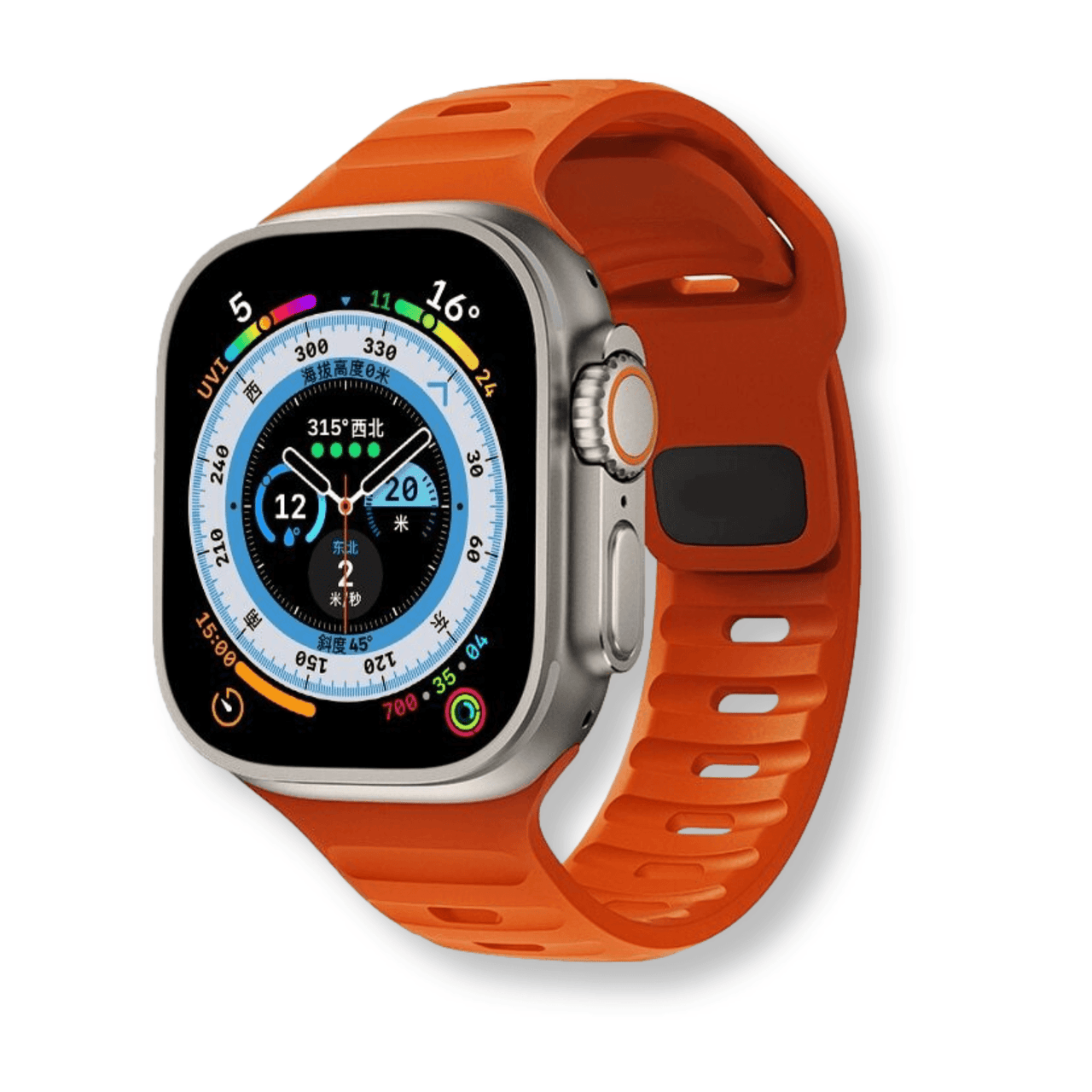
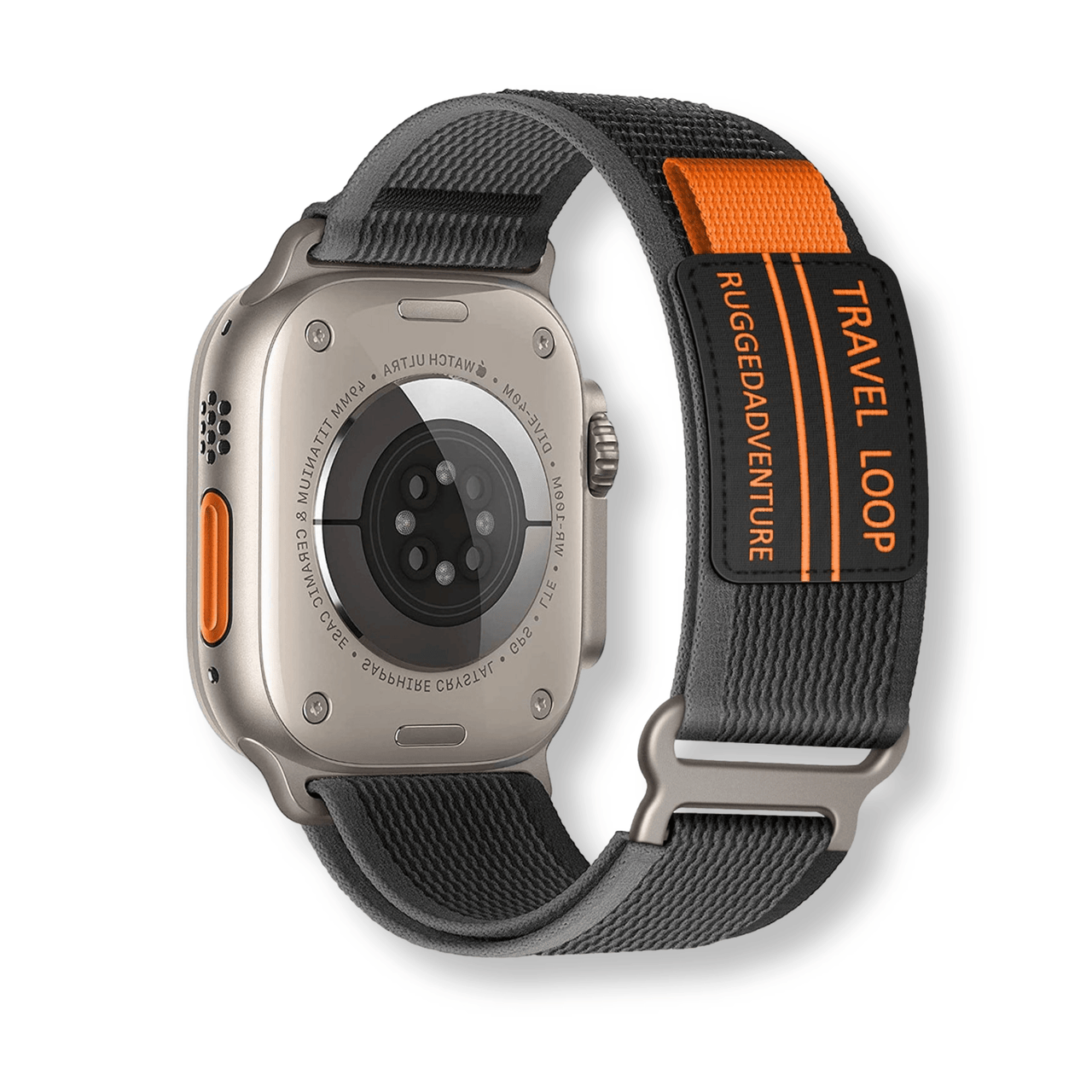
A leather watchband should suit the watch's attachment, your wrist and the conditions in which you will wear it. Color and texture matter, but they cannot compensate for the wrong connector or a damaged strap. Use this guide to compare construction, check sizing and set a care routine based on the actual product.
Start with compatibility
Identify the complete watch reference. For a conventional two-piece strap, verify the internal distance between the lugs, attachment design, clearance and required strap thickness. A matching width is necessary for many conventional attachments, but not sufficient for shaped ends, integrated systems or proprietary connectors. An Apple Watch adapter, for example, is a separate compatibility requirement rather than a traditional lug-width choice.
Check strap length as well as width. Compare the manufacturer's sizing method with your wrist measurement and the size of the watch head. If reusing a buckle or folding clasp, confirm the buckle-end width, thickness and fastening arrangement. Do not assume these match the case-end width.
Read the construction description
Ask what the outer layer, lining, padding and reinforcement contain. Labels such as full-grain, top-grain or genuine leather do not tell you everything about workmanship, finish or comfort. An embossed animal pattern is not proof of the animal source, and an expensive-looking surface is not evidence of durability. Inspect stitching, finished edges, attachment holes and the underside.
A padded strap can change how the watch sits and how easily it fits under a cuff. A thinner strap may suit a smaller case, but the attachment must still meet the watch's requirements. Choose the design by its actual dimensions and construction rather than a universal hierarchy of leather grades.
Style without rigid rules
Compare strap color with the dial, case and clothing you normally wear. Smooth, understated finishes and strongly textured designs create different effects; neither is inherently better. Matching your belt or shoes is an option, not a compatibility requirement. Photos taken in ordinary light are useful when a precise shade matters.
For an older watch, distinguish an original period component from a new vintage-style replacement. Preserve provenance records and avoid using a fragile original merely to maintain a matching appearance. A collector's preference and an everyday wearer's needs may differ.
Water and perspiration
Do not assume leather is suitable for swimming because the watch is water-resistant. Chopard advises against immersing leather straps and recommends rubber or steel for frequent or prolonged water use. Apple's guidance likewise excludes soaking its leather bands. These are manufacturer examples, not proof that all rubber or metal alternatives suit every watch or activity.
A treated surface or moisture-resistant lining is not a blanket waterproof guarantee. Check the exact strap's written limits. If your routine regularly exposes a band to water or heavy perspiration, compare an explicitly suitable alternative while also observing the watch's own limitations.
Clean according to the finish
Follow the strap maker's instructions first. As an example, Apple specifies a nonabrasive cloth for its leather bands, lightly dampened with fresh water if needed, followed by thorough air drying; its instructions do not automatically apply to other brands. Avoid prescribing soap, conditioner, baking soda, alcohol or oils to an unknown leather finish.
Do not accelerate drying with heat or direct sunlight. Inspect the lining and attachment areas during cleaning. If odor or irritation persists, stop wearing the band and seek appropriate product or healthcare advice rather than repeatedly applying stronger cleaning chemicals.
Replacement and fitting
A conventional accessible shouldered spring bar may be changed with the appropriate tool and technique, but that is not a universal procedure. Integrated ends, screws and proprietary systems require their own instructions. Use professional help when the fastening is unclear. Do not use a kitchen knife or force a mismatched part.
After fitting, check both attachments and the closure over a protected surface. The strap should sit comfortably without visible strain. Replace it when attachment holes tear, stitching fails, layers separate or the closure becomes unreliable. A fixed lifespan such as one or three years cannot be guaranteed from the material label alone.
Purchase checklist
- Exact watch reference and documented connector fit.
- Case-end and buckle-end dimensions, usable length and thickness.
- Clear construction and material description.
- Care instructions compatible with your daily use.
- Written seller terms and a plan for installation.
Related guides
- Changing a conventional leather strap
- Padding and comfort
- Original versus vintage-style straps
- Stainless steel alternatives
- NATO-style alternatives
Sources
- Chopard: leather strap care
- Apple: cleaning instructions, limited to Apple-branded bands
- Crown & Buckle: conventional strap installation
📌 Complete Guide
For the full guide, see our Leather.