Key Takeaways
- A structured two-strap setup separates formal workday wear from physical activity, prolonging the condition of your accessories.
- Moisture from workouts must evaporate naturally at room temperature; avoid radiators, hair dryers, talc, or harsh cleaning chemicals.
- Regular prewear inspections of spring bars, buckle tangs, and strap holes help prevent sudden hardware failures and dropped watches.
- Never force, bend, file, or alter hardware during a swap; if components fail to seat smoothly, stop and consult a qualified watchmaker.
- Straps awaiting their next turn should rest flat or on a contoured insert in a dry, well-ventilated space out of direct sunlight.
Table of Contents
- The Strategy Behind a Two Watch Strap Rotation
- Preparing for the Swap: Tools and Setup
- Post-Exercise Care: Rinsing, Blotting, and Drying
- Office Straps: Moisture Management and Rest Periods
- Safe Storage Methods Between Shifts and Workouts
- Prewear Safety Inspection: Catching Hardware Fatigue
- Troubleshooting Common Fit and Lug Complications
- Frequently Asked Questions
The Strategy Behind a Two Watch Strap Rotation
Maintaining a dedicated two watch strap rotation is one of the most practical habits a watch owner can build. Wearing a single watch throughout the week often means exposing sensitive materials to sweat during intense workouts, or wearing a damp, informal band into a professional business meeting. By assigning one dedicated strap for office hours and another for training sessions, you can tailor your watch to distinct environments while protecting each component from unnecessary strain.
Workday straps are frequently chosen for tailored aesthetics and structured silhouettes. Many enthusiasts rely on pieces from curated selections of leather watch bands and straps to pair with tailoring or business casual attire. These materials handle normal daytime wear well, but prolonged exposure to sweat during cardiovascular training or weightlifting can saturate fibers, weaken stitching, and cause premature stiffening. Conversely, workout bands are designed around resilience and water resistance, yet they may look out of place in formal business settings.
Adopting an alternating routine does not require an extensive collection or complicated procedures. It simply requires understanding how each material responds to daily moisture, temperature shifts, and physical friction. Rather than subjecting one strap to conflicting demands around the clock, you establish a predictable cycle: one strap rests, dries, and decompresses while the other takes on the day. This simple discipline keeps hardware cleaner and ensures your timepieces remain secure on the wrist.

Preparing for the Swap: Tools and Setup
Executing a safe swap between your workday and athletic configurations begins with an organized work area. Swapping bands over hard bathroom counters or tile floors invites cosmetic damage if a case slips from your fingers. Prepare a flat, stable surface covered with a micro-suede work pad, clean towel, or padded jeweler mat. This soft surface catches loose spring bars and cushions the watch crystal during handling.
Not every band relies on toolless quick-release pins, and spring bar specifications vary widely across brands. When dealing with standard spring bars, having the correct instrument is critical to avoid slipping and gouging the watch lugs. Using a dedicated watch spring bar remover allows you to engage the shoulder of the spring bar precisely, depressing the internal spring without gouging the underside of the casing.
If you regularly transition between different lug widths, bracelets, and strap styles, keeping an organized watch repair tool kit nearby ensures you have the correct tip sizes and tweezers readily available. Never attempt to remove spring bars with kitchen knives, razor blades, paper clips, or unsuited screwdrivers. Improvised tools slip easily, potentially damaging watch lugs, punching through strap channels, or causing hand injuries. If a spring bar feels immovable or seized inside the lug hole, stop immediately and seek assistance from a professional watchmaker rather than applying excessive leverage.
Post-Exercise Care: Rinsing, Blotting, and Drying
Immediately after a workout, your sports strap carries a mixture of sweat, skin oils, and ambient dust. Allowing these residues to dry into the crevices of the material can degrade flexibility over time and lead to persistent buildup along the buckle and keeper loops. The post-exercise routine should begin as soon as you finish your cool-down, before sweat evaporates completely.
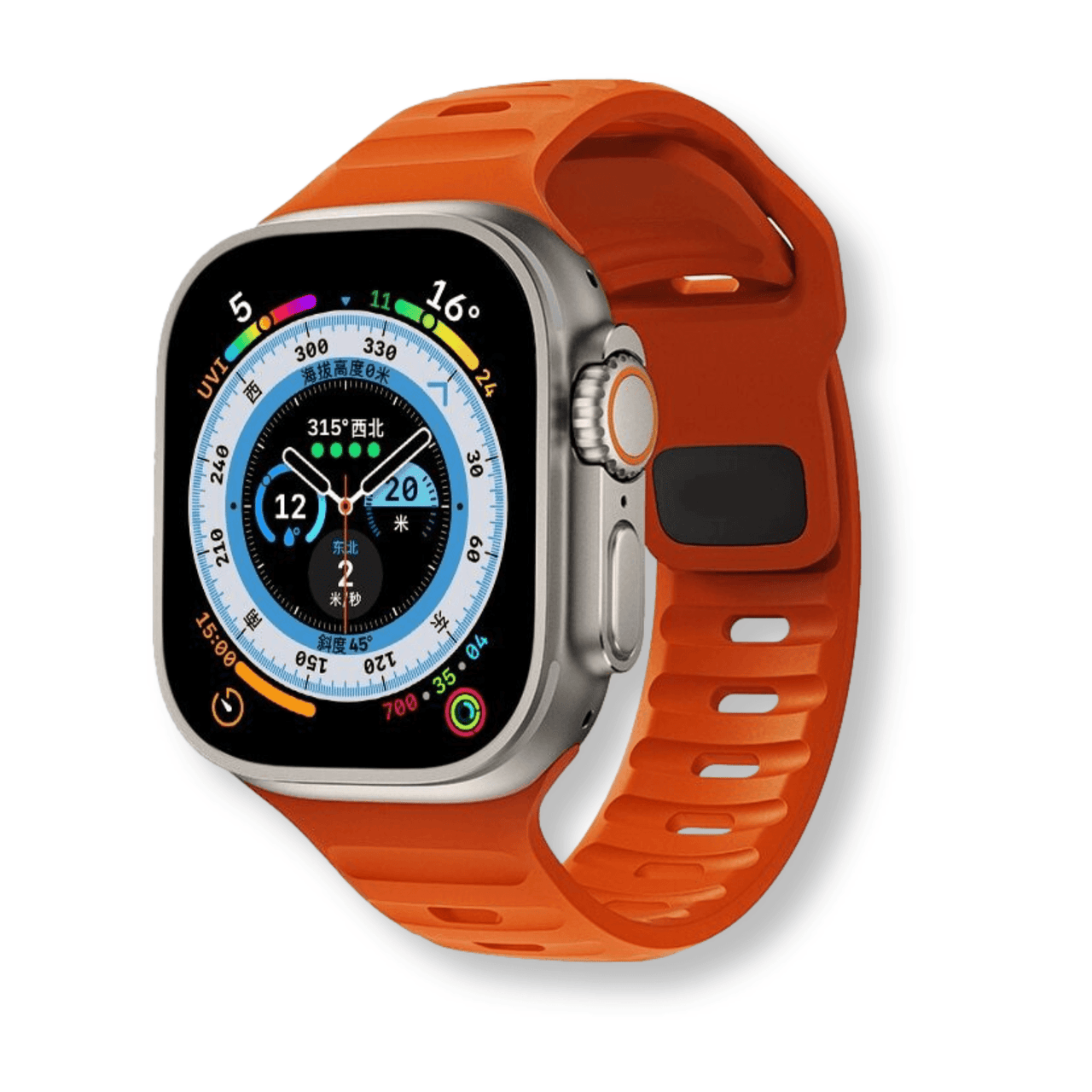
For durable synthetic options such as those found in collections of rubber and silicone watch bands, start by detaching the band from the watch case if the watch head itself is not water-resistant. If manufacturer instructions permit fresh water exposure, rinse the band thoroughly under cool or lukewarm running tap water. Never use boiling water, harsh household dish soaps, chemical solvents, or abrasive scouring pads. Gently wipe the surface with your fingertips to dislodge salt residue and grime.
Once rinsed, immediately blot the strap using a lint-free microfiber cloth to remove pooled droplets. Pay extra attention to the spring bar holes, textured underside channels, and buckle attachment folds, as trapped water inside these small recesses takes much longer to evaporate. After blotting, place the strap on an open, flat surface in a well-ventilated room. Never use hair dryers, heat guns, microwave ovens, or direct placement on home radiators to speed up evaporation. High temperatures can cause synthetic compounds to warp, curl, or lose structural integrity.

Office Straps: Moisture Management and Rest Periods
While office bands rarely face the intense sweat of a high-intensity workout, they still absorb ambient moisture, wrist perspiration, and small splashes from everyday handwashing. Natural materials like leather and fine textiles need structured downtime to breathe and release retained humidity. Putting on the exact same dress band day after day keeps the internal padding permanently moist, accelerating interior breakdown.
When you arrive home and remove your office band to switch to your training strap, resist the temptation to stuff the dress strap immediately into a closed drawer or dark travel pouch. Give pieces from your classic watch straps lineup adequate room to air out. Wipe the inner lining with a completely dry microfiber cloth to pick up surface moisture, then let the strap rest unbuckled on an open tray for several hours.
Avoid applying liquid leather dressings, household oils, or waterproofing waxes unless explicitly directed by the manufacturer of that specific strap. Many consumer leather creams can clog the porous grain of watch straps, darken light-colored linings unevenly, or weaken structural edge paints. Simply providing a dry, ambient room-temperature environment between office shifts is the most reliable method for preserving shape, color, and structural stiffness over the lifespan of the strap.
Safe Storage Methods Between Shifts and Workouts
Proper storage between wearings ensures that your inactive strap remains clean, dry, and ready for immediate deployment. The storage area should be completely dry, climate-controlled, and shielded from continuous ultraviolet exposure. Direct sunlight shining through windows onto an open counter can fade dyes, weaken synthetic binders, and dry out natural fibers.
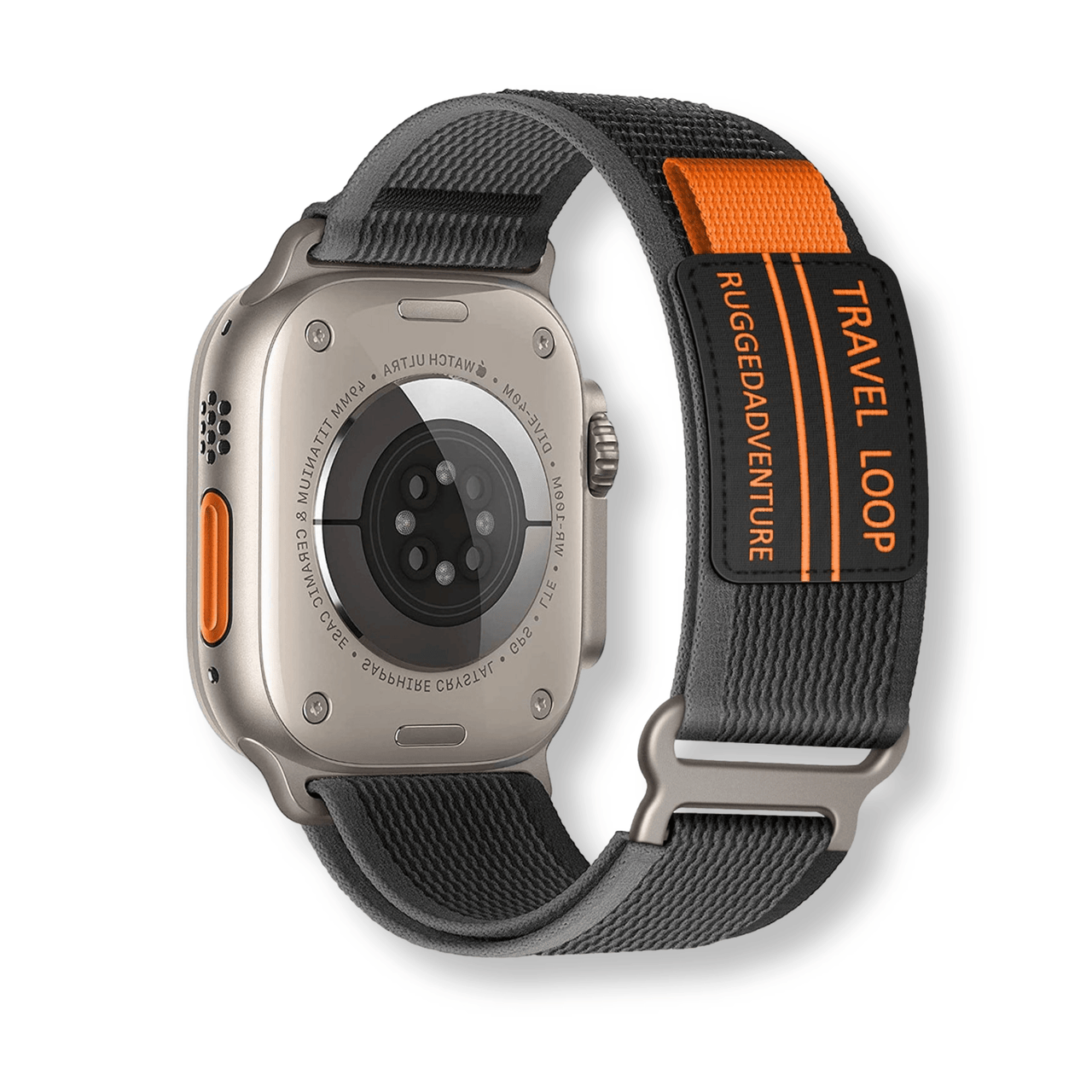
For fabric accessories, such as tightly woven design NATO straps, store them laid out flat or gently rolled without sharp folds. Folding a fabric or leather strap sharply back on itself can create permanent creases or crack coated edges. Ensure fabric bands are fully dry before placing them into storage boxes, as damp textiles stored in enclosed, dark spaces can develop musty smells and mildew.
Avoid storing your bands in airtight plastic bags or completely sealed containers right after removal. Sealed plastic traps whatever residual moisture remains within the material, creating a humid microclimate that works against proper drying. Instead, opt for slotted watch boxes with breathable linings, open valet trays, or wooden accessory drawers that promote natural airflow around each component.

Prewear Safety Inspection: Catching Hardware Fatigue
Before attaching any strap back onto your watch case, a thirty-second visual and tactile inspection can prevent an accidental drop. Straps and hardware undergo continuous stress from wrist flexion, buckle engagement, and friction against desk surfaces or workout equipment. Catching minor wear early prevents unexpected component failures while you are on the move.
Begin by inspecting the spring bars. Press both ends of each spring bar inward using your fingernail or a soft tool to verify that the internal springs rebound smoothly and extend fully. A spring bar with a stuck, gritty, or bent pin must be discarded immediately; never attempt to bend it straight or lubricate it with household oils. For a comprehensive look at how synthetic materials interface with hardware and case designs, consult our guide to silicone watch band comfort and compatibility.
Next, examine the strap attachment points. Look for tears or stretching around the spring bar tubes, especially on soft synthetic compounds. Inspect the buckle and tang assembly: verify that the buckle screw or friction pin is seated firmly and that the tang aligns straight with the buckle frame. Finally, check the strap holes for cracking, fraying, or enlargement. If any component shows noticeable fatigue, do not wear the watch until that component is replaced.
Troubleshooting Common Fit and Lug Complications
Transitioning between different strap styles can occasionally reveal minor mechanical discrepancies between your watch case and replacement hardware. Not all watches share identical lug geometries, spring bar hole depths, or clearance distances between the case wall and spring bar axis. Even among options like stainless steel watch bands and thick leather straps, tolerances can vary significantly.
One common complication is clearance friction, where the thick end of a strap rubs tightly against the watch case between the lugs. If you feel severe resistance while pivoting the strap into position, do not force the pin into the hole. Forcing an overly thick strap can place lateral pressure on the spring bar tips, increasing the chance that the bar pops loose under tension. Stop and check whether the watch manufacturer specifies curved spring bars or requires thin-profile strap designs.
If you encounter stuck spring bars, misaligned lug holes, or stripped screws on watches that utilize screw-in lug bars, do not attempt destructive modifications. Never drill out lug holes, file down end-links, or cut strap channels with utility knives. Such alterations destroy parts, void warranties, and rarely yield a secure fit. For broader strap education and general maintenance principles, visit our watch knowledge compendium. When hardware does not seat naturally, the safest recourse is always to consult an authorized dealer or a professional watchmaker.

Frequently Asked Questions
How long does a workout strap need to air dry before it can be worn again?
Drying times depend on the strap material, ambient room temperature, and local humidity levels. Smooth, non-porous synthetic bands blotted with a towel generally air-dry within one to two hours. Woven nylon or fabric bands that retain internal moisture may require eight to twelve hours in a well-ventilated space to dry completely before safe reuse.
Can I speed up strap drying using a hair dryer or heating vent?
No. Never expose watch bands to focused hot air, radiators, ovens, or heat lamps. Elevated temperatures can dry out leather, curl synthetic polymers, melt edge coatings, and compromise the structural integrity of synthetic bands. Room-temperature air circulation is the only safe method for drying straps.
Do all watches support rapid strap swapping between workouts and work?
No. While many modern bands incorporate quick-release spring bars with built-in slide levers, many watches still rely on traditional shoulder spring bars, proprietary connector systems, or screw-in lug pins. Always confirm your watch model and lug system specifications before attempting rapid changes.
What should I do if a spring bar refuses to snap into the lug hole?
If a spring bar will not seat, remove the strap and inspect the lug holes for compacted dirt or debris. Clean the area gently using a soft, dry bristle brush. Ensure the spring bar is the correct length and tip diameter for your case. If the bar still does not seat firmly with an audible click, stop and have a watchmaker inspect the tolerances.
Should I apply talcum powder or alcohol to my workout band to absorb odors?
No. Talcum powder and cornstarch create gummy pastes when mixed with residual sweat, clogging lug crevices and spring bar mechanisms. Rubbing alcohol and chemical solvents can strip protective coatings, cause discoloration, and dry out synthetic rubber. Stick strictly to fresh water rinses and thorough air drying.
Upgrade Your Daily Two-Strap Workflow
Pairing the right strap with each activity protects your watch and keeps every setup looking sharp. Explore our curated collections to find your ideal office and active pairing today.