Key Takeaways
- A spring bar that appears correctly sized across its central barrel can still fail to engage if the pivot tip diameter does not match the watch case lug holes.
- Stiff strap materials can exert constant outward leverage against the bar barrel, preventing the internal spring from expanding completely into the recess.
- Never force a stubborn pivot into place, because lateral force can gouge internal lug walls or permanently bend the spring mechanism.
- Visible damage or uncertain retention needs a qualified watchmaker; do not modify the case or use oversized hardware.
- Check attachment gently over a protected surface according to the watch instructions. Stop if either end moves unexpectedly.
Table of Contents
- The Critical Mechanics of Watch Strap Spring Bar Fit
- Tip Diameter and Pivot Seating: The Hidden Mismatch
- Compressed Length Versus Uncompressed Length in Strap Channels
- Lug Hole Geometry, Wear, and Drilling Variations
- Diagnostic Checklist: Step-by-Step Locking Assessment
- Thick Strap Materials and Physical Obstruction at the Case
- When to Stop and Consult a Professional Watchmaker
- Frequently Asked Questions About Spring Bar Security
The Critical Mechanics of Watch Strap Spring Bar Fit
When swapping to a new strap, many enthusiasts assume that matching the stated lug width is all that is required for a secure attachment. However, achieving proper watch strap spring bar fit depends on a delicate interaction between internal springs, telescoping pivots, strap channel dimensions, and the internal cavities of the watch lugs. A spring bar is not a static rod. It is a miniature mechanical assembly consisting of a central barrel, internal coil springs, and one or two retractable end pivots that must extend fully into the lug holes to create an anchor point.
If any single component within this system is misaligned or restricted, the spring bar will sit in a partially compressed state. In this position, the strap might feel temporarily attached while remaining vulnerable to sudden detachment under minimal wrist movement. Using a dedicated tool such as a high-grade watch spring bar remover allows you to feel the spring tension directly during installation, giving you sensory feedback that helps detect whether the pivot has dropped into its intended seat or is merely resting on the inner shelf of the lug.
Because watch brands build cases according to their own proprietary tolerances, there is no universal spring bar standard across the horological industry. Exploring technical articles inside our watch compendium reveals how tolerances vary widely between dress, field, and diving timepieces. Understanding how these mechanical components align will help you pinpoint the precise reason a replacement band refuses to lock securely into place.
Tip Diameter and Pivot Seating: The Hidden Mismatch
The small tip, not only the overall length, has to match the attachment specified for the watch. Two spring bars sold for the same nominal lug width can have different barrels, tip shapes or shoulder arrangements. Do not choose a replacement by a photograph or by assuming there is one standard diameter. Start with the watchmaker or manufacturer recommendation for the exact case reference, then compare the strap requirements. A calliper reading can help describe a component, but an approximate measurement is not approval to substitute a different part.

If the tip does not enter its intended seat, the assembly may feel attached because it is held against the inner lug surface. That feeling is not evidence of secure engagement. Do not wear the watch to find out whether it holds. Remove the strap carefully, check the specified hardware and ask for assistance if the engagement cannot be confirmed. A click is useful feedback but is not, by itself, proof that both ends are correctly seated.
Excess movement also needs investigation. A visibly loose fit may involve unsuitable hardware, an obstruction or wear that cannot be assessed from a product description. Do not compensate by choosing an oversized tip, bending the bar or adding adhesive. Keep the removed components together and explain the symptoms to a watchmaker. The useful question is whether the complete combination of case, strap and hardware is suitable, not whether one dimension looks close enough.
Compressed Length Versus Uncompressed Length in Strap Channels
Every spring bar possesses two distinct length measurements: its uncompressed resting length and its fully compressed length. For a spring bar to lock safely, its uncompressed length must be wider than the lug gap so that both pivots drive into the lug walls. Crucially, its fully compressed length must be slightly narrower than the inner distance between the lugs to allow clearance past the case during installation.
With a thick strap, check the space available around the bar and its shoulders before installation. A barrel that passes through the channel does not guarantee that its moving ends have room to operate. Look for strap material covering a shoulder or lever. If the fit is restrictive, select a strap and hardware combination approved for the watch rather than lubricating the channel, trimming the strap or substituting a thinner bar without guidance. Compare material options in our leather watch bands and straps collection, but confirm the dimensions of the individual item.
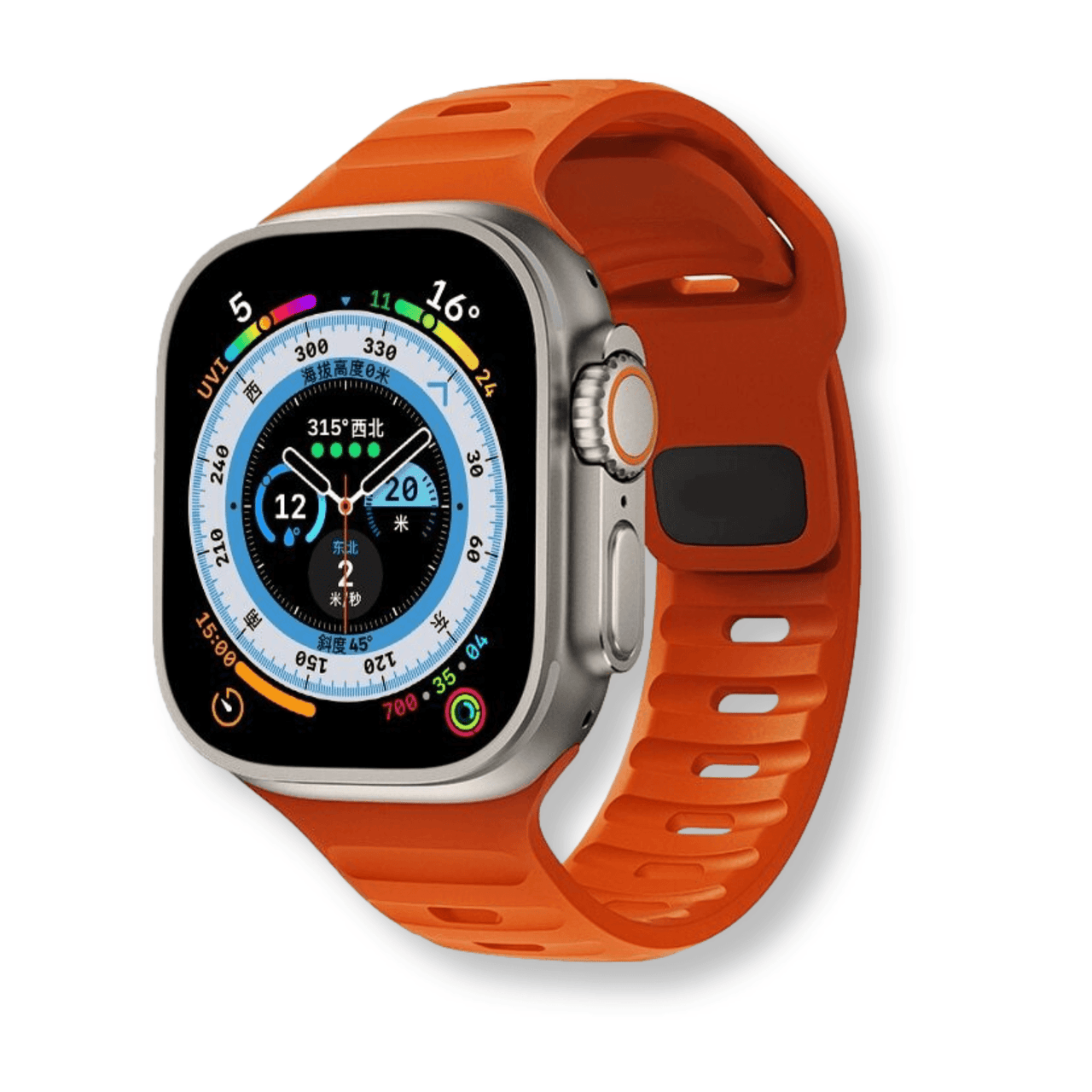
With rubber and silicone watch bands, the shape and thickness of the strap end can matter as much as nominal width. Check whether the end can move without pressing hard against the case or obstructing the attachment. Our silicone watch band guide provides material-selection context; it is not a model-specific spring-bar specification. Verify that specification separately before ordering hardware.
Lug Hole Geometry, Wear, and Drilling Variations
The geometry of the watch case itself is another variable that dictates whether a replacement strap can seat securely. Some watches feature drilled-through lug holes that pass completely through the lug horn to the outside of the case, while others use blind lug holes drilled only partway into the inner lug surface. The depth of these holes can vary significantly based on the age, case material, and manufacturing origin of the watch.

On an older or previously repaired case, an irregular opening or visible movement deserves professional assessment. It is not possible to diagnose the amount or cause of wear from appearance alone. Do not attempt to enlarge, polish or reshape a lug hole to accept a new component. Photograph the problem if that helps you describe it, retain the original hardware and stop using a strap whose retention is uncertain. A watchmaker can determine whether the issue concerns the bar, the strap geometry or the case itself.
Shaped end links on stainless steel watch bands can introduce additional fit requirements. They may be designed around a specific case and attachment position. A matching nominal width does not establish that a generic end link, replacement strap or bar will line up correctly. Compare the exact compatible references and end-link shape, and do not infer compatibility from a photograph of a similar watch. If the parts require pressure to line up, stop rather than treating that pressure as a normal installation step.
Diagnostic Checklist: Step-by-Step Locking Assessment
To safely diagnose why a replacement strap is not seating or locking, walk through the following structured checklist before applying force or wearing the timepiece on your wrist:
- Check channel clearance: compare the specified bar and strap requirements; stop if the bar or moving shoulders cannot operate freely. Do not lubricate, trim or force the parts.
- Check the specified attachment: identify the correct watch reference and hardware. Do not probe unfamiliar lug holes or install an unsupported substitute.
- Measure the Compressed Clearance: Using the precision tools found in a complete watch repair tool kit, compress the spring bar fully and compare its total compressed span against the inner distance between the lugs. If the compressed bar is equal to or wider than the lug gap, it cannot drop between the lugs without gouging the finish.
- Check both ends: follow the manufacturer fitting instructions. A click alone does not prove that both ends are seated.
- Check gently over a protected surface: hold the case securely and follow the manufacturer retention check. Do not apply an aggressive stress test. If movement is unexpected, remove the strap and seek help.
Thick Strap Materials and Physical Obstruction at the Case
Even when a spring bar has the correct barrel thickness, uncompressed length, and pivot diameter, the physical material of the strap can cause mechanical interference. The distance between the lug hole center and the round edge of the watch case differs across watch models. If that clearance is minimal, a thick strap end will press against the case wall long before the spring bar can line up with the lug holes.

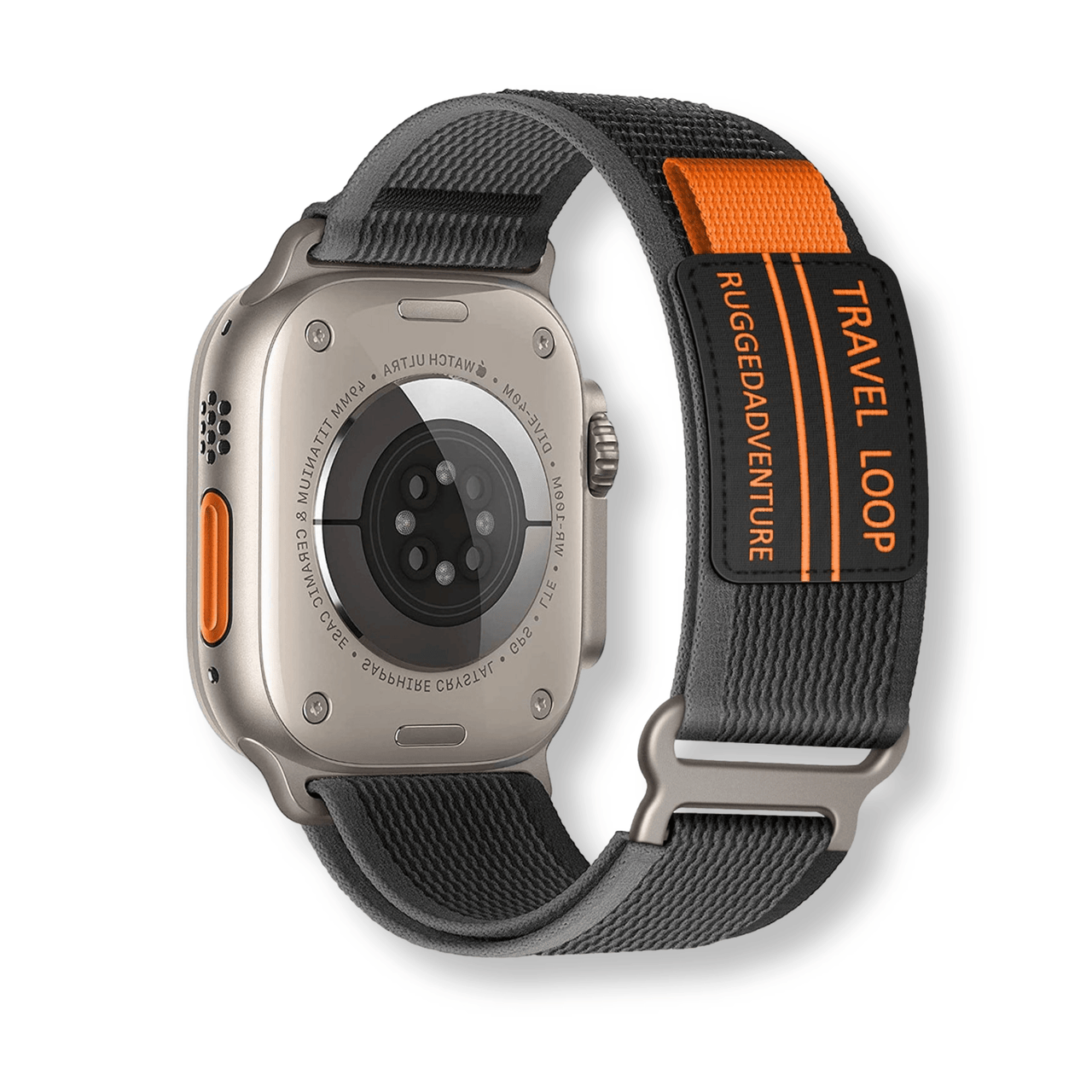
This challenge is particularly prevalent when fitting padded leather, heavy sailcloth, or robust traditional styles like classic watch straps. If the leather or padding extends too close to the spring bar tube, the back edge of the strap acts as a wedge against the watch case. As you attempt to press the spring bar inward, the compressed strap material pushes right back, forcing the spring bar pivots away from the lug holes.
Where clearance is limited, ask which strap profiles and hardware the manufacturer permits. Curved bars are not a universal solution, and a straight bar should not be bent to create one. A thinner strap may be an option only if its attachment and other dimensions are appropriate. Resolve the compatibility question before purchase instead of trying to make incompatible parts fit during installation.
When to Stop and Consult a Professional Watchmaker
While basic strap changes are a cornerstone of watch ownership, certain fit issues cross the boundary into professional repair territory. Applying brute force to an uncooperative spring bar can cause irreversible aesthetic and structural damage to your timepiece. If you encounter any of the scenarios described below, cease installation immediately and bring the watch to a certified watchmaker.
Take particular care with valuable, vintage or unfamiliar cases. Even a routine strap change can mark a finish when a tool slips. A protective work surface helps contain a dropped component but does not replace experience with the attachment system. If you cannot see the tip, do not understand the release mechanism or feel resistance that was not expected, pause. Ask a watchmaker to inspect the combination and demonstrate the correct method for that watch. Keep any service instructions with the replacement parts for later changes.

Seek professional help if you see a damaged lug, a bent component, a stuck tip or an attachment that repeatedly releases. Do not attempt drilling, filing, chemical removal or case restoration yourself. The appropriate repair depends on the watch and must be assessed rather than prescribed by a general guide. A replacement strap is not a remedy for damage to the watch case. Tell the watchmaker what changed, which components were reused and whether the problem appeared before or after the strap swap.
Frequently Asked Questions About Spring Bar Security
Can I force a spring bar into the lug hole if it is just slightly misaligned?
No, you should never use force to jam a misaligned spring bar into a lug hole. Forcing the pivot can shear off the telescoping shoulder, bend the inner guide rod, or gouge the inside of your watch lugs. If the bar does not snap into position with gentle articulation, stop and diagnose whether the strap material is obstructing the case or if the pivot tip diameter is too large for the hole.
Why does my spring bar click on one side but pop out under slight pressure?
This typically occurs when one pivot successfully enters its lug hole while the opposite pivot hangs up on the inner edge of the lug horn without entering its recess. It can also happen if a spring bar is slightly too short, meaning one side extends while the other side sits on the edge of the hole. Perform an inspection under bright light with a loupe to visually confirm that both shoulders have expanded symmetrically.
Do all 20mm or 22mm replacement straps use the same spring bar diameter?
No. Nominal strap width is only one part of compatibility. Different straps and cases may require different barrel sizes, tip profiles or shoulder arrangements. Check the specification for the exact watch and replacement strap. Do not infer hardware suitability merely because both products are labelled 20mm or 22mm.
How can I tell if my watch case lug holes are worn out or damaged?
If you notice an irregular opening, visible damage or unexpected movement, stop wearing that combination and seek professional assessment. A visual inspection can identify a concern but cannot establish that the case is sound or determine the repair. Avoid probing or modifying the hole.
What should I do if a spring bar gets stuck inside the strap channel?
Do not pull on a stuck tip with pliers, add oil or household chemicals, or push sharp tools through the strap. Stop and have the assembly examined. A watchmaker can assess how to remove it without assuming that a particular solvent or force is safe for your strap material.
Secure Your Timepiece with the Right Fit
Before wearing the replacement, confirm the exact strap and hardware combination, follow the watch manufacturer instructions and check both attachment points. If you cannot confirm secure seating, do not rely on a new strap to solve the uncertainty. Choose a compatible replacement or ask a watchmaker to complete the fitting.