Key Takeaways
- Premium Appeal: Genuine alligator and crocodile straps offer unparalleled texture, depth, and character to luxury watches.
- Sizing is Crucial: Measuring your lug width accurately ensures your high-end replacement strap fits your watch perfectly.
- Broad Compatibility: Modern exotic leather bands can elevate traditional dress watches, vintage chronographs, and even smartwatches.
- Simple Replacement: Using the right spring bar tools makes changing your strap at home safe, quick, and damage-free.
- Dedicated Maintenance: Avoiding excessive moisture and using specialized conditioners will keep your exotic leather supple for decades.
Table of Contents
- The Timeless Luxury of Alligator and Crocodile Watch Straps
- Alligator vs. Crocodile: Cuts, Grades, and Quality
- Finding Your Perfect Alligator Watch Strap Size
- Understanding Alligator Watch Strap Compatibility
- Executing an Alligator Watch Strap Replacement
- Caring for Your Exotic Leather Watch Band
- Frequently Asked Questions

The Timeless Luxury of Alligator and Crocodile Watch Straps
An exquisite timepiece is only as good as the strap holding it to your wrist. For decades, the genuine alligator watch strap has stood as the ultimate symbol of horological sophistication. Whether paired with a classic gold dress watch or a modern steel chronograph, the unique scale patterns of exotic hides instantly elevate any watch's overall aesthetic.
Unlike standard cowhide, alligator and crocodile leathers possess a distinct, non-uniform grain structure. Each scale tells a story, making every single strap completely unique. When you invest in premium leather watch bands and straps, you are choosing a product that patinas beautifully over time, molding comfortably to the natural shape of your wrist.
While many synthetic alternatives attempt to replicate this look, nothing compares to the depth, feel, and durability of genuine exotic hide. The natural oils within alligator leather keep it resilient, ensuring that with proper care, your strap remains a heirloom-quality accessory for years to come.
Alligator vs. Crocodile: Cuts, Grades, and Quality
Understanding the difference between alligator and crocodile leather is essential before making your purchase. While both are highly prized, alligator leather is often considered the pinnacle due to its smoother, more uniform scale layout. Alligators feature a tiny, characteristic "umbilical scar" on their belly scales, which serves as a hallmark of genuine premium hide.
The cut of the leather also plays a major role in the strap's appearance and price tag. The "belly cut" features large, square scales that are highly coveted for high-end dress watches. Conversely, the "flank cut" showcases smaller, rounder scales, offering a slightly more textured and dynamic look. Both cuts provide exceptional durability and luxury appeal.
To learn more about the differences between various leather types, finishes, and tannage styles, check out our complete guide to leather watch bands on our blog. Educating yourself on leather grades ensures you choose a strap that aligns perfectly with your budget and stylistic preferences.

Finding Your Perfect Alligator Watch Strap Size
Selecting the correct alligator watch strap size is the most important step in the buying process. A strap that is too wide will not fit between your watch lugs, while a strap that is too narrow will slide around, leaving the spring bars exposed and risking damage to your watch.
To determine your correct alligator watch strap size, you must measure the distance between the inner faces of your watch's lugs. This measurement is typically represented in millimeters (e.g., 18mm, 20mm, or 22mm). You can find this specification in your watch's original manual, or you can measure it yourself using a digital caliper or a fine metric ruler.
In addition to lug width, consider the buckle width and the length of the strap. Standard strap lengths are designed to accommodate wrists from 6.5 to 7.5 inches. If your wrist is exceptionally small or large, you may need to look for short or long strap variants to ensure the buckle rests comfortably centered on the underside of your wrist.
Understanding Alligator Watch Strap Compatibility
Before purchasing your new strap, it is wise to consider alligator watch strap compatibility with your specific watch head. While exotic leather is highly versatile, certain case shapes, lug profiles, and watch types pair better with alligator than others. Traditional round watch cases with straight lugs are almost universally compatible with standard spring-bar strap configurations.
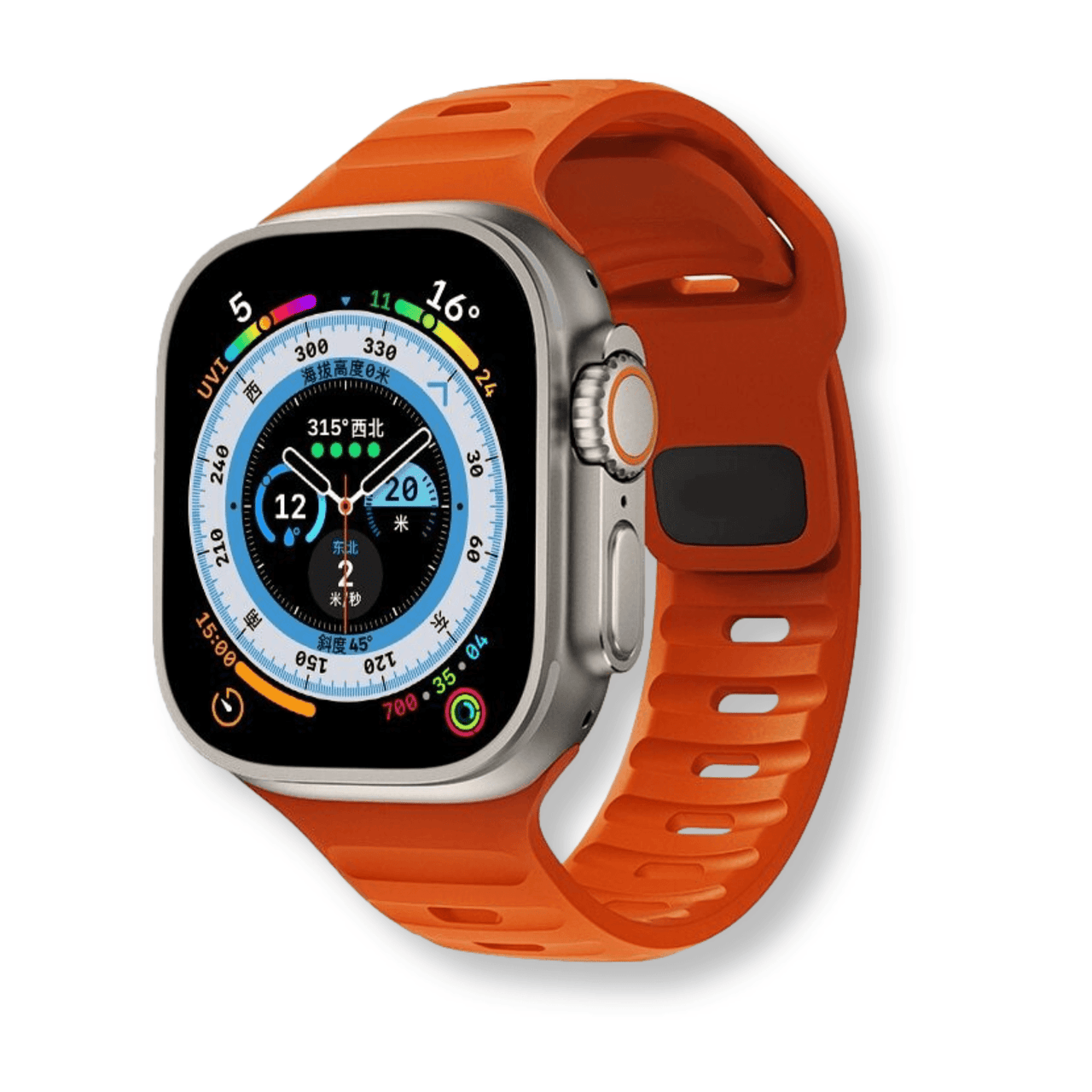
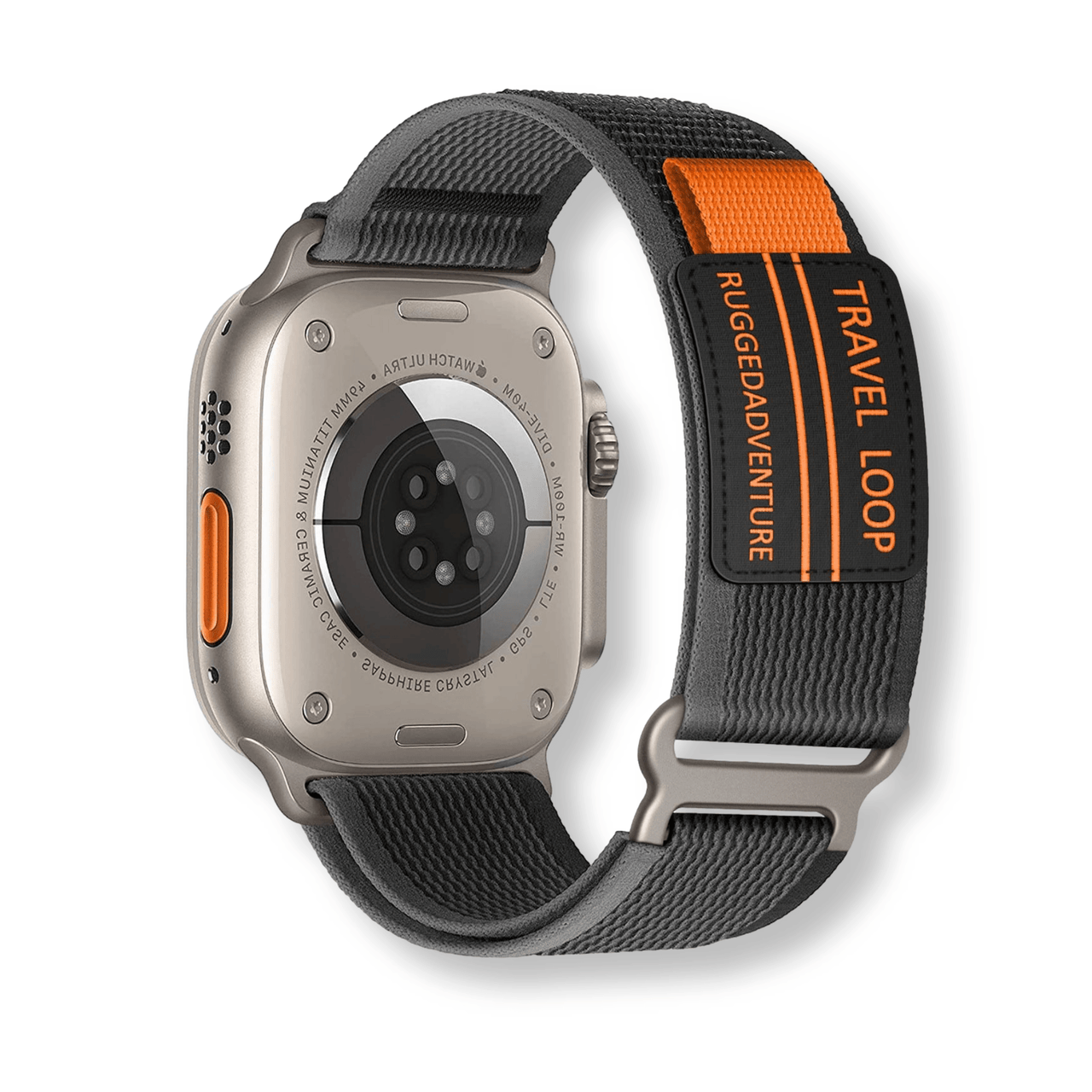
For those looking to upgrade modern smartwatches, compatibility is still highly achievable. We offer specialized adapters that allow you to pair high-end exotic leather with your digital devices. For instance, you can easily find a premium strap within our curated selection of Apple Watch bands to give your smartwatch a classic, formal overhaul.
If you prefer a more rugged or casual look for daily wear, you might also consider alternative materials. While alligator is perfect for formal occasions, exploring our collection of suede leather watch bands can provide a relaxed, matte texture that pairs wonderfully with field watches and sports chronographs. For more general horological advice, dive into the resources available in our Watch Compendium.

Executing an Alligator Watch Strap Replacement
Changing your watch strap is an excellent skill that allows you to instantly change the personality of your timepiece. Executing an alligator watch strap replacement at home is a simple process, provided you have the proper tools and take your time to avoid scratching the watch lugs.
To get started, we highly recommend utilizing a dedicated watch repair tool kit. This kit contains everything you need to safely remove spring bars without slipping. Having a stable workspace with a soft microfiber cloth or mat will also protect your watch dial from accidental scratches during the swap.
To remove the existing band, insert the forked end of a watch spring bar remover tool between the lug and the strap. Gently compress the spring bar pivot and slide the strap out. To install your new alligator watch strap, insert the spring bar into the strap's sleeve, place one end into the lug hole, compress the other end with your tool, and let it click securely into place. Always pull gently on the strap to ensure both ends are locked in before wearing.

Caring for Your Exotic Leather Watch Band
Proper maintenance is the key to ensuring your alligator or crocodile watch strap retains its natural luster and structural integrity over time. Because exotic hides are natural organic materials, they are susceptible to environmental factors like moisture, heat, and direct sunlight.
First and foremost, keep your strap away from water. Never wear your alligator strap while swimming, showering, or during intense workouts. If your strap does get wet, gently pat it dry with a soft, clean cloth and let it air-dry away from direct heat sources. Never use hair dryers or radiators, as extreme heat will dry out the leather fibers and cause cracking.
Periodically clean your strap by wiping it down with a slightly damp microfiber cloth to remove dust and sweat. For conditioning, only use high-quality creams specifically formulated for exotic reptilian leathers. Applying standard shoe polish or heavy oils can clog the pores and ruin the delicate scale finish. For replacement spring bars, buckles, and other maintenance gear, explore our full range of watch accessories.
Frequently Asked Questions
How can I tell if my alligator watch strap is genuine?
Genuine alligator leather features natural, irregular scale shapes and unique grain lines under close inspection. Synthetic or embossed "alligator grain" cowhide patterns are perfectly uniform and repeat across the band. Additionally, genuine alligator leather feels exceptionally supple and develops a rich patina over time.
Is a crocodile watch strap waterproof?
No, genuine exotic leathers like alligator and crocodile are not waterproof. Prolonged exposure to moisture can cause the leather to dry out, stiffen, crack, and potentially rot the inner lining. Always remove your exotic leather strap before swimming, bathing, or doing heavy exercise.
How often should I condition an alligator watch strap?
You should condition your alligator strap once every 3 to 6 months, depending on how frequently you wear it and your local climate. Use a specialized exotic leather conditioner. Apply a very small amount with a soft cloth, let it absorb, and buff gently to restore the natural shine.
Can I fit an alligator strap on my Apple Watch?
Yes, you can easily pair an alligator strap with an Apple Watch. You simply need compatible watch band adapters that slide into the Apple Watch slot, allowing you to attach standard spring-bar straps to the smart device.
What tool do I need for an alligator watch strap replacement?
You will need a spring bar tool with a small fork-end to safely compress the spring bars holding the strap in place. Using dedicated watch tools prevents the tool from slipping and scratching your timepiece's lugs or case back.
Ready to Elevate Your Timepiece?
Upgrade your watch with a touch of unmatched luxury. Browse our premium selection of genuine alligator and crocodile watch bands today, or explore our curated Watch Compendium for more expert horology guides and styling tips.
📌 Complete Guide
For the full guide, see our Leather.
📌 Complete Guide
For the full guide, see our Leather.
📌 Complete Guide
For the full guide, see our Leather.