Key Takeaways
- The Amazfit GTR 4 uses a standard 22mm lug width, whereas the smaller GTS 4 uses a 20mm width.
- Band attachment relies on traditional mechanical spring bars or integrated quick-release pins, not proprietary snap-on systems.
- Checking your exact device model in the Zepp app or on the back casing prevents ordering incompatible strap sizes.
- Strap choices affect optical heart rate tracking, especially if a strap routes directly underneath the sensor plate.
- If a spring bar seems jammed or will not seat properly, halt installation and consult an experienced watchmaker.
Finding replacement straps for a modern fitness smartwatch can feel confusing when different product lines share similar naming conventions. The market contains dozens of models, and choosing the correct hardware requires precise verification. Selecting replacement amazfit gtr 4 bands starts with confirming your exact hardware measurements and understanding how traditional watch lugs interact with modern health tracking sensors.
Table of Contents
- Model Identification: Verifying the Amazfit GTR 4 vs Other Series
- Understanding the 22mm Lug Width and Lug Geometry
- Examining the Attachment Mechanism: Standard vs Quick-Release Pins
- Selecting Everyday Materials: Silicone and Nylon for Workouts
- Elevating Your Setup: Leather, Dress, and Metal Options
- Troubleshooting Fit, Sensor Clearance, and Wrist Alignment
- Best Practices for Strap Maintenance and Pin Swaps
- Frequently Asked Questions About Amazfit GTR 4 Bands
- Next Steps for Upgrading Your Watch Band
Model Identification: Verifying the Amazfit GTR 4 vs Other Series
Smartwatch product families expand rapidly, making visual identification tricky at a casual glance. The round case of the Amazfit GTR 4 shares styling cues with earlier models like the GTR 3, GTR 3 Pro, and newer generation devices. Before browsing for fresh straps, you must confirm that your device is specifically the GTR 4. An erroneous identification could lead to ordering incorrect hardware, as not all smartwatches share identical case geometries or pin designs.
According to the official Amazfit Frequently Asked Questions documentation, the Amazfit GTR 4 features a 22mm strap width, typically shipping with Sport Silicone or Nylon bands. In contrast, companion square models such as the Amazfit GTS 4 use a narrower 20mm band format. Checking your device model takes only a moment: open the Zepp mobile application, navigate to your profile settings, and check the connected device designation. You can also view the laser-etched model details on the underside perimeter of the watch case.
Misidentifying your watch can cause frustration. If you browse generic watch guides, remember that size conventions vary broadly across manufacturers. For a thorough understanding of standard horological sizing conventions and case styles, our educational articles across the watch compendium describe general principles behind case construction, strap changes, and strap maintenance.

Understanding the 22mm Lug Width and Lug Geometry
Once you verify that you own an Amazfit GTR 4, the critical specification is the 22mm lug width. The term "lug width" refers strictly to the internal distance between the two parallel watch horns where the strap connects to the body. Straps narrower than 22mm will slide along the bar, causing uneven pressure on the spring bar. Straps wider than 22mm will bunch, pinch, or fail to enter the lug housing entirely.
You can verify your watch lug width using a digital caliper or a millimeter ruler aligned directly between the inner edges of the lugs. When purchasing new straps, do not rely on guesses or broad device lists that claim one size fits all. Even within a single brand, companion models utilize different sizing. Always verify that any accessory you choose explicitly matches the 22mm standard.
When measuring or removing an old strap, using the proper tool makes a substantial difference. An everyday household tool can slip and gouge the watch casing. Using a dedicated watch spring bar remover can help with appropriate spring-bar designs, but follow the instructions for your specific attachment and stop if you are unsure.
Examining the Attachment Mechanism: Standard vs Quick-Release Pins
Amazfit's official textured silicone strap documentation lists the GTR 4 under its 22mm compatibility group and describes a quick-release spring bar. Follow that product's instructions for that product rather than treating the width as a universal approval for every aftermarket strap. It does not use Garmin QuickFit systems, proprietary Apple-style sliding channels, or unique click-in latches. Instead, the GTR 4 utilizes mechanical spring pins that seat into small drilled indentations inside the watch lugs.
Most modern replacement straps built for fitness watches incorporate quick-release spring bars. These pins have an integrated tiny lever protruding through an opening on the underside of the strap. By retracting the lever with your fingernail, the spring pin compresses, allowing you to slide the band into position. When you release the lever, the pin extends into the lug hole, locking the strap in place.
For a replacement without an integrated release lever, confirm the exact bar and case compatibility with the supplier or a watchmaker. Accepting a nominal 22mm bar does not by itself establish a suitable fit. When installing or removing traditional spring bars, careful handling is mandatory. If you are dealing with tight tolerances, link bracelets, or standard spring bars, having a comprehensive watch repair tool kit may support routine work, but it does not establish that every attachment can be safely changed without experience. If a pin becomes stuck, bent, or resistant, stop immediately. Forcing a stubborn pin can strip or warp the lug cavity, requiring professional intervention from a watchmaker.

Selecting Everyday Materials: Silicone and Nylon for Workouts
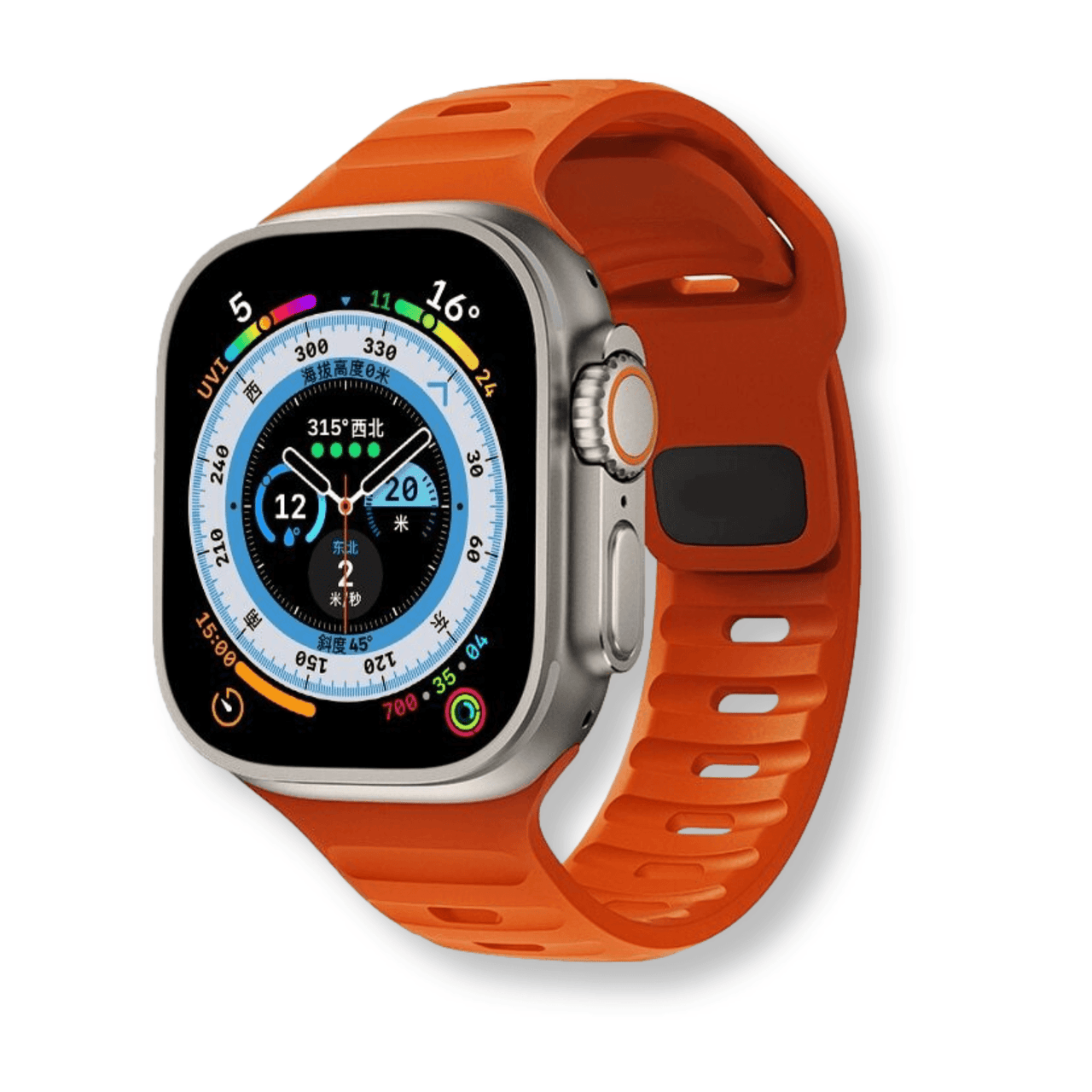
Because the Amazfit GTR 4 includes advanced workout tracking and biometric monitoring, everyday comfort during movement is essential. Many users select silicone or woven nylon straps for sports, running, and swimming sessions. Many silicone straps are convenient to rinse and dry, but suitability depends on the individual strap, its hardware and the watch manufacturer care instructions.
For those prioritizing flexibility and water handling, exploring dedicated rubber and silicone watch bands allows you to select varied textures, ventilation patterns, and closure designs. Perforated silicone patterns can enhance airflow during intense cardiovascular sessions, although ventilation does not eliminate moisture or the need for cleaning and drying. For detailed insight into strap materials and everyday ergonomics, refer to our comprehensive guide on silicone watch bands and compatibility, which outlines material performance across athletic situations.
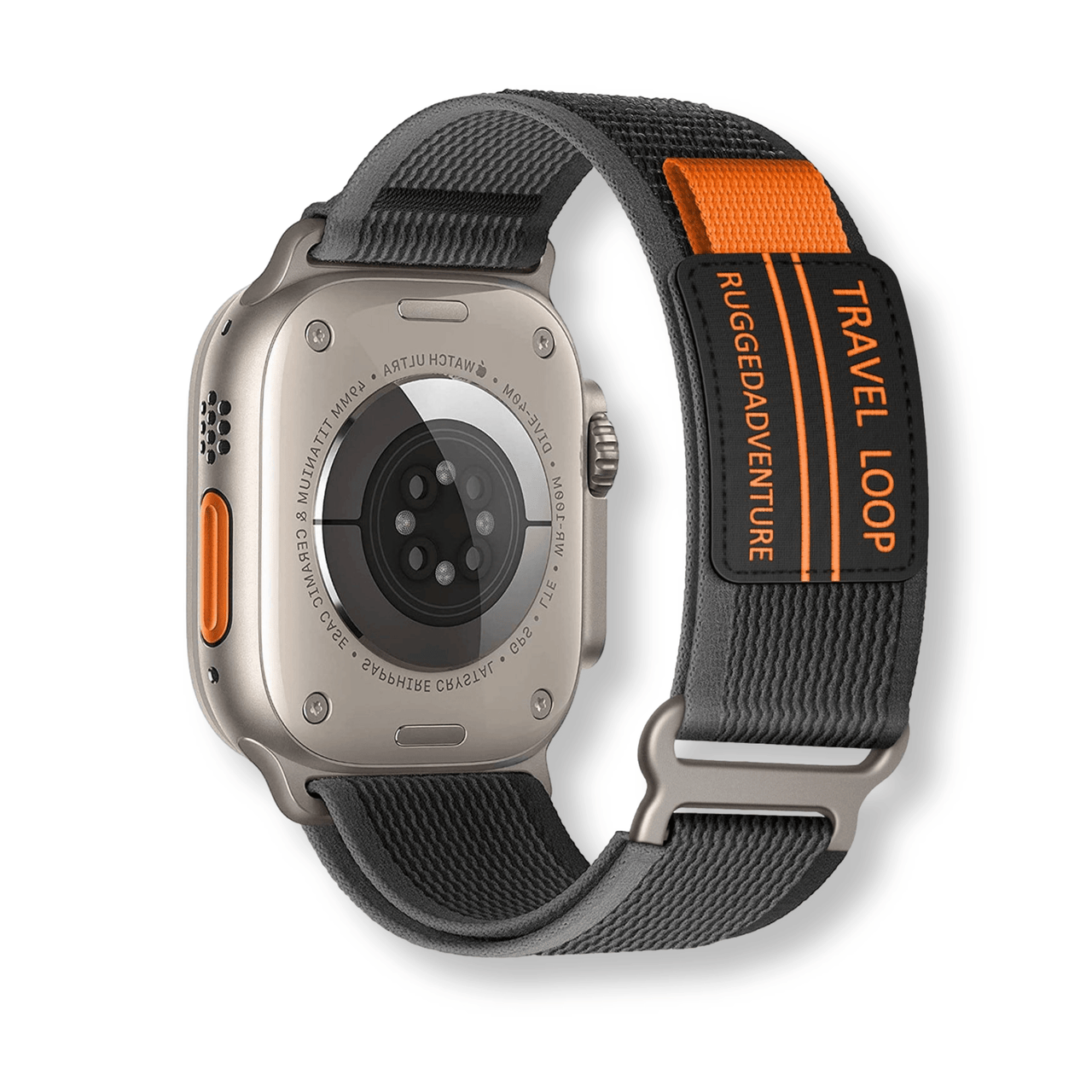
Woven nylon straps, on the other hand, provide a soft feel and continuous micro-adjustability, often using hook-and-loop closures. Woven nylon can feel light and flexible, although fit and closure design still determine comfort. However, nylon does absorb water during swims or showers, so it requires dedicated drying time before long-term wear to maintain skin comfort.
Elevating Your Setup: Leather, Dress, and Metal Options
While the GTR 4 excels as a fitness tracker, its round case and classic dial displays allow it to transition into formal and office settings. Pairing the smartwatch with elevated materials changes its overall aesthetic. Leather and stainless steel offer timeless styling for professional environments.
Genuine leather options provide classic texture and drape naturally around the wrist as they break in. When choosing from our curated leather watch bands and straps, look for bands featuring built-in 22mm quick-release pins to enable fast transitions between your morning run and your workday meetings. Remember that natural leather should avoid direct water submersion, prolonged sweat exposure, and high humidity.
If you prefer substantial weight and a jewelry-grade appearance, metal link bracelets make an excellent pairing. Exploring robust stainless steel watch bands gives you access to mesh styles and multi-link designs that match the metallic bezel of the GTR 4. When sizing a metal link bracelet, use appropriate pin-pushing tools rather than improvised instruments to remove excess links, and follow the bracelet instructions; unfamiliar screw or friction-pin systems are best handled by a watchmaker.

Troubleshooting Fit, Sensor Clearance, and Wrist Alignment
A frequent mistake when choosing replacement straps for modern smartwatches involves overlooking optical sensor clearance. The underside of the Amazfit GTR 4 houses a circular biometric sensor cluster that needs unobstructed contact with the wrist for its optical measurements. A replacement band must not cover the sensor area, and band choice does not guarantee measurement accuracy.
Single-pass straps, such as traditional slip-through military webbing, pass continuous fabric directly beneath the watch case. Installing a single-pass strap from our design NATO straps collection will physically block the optical sensors from reading capillary blood flow. If you appreciate the aesthetic of military webbing, select two-piece nylon straps that mount directly to the 22mm pins without passing underneath the sensor baseplate.
Furthermore, ensure the strap allows a snug yet comfortable fit. A band that sits too loose causes the optical sensor to bounce during running, producing erratic heart rate readings or missing data. A band that sits excessively tight can cause discomfort or pinch the skin. Follow Amazfit's wearing guidance for the activity and keep the fit comfortable. Loosen or remove the band if it causes discomfort.
Best Practices for Strap Maintenance and Pin Swaps
Maintaining the lifespan of your watch hardware requires gentle, routine care. Over weeks of daily wear, skin oils, dust, and perspiration accumulate inside the lug pockets and around the spring pin springs. When swapping straps, inspect the pin tips and the internal holes of the watch lugs for debris.
Never apply liquid lubricants, motor oil, household chemicals, or talcum powder to sticky spring bars or watch bands. Unapproved treatments can leave residue or damage materials, and they do not resolve incompatible hardware. Use the cleaning method specified for the individual strap and its finish, keep the watch case protected, and let the strap dry before wearing it again.
Never modify a strap by drilling, filing, cutting, or bending spring bars to force an incompatible size into the GTR 4. If a strap fails to seat smoothly, verify the measurement again. For versatile alternatives across conventional styles, our collection of classic watch straps features standard attachment designs. Whenever you encounter uncertainty regarding pin seating or lug alignment, pause your work and have an experienced watchmaker evaluate the fit.

Frequently Asked Questions About Amazfit GTR 4 Bands
What exact band width does the Amazfit GTR 4 require?
The Amazfit GTR 4 requires straps with a 22mm lug width. As confirmed by official manufacturer documentation, the GTR 4 utilizes 22mm hardware, unlike the GTS 4 series which utilizes 20mm straps. Nominal width alone does not prove compatibility: also check the exact attachment, supplied hardware and case clearance of the particular replacement.
Can I use single-pass NATO straps on my Amazfit GTR 4?
Single-pass straps that slide underneath the entire case will block the optical biometric sensor array located on the back of the watch. To preserve heart rate and sleep tracking capabilities, you should use two-piece straps that secure directly to each 22mm lug pair without running material across the bottom of the case.
Does the Amazfit GTR 4 use a proprietary attachment latch?
No. The Amazfit GTR 4 uses conventional watch lug holes designed for standard mechanical spring bars. It does not use proprietary latching mechanisms. Most third-party replacement straps designed for this watch incorporate standard 22mm quick-release pins for straightforward, tool-free installation.
How do I verify that my new band is securely attached?
After sliding the quick-release pin into the lug hole, let the lever snap forward. Gently tug the strap away from the watch body from multiple angles. Listen or feel for the pin settling fully into the lug recess. If the band shifts or releases under light tugging, unhook it and re-seat the pin carefully.
What should I do if a spring bar refuses to seat into the lug hole?
Never force, hammer, or bend a spring bar to make it fit. Inspect the lug holes for compacted dirt or lint, and ensure the replacement pin matches the 22mm specification. If the component still refuses to seat smoothly, discontinue the installation and seek guidance from a professional watchmaker to avoid damaging the watch casing.
Selecting the Right Band for Your Daily Routine
Upgrading your Amazfit GTR 4 with a fresh strap allows you to adapt the watch to your routine, whether that means high-intensity athletic training, business meetings, or relaxed weekend outings. Confirming the model and width is the starting point; verify the complete attachment and sensor clearance before deciding that a replacement is suitable. Take time to inspect your attachment pins regularly, keep your hardware clean, and choose the material that matches your daily lifestyle.