- Accuracy is Key: Finding your exact wrist size ensures optimal comfort and keeps your timepiece securely centered.
- Three Simple Methods: You can measure using a flexible tape, a piece of paper and a ruler, or by analyzing your current watch strap.
- Account for Watch Case: Remember that total band length plus your watch’s lug-to-lug distance determines the overall fit.
- Easy Upgrades: Once you have your measurements, finding a compatible, stylish replacement strap takes only seconds.
Table of Contents
- 1. Why Getting the Right Wrist Measurement Matters
- 2. Method 1: The Flexible Measuring Tape (The Gold Standard)
- 3. Method 2: The Paper and Ruler Trick (Quick & Simple)
- 4. Method 3: Measuring an Existing Watch Band for Compatibility
- 5. Translating Your Wrist Size to Watch Band Sizes
- 6. Common Watch Band Sizing Pitfalls to Avoid
1. Why Getting the Right Wrist Measurement Matters
Whether you are a seasoned collector or buying your very first timepiece, comfort is everything. A watch that is too tight can restrict blood flow and pinch your skin, while a strap that is too loose will slide around, risking scratches to the case or crystal. Learning how to measure wrist for watch band sizes is the most crucial step before investing in a high-quality replacement strap.
When you know your exact wrist circumference, shopping online becomes stress-free. You will no longer have to guess whether a medium or large band is appropriate for your wrist. Different materials, like stiff leathers or heavy metals, fit differently than flexible silicone. Knowing your base measurement helps you make informed choices across all styles.
Moreover, choosing the correct size is vital for watch wearability. If you want to dive deeper into general watch geometry, case designs, and sizing tips, you can explore our comprehensive Watch Compendium. Ultimately, learning how to measure wrist for watch band replacement ensures your watch sits flat and stays centered, looking stylish and feeling secure throughout your daily routine.
2. Method 1: The Flexible Measuring Tape (The Gold Standard)
The easiest and most accurate way to find your wrist size is by using a flexible tailor's measuring tape. This tool contours perfectly to the natural curves of your wrist, giving you a precise reading down to the millimeter. Keeping this measurement handy makes finding the perfect strap a breeze.
To begin, wrap the flexible tape around your wrist right where you normally wear your watch. This is typically just behind the wrist bone. Make sure the tape is flat against your skin, wrapping snugly but not too tightly. You want to simulate how a watch strap should comfortably sit.

Once the tape is positioned correctly, note the point where the starting end overlaps the measurement line. Write this number down in both millimeters and inches, as manufacturers use both units. For instance, knowing you have a 170mm (roughly 6.7 inches) wrist makes shopping for how to measure wrist for watch band size compatibility incredibly straightforward.
3. Method 2: The Paper and Ruler Trick (Quick & Simple)
If you do not have a tailor's tape lying around the house, do not worry. You can easily calculate your size using everyday household items. All you need is a plain strip of paper, a pen or pencil, and a standard flat ruler.
First, cut a strip of paper about a half-inch wide and several inches long. Wrap the paper strip around your wrist behind the wrist bone. Make sure it lays flat and isn't twisted. Use a pen to mark the exact spot where the end of the paper overlaps the rest of the strip.

Next, lay the paper strip completely flat on a table next to a ruler. Measure the distance from the starting edge to your pen mark. This simple hack tells you how to measure wrist for watch band dimensions without specialized tools. Once you have this number, you are ready to start browsing styles to match your wrist's unique profile.
4. Method 3: Measuring an Existing Watch Band for Compatibility
Another highly reliable technique is to measure a watch strap you already own that fits you perfectly. This is particularly helpful when you are focusing on how to measure wrist for watch band compatibility, as it allows you to copy a proven template.
Lay your old watch band flat on a clean surface. Using a metric ruler, measure the length of both strap pieces. First, measure the long side (the tail portion) from end to end. Next, measure the short side (the buckle portion) from the end of the strap to the base of the buckle, but do not include the buckle itself in your measurement.

Combine these two measurements to find your total strap length. If you need to remove your current band to measure it accurately, consider using a watch spring bar remover to complete the job safely without scratching your watch lugs. Combining these physical dimensions helps you find an identical replacement without any trial and error.
5. Translating Your Wrist Size to Watch Band Sizes
Once you have measured your wrist circumference, the next step is translating that raw number into a specific band length. Standard watch bands are listed with two numbers, such as 120/80mm. The first number is the length of the long strap piece, and the second is the shorter buckle piece.
To calculate if a band fits, add the two lengths together (e.g., 120mm + 80mm = 200mm). Next, add the approximate lug-to-lug distance of your watch case (usually 40mm to 50mm) to get the maximum total circumference. Ensure your wrist size falls comfortably within this range, allowing some extra room for the buckle adjustments.

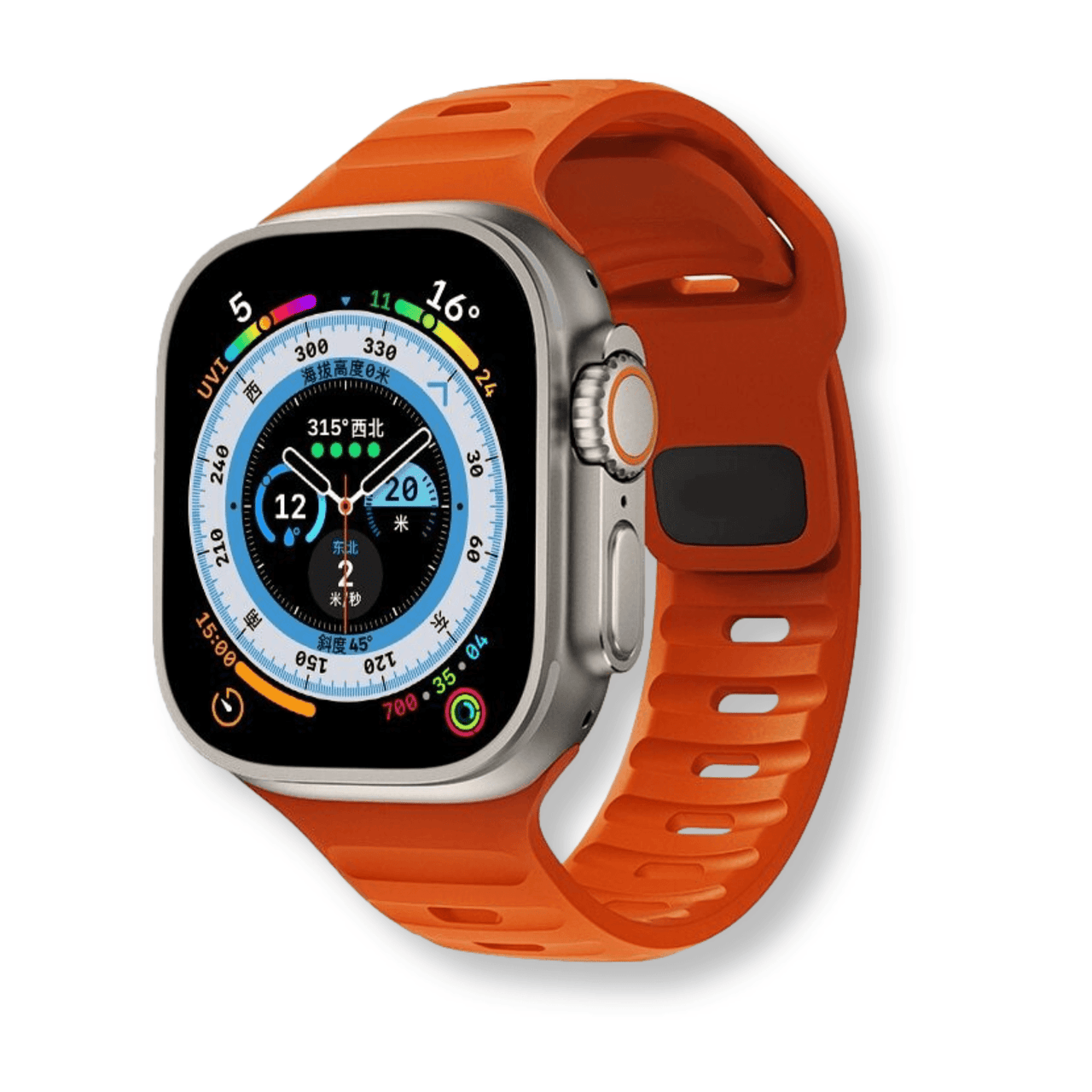
Now that you know your size, you can start shopping with total confidence. If you prefer a rugged, casual look, look through our collection of premium leather watch bands and straps. Alternatively, active wearers looking for water resistance and ultimate durability should explore our high-performance rubber and silicone watch bands designed for modern, active lifestyles.
6. Common Watch Band Sizing Pitfalls to Avoid
When studying how to measure wrist for watch band installations, there are a few frequent mistakes to watch out for. First, never measure your wrist too tightly. Your body naturally swells slightly due to temperature changes, physical exertion, or hydration levels throughout the day. It is always wise to add a couple of millimeters of breathing room to your final measurement.
Second, do not forget to check your lug width. The lug width refers to the space between the metal horns where the strap connects to the watch case. Even if a strap length fits your wrist circumference perfectly, it won't work if the width is too wide or narrow for your timepiece.
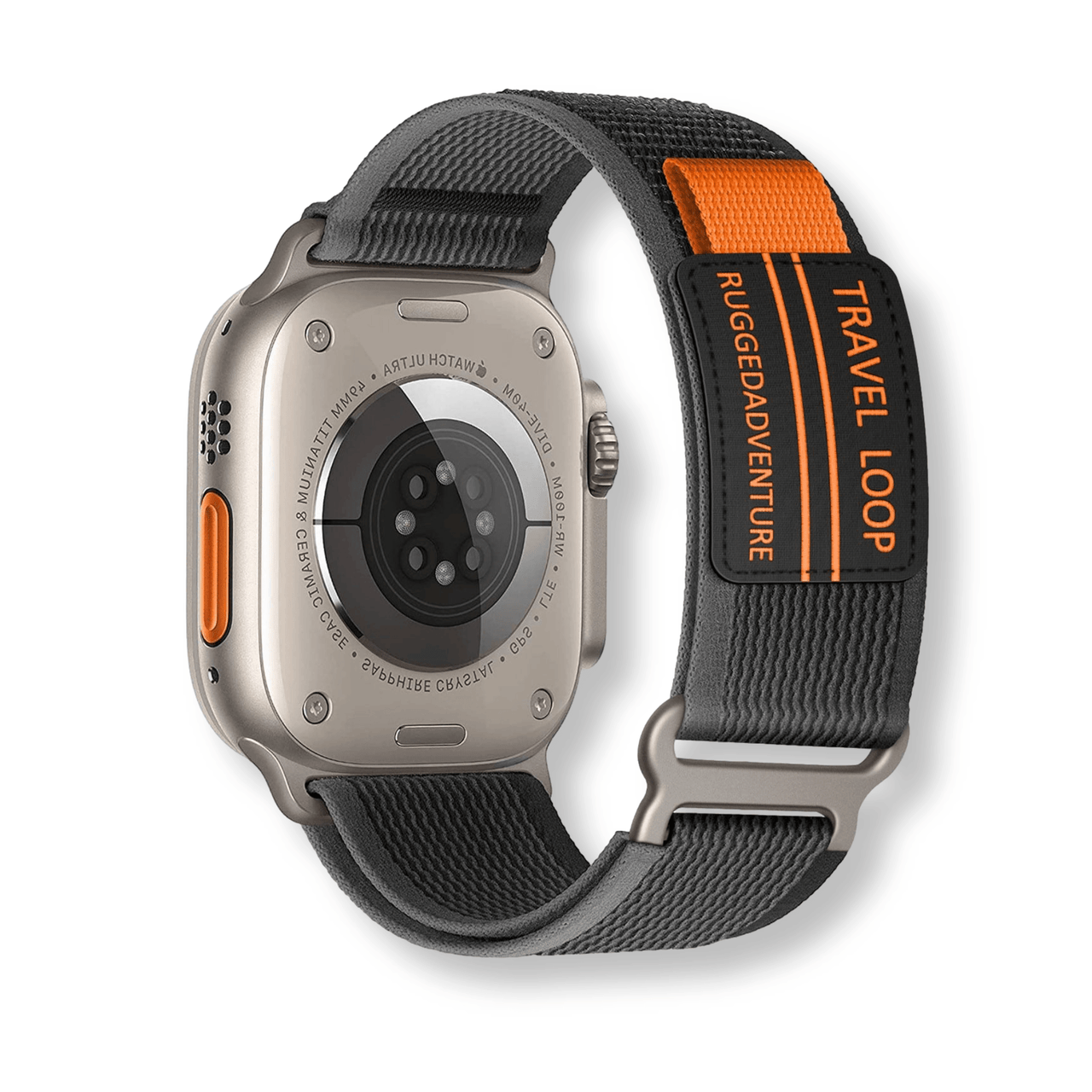
Finally, smartwatches often feature specialized connectors. If you wear a modern wearable, standard strap sizes might require adaptors. For instance, owners of newer models should review our Apple Watch Series 11 bands compatibility guide to ensure they purchase a system that fits both their wrist and their device seamlessly.
Frequently Asked Questions
How tight should a watch band fit?
A properly fitted watch band should be snug enough that the watch face does not spin or slide to the side of your wrist, but loose enough that it doesn't leave deep red marks or pinch your skin. You should ideally be able to slip your pinky finger comfortably under the band.
What is the average male and female wrist size?
The average male wrist size typically ranges from 180mm to 200mm (approx. 7 to 7.8 inches), while the average female wrist size is usually between 140mm and 170mm (approx. 5.5 to 6.7 inches). However, individual measurements vary widely, which is why measuring yourself is always recommended.
Does lug width affect wrist measurement calculations?
No, lug width refers specifically to the width of the band where it connects to the watch head (commonly 18mm, 20mm, or 22mm). Your wrist measurement, on the other hand, determines the necessary length of the band. Both metrics must be accurate to get a strap that works perfectly.
How do I measure my wrist for an Apple Watch band specifically?
To measure for an Apple Watch, use the flexible tape or paper strip method to find your exact wrist circumference. Then, cross-reference this measurement with Apple's official sizing chart, making sure to select a compatible width for your specific case size (e.g., 41mm, 45mm, or Ultra). You can view compatible options directly in our curated Apple Watch bands collection.
Can I adjust a watch band if I measured my wrist incorrectly?
Yes, many bands offer adjustment options. Leather and rubber straps feature several buckle holes, while metal link bracelets require you to add or remove physical metal links. If you need to make precise modifications to metal bracelets at home, check out our selection of premium watch accessories to find resizing tools designed for the job.
Ready to Find Your Perfect Fit?
Now that you have your exact wrist measurements, it is time to elevate your style. Browse our extensive inventory of high-quality bands, or pick up a handy watch repair tool kit to swap your straps at home like a seasoned professional.