Key Takeaways:
- Contact dermatitis from watch bands is usually triggered by nickel in metals or cheap dyes in synthetic materials.
- High-quality materials like FKM fluoroelastomer rubber, surgical-grade titanium, and vegetable-tanned leather are ideal for sensitive skin.
- Finding the correct hypoallergenic watch band size prevents the friction and moisture buildup that exacerbate rashes.
- Swapping your strap with a certified hypoallergenic watch band replacement is a quick, DIY process.
Table of Contents:
- 1. Understanding Contact Dermatitis & Watch Band Allergies
- 2. Top Hypoallergenic Watch Band Materials
- 3. Hypoallergenic Watch Band Size & Fit: Preventing Friction
- 4. Hypoallergenic Watch Band Compatibility Across Brands
- 5. DIY Hypoallergenic Watch Band Replacement Guide
- 6. How to Clean and Maintain Your Hypoallergenic Band
- 7. Choosing the Right Buckle: The Hidden Allergy Culprit
- Frequently Asked Questions
1. Understanding Contact Dermatitis & Watch Band Allergies
If you have ever developed an itchy, red rash under your watch strap, you are not alone. This skin irritation is typically caused by contact dermatitis, which occurs when your skin reacts to specific allergens or irritants. The primary culprit in traditional watch bands is nickel—a metal frequently used in stainless steel alloys, buckles, and pins.
In addition to metal allergies, cheap synthetic rubbers and toxic dyes can also cause severe reactions. Sweat and moisture trapped beneath a non-breathable band can exacerbate the issue, creating a breeding ground for bacteria. Upgrading to a dedicated hypoallergenic watch band is the most effective way to eliminate these irritants and restore comfort to your wrist.
When selecting a skin-friendly watch strap, it is crucial to look for materials that are chemically inert. This means they will not react with your sweat or skin oils. By choosing premium, biocompatible materials, you can enjoy wearing your timepiece all day without the constant discomfort of itching and redness.

2. Top Hypoallergenic Watch Band Materials
The material of your watch strap is the most critical factor in preventing skin allergies. Fortunately, there are several high-quality, comfortable options available today that look great while keeping your skin safe.
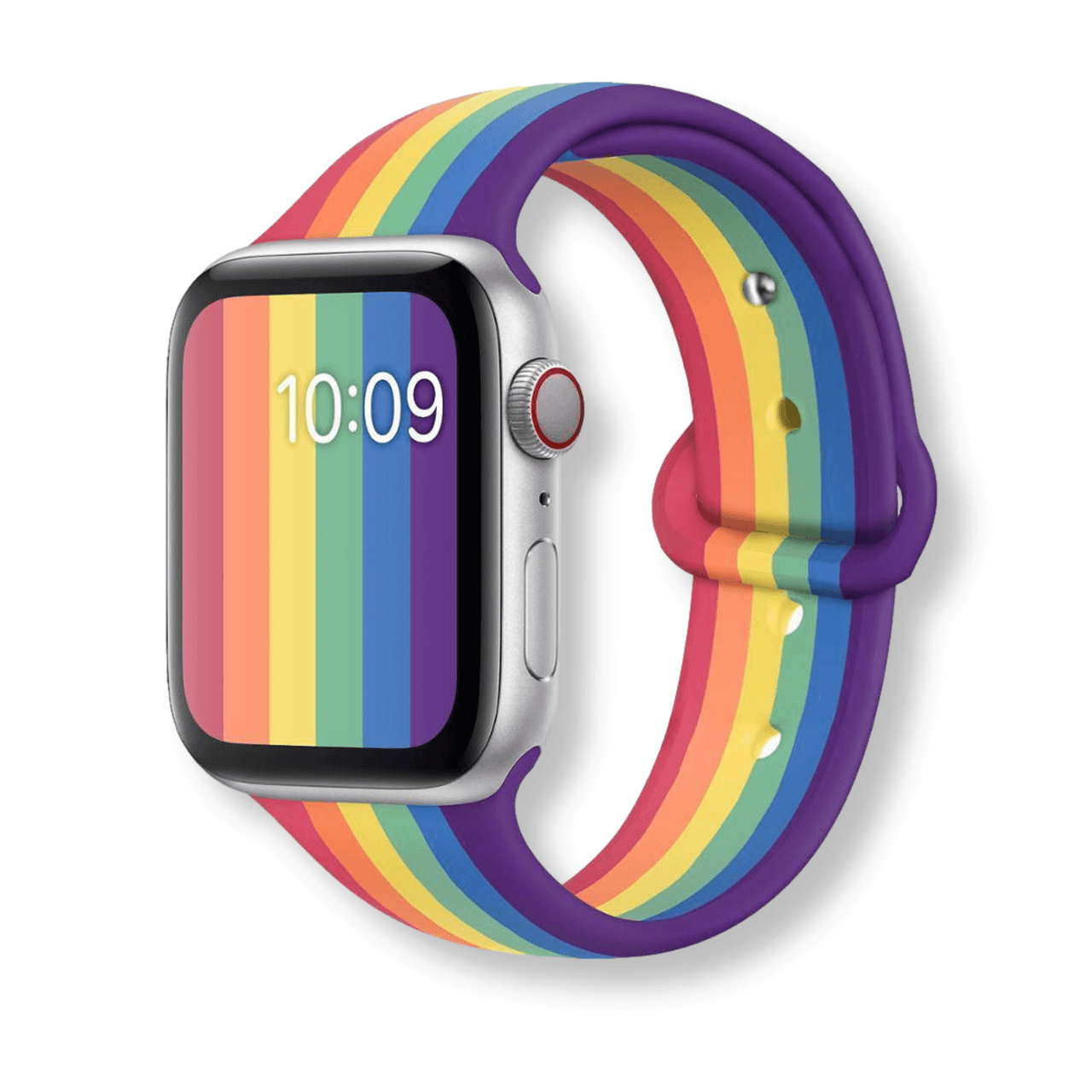
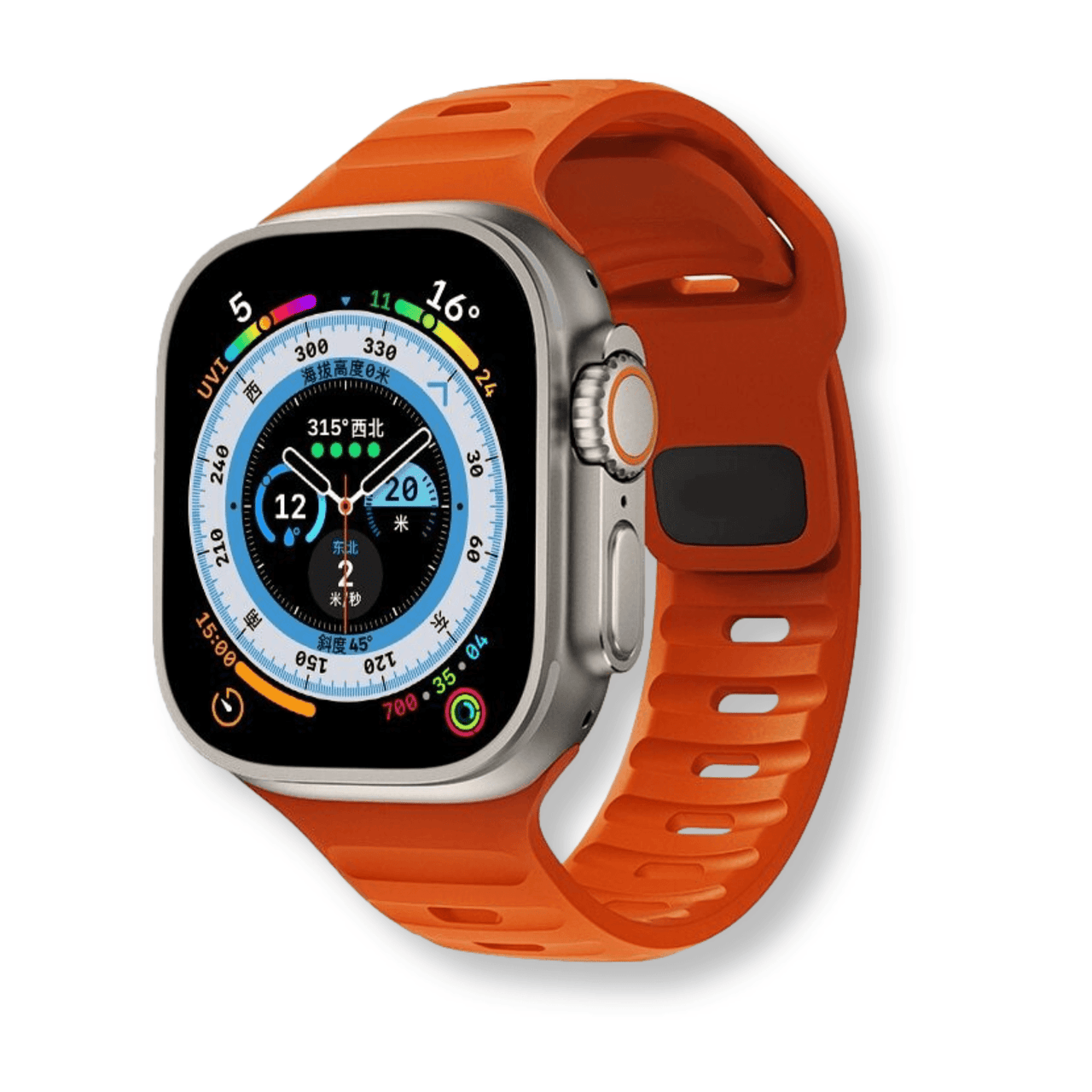
First on the list is FKM rubber and medical-grade silicone. Unlike cheap plastic straps, these premium elastomers are completely free of latex and toxic plasticizers. They are incredibly durable, waterproof, and smooth against the skin. You can explore a wide variety of these skin-safe options in our rubber and silicone watch bands collection.
If you prefer a classic, sophisticated aesthetic, high-quality leather is an excellent choice. However, you must avoid cheaply made leather straps that use harsh chromium tanning chemicals. Instead, opt for premium, vegetable-tanned leather. To find a safe, stylish leather option, browse our curated leather watch bands and straps.
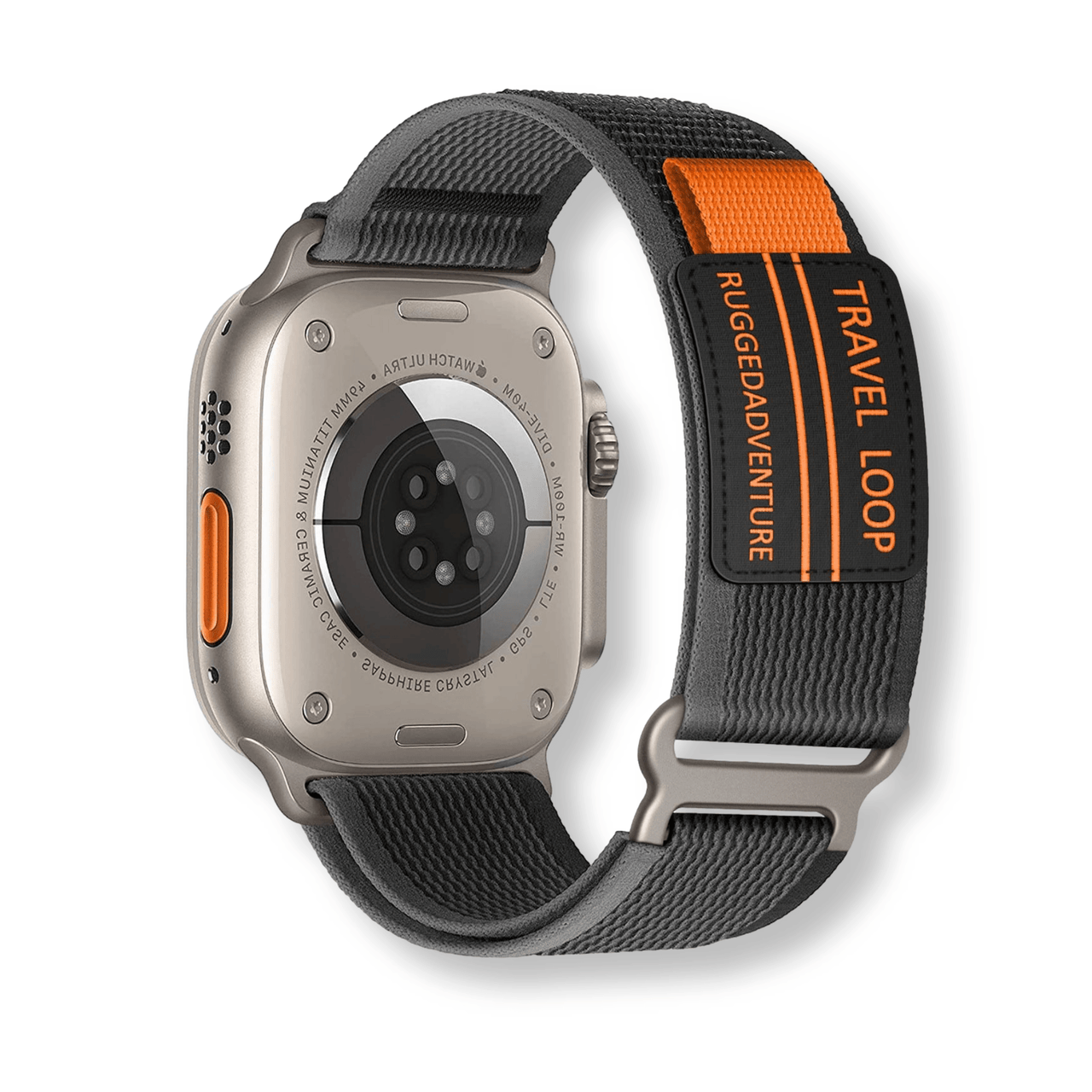
For those who love a sporty, casual look, ballistic nylon is another outstanding hypoallergenic alternative. High-quality nylon weave is highly breathable, lightweight, and washable, which helps prevent sweat-induced rashes. Check out our rugged and stylish NATO watch straps for the ultimate combination of comfort and durability.
3. Hypoallergenic Watch Band Size & Fit: Preventing Friction
Material is only half of the equation; choosing the correct hypoallergenic watch band size is equally vital for keeping skin irritation at bay. Even the most skin-friendly material can cause a rash if the band is poorly fitted, leading to friction and moisture entrapment.
If a watch strap is too tight, it will press hard against your skin, trapping sweat, soap residue, and dead skin cells. This creates a moist environment that quickly leads to fungal or bacterial irritation. Conversely, if the strap is too loose, it will constantly slide up and down your arm, causing chafing and micro-tears in the outer layer of your skin.
To find your perfect size, wrap a soft measuring tape around your wrist just behind the wrist bone. When installing your new hypoallergenic strap, adjust it so that you can comfortably slip one pinky finger underneath the band. This ensures proper airflow while keeping the watch securely in place.

4. Hypoallergenic Watch Band Compatibility Across Brands
When upgrading your watch strap, you do not have to worry about losing the smart features or the style of your favorite timepiece. Modern hypoallergenic watch band compatibility is incredibly broad, spanning across popular smartwatches and luxury mechanical timepieces alike.
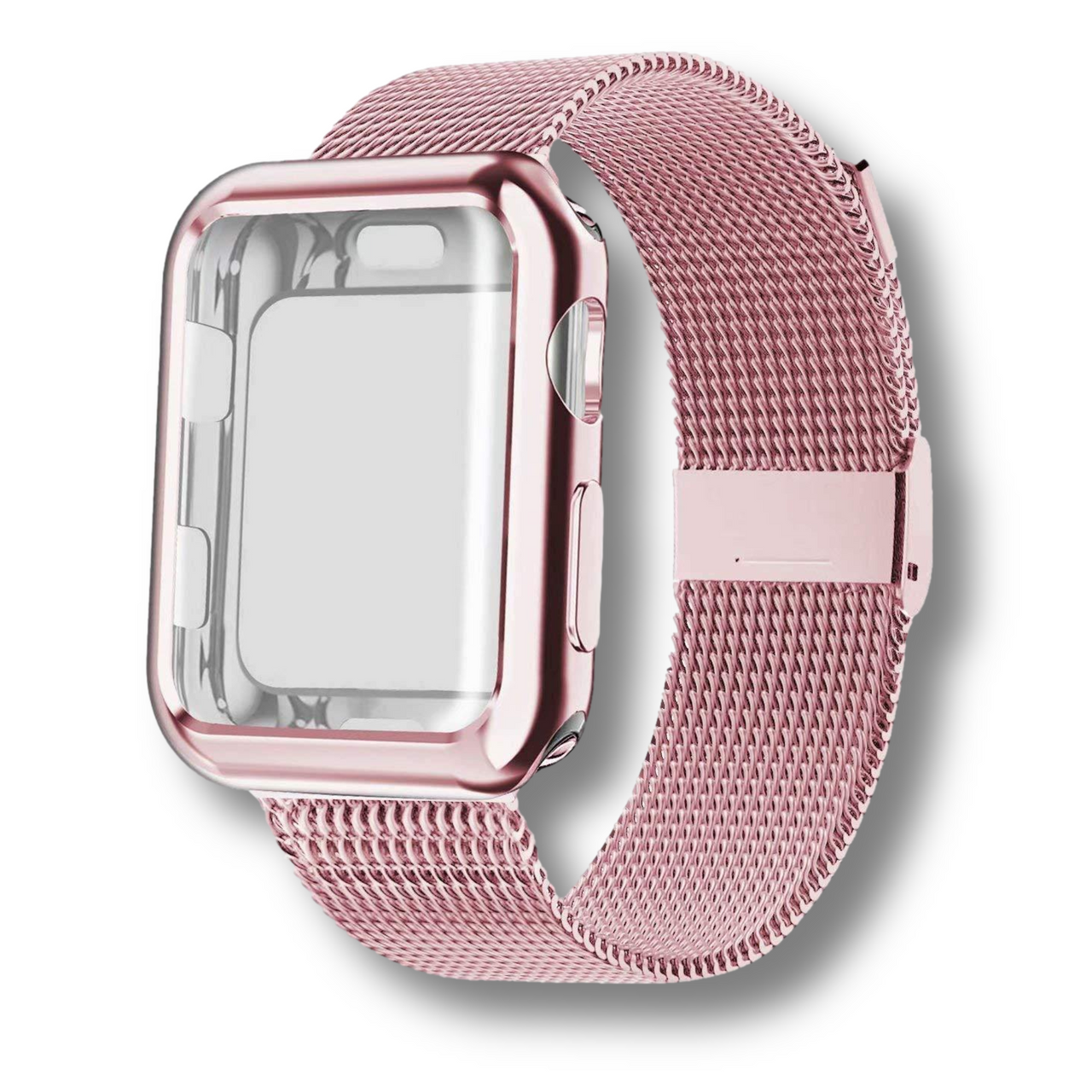
For Apple Watch users, swapping out the factory band is a common necessity, as many people experience reactions to the standard elastomer bands. We offer a diverse selection of skin-safe options designed specifically for your Apple device; visit our Apple Watch bands collection to explore your options. If you are sporting the latest hardware, be sure to consult our detailed Apple Watch Series 11 compatibility guide to ensure a seamless fit.
For traditional watch brands and other smartwatches like Garmin or Samsung, compatibility is determined by the lug width of your watch head (usually measured in millimeters, such as 18mm, 20mm, or 22mm). Once you know your lug width, you can easily pair your watch with any hypoallergenic strap of the corresponding size.
5. DIY Hypoallergenic Watch Band Replacement Guide
Performing a hypoallergenic watch band replacement is a simple DIY project that you can easily complete at home in just a few minutes. Upgrading your watch strap yourself saves time and gives you the freedom to swap styles whenever you please.
To begin, you will need a clean workspace and a few basic watch tools to avoid scratching your watch case. If your watch uses traditional spring bars, a spring bar tool is essential for safely releasing the old strap. We highly recommend using a high-quality watch spring bar remover to make the process effortless.
For a complete setup that allows you to adjust links, swap buckles, and maintain your collection, investing in a comprehensive watch repair tool kit is an excellent choice. If you want to learn more about DIY watch maintenance and strap swapping techniques, explore our library of guides in the Watch Compendium.

6. How to Clean and Maintain Your Hypoallergenic Band
Even if you are wearing the most advanced hypoallergenic watch band, skin irritation can still occur if the strap is dirty. Sweat, body oils, sunscreen, and soap residue can accumulate on the underside of the band over time, mimicking an allergic reaction.
To keep your skin healthy, establish a regular cleaning routine. For silicone, FKM rubber, and nylon straps, wash them weekly with warm water and a tiny drop of mild, fragrance-free dish soap. Use a soft-bristled toothbrush to gently scrub away any buildup, rinse thoroughly, and let the band air dry completely before putting it back on your wrist.
Leather straps require slightly more delicate care. Avoid soaking leather in water; instead, wipe it down with a damp, soft cloth and allow it to dry naturally. Keeping your watch bands clean and completely dry is just as important as selecting the right material in the fight against skin allergies.
7. Choosing the Right Buckle: The Hidden Allergy Culprit
You might purchase a premium, organic leather or pure silicone strap only to find that your wrist still breaks out. In many cases, the culprit is not the band itself, but the metal buckle or clasp. Most standard watch buckles are made of stainless steel, which frequently contains small amounts of nickel.
For individuals with severe nickel allergies, even minimal exposure can trigger contact dermatitis. To prevent this, look for watch bands paired with buckles made from titanium, ceramic, or surgical-grade plastic. Titanium is completely biocompatible and widely used in medical implants because it does not react with human tissue.
Alternatively, you can customize your existing hypoallergenic strap by swapping out the standard buckle for a certified nickel-free alternative. To find high-quality replacement clasps, pins, and other essential watch hardware, browse our dedicated watch accessories collection.

Frequently Asked Questions
What is the best watch band material for sensitive skin?
FKM rubber, medical-grade silicone, vegetable-tanned leather, and titanium are the best materials for sensitive skin. They are chemically inert, durable, and free from the nickel and harsh chemicals that typically trigger skin allergies.
Can silicone watch bands cause allergic reactions?
While pure medical-grade silicone is hypoallergenic, cheap silicone bands can contain latex or chemical fillers that irritate the skin. Additionally, sweat trapped beneath any silicone band can cause a rash, so regular cleaning is essential.
How do I know my hypoallergenic watch band size?
To determine your size, measure your wrist circumference with a flexible tape measure and match it to the strap length. Also, measure the distance between the lugs of your watch head (in millimeters) to ensure a proper fit.
How often should I clean my hypoallergenic watch band?
You should clean your watch band at least once a week, or immediately after intense workouts. Washing away sweat, bacteria, and soap residue prevents friction-based rashes and keeps your skin healthy.
Does a hypoallergenic watch band replacement include the buckle?
Most replacement bands come with a pre-installed buckle. However, always check the product details to ensure the buckle is also made from a hypoallergenic material like titanium, ceramic, or high-grade stainless steel.
Upgrade to Ultimate Wrist Comfort Today
Don't let skin irritation keep you from wearing your favorite watch. Investing in a premium hypoallergenic watch band allows you to enjoy stylish, worry-free wear all day long. Whether you are looking for a high-performance FKM rubber strap for your workouts, a classic vegetable-tanned leather band for the office, or a rugged NATO strap for your weekend adventures, we have the perfect skin-safe solution for you. Explore our full range of allergy-free watch straps at watchband.direct today!
📌 Complete Guide
For the full guide, see our Apple Watch.