Key Takeaways
- The Fitbit Charge 4 is highly versatile, with interchangeable bands available in silicone, leather, metal, and woven fabrics to suit any occasion.
- Understanding compatibility is crucial; while Charge 4 shares a connector with the Charge 3, it requires specific bands distinct from the Charge 5.
- Proper maintenance, including regular cleaning and correct sizing, extends the lifespan of both your tracker and your strap.
- Your choice of material should align with your lifestyle—silicone for active fitness, leather for the office, and metal for evening wear.
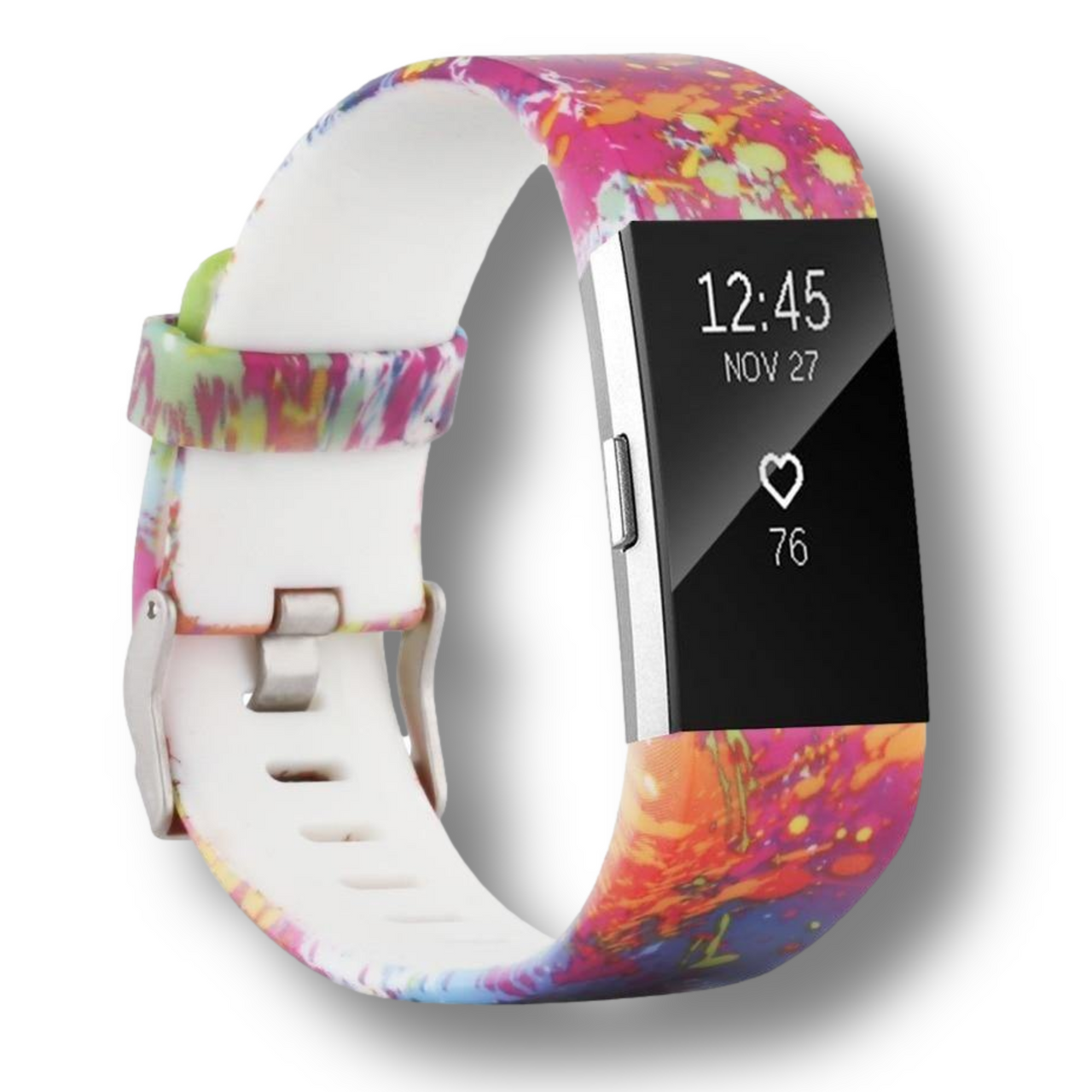
- Customization allows you to transform a standard fitness tracker into a personalized fashion statement.
Table of Contents
- Choosing the Perfect Band: Compatibility and Selection
- Deep Dive into Materials: Leather, Metal, and Silicone
- Matching Your Strap to Your Lifestyle
- Care, Maintenance, and Personalization
- Frequently Asked Questions
- All Fitbit Charge 4 Articles
Choosing the Perfect Band: Compatibility and Selection
The **Fitbit Charge 4** remains one of the most popular fitness trackers on the market, largely due to its robust feature set and reliable GPS. However, the stock band that comes in the box is rarely enough to cover every aspect of a modern lifestyle. Whether you are upgrading for comfort, style, or necessity, understanding how to select the right strap is the first step in elevating your wearable experience. Navigating the world of replacement bands can be overwhelming given the sheer volume of options available at our Fitbit collection. The selection process starts with understanding the specific connection mechanism of the Charge 4. Unlike standard watches that use universal pins, Fitbit trackers use proprietary latching systems. This ensures a secure fit during intense workouts but requires you to be vigilant about compatibility. Many users often confuse the different generations of Charge trackers. It is vital to note that while the Charge 3 and Charge 4 share compatibility, the newer Charge 5 utilizes a completely different latch system. Before purchasing, always verify that the band is specifically designed for the Charge 4 chassis to avoid disappointment.
📖 Fitbit Charge4 Band Compatibility Guide - watchband.direct — A technical breakdown of which bands fit your specific tracker model.
📖 Comparing Fitbit Charge 4 and Charge 5 Bands — An essential read detailing the physical differences between these two popular generations.
Once you have confirmed compatibility, the next step is finding a band that resonates with your personal aesthetic and wrist anatomy. Not all bands fit all wrists equally; some are designed for slender profiles, while others offer a more rugged, substantial feel.
📖 A Guide to Choosing the Right Fitbit Charge 4 Band — Comprehensive advice on selecting a strap that meets your specific needs.
📖 Finding the Right Fitbit Charge 4 Band for You — Tips on matching band styles to your personality and daily requirements.
📖 Fitness Tracker Bands: Fitbit Charge 4 vs. Other Brands — See how the Charge 4's accessory ecosystem stacks up against competitors.
Deep Dive into Materials: Leather, Metal, and Silicone
Once you've tackled the basics of compatibility, the fun begins: choosing materials. The material of your **Fitbit Charge 4** band dictates not only how the watch looks but also how it performs in different environments. At Watch Compendium, we believe that having a rotation of bands is the best way to get the most out of your device. Silicone is the default choice for a reason. It is waterproof, sweat-resistant, and incredibly durable. High-quality silicone bands are soft to the touch and hypoallergenic, making them perfect for 24/7 wear. However, for those looking to dress up their tracker, silicone can sometimes look too sporty for a boardroom meeting or a dinner date.
📖 Exploring the Versatility of Fitbit Charge 4 Silicone Bands — Discover why silicone remains the king of versatility for fitness trackers.
For a more sophisticated look, leather is the gold standard. A genuine leather strap instantly transforms the Charge 4 from a piece of tech into a classic timepiece accessory. It pairs well with business casual attire and adds a warm, organic texture to your wrist. Keep in mind that leather requires different care than silicone and generally shouldn't be worn in the shower or pool.
📖 Exploring Leather Bands for Fitbit Charge 4 — A look at how leather straps can elevate the aesthetic of your tracker.
If you prefer something more jewelry-like or industrial, metal bands are an excellent choice. Milanese loops and stainless steel link bracelets offer durability and breathability. They are particularly good for formal events where a rubber strap might clash with your outfit.
📖 The Best Metal Bands for Fitbit Charge 4 — A review of the top stainless steel and mesh options available.
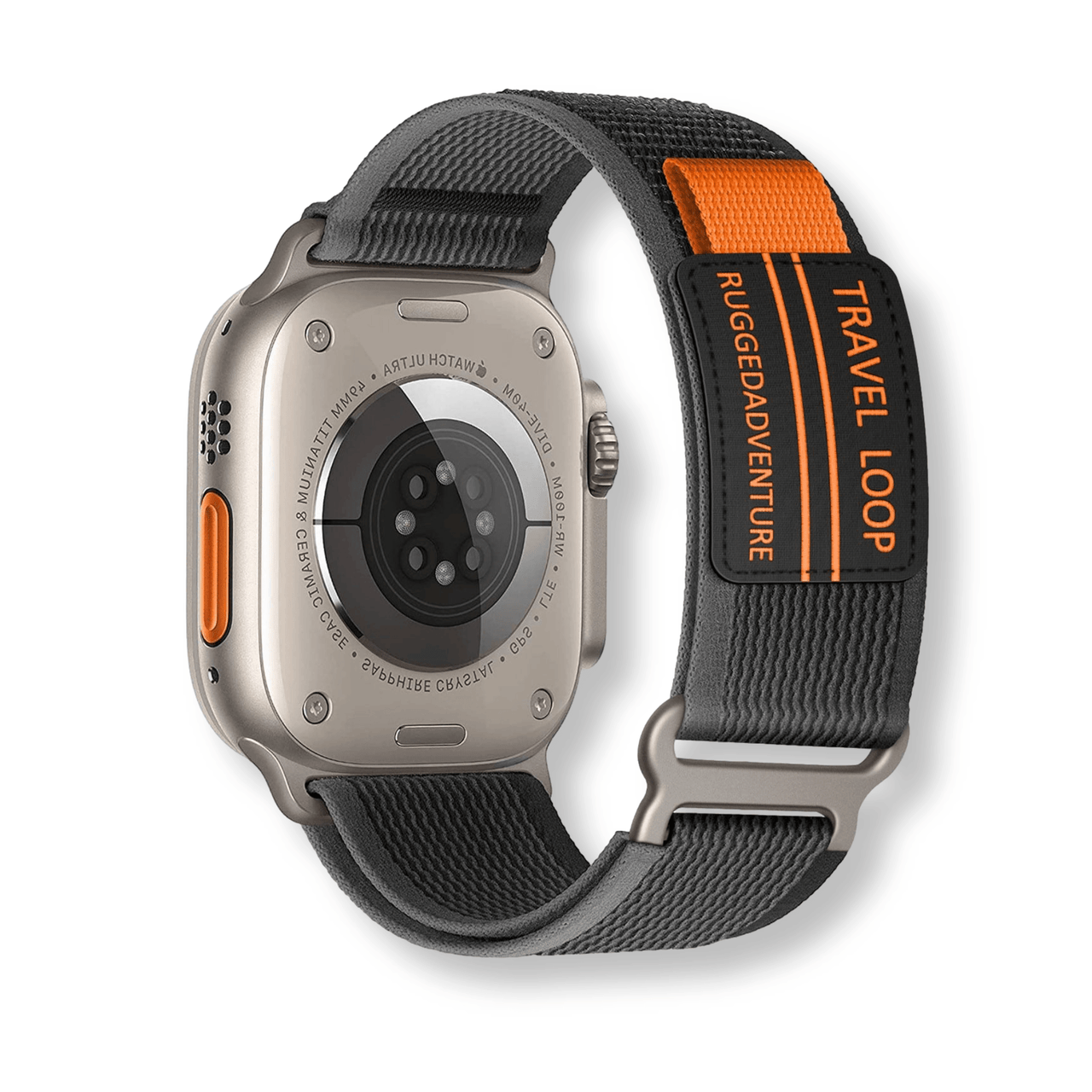
Beyond the "big three" materials, there are woven nylon and handmade options. Woven bands are lightweight and breathable, offering a casual, comfortable vibe that is great for sleep tracking.
📖 A Review of Woven Accessory Bands for Fitbit Charge 4 — Analyzing the comfort and breathability of fabric bands.
📖 Top 10 Replacement Bands for Fitbit Charge 4 — A curated list of the absolute best bands across all material categories.
📖 Exploring Unique and Handmade Fitbit Charge 4 Bands — For those seeking one-of-a-kind artisan straps.
Matching Your Strap to Your Lifestyle
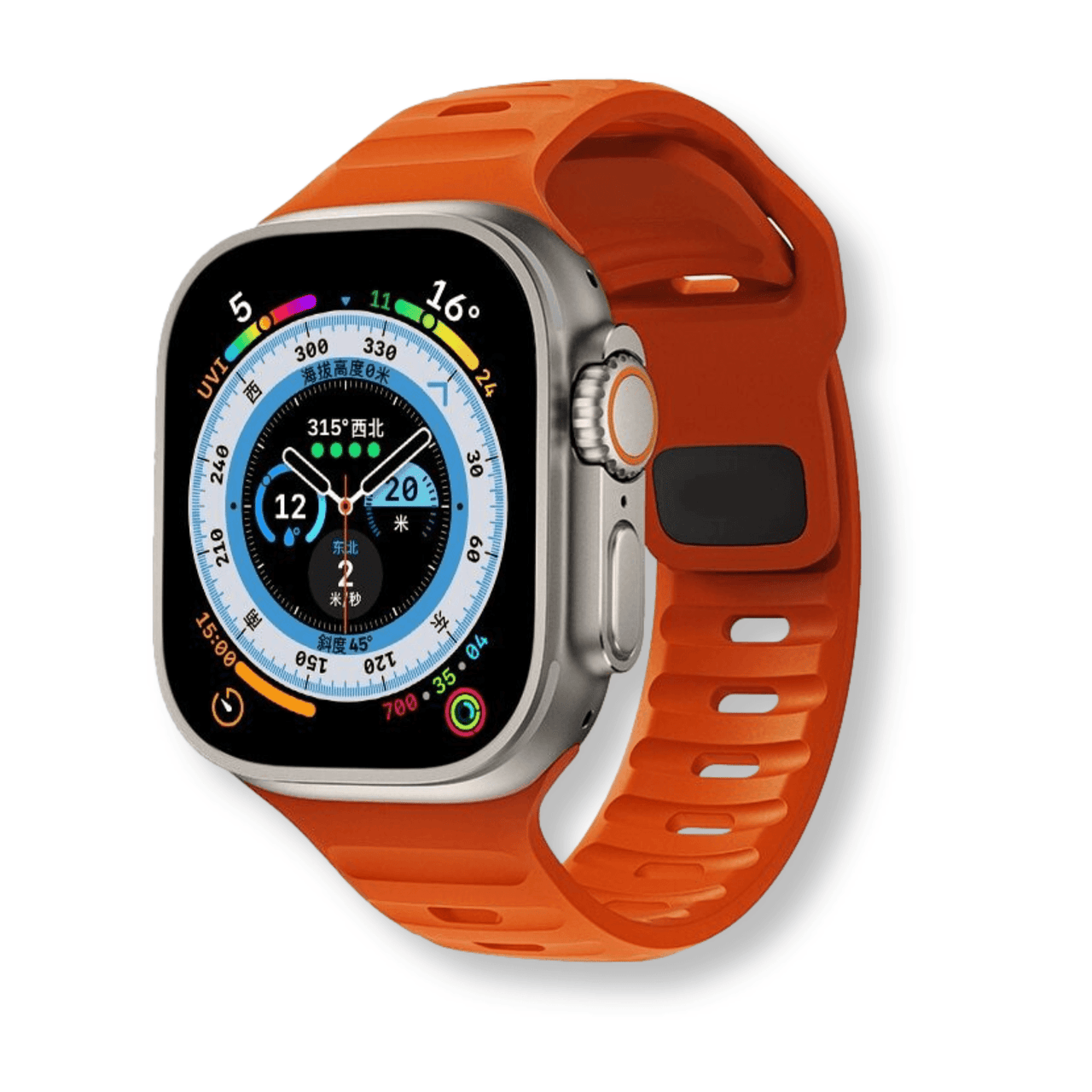
Your **Fitbit Charge 4** is designed to track your life, so your band should be able to keep up with it. The concept of "lifestyle matching" involves swapping your bands based on the activity at hand. This not only prolongs the life of your bands by reducing wear and tear but also ensures you are always comfortable. For the fitness enthusiast, breathability and security are paramount. A loose band results in inaccurate heart rate data, while a band that traps sweat can cause skin irritation. Perforated silicone bands or specialized sport loops are ideal here as they allow air to circulate and moisture to escape during high-intensity interval training or long runs.
📖 Fitbit Charge 4 Bands for Active Lifestyles — The best options for runners, swimmers, and gym-goers.
However, life isn't just about the gym. Modern trends in wearable technology emphasize the fusion of fashion and function. You shouldn't have to take off your tracker just because you are going to a wedding or a client presentation. By utilizing quick-release mechanisms, you can switch from "gym mode" to "office mode" in seconds.
📖 Fitbit Charge 4 Bands: Fashionable and Functional — How to bridge the gap between utility and high fashion.
Keeping up with trends is also part of the fun. Seasonal colors, patterns, and new material blends are constantly being released. Whether you prefer a minimalist look or something bold and colorful, there is a trend to suit your taste.
📖 Stylish and Functional Bands for Fitbit Charge 4 — A guide to bands that look good without sacrificing smart features.
📖 The Latest Trends in Fitbit Charge 4 Bands — Stay ahead of the curve with the newest styles hitting the market.
Care, Maintenance, and Personalization
Owning a premium collection of bands for your **Fitbit Charge 4** requires a bit of maintenance. Sweat, lotions, and dirt can build up on bands over time, potentially leading to skin irritation or degrading the material. Silicone is easy to wash with soap and water, but leather requires specialized conditioners to prevent cracking. Metal bands may need occasional polishing to maintain their shine. Proper fit is equally important. A band that is too tight can restrict blood flow, while one that is too loose will cause the heavy tracker face to flop around on your wrist. Adjusting links on a metal band or finding the right hole on a buckle strap ensures optimal sensor performance and comfort.
📖 How to Clean and Maintain Fitbit Charge 4 Bands — Essential cleaning protocols for every material type.
📖 A Guide to Adjusting the Fit of Fitbit Charge 4 Bands — Step-by-step instructions for achieving the perfect fit.
Finally, don't be afraid to personalize. Your Fitbit is a reflection of you. Beyond just swapping the band, you can add accessories or mix and match colors to create a unique look. Upgrading your band game is the easiest way to make your old device feel brand new again.
📖 Customizing Fitbit Charge 4 Bands with Accessories — Ideas for adding charms and unique touches to your strap.
📖 How to Personalize Your Fitbit Charge 4 with Bands — Strategies for coordinating your watch with your personal style.
📖 Upgrading Your Fitbit Charge 4 Band Game — Taking your wearable experience to the next level.
Frequently Asked Questions
1. Are Fitbit Charge 3 bands compatible with the Fitbit Charge 4?
Yes, the Fitbit Charge 3 and Charge 4 share the exact same connector mechanism and physical dimensions. You can use bands interchangeably between these two models without any issues.2. Can I wash my leather Fitbit Charge 4 band?
No, you should not submerge leather bands in water. Water can cause leather to warp, stain, or become brittle. Instead, wipe them down with a slightly damp cloth and use a leather conditioner for long-term care.3. How do I remove the band from my Fitbit Charge 4?
Turn the tracker over and locate the two buttons where the band meets the tracker body. Press the button down to release the latch, and gently pull the band away from the tracker.4. Is the Fitbit Charge 4 waterproof with all bands?
The Fitbit Charge 4 tracker itself is water-resistant up to 50 meters. However, not all bands are water-resistant. Silicone, woven (synthetic), and some metal bands are fine for water, but leather and certain luxury metal bands should be kept dry.5. Why is my Fitbit Charge 4 band causing a rash?
This is usually caused by trapped sweat, soap residue, or a band that is too tight. To prevent irritation, regularly clean your band, dry your wrist after workouts, and give your wrist a break by taking the tracker off for an hour occasionally.All Fitbit Charge 4 Articles
Selection & Compatibility
- Choosing the Right Band
- Compatibility Guide
- Charge 4 vs Charge 5 Bands
- Finding the Right Band for You
- Charge 4 vs Other Brands