A watch band for exercise should fit securely, suit your activity and be easy to care for afterward. The label “sweat-proof” is not a promise that your wrist will stay dry, that irritation is impossible, or that the watch itself is protected from water. Check the specifications of the actual band and watch separately.
Choose the material for your routine
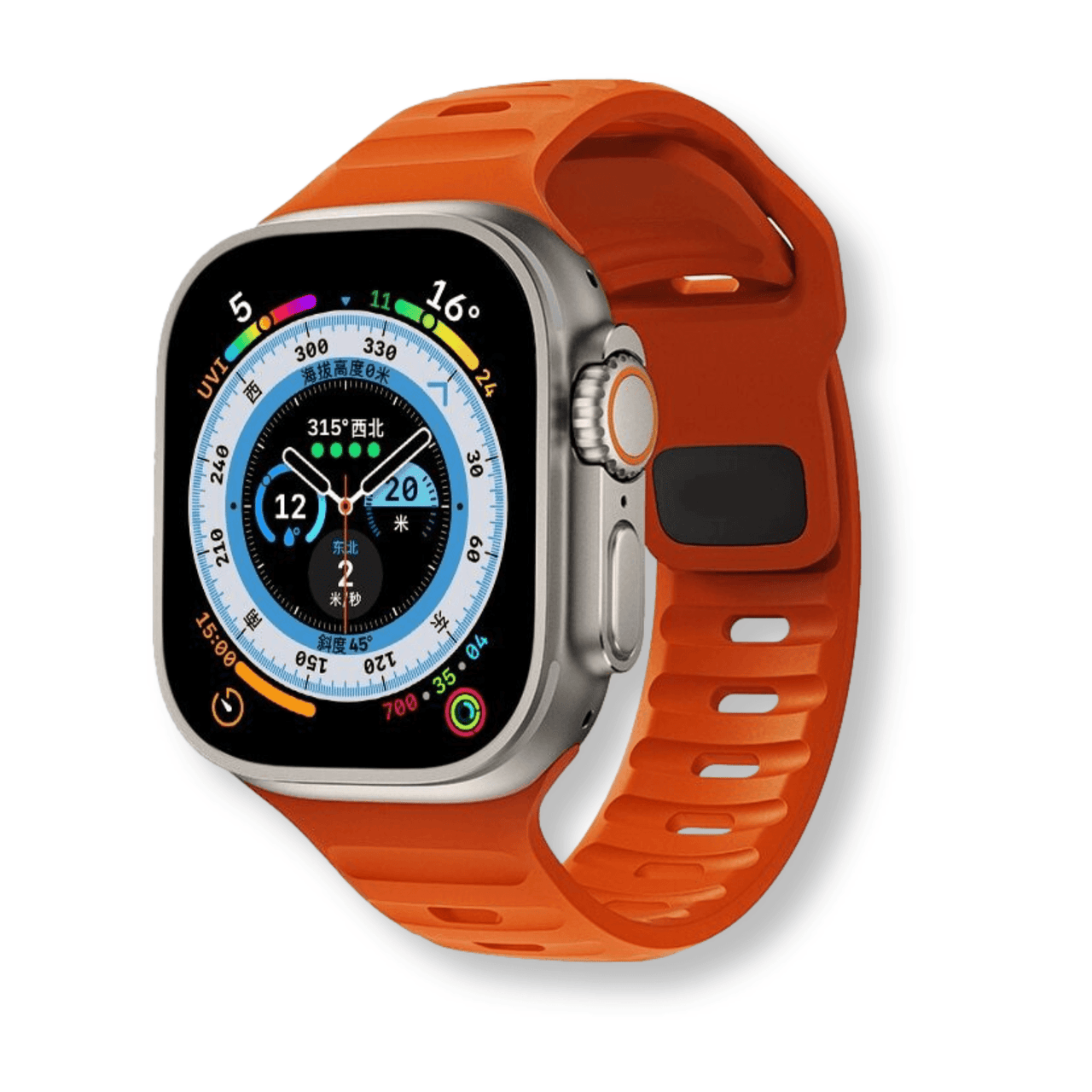
- Silicone and rubber: often practical options for exercise, provided the particular band is approved for that use. A non-absorbent surface does not wick sweat away from your skin; remove and clean accumulated moisture after exercise. Buckles, coatings and connectors also matter.
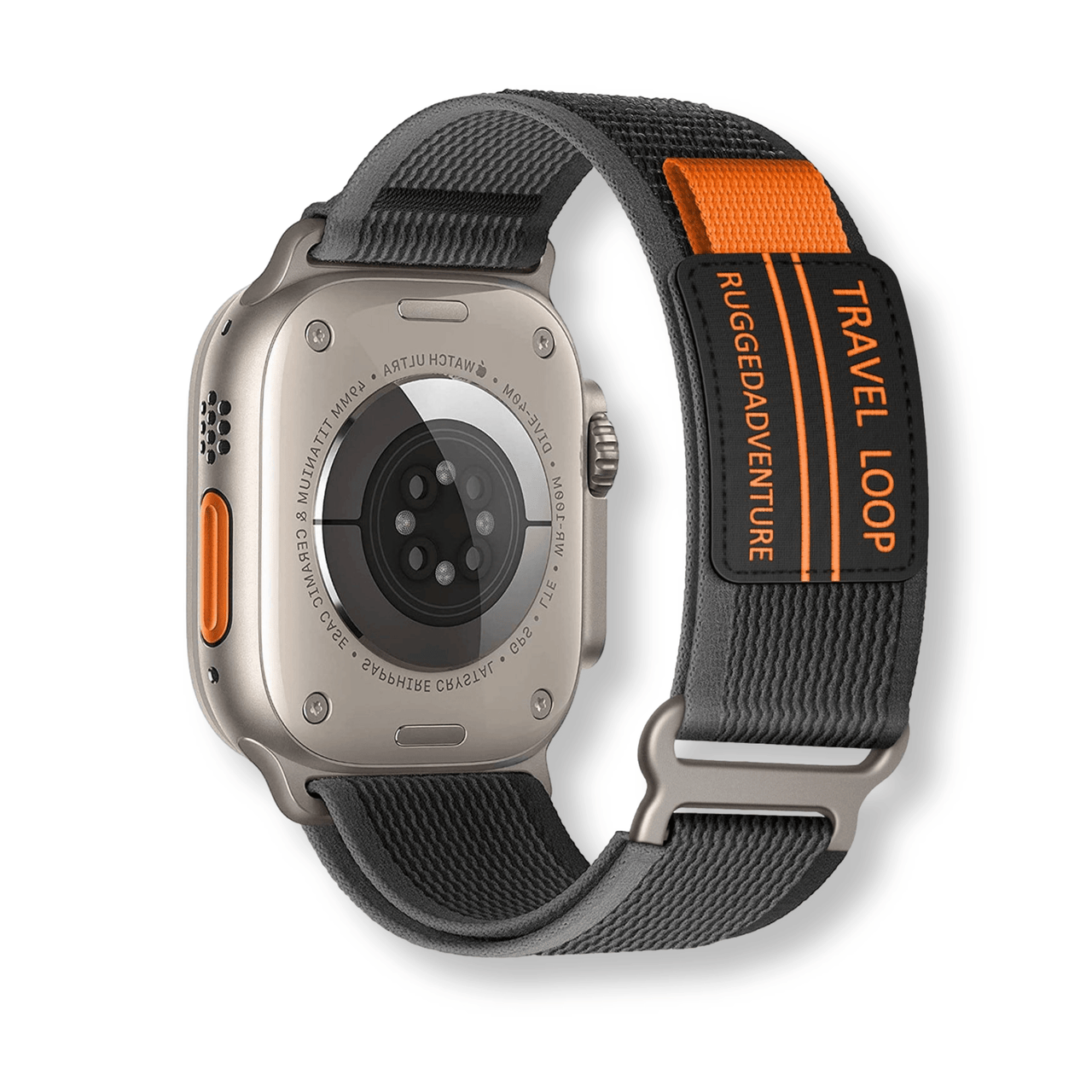
- Textile bands: comfort, drying time and cleaning instructions vary by weave and construction. Do not assume every nylon or woven band is suitable for swimming.
- Leather: do not assume a coating makes a leather strap suitable for repeated soaking. Apple specifically advises against soaking its leather bands. Follow the instructions for your own strap.
- Metal: water suitability depends on the actual bracelet, finish and manufacturer instructions. It is not safe to treat all metal bands as either waterproof or unsuitable.
Check compatibility and fit before buying
Match the exact watch model and connector system. For a conventional strap, confirm the measured lug width and the required attachment hardware; wrist circumference determines strap length, not lug width. For a proprietary connector, use the band maker’s compatibility list. Choose a size that closes securely without pressure, numbness or rubbing.
Apple recommends a snug but comfortable fit with room for skin to breathe and notes that you may tighten the band for a workout and loosen it afterward. This is Apple Watch guidance, not a universal sizing specification for every watch. A thicker band is not automatically more secure or durable.
After each workout
- Remove the band if its instructions call for separate cleaning. Do not soak the entire watch merely because the band can be washed.
- Use the band manufacturer’s cleaning method. Apple’s instructions distinguish between leather, fabric and other materials; its product-specific advice should not be applied indiscriminately to third-party bands.
- Dry the band and your skin before wearing it again. Allow fabric or leather the drying time its maker recommends. Avoid heat unless explicitly permitted.
- Check the closure, attachment points and material for damage. Stop wearing a band with a loose fastening, torn attachment or damaged connector.
Sweat resistance is not a skin-safety guarantee
Any band can cause discomfort if it traps moisture, rubs, fits poorly or contains a material you react to. “Silicone” is not a guarantee that a complete band, including its clasp and adhesives, is allergy-free. Stop wearing it if irritation develops and seek medical advice if symptoms persist.
Useful next steps
For conventional quick-release spring bars, see our quick-release fitting guide. Apple Watch owners can consult our Apple Watch band guide. Confirm compatibility on the specific product before ordering.
Sources and scope
Apple: cleaning the watch and band and Apple: fit, materials and skin sensitivities. These manufacturer sources describe Apple products; they do not certify third-party bands. No independent product wear test is claimed in this guide.