Key Takeaways
- Watch clasps endure heavy daily wear, making them one of the most common and accessible DIY repair jobs.
- Understanding your specific clasp type—whether it's a deployment clasp, butterfly, or pin buckle—is crucial before starting.
- Using a proper watch spring bar tool prevents accidental scratches and makes removal effortless.
- While many watch clasp repairs can be done at home, significant structural damage to luxury watches requires a professional touch.

Table of Contents
- What Are the Different Types of Watch Clasps?
- What Tools Are Needed for Clasp Repair?
- How Do You Fix and Replace a Watch Clasp?
- When Should You Consider Professional Repair?
- Frequently Asked Questions
What Are the Different Types of Watch Clasps?
When it comes to securing your timepiece, understanding the different types of watch clasps is essential for both functionality and style. The right clasp ensures your watch stays firmly on your wrist while adding a touch of elegance.
Deployment Clasps are highly versatile and widely used by luxury brands like Rolex. They feature a series of hinges that fold over themselves, providing a secure and user-friendly locking mechanism. This type is favored for both heavy metal bracelets and dress watches.
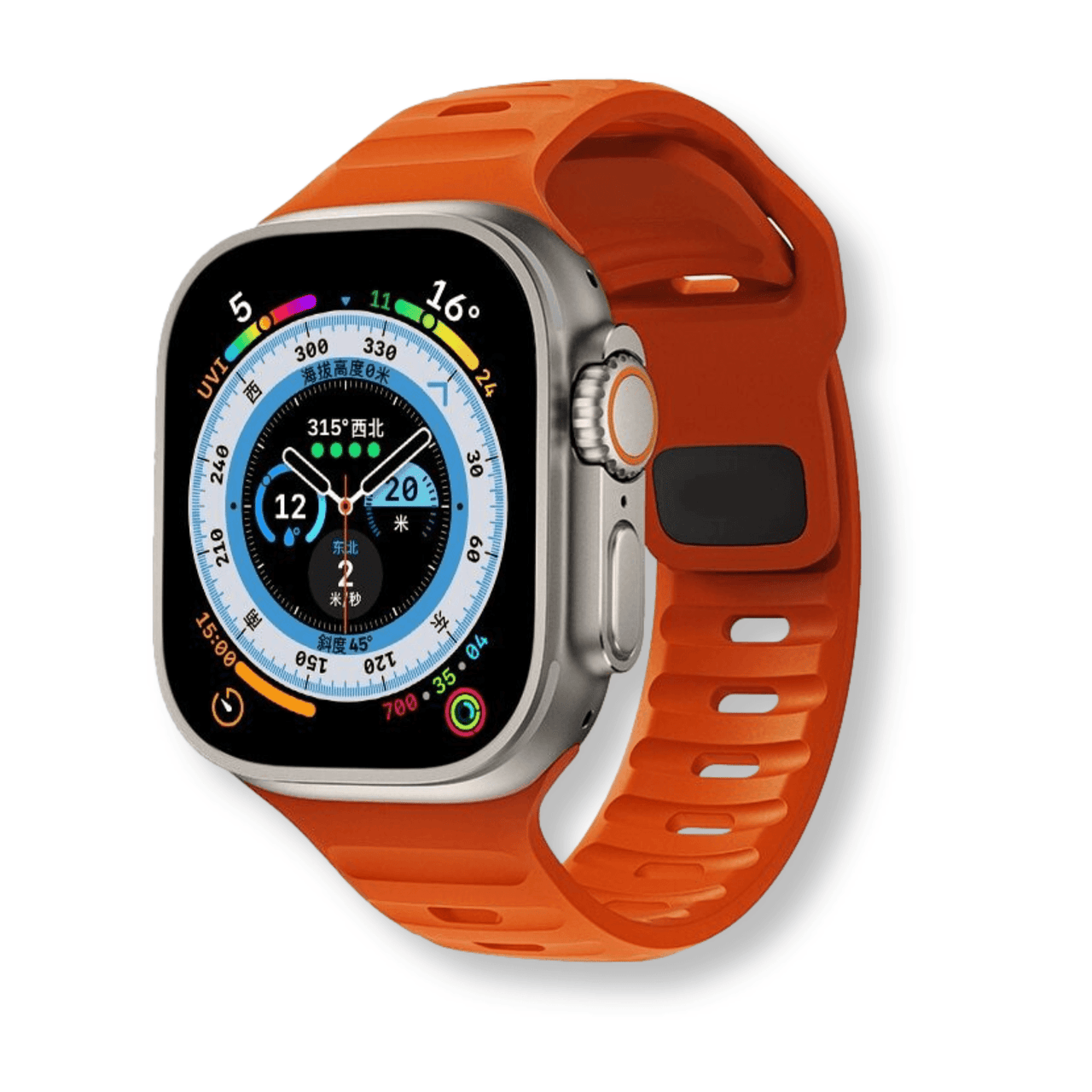
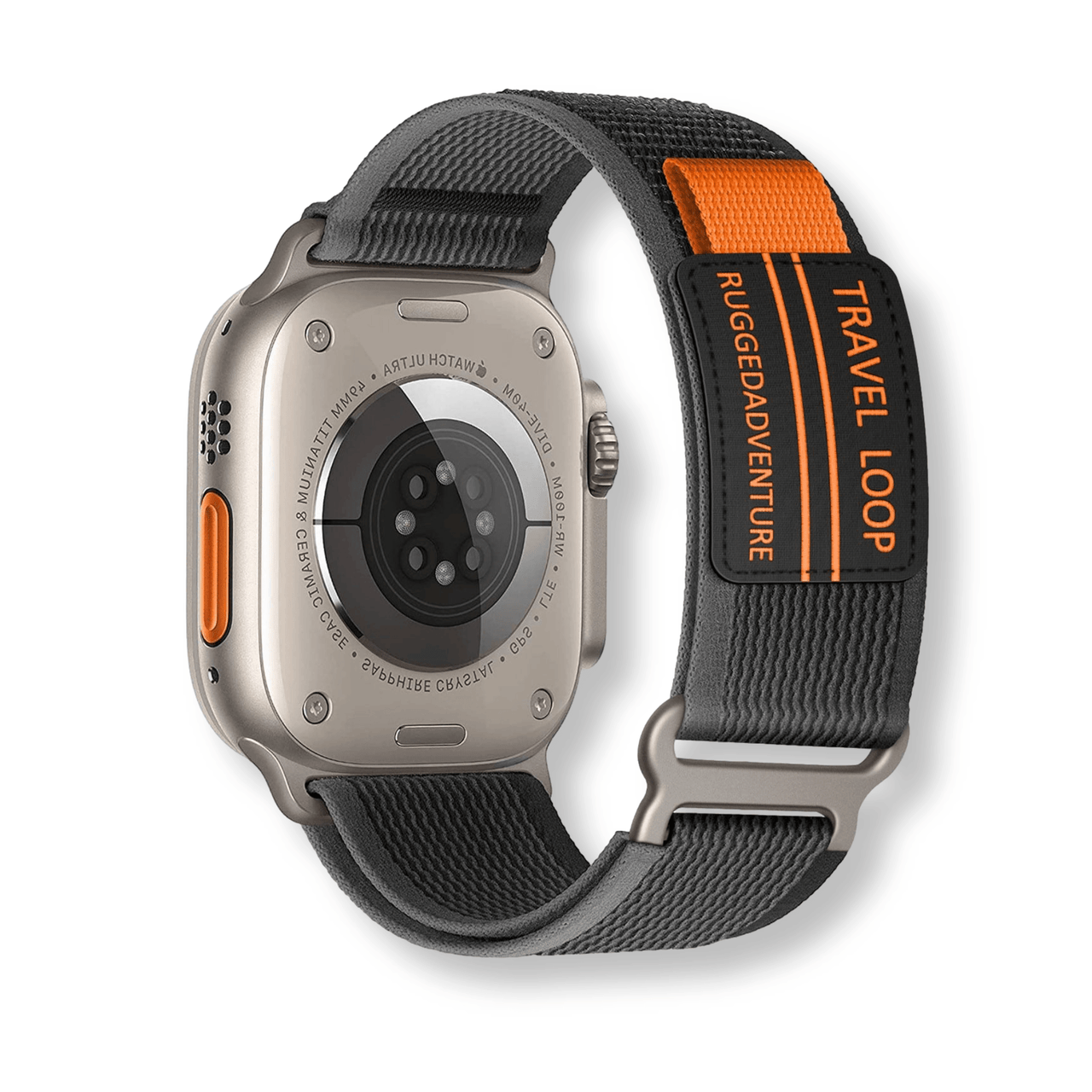
The traditional Pin, Tang, or Ardillon Buckle is a simpler closure that utilizes a pin fitting into perforated holes. This is the standard choice for leather watch bands, rubber straps, and rugged NATO watch bands. It offers an easily adjustable fit for any wrist size.
Butterfly Clasps are a specialized folding variant that unfolds like wings. This creates a seamless, hidden look that is highly popular in high-end luxury watches. Meanwhile, Sliding Buckles are typically featured on steel mesh bracelets, allowing for infinite, millimeter-perfect adjustments without the need for sizing holes.

What Tools Are Needed for Clasp Repair?
Attempting a watch clasp repair without the right equipment is a fast track to scratching your case or losing tiny components. Having specialized tools on hand ensures a smooth, damage-free process.
Your most critical tool is a high-quality watch spring bar remover. This specialized instrument features a tiny, forked end designed to grip and compress the internal spring bars. It makes removing and securing the clasp mechanism incredibly efficient.
You will also need a pair of precision pliers for watches. Pliers allow you to make micro-adjustments to bent or misaligned deployment clasps. They are excellent for ensuring the clasp clicks securely back into its locking position.
Finally, always work on a soft microfiber cloth. This creates a cushioned, anti-slip surface that protects your watch face from scratches. If you're new to horology, investing in a complete watch repair tool kit is highly recommended, as it bundles all these essential items together.

How Do You Fix and Replace a Watch Clasp?
Identifying the problem is your very first step before attempting any physical repairs. Examine your watch clasp under good lighting to determine if you are dealing with a bent hinge, a snapped pin, or just accumulated debris.
To begin a standard watch clasp replacement, place your watch face-down on your soft cloth. Use your spring bar tool to carefully grab the flange of the spring bar. Apply inward pressure to compress it, then gently slide the old buckle or clasp out of the strap loop.
If you are simply fixing a misaligned push-button clasp, you may not need to remove it completely. Often, using a small screwdriver to clear out lint and debris, followed by a slight tension adjustment with your pliers, will restore its sharp "click."
To install a new clasp, slide the buckle under the band's pinhole. Insert the new spring bar, compress it with your tool, and carefully slide it between the lugs until it snaps satisfyingly into place. Always give the band a firm tug to ensure it is fully locked before wearing.

When Should You Consider Professional Repair?
While DIY fixes are fulfilling and cost-effective, knowing when to seek professional watch repair is crucial. Minor spring bar replacements generally cost nothing if you own the tools, but significant damage requires expert hands.
If the main structural hinges of your deployment clasp are snapped, or if the locking mechanism simply refuses to hold tension after adjustment, it's time to see a watchmaker. Replacing a proprietary clasp on a luxury brand often involves ordering specific, serialized parts.
Brands like Rolex, Omega, and Cartier use highly intricate, proprietary mechanisms like the Glidelock clasp. Attempting to force a fix on these can compromise their functionality and drastically lower the watch's resale value. For more insights on brand-specific hardware, check out our comprehensive watch compendium.
Ultimately, professional repair offers peace of mind. A certified watchmaker will not only fix the clasp but will ensure the structural integrity of your entire metal bracelet is sound, preventing accidental drops in the future.
Frequently Asked Questions
What are the most common watch clasp types?
The most common types include deployment clasps (often found on metal bracelets), pin or tang buckles (standard for leather straps), butterfly clasps (hidden folding mechanisms), and push-button security clasps.
How do I fix a loose deployment clasp?
A loose deployment clasp can often be fixed by making slight tension adjustments. Using precision pliers, you can gently bend the curved friction plates slightly inward to create a tighter, more secure lock.
What tools do I need for watch clasp replacement?
You will need a high-quality spring bar tool, precision pliers, small flathead screwdrivers, and a soft microfiber cloth to protect your watch crystal from accidental scratches.
Can I change a watch clasp myself?
Yes, changing a standard pin buckle or basic folding clasp is a very manageable DIY task. As long as you have the right tools and take your time to compress the spring bars properly, you can easily do it at home.
How much does professional watch clasp repair cost?
Minor adjustments or pin replacements at a professional shop can cost between $10 and $30. However, fully replacing a broken proprietary clasp on a luxury timepiece can range from $50 to several hundred dollars.
Keep Your Timepiece Secure
Maintaining a secure, fully functional clasp is the best way to protect your watch from accidental drops and damage. By understanding how your hardware works and keeping a few essential tools on hand, you can keep your favorite timepiece perfectly fitted to your wrist.
Ready to upgrade your strap or get the right tools for the job? Browse our full collection of premium watch bands and professional repair kits to give your watch the care it deserves.
📌 Complete Guide
For the full guide, see our Leather Watch Bands Complete Guide.
📌 Complete Guide
For the full guide, see our Stainless Steel Watch Bands Complete Guide 2026.