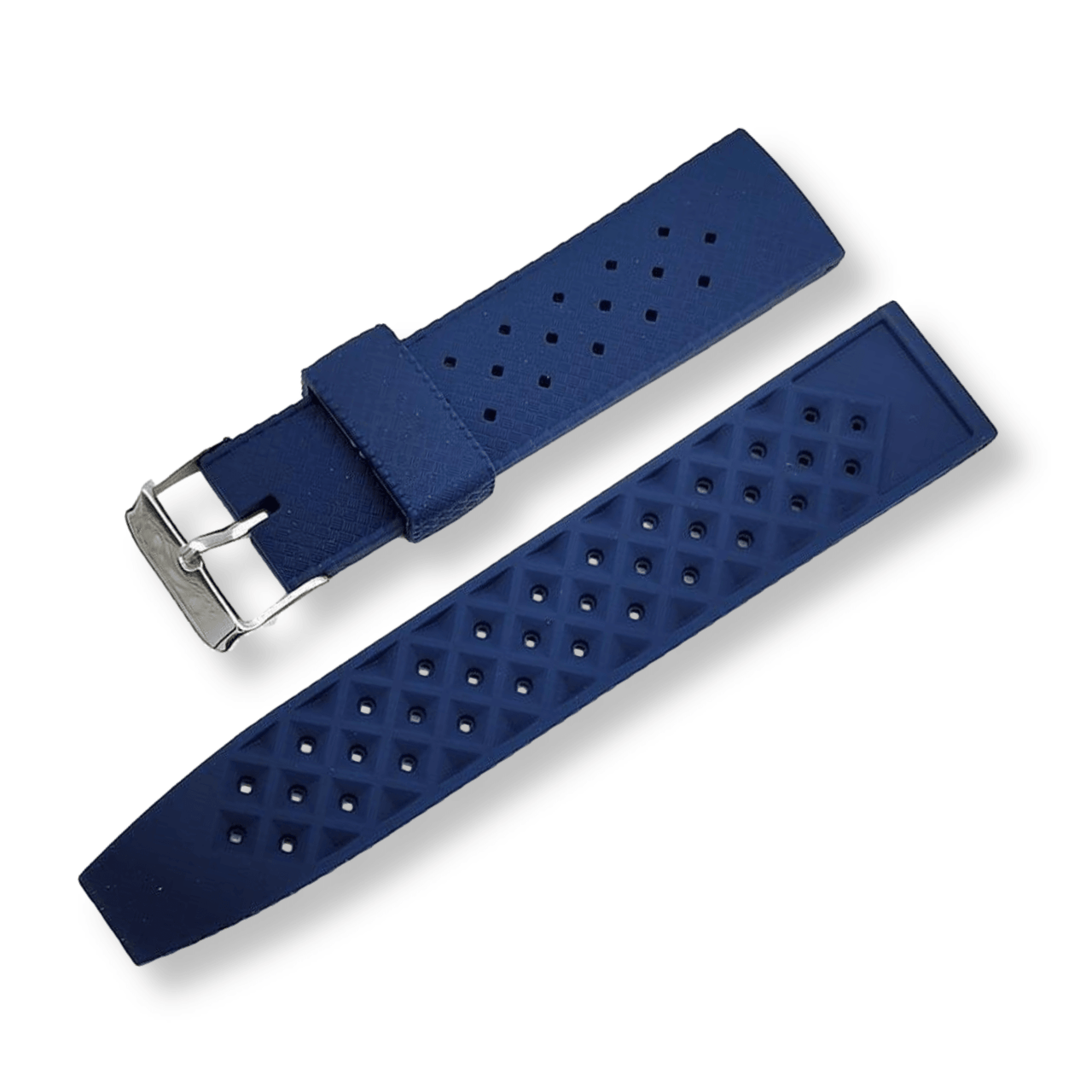
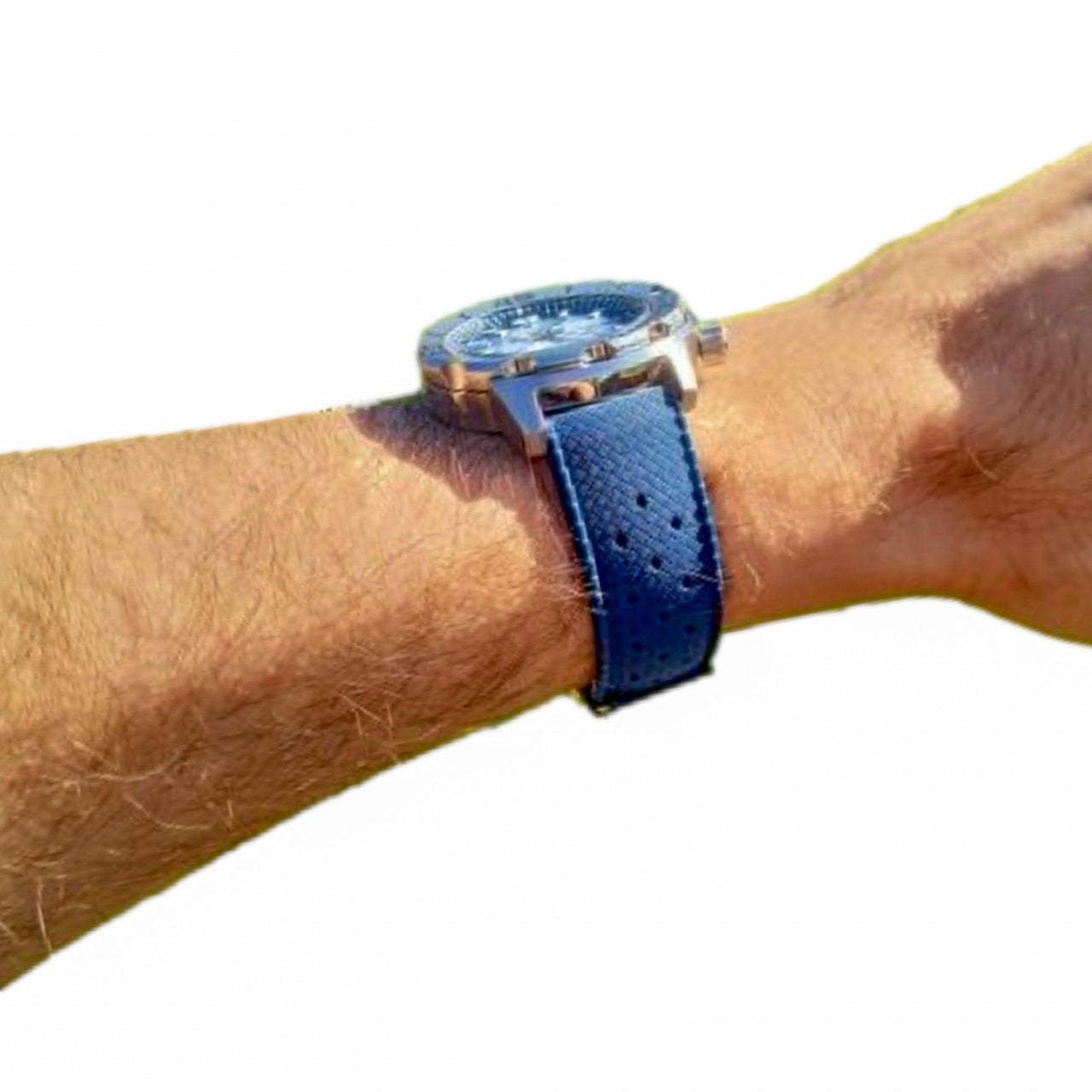
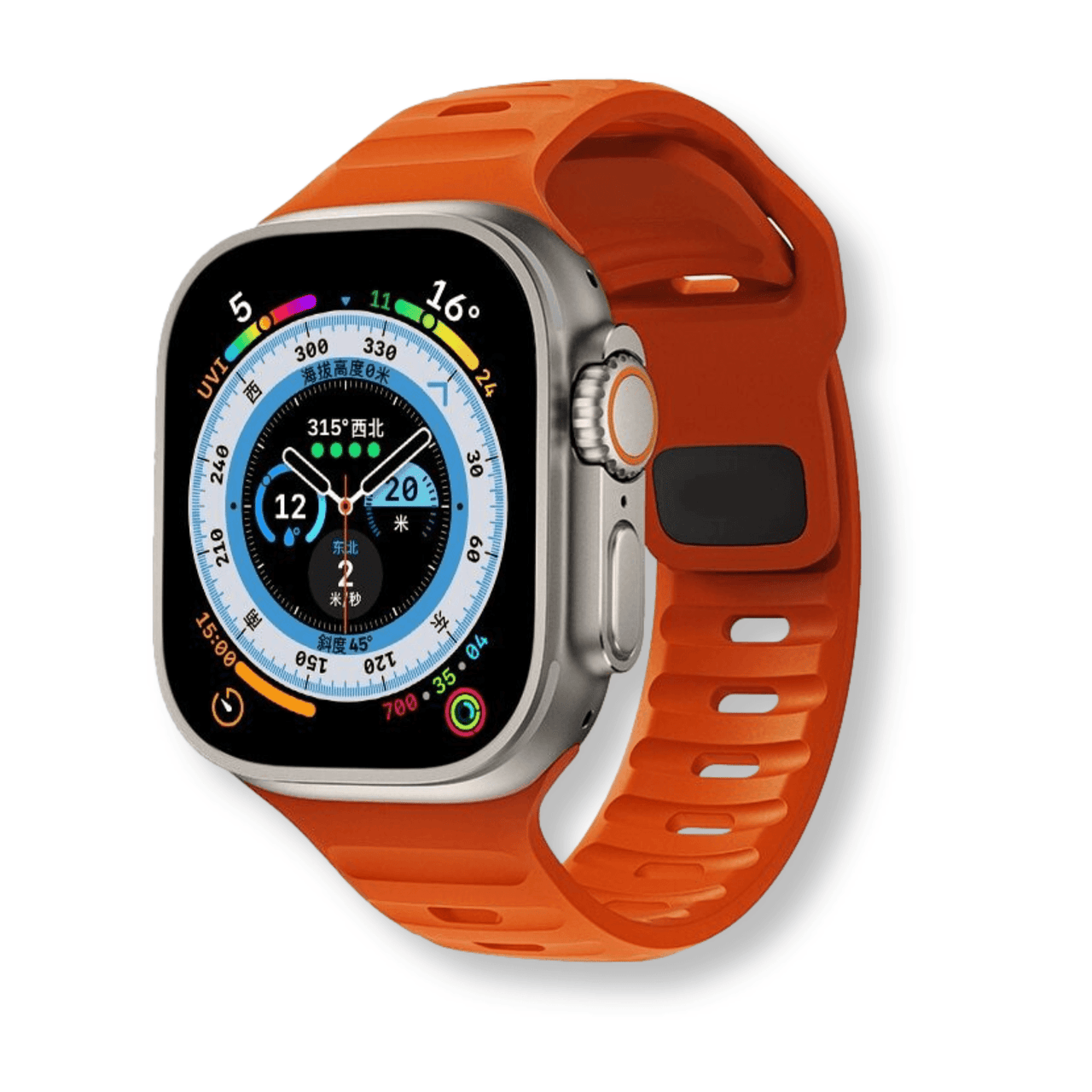
Dealing with a broken watch strap can be incredibly frustrating, especially when it is your favorite daily wear. If you are wondering if a torn silicone strap can be repaired, the honest answer is yes—but with a caveat. While learning how to fix a broken silicone watch band can extend its life, these repairs are usually temporary, and you should always opt to replace your strap if the tear is near the connector, buckle hole, or any load-bearing area to prevent your watch from dropping.
For minor cosmetic tears, finding the best glue for silicone watch band repair can get you back up and running. Before you begin, safely detach your strap using a high-quality watch spring bar remover to avoid scratching your timepiece. If the damage is too severe, explore our selection of durable rubber and silicone watch bands or browse our full range of premium replacement watch bands to find the perfect new match for your style.
Key Takeaways
- Temporary Solution: Silicone repairs are rarely permanent; use them as a short-term stopgap.
- Safety Check: Replace the strap immediately if tears are near connectors, buckle holes, or stress points.
- Adhesive Quality: Standard super glue fails easily; use specialized flexible cyanoacrylate gel.
- Clean Thoroughly: Always prep the surface with rubbing alcohol to remove oils before gluing.
Understanding Silicone Watch Band Damage
Before diving into the repair process, it is important to understand why silicone bands break and whether your specific strap can be salvaged. Silicone is a synthetic polymer known for its elasticity. When it breaks, it is usually due to a micro-tear that expands under tension. If your band has a clean, straight cut or a simple snap near the buckle, it is an excellent candidate for repair. On the other hand, if the material is crumbling, sticky, or shredded into multiple pieces, the structural integrity is compromised. In those cases, repairing it might only offer a temporary solution.
If you are dealing with a smartwatch, the stakes can be a bit higher since a failed repair could result in a dropped device. For specific advice on smartwatches, check out our quick fix guide for broken Apple Watch bands. For standard analog or digital watches, a carefully executed glue repair will often hold up well to daily wear.
Essential Tools for Repairing a Silicone Band
Using the right tools is the difference between a repair that lasts months and one that fails in a day. Gathering your supplies beforehand ensures a smooth process.
- Specialized Silicone Adhesive: Do not use standard craft glue. You need a flexible cyanoacrylate adhesive or a dedicated silicone rubber sealant. These formulas are designed to flex with the band rather than cracking under pressure.
- Isopropyl Alcohol and Cotton Swabs: Silicone naturally repels liquids, and any skin oils left on the band will prevent the glue from bonding. High-percentage rubbing alcohol is required to strip away these oils.
- Fine-Grit Sandpaper: Lightly roughing up the broken edges gives the adhesive a better surface to grip.
- Spring Bar Tool: You must remove the strap from the watch before gluing. A high-quality watch spring bar remover makes this step safe and easy, preventing accidental scratches to your watch case.
- Painter's Tape: Useful for holding the pieces tightly together while the adhesive cures.
Step-by-Step Guide: How to Fix a Broken Silicone Watch Band
Follow these steps carefully to ensure a strong, flexible bond. Rushing the process or skipping the cleaning phase will result in a weak repair.
Step 1: Remove the Band from the Watch
Never attempt to glue a watch band while it is still attached to the watch case. One slip could permanently damage your watch face or glue the spring bars into the lugs. Use your spring bar tool to carefully detach the strap. If you are unfamiliar with this process, you can read our guide on how to open a watch clasp and safely remove the pins. For digital watch owners, the process is slightly different, so you may want to review how to adjust a Casio watch band to understand the pin mechanisms.
Step 2: Clean and Degrease the Broken Edges
Dip a cotton swab in isopropyl alcohol and vigorously clean the broken ends of the silicone band. You want to remove all traces of sweat, lotion, and natural skin oils. Allow the alcohol to evaporate completely. The surface should look matte and feel completely dry to the touch.
Step 3: Lightly Sand the Surfaces
Take a small piece of fine-grit sandpaper and gently scuff the broken edges. You do not want to alter the shape of the band; you only want to create micro-abrasions. These tiny scratches give the silicone adhesive more surface area to latch onto, creating a much stronger mechanical bond. Wipe away any silicone dust with a dry cloth.
Step 4: Apply the Silicone Adhesive
Apply a very thin, even layer of your chosen silicone adhesive to one side of the break. Less is more in this situation. If you apply too much glue, it will squeeze out of the sides and create an uncomfortable, hard ridge that will irritate your wrist. Use a toothpick to spread the glue evenly across the entire cross-section of the break.
Step 5: Align and Press Firmly
Carefully bring the two broken ends together. Alignment is critical here, as fast-acting adhesives will begin to set within seconds. Ensure the edges meet perfectly flush. Press the two pieces together firmly and hold them in place for at least sixty seconds. If any excess glue squeezes out, quickly wipe it away with a clean cotton swab.
Step 6: Secure and Let Cure
Even if the glue claims to dry instantly, it needs time to reach its maximum structural strength. Wrap a piece of painter's tape tightly around the repaired section to maintain pressure. Leave the band on a flat surface in a well-ventilated room for at least 24 hours. Do not attempt to wear or stretch the band during this curing period.
Alternative Methods for Silicone Band Repair
If your band is torn in a high-stress area, such as right at the buckle hole, glue alone might not be enough. In these cases, you might need to consider alternative methods.
Self-Fusing Silicone Tape
For temporary fixes, especially if you are outdoors or traveling, self-fusing silicone tape is a lifesaver. This tape does not use adhesive; instead, it bonds to itself when stretched and wrapped. Wrapping a small piece around a cracked band can keep it functional until you get home. It is not the most aesthetically pleasing solution, but it is highly effective for emergencies.
When to Replace Instead of Repair
Sometimes, a band is simply beyond saving. If the silicone has become brittle from years of sun exposure or chlorine damage, fixing one break will only lead to another break a few days later. When it is time to upgrade, exploring new styles can be exciting. You can find everything you need to know about upgrading your strap in our ultimate guide to silicone watch bands, which covers compatibility, comfort, and durability.
Maintenance Tips to Prevent Future Breakage
The best repair is the one you never have to make. Proper maintenance will significantly extend the lifespan of your silicone watch bands.
- Clean Regularly: Wash your band weekly with mild dish soap and warm water. This removes the buildup of acidic sweat and oils that slowly degrade the silicone polymer over time.
- Avoid Extreme Heat: Do not leave your watch on the dashboard of a hot car. Prolonged exposure to extreme heat can cause the silicone to dry out and become brittle.
- Wear It Loosely: One of the most common causes of band breakage is wearing the watch too tight. Your band should be snug enough to keep the watch face in place, but loose enough to allow a finger to slide underneath. Over-tightening puts constant, unnecessary stress on the buckle holes.
- Keep Away from Harsh Chemicals: Bug sprays, sunscreens, and harsh cleaning solvents can break down the chemical structure of silicone. If you apply sunscreen, take your watch off first and let the lotion dry before putting it back on.
Conclusion
Fixing a broken silicone watch band is a straightforward process when you have the right tools and a bit of patience. By thoroughly cleaning the surface, using the correct flexible adhesive, and allowing ample curing time, you can restore your favorite strap to working condition. Remember that while repairs are great for extending the life of your band, proper maintenance is the key to preventing breaks in the first place. Treat your silicone bands with care, and they will provide years of reliable, comfortable wear.
More Watch Strap Repair and Care Guides
To keep your favorite straps looking and feeling their best, explore our silicone watch bands complete guide and discover how to prolong their life with our watch band care and maintenance guide for 2026. If you are dealing with a smart device, check out our dedicated Apple Watch band quick fix guide, or read our broader easy DIY watch band repair tips. Finally, if it is time for a secure replacement, check out our fresh collection of rubber and silicone watch bands designed for ultimate comfort and durability.
Frequently Asked Questions
Can I use regular super glue to fix a silicone watch band?
Standard super glue dries hard and brittle, which means it will crack as soon as the silicone band bends around your wrist. You must use a flexible cyanoacrylate gel or a dedicated silicone rubber adhesive for a lasting repair.
How long does it take for silicone glue to dry?
While some adhesives set in a few minutes, it is highly recommended to let the repaired band cure for a full 24 hours before wearing it. This ensures the bond reaches its maximum strength.
Is a glued silicone watch band still waterproof?
If you use a high-quality silicone adhesive and allow it to cure properly, the repaired area will resist water. However, the structural integrity is never 100 percent of the original, so it is best to avoid deep diving or high-impact water sports with a repaired band.
Why did my silicone watch band break in the first place?
Silicone bands typically break due to micro-tears caused by snagging, wearing the band too tightly, or material degradation from prolonged exposure to UV rays, sweat, and harsh chemicals like sunscreen.
📌 Complete Guide
For the full guide, see our Silicone.