- Leather: Typically lasts 1 to 2 years with regular wear; highly sensitive to moisture and sweat.
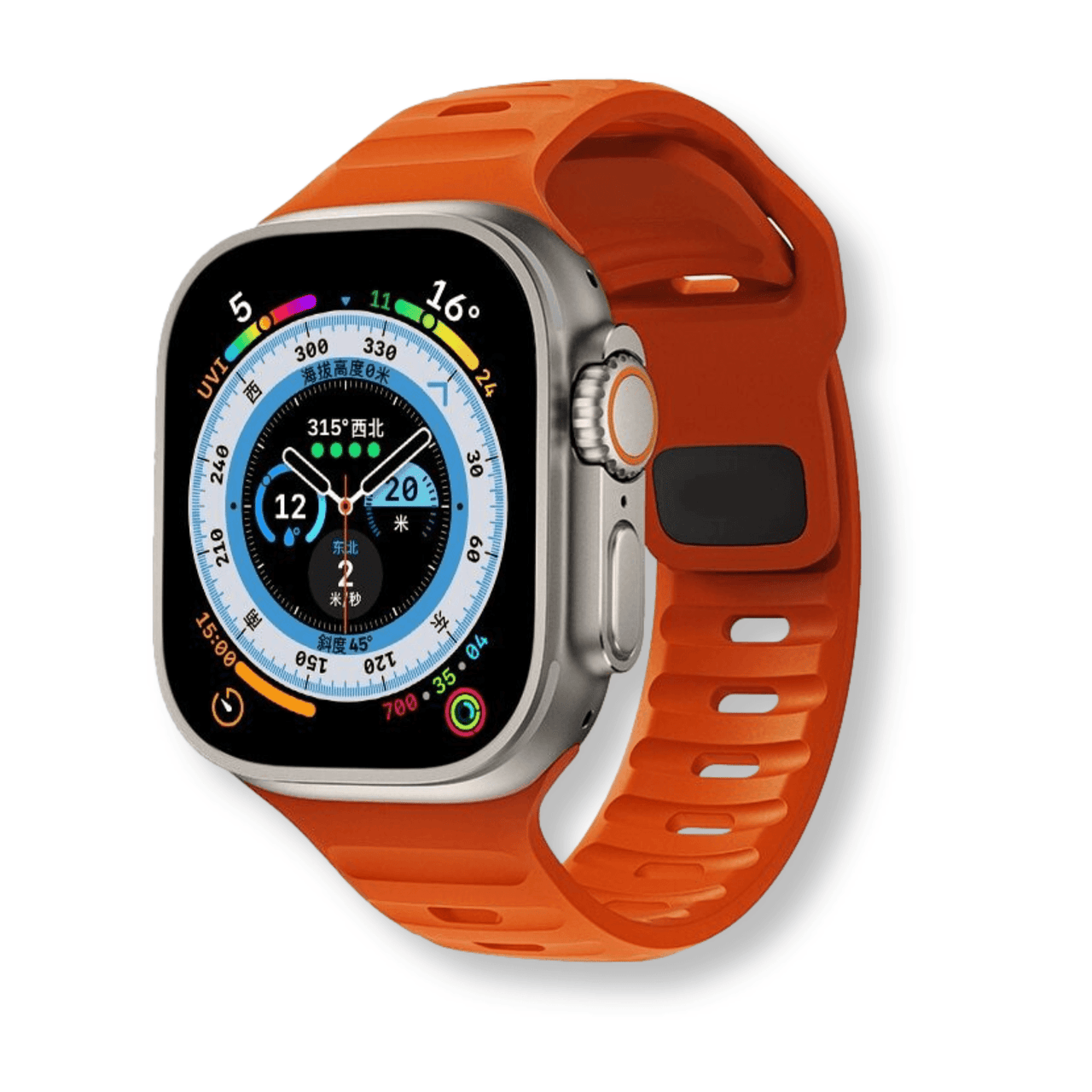
- Rubber & Silicone: Lasts 1.5 to 3 years; waterproof and ideal for sports and fitness tracking.
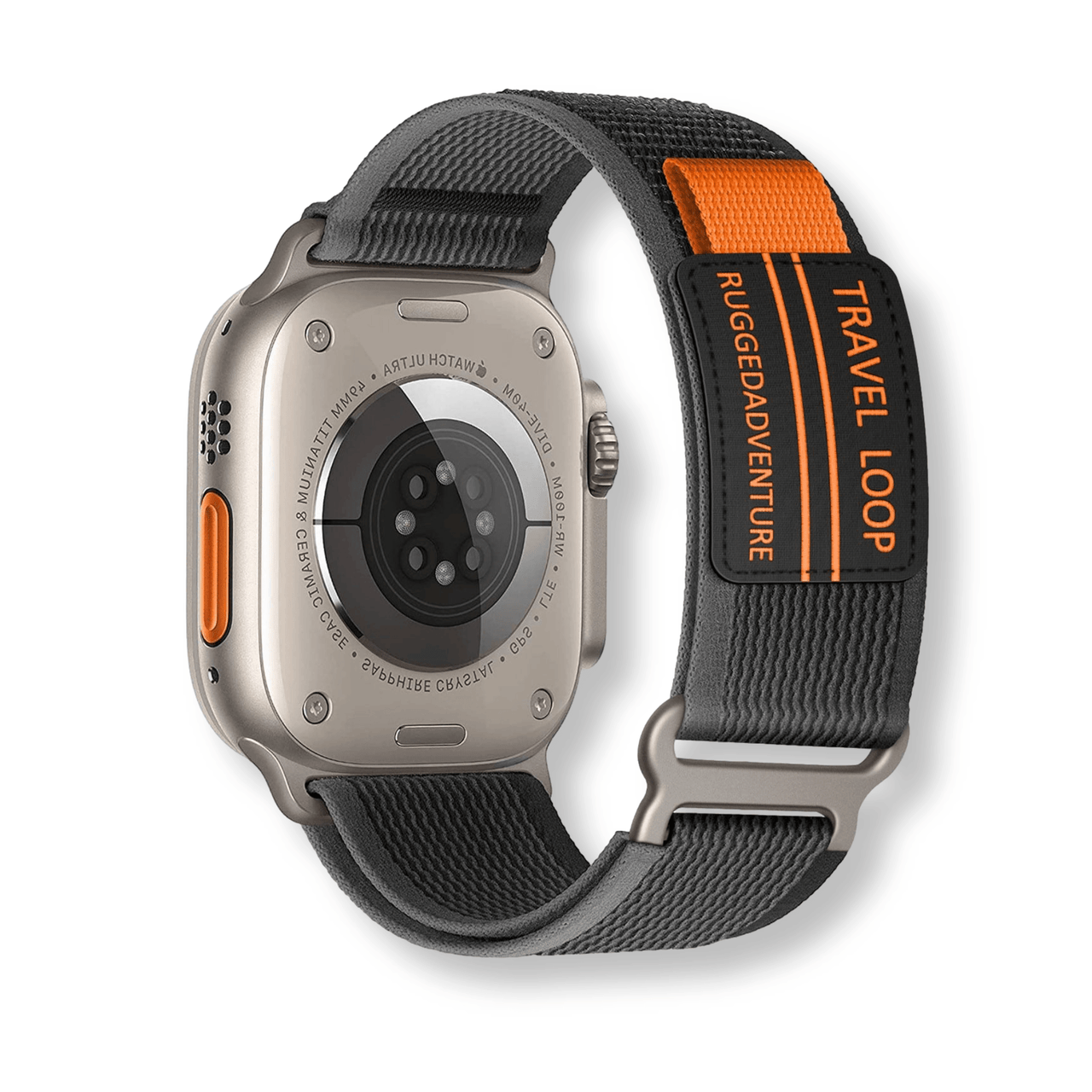
- Nylon (NATO): Lasts 2 to 4 years; extremely rugged, washable, and reliable.
- Metal: Can last 5 to 10+ years; highly durable but requires periodic pin maintenance.
- Proactive Replacement: Replace worn spring bars and hardware to prevent dropping your timepiece.
- Material Breakdown: How Long Do Watch Bands Last?
- Leather Watch Bands: Lifespan and Care
- Rubber and Silicone Straps: Built for Activity
- Nylon and NATO Straps: Rugged and Washable
- How Long Do Watch Bands Last: Size and Fit Considerations
- How Long Do Watch Bands Last: Compatibility Across Devices
- Knowing When to Perform a Watch Band Replacement
- Frequently Asked Questions
Material Breakdown: How Long Do Watch Bands Last?
When choosing a watch strap, one of the most common questions enthusiasts and daily wearers ask is: how long do watch bands last? The lifespan of a watch strap isn't a single-number answer. It depends heavily on the materials used, your daily activity levels, exposure to moisture, and how well you maintain the band. A high-quality metal bracelet can survive for decades, while a delicate leather strap exposed to daily sweat might need a replacement in under a year.
Understanding the durability of different materials is crucial for both aesthetic and security reasons. A failing strap risks dropping your valuable watch, resulting in costly repairs or loss of the timepiece. To help you navigate your choices, we have broken down the lifespans of the most popular watch band materials on the market today. Whether you are sporting an everyday classic dress watch, a rugged diver, or a modern smartwatch, knowing what to expect from your band ensures your timepiece remains safe on your wrist. To explore more in-depth guides on strap care, hardware sizing, and maintenance, check out our comprehensive Watch Compendium for expert tips and advice on maintaining your favorite timepieces.

Leather Watch Bands: Lifespan and Care
Genuine leather is a classic choice that offers unmatched elegance, comfort, and style. However, leather is an organic, porous material, meaning it is highly susceptible to environmental factors. On average, a high-quality leather watch band will last between 1 to 2 years of regular, daily wear. If you wear it occasionally or rotate it with other bands, it can easily last 3 years or more.
Moisture is the primary enemy of leather. Daily exposure to sweat, handwashing, rain, and humidity will eventually cause the leather to dry out, crack, or develop unpleasant odors. To maximize the life of your strap, avoid wearing leather during intense workouts, heavy rainstorms, or swimming sessions. If you are looking to refresh your style or need a robust upgrade, explore our premium collection of leather watch bands and straps to find a durable, stylish replacement. Conditioning your leather band every few months with a specialized leather balm can also significantly extend its soft feel and structural integrity, preventing premature splitting near the buckle holes and keeping the material looking rich. Ultimately, treating leather with a bit of extra care is the best way to get your money's worth out of your investment.
Rubber and Silicone Straps: Built for Activity
If you lead an active lifestyle, hit the gym regularly, or enjoy water sports, rubber and silicone are the ultimate choices. But how long do watch bands last when made of these synthetic polymers? Generally, you can expect a quality rubber or silicone strap to last between 1.5 to 3 years of active use.
Silicone is highly flexible and comfortable, making it a favorite for smartwatches and fitness trackers. However, silicone is softer than vulcanized rubber and can attract lint or tear if snagged on sharp objects. On the other hand, natural vulcanized rubber is incredibly resilient against saltwater, UV rays, and extreme temperatures, often lasting longer than basic silicone. Over time, constant exposure to sweat and skin oils can break down these polymers, causing them to become stiff, brittle, or sticky. Regularly washing your strap with mild soap and warm water will remove salt and acidic sweat residues, helping you get the absolute most out of your rubber and silicone watch bands. By maintaining a clean strap surface, you prevent the buildup of bacteria and ensure the polymer does not break down prematurely.

Nylon and NATO Straps: Rugged and Washable
Nylon and NATO-style straps are famous for their military heritage, rugged aesthetic, and extreme durability. Crafted from woven synthetic fibers, these straps are built to withstand harsh conditions. A well-constructed nylon strap typically lasts between 2 to 4 years, making them some of the most cost-effective and long-lasting fabric bands available.
One of the greatest advantages of nylon is its resistance to tearing. Even if one spring bar fails, a true NATO strap's pass-through design ensures your watch remains attached to the other spring bar, preventing it from falling off your wrist. However, nylon can absorb dirt, sweat, and odors over time. Fortunately, cleaning them is incredibly easy—simply place your strap in a mesh laundry bag and toss it into the washing machine on a gentle cycle, or wash it by hand with warm water and dish soap. If you love versatile, rugged styling that stands the test of time, discover our heavy-duty design NATO straps designed for adventure. Having a few different colors allows you to rotate them, which also extends the overall lifespan of each individual band.
How Long Do Watch Bands Last: Size and Fit Considerations
When analyzing how long do watch bands last size plays an unexpectedly critical role in the strap's ultimate lifespan. Wearing a watch band that is too small or pulling it too tight on your wrist puts immense, continuous tension on the material, stitching, and buckle mechanisms. Over-tightening a strap to compensate for an incorrect size causes accelerated stretching and creasing in leather, micro-tearing in silicone, and warping in metal links.
Conversely, if a band is too large, the watch head will slide around your wrist. This constant movement increases friction against your skin and clothing, which can prematurely wear down the edges of the strap. It also places uneven shear stress on the spring bars. To ensure maximum longevity, always measure your wrist size and watch lug width accurately before buying. Wearing your watch with a comfortable "one-finger" gap ensures that the band is not under constant structural strain, drastically extending its useful life. Correct sizing is truly the unsung hero of strap longevity, preventing daily physical stress from turning into a sudden break. This is especially true for heavier steel and sports watches that exert more centrifugal force when you move.

How Long Do Watch Bands Last: Compatibility Across Devices
In the modern era of smartwatches, understanding how long do watch bands last compatibility is highly relevant. Smartwatches like the Apple Watch or Garmin series are worn almost 24/7 to track sleep, heart rate, and workouts. This constant wear subjects the band to far more friction, sweat, and movement than a traditional dress watch worn only during work hours.
Furthermore, compatibility isn't just about the strap material; it is about the hardware connectors. Modern smartwatches rely on proprietary adapters or lug inserts to slide into the watch casing. Cheap, poorly made adapters can wear down, wiggle loose, or fail entirely long before the band material itself degrades. If you are upgrading your wearable tech, refer to our comprehensive Apple Watch Series 11 bands compatibility guide to ensure your hardware fits securely. For those looking to refresh their everyday look with premium materials that stand up to daily tracking demands, we recommend exploring our highly curated selection of Apple Watch bands featuring robust, tested connector systems. Buying compatible straps designed to precise tolerances protects your device from falling off during active use.
Knowing When to Perform a Watch Band Replacement
Regardless of your strap material, safety is the number one priority. Knowing how long do watch bands last replacement indicators can save your timepiece from a catastrophic fall. Even if your leather or rubber strap looks flawless on the surface, the internal hardware might be on its last legs. The spring bars—the tiny metal pins holding the strap to the watch case—are under constant tension and can rust, bend, or lose their springiness over time.
We recommend replacing your spring bars every 1 to 2 years, or immediately if you notice any play or wobbling where the strap meets the watch. To do this safely at home without scratching your watch lugs, using the right tools is essential. A dedicated watch spring bar remover is perfect for quick strap swaps, while a complete watch repair tool kit gives you everything needed to resize metal bracelets, swap buckles, and maintain your collection like a professional. Keep an eye out for warning signs like fraying stitching on nylon, cracking on leather linings, or stiffening of silicone. Don't wait for the strap to break completely; proactive maintenance keeps your watch secure. For extra pins, keepers, and spring bars, browse our collection of watch accessories to keep your gear in top-tier working order.

Frequently Asked Questions
How do I know if my watch band needs to be replaced?
You should replace your watch band if you notice deep cracks in leather, stiffening or stickiness in rubber, severe fraying on nylon, or loose pins on metal links. Any visible wear on the buckle or spring bars is a sign that a replacement is needed to prevent dropping your watch.
Can I wash my watch strap to make it last longer?
Yes. Nylon and silicone straps can be washed with warm water and mild soap to remove oils, dirt, and sweat, which extends their life. Leather should not be washed with water but can be wiped down with a damp cloth and treated with leather conditioner.
Are expensive watch bands more durable?
Generally, yes. Premium bands use higher-grade materials like full-grain leather, vulcanized rubber, or 316L stainless steel, and feature superior stitching and hardware. However, even the best materials require proper care to reach their maximum lifespan.
Do smartwatch bands wear out faster than traditional bands?
Smartwatch bands tend to wear out faster simply because they are worn more frequently, often during sleep, workouts, and high-movement activities. Swapping bands occasionally will help distribute the wear and tear.
How often should I swap my watch spring bars?
It is best practice to replace your watch spring bars every 1 to 2 years. These tiny internal springs hold your watch to the band and can wear down, bend, or rust over time due to sweat and moisture exposure.
Secure Your Timepiece Today
Don't wait for a worn-out band to fail. Protect your favorite watch and elevate your style with our premium selection of replacement bands and tools. Explore our collections and find the perfect match for your wrist.
Visit Our Watch Compendium📌 Complete Guide
For the full guide, see our Leather.