Key Takeaways
- Regular Care: Cleaning your nylon NATO strap prevents odor, grime buildup, and skin irritation.
- Two Safe Methods: Both gentle hand-washing and low-temperature machine washing yield excellent results.
- Protect Your Hardware: Use mesh bags or mild soap to avoid scratching polished steel or PVD buckles.
- Air Dry Only: Never machine dry your nylon straps, as excessive heat can melt or deform the fabric.
- Replacement Clues: Know when severe fraying or stretched adjustment holes mean it is time for a new band.
Table of Contents
- 1. Why Regular NATO Strap Cleaning is Essential
- 2. Essential Tools for Cleaning Your Watch Strap
- 3. Step-by-Step: How to Clean a NATO Strap by Hand
- 4. Safe Washing Machine Instructions for Nylon Straps
- 5. How to Clean NATO Strap Size and Material Variations
- 6. How to Clean NATO Strap Compatibility & Hardware Concerns
- 7. Knowing When to Choose a NATO Strap Replacement
- 8. Frequently Asked Questions

1. Why Regular NATO Strap Cleaning is Essential
NATO straps are famous for their military heritage, incredible durability, and casual comfort. However, because they are woven from nylon, they act like a sponge for everyday sweat, dirt, dead skin cells, and moisture. Over time, these elements collect in the weave, creating a breeding ground for bacteria and unpleasant odors.
If you wear your watch during workouts, outdoor adventures, or daily commutes, your band absorbs elements that can quickly compromise its appearance and hygiene. Leaving a dirty strap unattended can also cause skin rashes or leave unsightly stains on your wrist. Regular washing keeps the strap looking crisp, preserves the integrity of the synthetic fibers, and extends the lifespan of your favorite timepiece accessory.
To understand the unique history and design of these rugged bands before diving into cleaning, check out our comprehensive NATO watch straps complete guide. Knowing how your band is engineered will make the washing process even easier to manage.
2. Essential Tools for Cleaning Your Watch Strap
Before starting, it is crucial to gather the right tools. Using harsh household chemicals or abrasive scrubbers can ruin the nylon material or tarnish the metal hardware. Fortunately, you likely have most of the necessary cleaning supplies right at home.
Prepare a small bowl filled with lukewarm water, a mild liquid soap (such as dish soap, baby shampoo, or laundry detergent), and a soft-bristled toothbrush. The soft bristles are essential for getting deep into the tight weave of the nylon without snagging or fraying the individual fibers. You will also want a clean towel for drying.
Before you begin washing, we highly recommend removing the strap from your watch case entirely to prevent water damage to your timepiece. To safely swap or remove your bands without scratching your watch lugs, use a professional watch spring bar remover. Having the right tool ensures a smooth disassembly every time.

3. Step-by-Step: How to Clean a NATO Strap by Hand
If you want to know how to clean nato strap fabric without risking any damage, the hand-wash method is the safest and most effective route. It allows you to target specific dirty spots and pay close attention to high-friction areas around the buckle holes.
First, submerge the nylon strap in a bowl of lukewarm water mixed with a few drops of mild soap. Let the strap soak for 10 to 15 minutes to loosen stubborn dirt, salt deposits, and sweat buildup. After soaking, lay the strap flat on your hand or a clean surface.
Next, take your soft-bristled toothbrush, apply a tiny drop of soap, and gently scrub the strap in circular motions. Focus heavily on the inside of the strap that contacts your skin, as well as the holes where dirt accumulates. Once scrubbed, rinse the band thoroughly under cool running water until the water runs completely clear of soap suds. Squeeze the excess water out using a clean towel, then lay it flat to air dry away from direct sunlight.
4. Safe Washing Machine Instructions for Nylon Straps
If you are short on time or have multiple nylon bands to clean at once, the washing machine is an excellent alternative. However, throwing a loose strap directly into the drum can cause serious damage to both your washing machine and the strap's metal hardware.
To machine wash safely, always place your straps inside a small, mesh garment laundry bag. This protects the polished buckles from banging against the metal drum and prevents the long strap from tangling around other clothes or the machine agitator. Wash the straps with a normal load of laundry using cold water and a gentle cycle.
Never use bleach or fabric softeners, as these chemicals can degrade the synthetic nylon fibers over time. Once the cycle finishes, take the straps out of the mesh bag and lay them flat or hang them up to dry. Never place a nylon strap in a heated clothes dryer, as high heat can warp, shrink, or melt the nylon structure instantly.

5. How to Clean NATO Strap Size and Material Variations
When considering how to clean nato strap size variations, keep in mind that larger and thicker straps require slightly more care. For instance, a heavy-duty 24mm strap features a much thicker nylon weave than a standard 18mm or 20mm slim seatbelt nylon band. The thicker the strap, the more water it absorbs, meaning it will require a longer drying time.
Furthermore, tightly woven "seatbelt" nylon has a smooth, silky finish that requires a very gentle touch. Rough scrubbing on seatbelt nylon can lead to pilling, which ruins the luxury aesthetic of the strap. Use lighter pressure with your toothbrush on these premium weaves to keep the surface perfectly smooth.
If you have a collection of various widths and materials, always adjust your scrubbing technique to match the thickness and weave of the fabric. You can browse our full range of high-quality classic watch straps to find premium nylon options in every standard size and width to suit your collection.
6. How to Clean NATO Strap Compatibility & Hardware Concerns
Understanding how to clean nato strap compatibility with different hardware finishes is vital for preserving your watch's overall look. NATO hardware can range from polished stainless steel and matte titanium to black PVD-coated finishes. Harsh detergents or abrasive cleaning sponges can easily scratch these surfaces or strip away the specialized coatings.
When cleaning, avoid using wire brushes or highly acidic cleaners. If your strap features PVD hardware, dry the metal thoroughly after washing to prevent water spots. Ensure that the spring bars and buckle mechanisms are completely dry before reattaching the strap to your watch case to avoid any rust transferring to your timepiece.
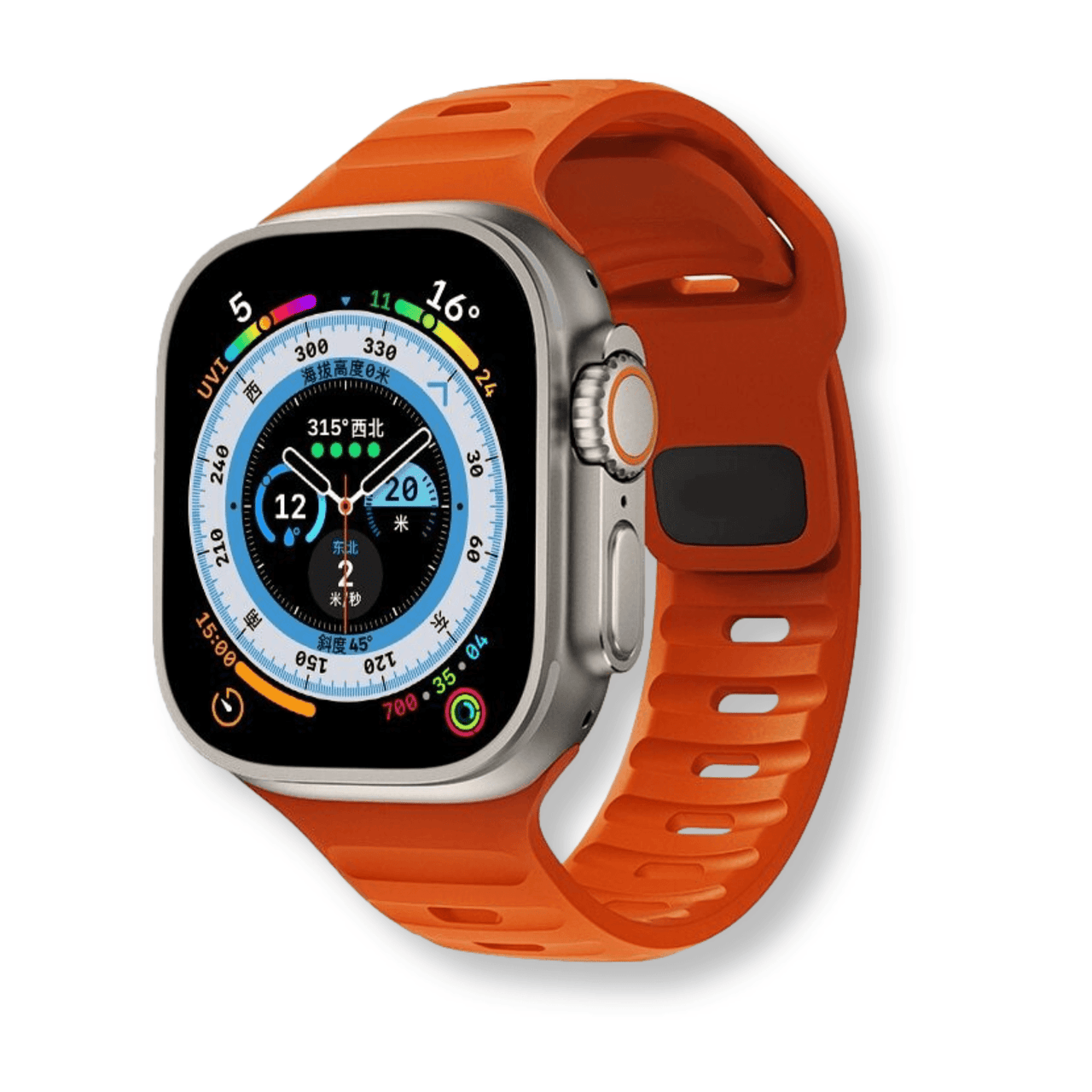
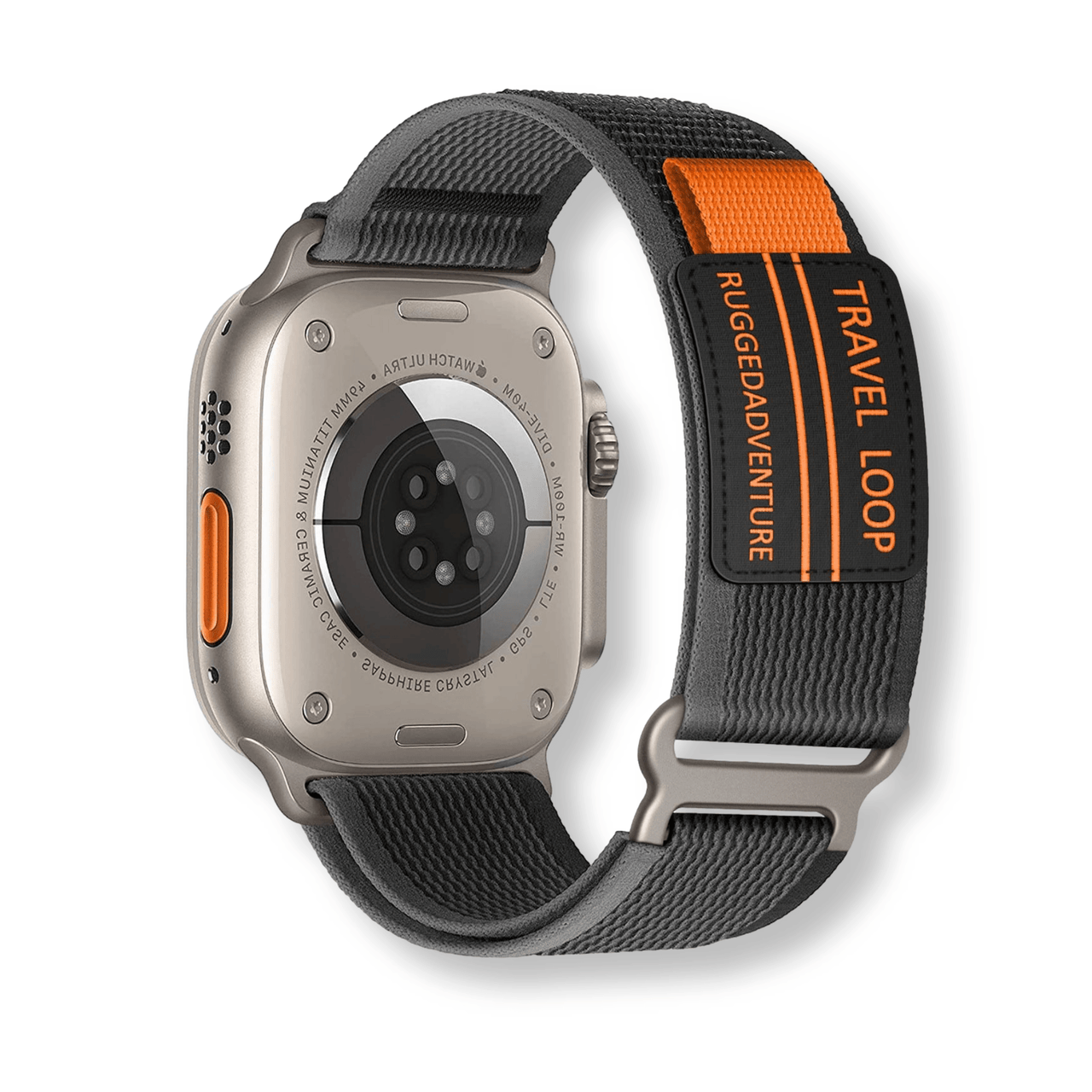
Our compatibility guidelines also cover modern smartwatches. If you prefer utilizing rugged nylon styles on your smart devices, explore our dedicated apple watch bands selection to find sporty, washable options designed for everyday activity and quick, hassle-free maintenance.

7. Knowing When to Choose a NATO Strap Replacement
While proper cleaning can extend the life of your strap for years, nylon is not indestructible. Eventually, every band will reach the end of its functional life. Knowing when to look for a how to clean nato strap replacement alternative is key to keeping your watch secure on your wrist.
Inspect your strap regularly for frayed edges, stretched-out buckle holes, or compromised stitching around the hardware. If the material near the spring bars begins to tear, cleaning will not save it, and continuing to wear it poses a serious drop risk to your watch. If your strap remains smelly or discolored even after multiple deep cleans, it is time for a refresh.
When you are ready to upgrade your style or replace a worn-out band, explore our curated design NATOs collection to discover high-performance hardware, unique patterns, and incredibly durable fabrics. For other strap types and protective gear, check out our general accessories collection to keep your watch game strong.
8. Frequently Asked Questions
How often should I clean my NATO watch strap?
If you wear your watch daily, we recommend cleaning the strap once every two to three weeks. If you wear it during heavy workouts or in saltwater environments, wash it immediately afterward to prevent salt buildup and sweat odors.
Can I wash my NATO strap with warm or hot water?
Always use lukewarm or cold water. Hot water can damage the nylon fibers, weaken the structural stitching, or cause the color of your strap to fade prematurely.
How long does it take for a nylon watch band to air dry?
Depending on the thickness of the strap and the ambient humidity, a nylon NATO strap typically takes anywhere from 2 to 6 hours to dry completely. Always ensure it is dry before putting it back on your wrist.
Can I use a hair dryer to speed up the drying process?
It is not recommended. The concentrated heat from a hair dryer can warp, shrink, or melt the nylon material. Standard air drying on a flat towel is the safest approach.
What should I do if the strap's hardware is starting to tarnish?
You can use a specialized jewelry polishing cloth to gently clean the stainless steel hardware. Avoid using harsh metal polishes on PVD-coated or painted hardware, as this can strip the finish.
Elevate Your Watch Collection Today
Now that you know how to keep your nylon bands in pristine condition, you can explore new styles with absolute confidence. Regular maintenance ensures your gear looks sharp and remains comfortable through any adventure. If you want to learn more about keeping your timepieces in top shape, explore our extensive watch compendium for expert guides, repair tips, and style inspiration. Ready for a fresh look? Discover our premium collections and find your next favorite strap today!
📌 Complete Guide
For the full guide, see our NATO.
📌 Complete Guide
For the full guide, see our NATO.