Key Takeaways:
- Leather is the gold standard for formal events and office wear.
- Silicone and Rubber are the best choices for fitness and water-based activities.
- NATO straps offer unmatched security and a rugged, military-inspired aesthetic.
- Stainless steel provides maximum durability and a premium, high-end feel.
- Choosing the right watch band materials depends on your lifestyle, skin sensitivity, and the watch type.
Table of Contents
- What Are the Main Watch Band Materials?
- Leather Watch Bands — Classic and Versatile
- Silicone Watch Bands — The Sport Choice
- NATO Straps — Military-Born Style
- Stainless Steel — Dressy and Durable
- Rubber Watch Straps — Built for Outdoors
- How to Choose the Right Material (Comparison Table)
- Watch Band Materials by Activity
- Frequently Asked Questions

What Are the Main Watch Band Materials?
When you buy a timepiece, the case and movement often get the most attention. However, the watch band materials you choose will ultimately determine how often you actually wear the watch. A strap that looks great but feels itchy or heavy will quickly end up in a drawer.
The modern market offers a staggering variety of options. From the traditional elegance of animal hides to the high-tech resilience of fluorocarbon rubber, there is a material for every wrist. Understanding the pros and cons of each is essential for any collector.
In this guide, we will perform a deep-dive watch strap materials comparison. We will look at how different fabrics, metals, and polymers react to sweat, UV light, and daily friction. Whether you are a diver, a marathon runner, or a corporate executive, your strap should work for you, not against you.
Leather Watch Bands — Classic, Comfortable, and Versatile
For centuries, leather has been the preferred choice for horology enthusiasts. High-quality leather watch bands offer a level of sophistication that synthetic materials simply cannot replicate. They conform to the shape of your wrist over time, creating a custom fit that feels like a second skin.
There are several grades of leather to consider. Full-grain leather is the highest quality, retaining the natural texture and strength of the hide. Top-grain leather is slightly more processed but offers a smoother finish. You might also encounter exotic leathers like alligator, lizard, or ostrich for a more distinctive look.
The primary drawback of leather is its vulnerability to moisture. Water, sweat, and high humidity can cause the material to crack or develop odors over time. If you live in a tropical climate or lead a very active lifestyle, you may need to rotate your leather straps frequently to let them "breathe."
Silicone Watch Bands — The Sport and Everyday Choice
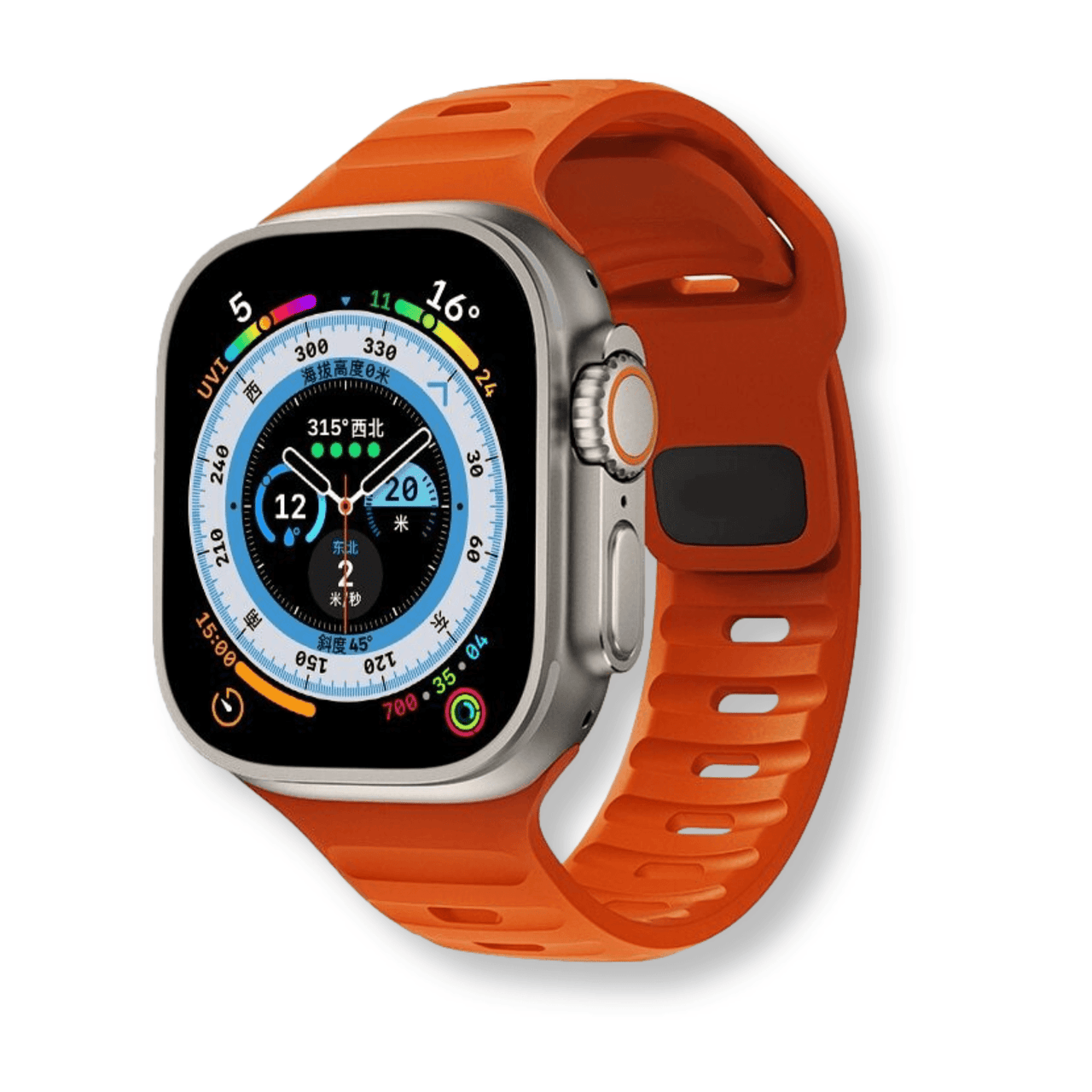
If you need something that can transition from the office to the gym, silicone watch bands are an excellent solution. Silicone is a synthetic elastomer known for its incredible flexibility and soft-touch finish. It is lightweight, hypoallergenic, and comes in every color imaginable.
One of the biggest advantages of silicone is its water resistance. You can swim, shower, and sweat without worrying about damaging the strap. Cleaning is as simple as wiping it down with a damp cloth or rinsing it under a tap. This makes it the ultimate "set it and forget it" material for daily wear.
However, silicone can sometimes attract lint and dust due to static electricity. While it is very comfortable, it lacks the formal "weight" of metal or the heritage feel of leather. For pure utility and comfort, though, it is hard to beat for modern smartwatches and tool watches.
NATO Straps — Military-Born, Fashion-Forward
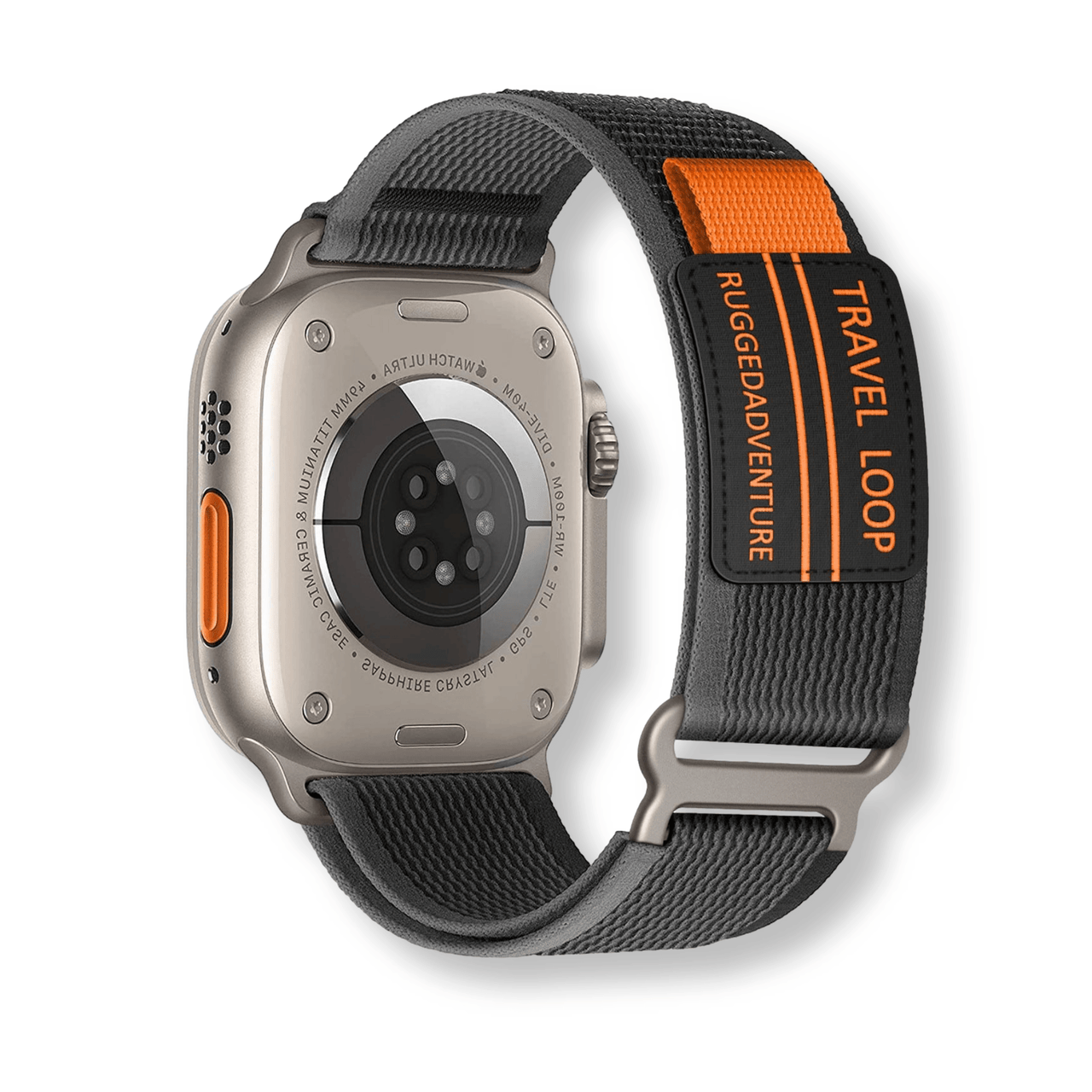
Originally designed for the British Ministry of Defence, NATO straps have become a cult favorite in the watch community. These straps are typically made from ballistic nylon, a material engineered for extreme durability and tensile strength. They are characterized by a single-piece construction that slides under the watch pins.
The "fail-safe" design is a major selling point. If one spring bar fails, the watch remains attached to the strap by the second bar. This makes NATO straps the go-to choice for hikers, climbers, and military personnel. They are also incredibly easy to swap out, allowing you to change your look in seconds without tools.
Nylon is breathable and washable, though it can take some time to dry if it gets completely soaked. Over time, the fabric may fray slightly at the edges, but this often adds to the "rugged" aesthetic that many collectors enjoy. It is the perfect blend of history and practicality.

Stainless Steel and Metal Watch Bands — Dressy and Durable
When it comes to longevity, stainless steel bands are the undisputed champions. Most high-quality metal bracelets are made from 316L stainless steel, which is highly resistant to corrosion and "pitting" from saltwater or perspiration. A steel bracelet gives a watch a sense of gravity and presence on the wrist.
Metal bands are incredibly versatile. An Oyster-style bracelet looks just as good with a t-shirt as it does with a three-piece suit. They don't absorb odors, they don't wear out like fabric or leather, and they can be polished to look brand new even after years of heavy use.
The downsides are weight and temperature sensitivity. Metal can feel heavy during long days, and it can become uncomfortably cold in winter or hot in direct sunlight. Additionally, getting the perfect fit usually requires removing or adding links, which is less convenient than the simple buckle-and-hole system of other materials.
Rubber Watch Straps — Built for the Outdoors
While often confused with silicone, high-end rubber watch straps are usually made from FKM (Fluoroelastomer) or Vulcanized rubber. These materials are much denser and more durable than standard silicone. They are the preferred choice for professional divers because they are completely impervious to UV rays, salt, and chemicals.
FKM rubber has a premium feel that is less "sticky" than silicone. It maintains its shape better and is less likely to tear under stress. If you own a luxury dive watch, a high-quality rubber strap provides a sporty look while maintaining the "tool watch" integrity of the piece.
Rubber is also an excellent choice for those with sensitive skin. It is non-reactive and does not harbor bacteria as easily as porous materials like nylon or leather. While more expensive than silicone, the increased durability makes it a worthwhile investment for serious adventurers.
How to Choose the Right Watch Band Material
Choosing between these options depends on your specific needs. Use the watch strap materials comparison table below to see how they stack up against each other in key categories.
| Material | Durability | Comfort | Style | Best For | Price |
|---|---|---|---|---|---|
| Leather | Medium | High | Formal | Office/Events | $$-$$$ |
| Silicone | High | Very High | Sporty | Gym/Casual | $ |
| NATO | Very High | Medium | Rugged | Outdoors | $ |
| Steel | Extreme | Medium | Luxury | All-rounder | $$-$$$$ |
Watch Band Materials by Activity and Lifestyle
If you are still unsure, think about your average day. For the corporate professional, a leather strap in black or dark brown is a non-negotiable staple. It complements dress shoes and belts, providing a cohesive look that signals attention to detail.
For the fitness enthusiast, silicone is the clear winner. It doesn't absorb sweat, meaning it won't develop the "gym smell" that fabric or leather might. If you are a swimmer or a diver, FKM rubber or a high-quality stainless steel bracelet are the safest bets for long-term water exposure.
The weekend adventurer will likely find the most value in a NATO strap. Whether you are hiking, camping, or working in the yard, the nylon material can handle dirt and abrasion with ease. If it gets dirty, you can simply throw it in a mesh bag and toss it in the laundry.

Frequently Asked Questions
What is the most durable watch band material?
Stainless steel is generally considered the most durable material because it is resistant to scratches, corrosion, and extreme temperatures. However, for high-impact activities where weight is a factor, NATO nylon or FKM rubber are also exceptionally resilient choices.
Can I wear a leather watch band while swimming?
It is not recommended. Water causes leather to lose its natural oils, leading to stiffness, cracking, and rot. If you plan to be near water, it is best to swap your leather for a silicone watch band or a stainless steel bracelet.
What are the best watch strap materials for sensitive skin?
Medical-grade silicone and titanium are the best options for those with sensitive skin or nickel allergies. These materials are hypoallergenic and do not react with the skin even when moisture or sweat is present.
How often should I replace my NATO strap?
With regular use, a NATO strap can last several years. You should consider replacing it if you notice significant fraying around the holes or if the nylon becomes overly stretched. Regular washing can extend the life of the fabric significantly.
Is silicone better than rubber for watch bands?
Silicone is generally softer and more affordable, making it great for casual wear. However, FKM rubber is superior in terms of chemical resistance, weight, and longevity. If you want a premium feel and better performance in harsh conditions, rubber is the better choice.
Ready to find your next favorite strap? Explore our extensive watch compendium for more style tips, or browse our latest arrivals to find the perfect match for your timepiece. Whether it is leather, silicone, or steel, we have the quality you deserve.
📌 Complete Guide
For the full guide, see our Silicone.
📌 Complete Guide
For the full guide, see our Silicone.
📌 Complete Guide
For the full guide, see our Silicone.
📌 Complete Guide
For the full guide, see our Leather.