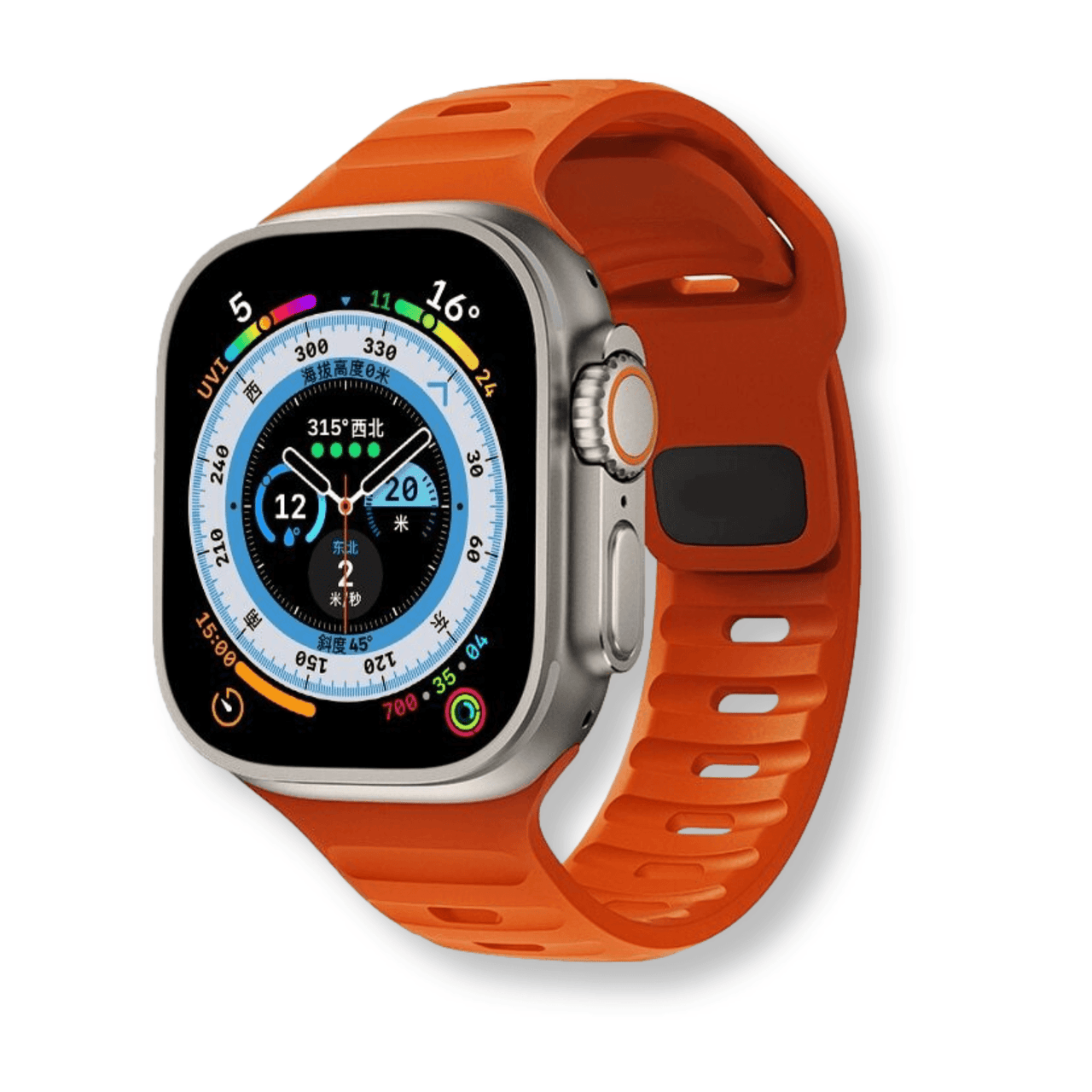
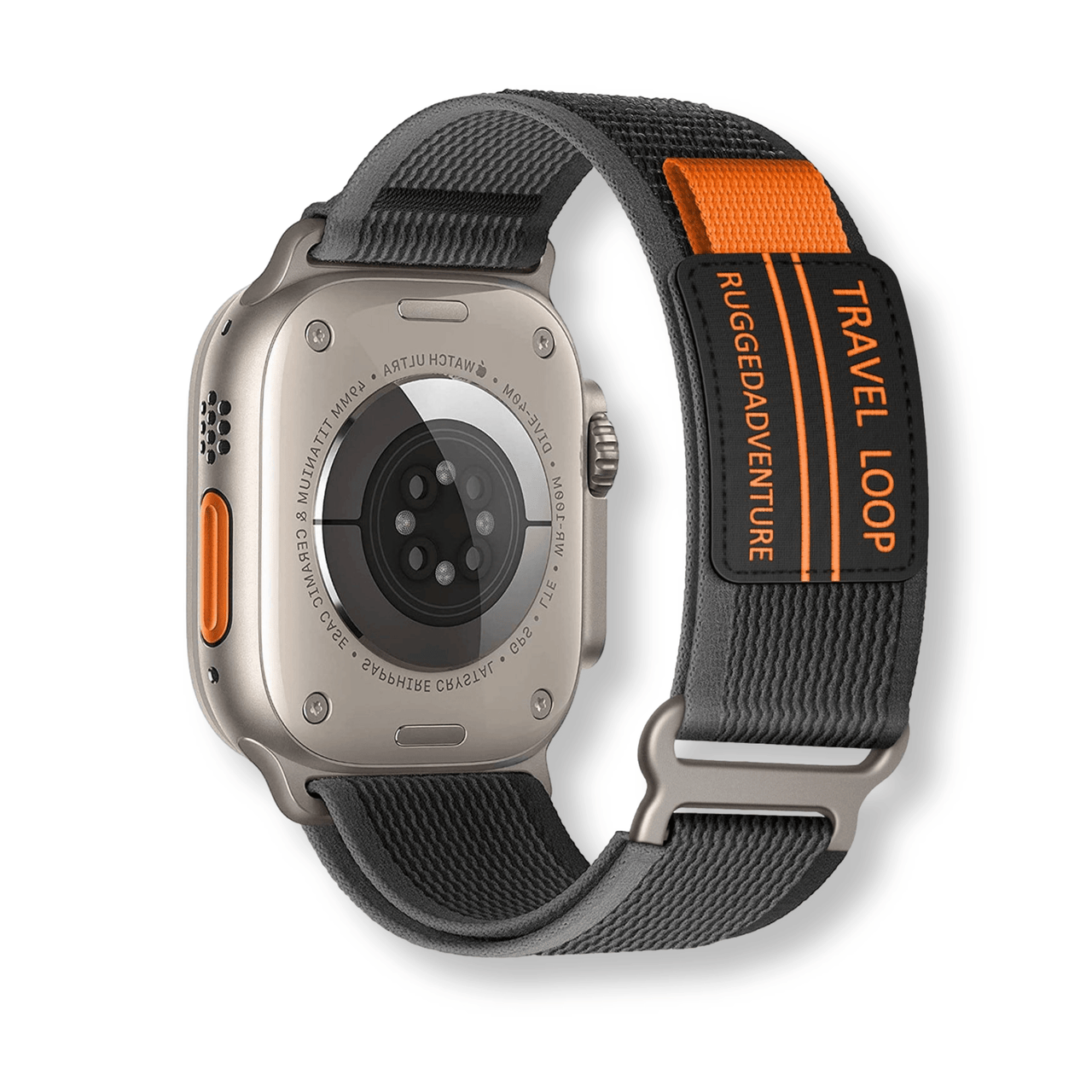
A magnetic watchband uses a magnet as part of its fastening or design. That does not make it a treatment or a performance aid. Our earlier article claimed better endurance, circulation, recovery and concentration, and included athlete stories without verifiable sources. Those claims and stories have been removed.
What the evidence actually supports
The US National Center for Complementary and Integrative Health reports that there is no conclusive evidence that static magnets are effective for any form of pain. Research into powered electromagnetic therapies cannot be transferred to an ordinary magnetic clasp. We have no reliable product-specific evidence that the watchbands discussed here improve athletic performance, reduce inflammation or speed recovery.
Choose a band because it fits your watch and is comfortable and secure for your activity. Do not pay extra for claims about stronger magnets increasing stamina or preventing injury.
Check the closure before exercise
Try fastening and removing the band while seated over a soft surface. Check whether the closure holds at your intended wrist size and whether a sleeve or equipment can catch the loose end. Follow the manufacturer's restrictions for the specific band. A magnetic clasp is not automatically suitable for swimming, contact sports or high-impact exercise.
For an activity where accidental release is a concern, compare a compatible band with a positive mechanical fastening. No closure makes a watch indestructible; inspect pins, adapters and straps for damage before use.
Fit and material are separate decisions
- Confirm the exact watch model, connector and strap width before ordering. Matching width alone does not establish compatibility with proprietary connectors.
- Choose a length that lets the closure engage fully without squeezing your wrist. A band that slides or irritates your skin needs adjustment or replacement.
- Check the manufacturer's sweat, cleaning and water-use instructions. A water-resistant strap does not change the watch's water-resistance rating.
- Dry the band and skin after activity as directed; stop wearing a band that causes irritation.
Magnets and medical devices
NCCIH notes that magnets may interfere with devices such as pacemakers and insulin pumps. Follow the device manufacturer's guidance and ask your healthcare professional before choosing a magnetic band if you use such a device. A non-magnetic closure may be the more appropriate option. Do not use a watchband to delay assessment of pain or an injury.
Bottom line
A magnetic watchband may be a convenient closure choice for some uses. Its practical merits are adjustability, comfort and fastening, not proven physiological benefits. Compare those features and the exact compatibility information before buying.