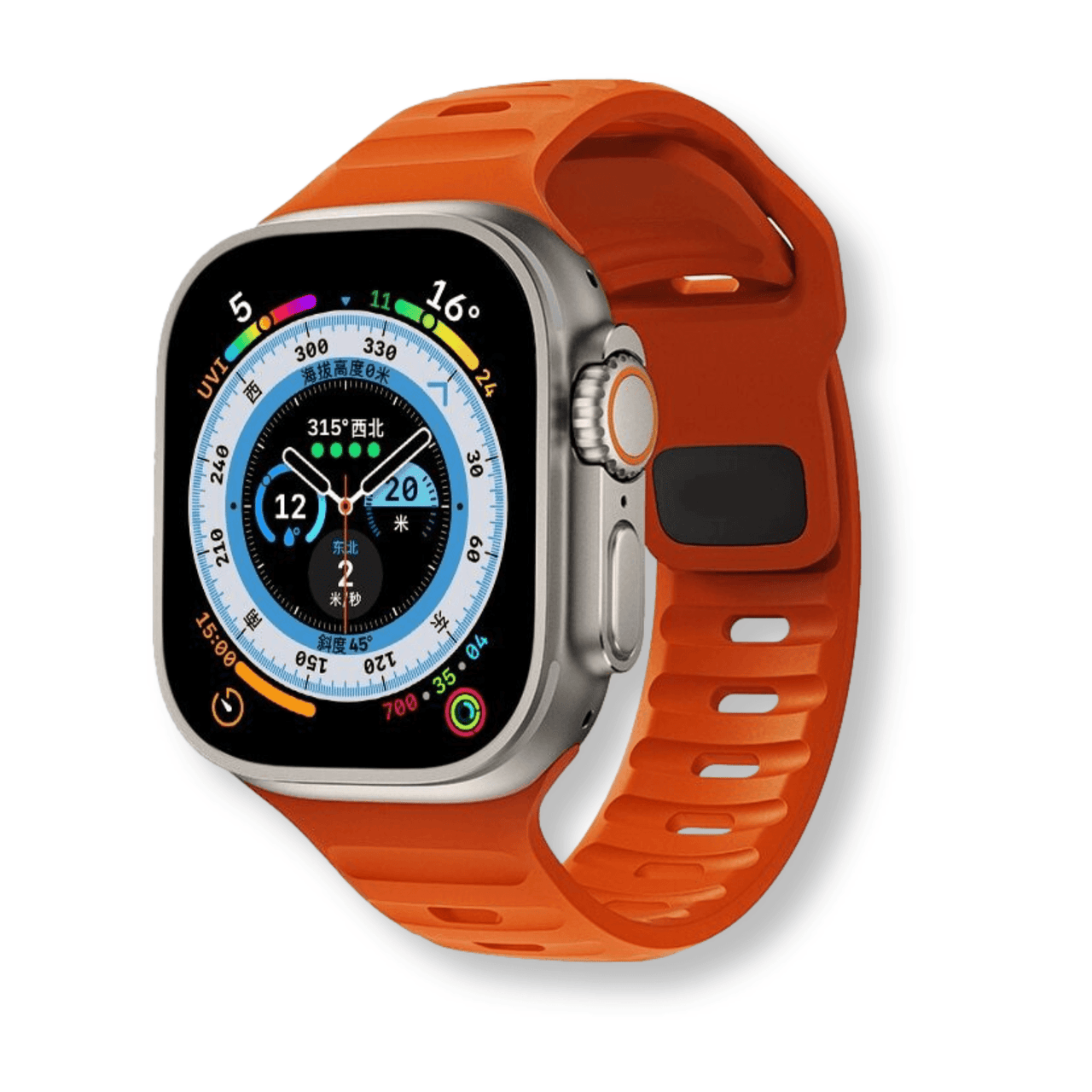
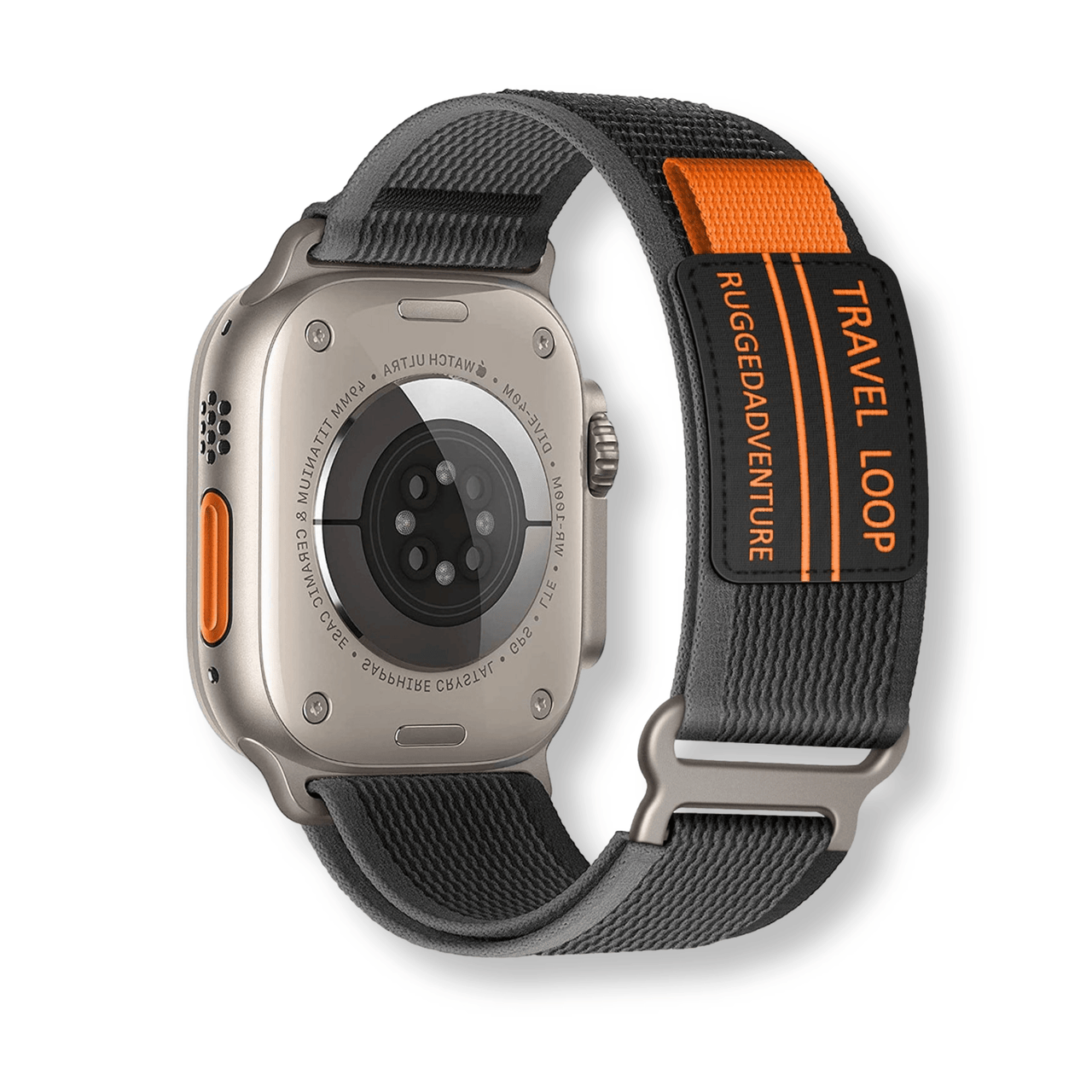
A handmade leather strap must do more than look right: its folds, stitching, hardware and connection must securely hold the watch. This is a planning and fit guide, not a tested construction pattern or a guarantee that a homemade strap can support your watch.
Start with the watch connection
Record the exact watch reference and attachment type. For a conventional straight-end strap, measure the space between the lugs in millimetres and confirm the spring-bar specification. HIRSCH recommends checking the attachment width; it may also be marked on the underside of an existing leather strap. Do not choose a width simply because 18, 20, 22 or 24 mm looks suitable. Integrated fittings and proprietary connectors are not covered by a generic leather-strip pattern.
Work out the finished length and buckle dimensions
Measure your wrist at the wearing position and compare with a strap that fits the same watch. Record the long and short sections, the usable hole positions and the buckle attachment width. Account for the case, fastening and folded sections in the pattern. Adding one inch to wrist circumference is not a reliable way to determine the cut lengths. The buckle-end width can differ from the watch-end width.
Use a complete, appropriate pattern
Choose a pattern that specifies the intended leather, lining, finished thickness, fold construction, stitching and hardware. A decorative leathercraft pattern is not evidence of load-bearing strength. Confirm that the completed end fits between the lugs and clears the case without forcing the spring bar. Adhesive alone should not be assumed to replace the pattern’s structural joining method.
Prototype before fitting a watch
Make a paper layout first to check dimensions and hole placement. A paper prototype checks geometry only; it does not prove durability. Do not test an unfinished strap by wearing an expensive watch. Ask an experienced leatherworker or watchmaker to assess the finished folds, stitching, buckle and attachment before use. A strap that looks neat can still have a weak fastening.
Care and replacement
Follow the leather and finish supplier’s care instructions. Do not assume every homemade leather strap tolerates water or needs the same conditioner. Inspect load-bearing areas regularly and stop using the strap if stitching breaks, leather splits around the attachment or the buckle loosens.
When a professional maker is the better choice
Use an experienced maker for unusual connectors, very tight case clearance, expensive watches or any design whose construction you cannot verify. Supply the watch reference, measured widths, preferred finished lengths and buckle details. This lets the maker confirm the design rather than work from an approximate wrist measurement.
Reference: HIRSCH sizing and attachment guidance. For fit checks see our length and fit guide; for upkeep see five care habits.
📌 Complete Guide
For the full guide, see our Leather.