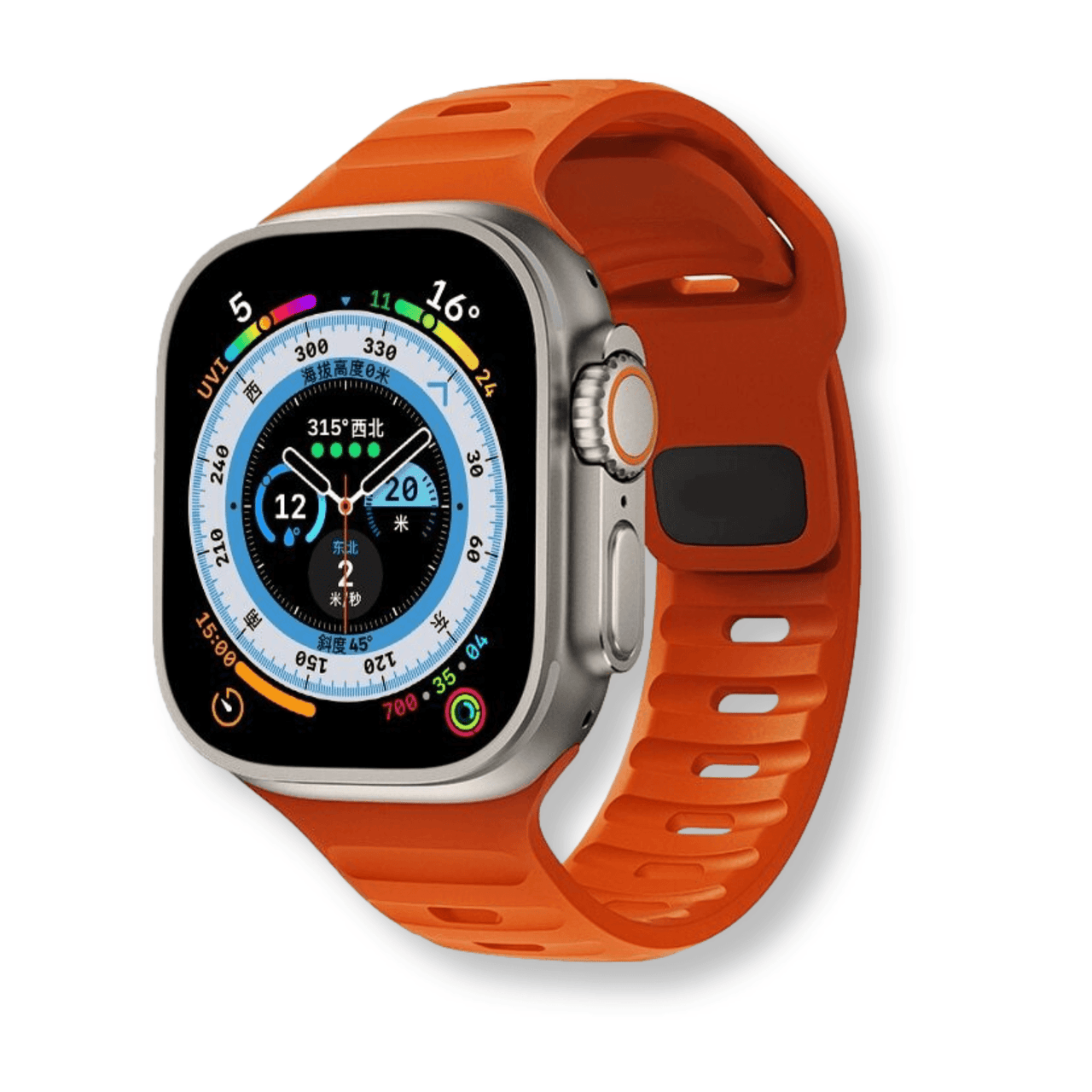
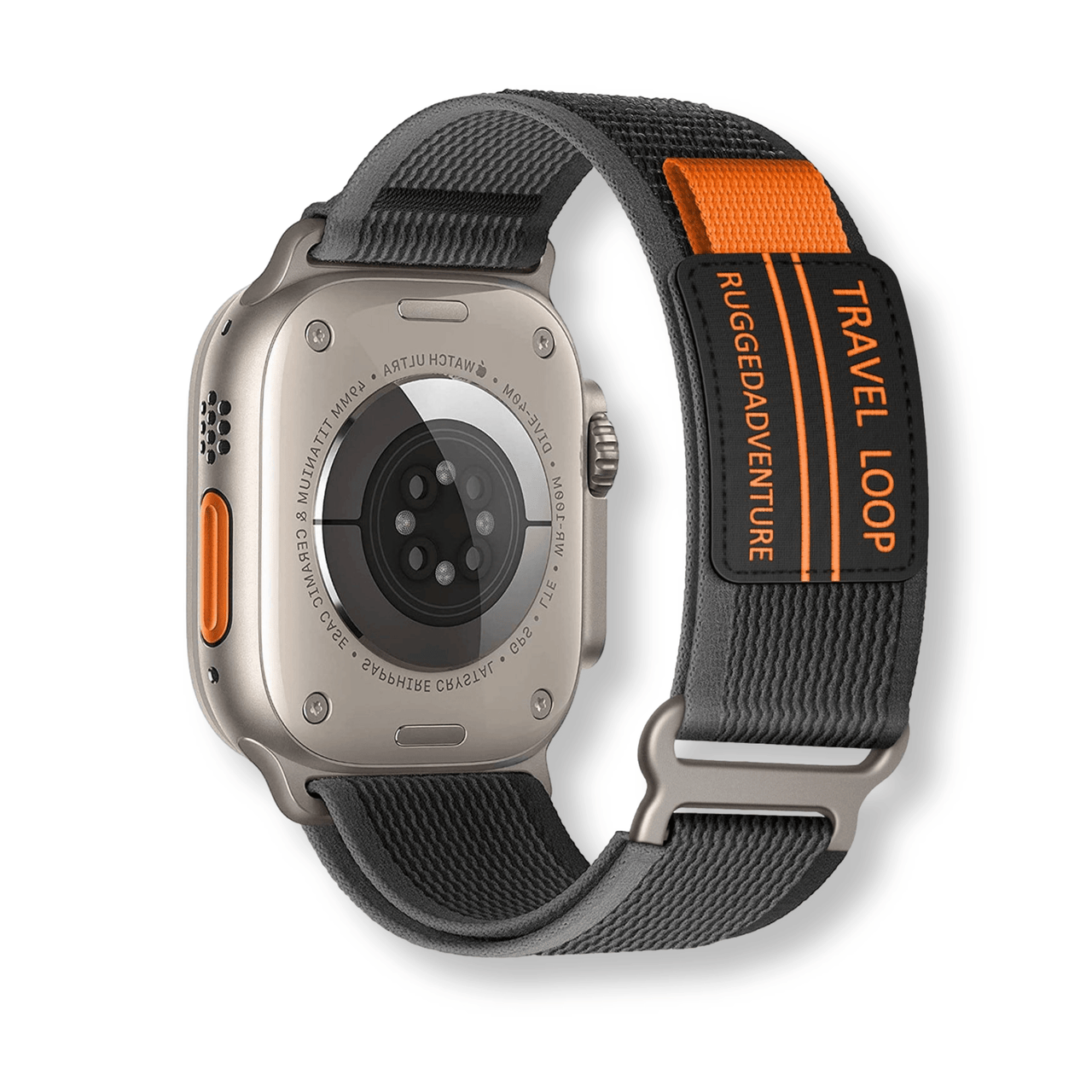
If arthritis or limited hand movement makes a small watch buckle difficult to use, a different closure may make putting on your watch easier. That is an accessibility benefit, not a treatment for arthritis. This guide replaces earlier unsupported claims that ordinary watchbands relieve arthritis pain, improve circulation or reduce inflammation.
Start with the task you find difficult
Is it threading the strap through a buckle, pinching a small release button, or pulling a tight loop over your hand? Try the closure with the hand you normally use. A large pull tab or a closure that opens fully may be easier than a small buckle, but individual needs differ. An occupational therapist can help identify suitable adaptations.
Compare closure designs
- Hook-and-loop: check whether you can grasp the tab, peel it back and press the full fastening area closed. Look at the available adjustment range rather than assuming one size fits everyone.
- Stretch loops: these avoid a separate clasp, but must pass over the hand without painful pulling and still fit the wrist. Measure both requirements before buying.
- Folding clasps: some open wider than a buckle strap, but release buttons and closing pressure can be difficult. Test the actual design.
- Magnetic closures: these are fastening options, not magnetic therapy. They may be unsuitable around some medical devices; check the device guidance first.
Comfort without compression
A watchband is not a medical brace or compression treatment. Choose a fit that holds the watch without squeezing or rubbing. If wrist size changes, an adjustable design may be more practical than a fixed loop. Remove a band that causes numbness, pain or irritation and seek appropriate advice if symptoms persist.
No material is guaranteed irritation-free for everyone. Check the actual strap and clasp materials and your known sensitivities. Keep the skin and band clean and dry according to the manufacturer's instructions; do not assume that silicone, fabric or steel is automatically hypoallergenic.
Check the watch connection
Confirm the exact watch model, attachment type, connector width and usable strap length. A band that is easy to fasten still needs the correct adapter or spring bars. If fitting small components is difficult, ask a watch repairer to install it. An ordinary replacement strap does not add GPS or health-monitoring features; those depend on the watch or a separately specified electronic device.
What about magnetic pain-relief claims?
NCCIH finds no conclusive evidence that static magnets are effective for any form of pain, including osteoarthritis pain. Ordinary magnetic watchbands should not be promoted as a substitute for medical assessment or treatment. NCCIH also warns of possible interference with pacemakers and insulin pumps.
A useful buying test
Before keeping a band, confirm that you can open it, close it and remove the watch comfortably, that it remains secure, and that it fits without pressure. Choose the accessory for everyday usability, not a promise to cure or manage arthritis.