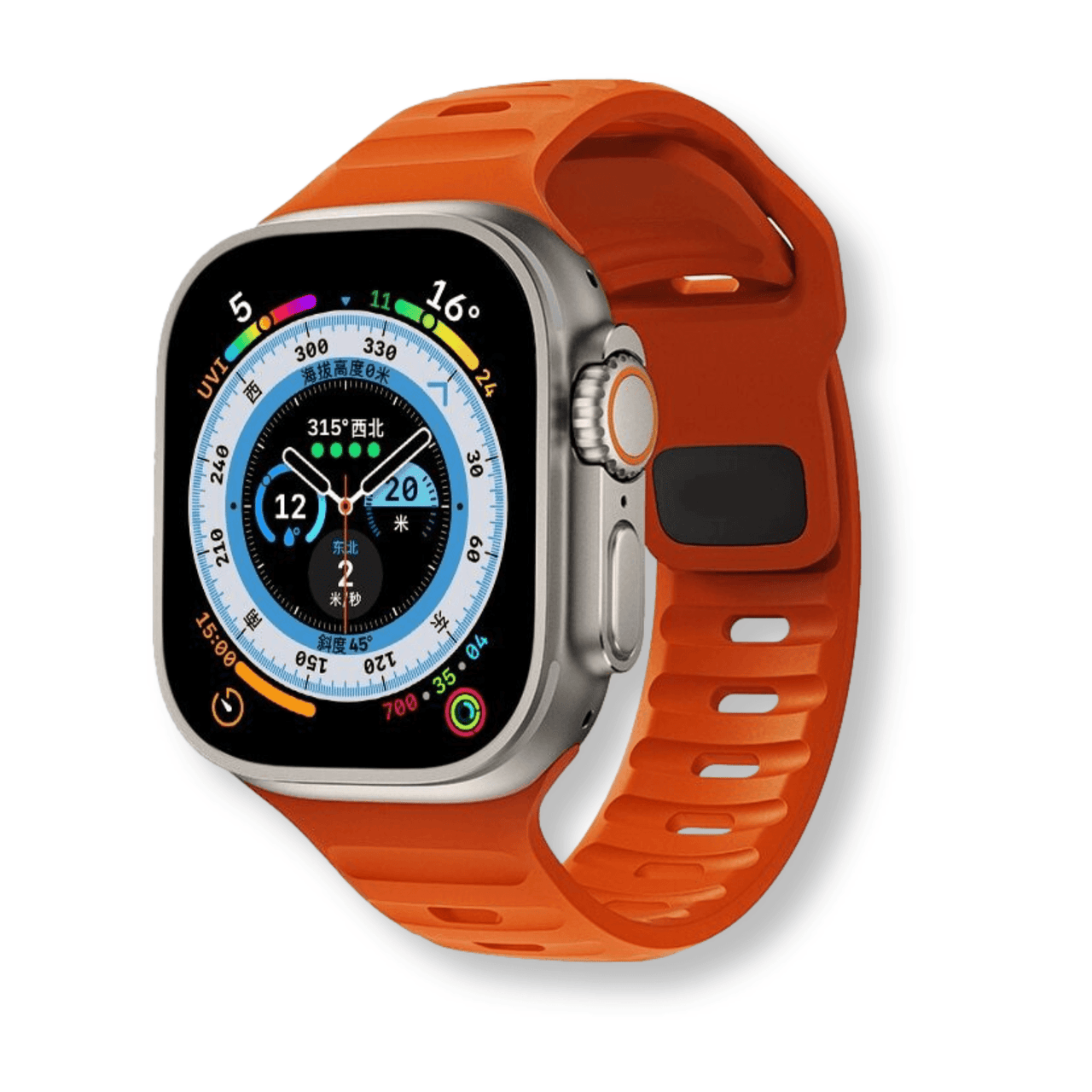
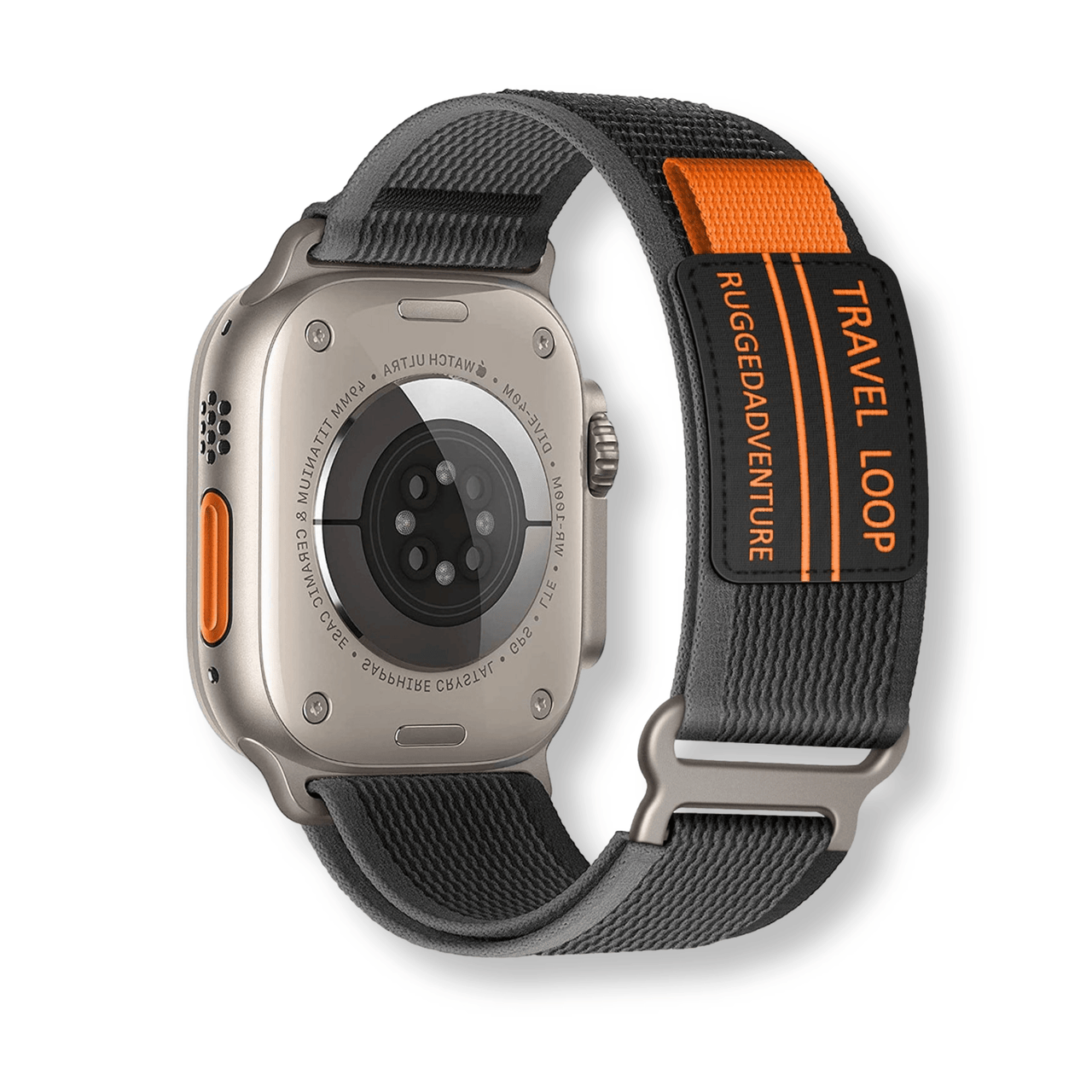
Care depends on the particular strap, lining, finish and fastening, not just the word “leather” or “rubber” on a product page. These five habits help you choose an appropriate routine without promising that a band will last a fixed number of years.
1. Identify the material and its care instructions
Check the maker’s instructions before using water, soap, alcohol, conditioner or a cleaning machine. Treatments suitable for one strap can mark another. Apple, for example, distinguishes between leather, FineWoven, fabric and specific sport bands; its instructions apply to those products, not every third-party band. Keep the product name or care leaflet for future reference.
2. Clean gently, with the permitted method
Start with a soft, nonabrasive cloth. If the maker permits damp cleaning, use the specified liquid and avoid saturating a material that must not be soaked. Remove the strap from the watch when its instructions require it. A washable strap does not mean the attached watch can be submerged. Never assume all metal bracelets tolerate ultrasonic cleaners or all leather needs conditioning on a two-month schedule.
3. Let the band and your skin dry
After exercise or permitted cleaning, allow the strap to dry as directed before wearing it again. Avoid direct heat and do not leave a damp leather strap folded in a closed box. If frequent exercise repeatedly wets a strap not intended for that use, change to a compatible band whose maker approves it for your activity. Drying is still necessary with a sport band.
4. Inspect the parts that hold the watch
Look for torn holes, split folds, broken stitching, stretched fastening points, a loose buckle or a connector that no longer locks. Stop wearing the watch on a damaged band. A cosmetic leather treatment cannot repair a weakened attachment. If a spring bar or proprietary connector needs replacement, match the actual watch and strap specification rather than choosing by appearance alone.
5. Store without forcing the shape
Keep the watch and band away from excessive heat, prolonged moisture and abrasive contact with other objects. Do not force a stiff strap around an undersized cushion or pull on the band to open a clasp. Use the clasp’s intended release. Check the fit again after storage, especially if a material has changed shape.
When to replace rather than clean
Cleaning is for dirt, not structural damage. Replace or professionally assess a band with failed stitching, cracked load-bearing sections or an insecure closure. Persistent skin irritation also warrants stopping wear and seeking appropriate advice. No material or care product guarantees freedom from reactions.
Further guidance
See our workout band care guide. Manufacturer references: Apple cleaning guidance and HIRSCH strap care and sizing FAQ. Follow the instructions for your own product when they differ.
Material-specific cleaning notes
- Cleaning a watch band: identify the material first
- Cleaning a rubber watch band without assuming silicone care
- Cleaning a leather watch band: avoid soaking and heat
- Cleaning a metal watch band: check the finish and joints
- Cleaning a white silicone watch strap: realistic stain care
- Cleaning a nylon watch band: check weave, lining and hardware
- Cleaning a stainless-steel watch bracelet without damaging finishes