- Material is everything: Rubber, FKM, and high-grade silicone are the best materials for water resistance and hygiene.
- Prevent irritation: Ensure your band has channels or perforations to let trapped water escape and your skin breathe.
- Keep it secure: NATO nylon straps provide double-spring-bar security, preventing your watch from sinking if a pin fails.
- Always rinse: Clean your watch band with fresh tap water immediately after swimming in chlorine or saltwater.
Table of Contents
- Why Material Matters for Swimming Watch Bands
- Silicone and Rubber: The Undisputed Kings of the Pool
- Nylon and NATO Straps: Fast-Drying Alternatives
- Best Watch Bands for Swimming Compatibility & Sizing
- How to Prevent Skin Irritation After Swimming
- Best Watch Bands for Swimming Replacement & Tools
- Frequently Asked Questions
Why Material Matters for Swimming Watch Bands
Swimmers know that water is a harsh environment for activewear. Whether you are doing casual laps in a heavily chlorinated pool or tackling rough waves in the ocean, your watch strap bears the brunt of the elements. Choosing the best watch bands for swimming requires a deeper understanding of material science. Some fabrics act like sponges, while others can degrade rapidly under chemical exposure.
An ideal swimming strap must be completely impervious to water or, at the very least, incredibly fast-drying. It must also resist chemical degradation from chlorine, salt water, and UV rays. If you use a material that holds onto moisture, you risk developing painful skin rashes, bacterial buildup, and unpleasant odors. To get a complete overview of strap materials and how to care for them, read our comprehensive Watch Compendium.
Additionally, structural integrity in water is crucial. The constant resistance of water during your swimming strokes exerts significant pressure on your watch lugs. A weak strap or a poor fit can cause your expensive timepiece to slip off and sink to the bottom. Investing in a high-quality, water-ready design is the only way to swim with absolute peace of mind.
Silicone and Rubber: The Undisputed Kings of the Pool
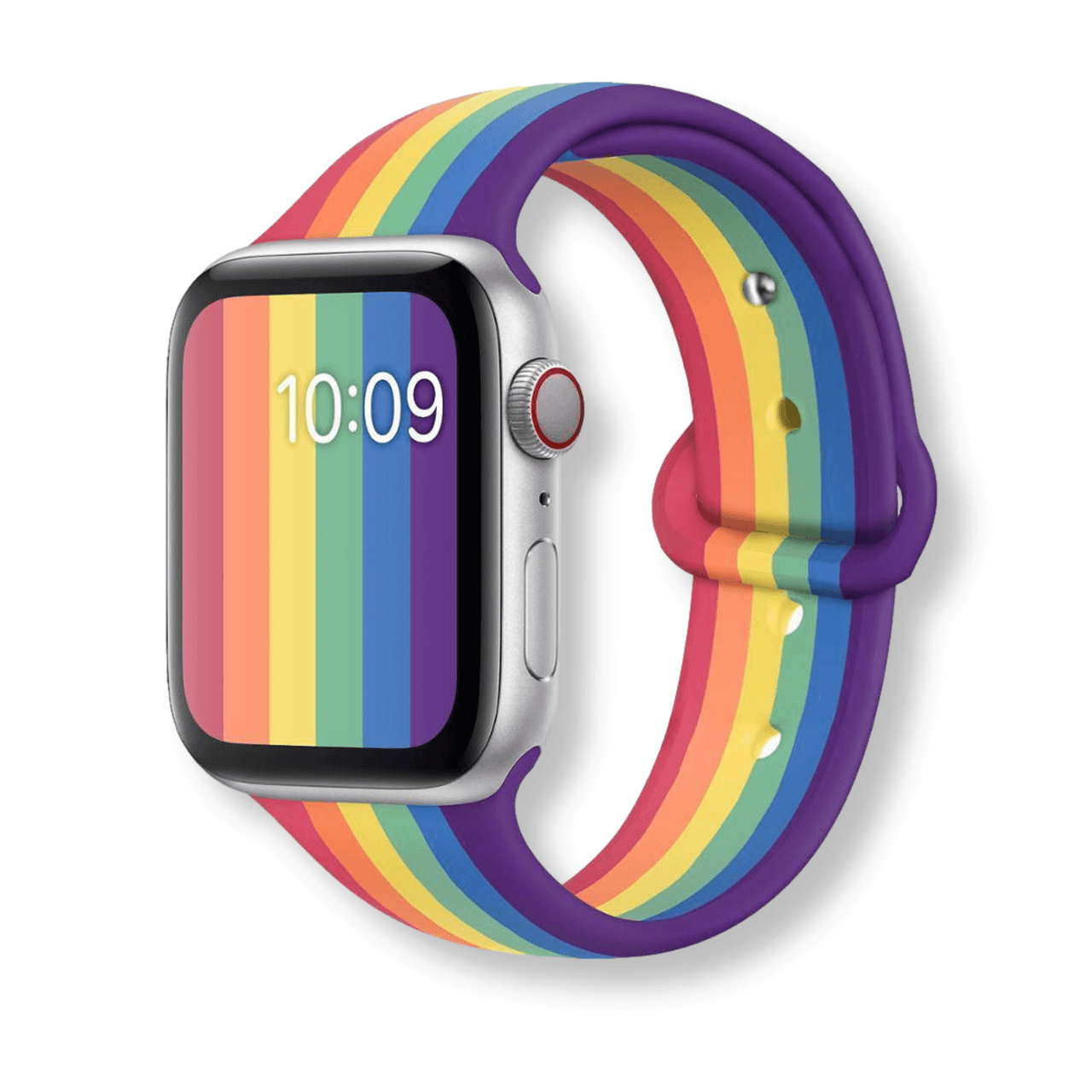
When it comes to pure aquatic performance, rubber and silicone remain the undisputed champions. These materials are naturally 100% waterproof, meaning they cannot absorb water, sweat, or pool chemicals. After your workout, a quick pat down with a towel leaves your strap bone-dry and ready for the rest of your day.

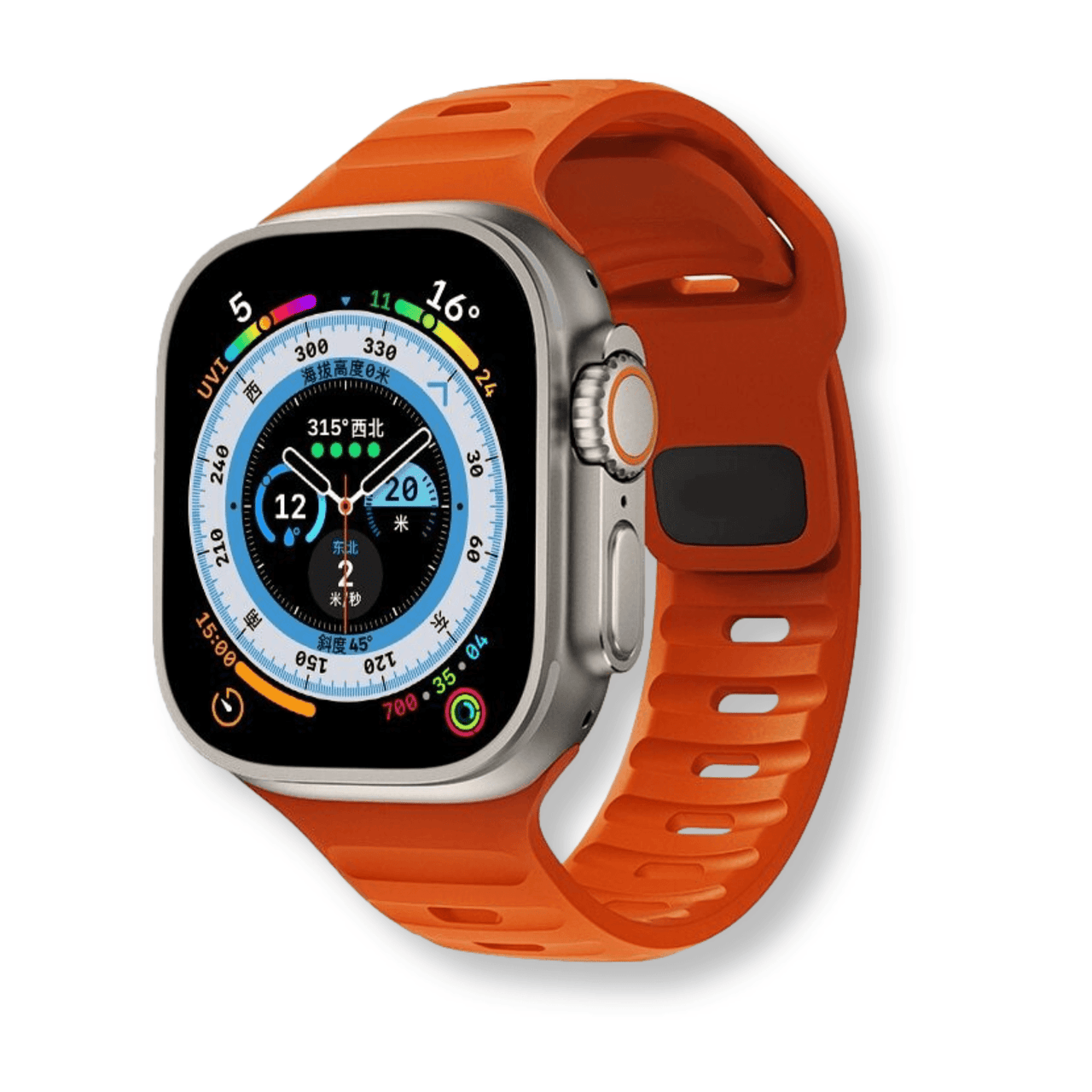
Our premium rubber and silicone watch bands are engineered specifically with active lifestyles in mind. Unlike cheap imports that stick to your skin and trap sweat, high-grade FKM rubber features structured underside ventilation channels. These grooves allow water to drain away quickly and let air circulate freely beneath the band, drastically reducing the risk of friction-induced skin irritation.
FKM rubber is particularly well-suited for ocean swimming. It boasts incredible resistance to salt water and high temperatures, ensuring it will not warp, fade, or crack over time. If you want a comfortable, low-maintenance strap that stays highly flexible in cold water and secure during fast turns, a textured rubber strap is your best option.
Nylon and NATO Straps: Fast-Drying Alternatives
If you prefer a lightweight, vintage-inspired aesthetic, nylon and NATO straps are fantastic waterproof alternatives. While woven nylon does absorb a minimal amount of water, high-quality, tightly woven fabric dries incredibly fast once you step out of the pool. They are exceptionally soft and conform closely to the shape of your wrist.

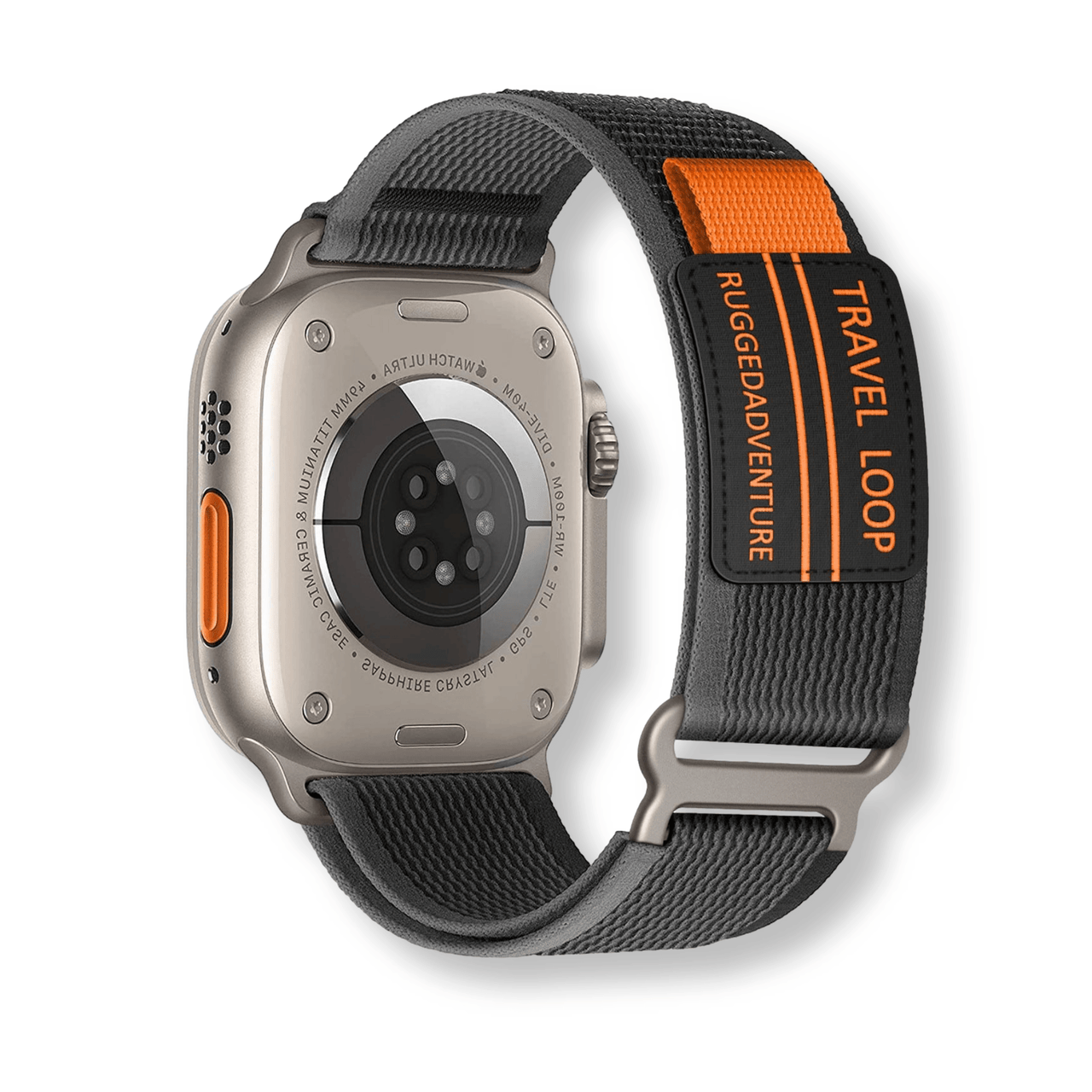
One of the biggest advantages of a NATO strap is its dual-pass design. This layout runs a continuous piece of fabric underneath the watch face, securing it to both spring bars independently. If one spring bar fails during a heavy dive, the second spring bar keeps your timepiece safely attached to your wrist. Explore our collection of rugged design NATO straps to find a durable, high-security swimming companion.
However, nylon straps require slightly more post-swim maintenance than rubber. Saltwater and chlorine can crystallize inside the nylon weave as it dries, which can stiffen the fabric and cause mild abrasion against your skin. A simple rinse in fresh tap water after your swim is all it takes to keep the fibers soft, clean, and comfortable.
Best Watch Bands for Swimming Compatibility & Sizing
Selecting the right strap is only half the battle; ensuring a proper physical fit is essential for both comfort and device functionality. Finding the best watch bands for swimming compatibility depends on whether you are using a traditional mechanical dive watch or a modern smartwatch. Traditional watches use standard lug widths (such as 20mm or 22mm), while smartwatches often require proprietary connectors.
For smartwatch users, getting the best watch bands for swimming size correct is particularly vital. Fitness trackers and smartwatches rely on optical sensors on the back of the watch head to monitor your heart rate. If your band is too loose, water will seep underneath, disrupting the sensor readings. If it is too tight, it will trap moisture and cause severe skin chafing. Check out our detailed Apple Watch Series 11 bands compatibility guide to find the exact dimensions for your smartwatch model.
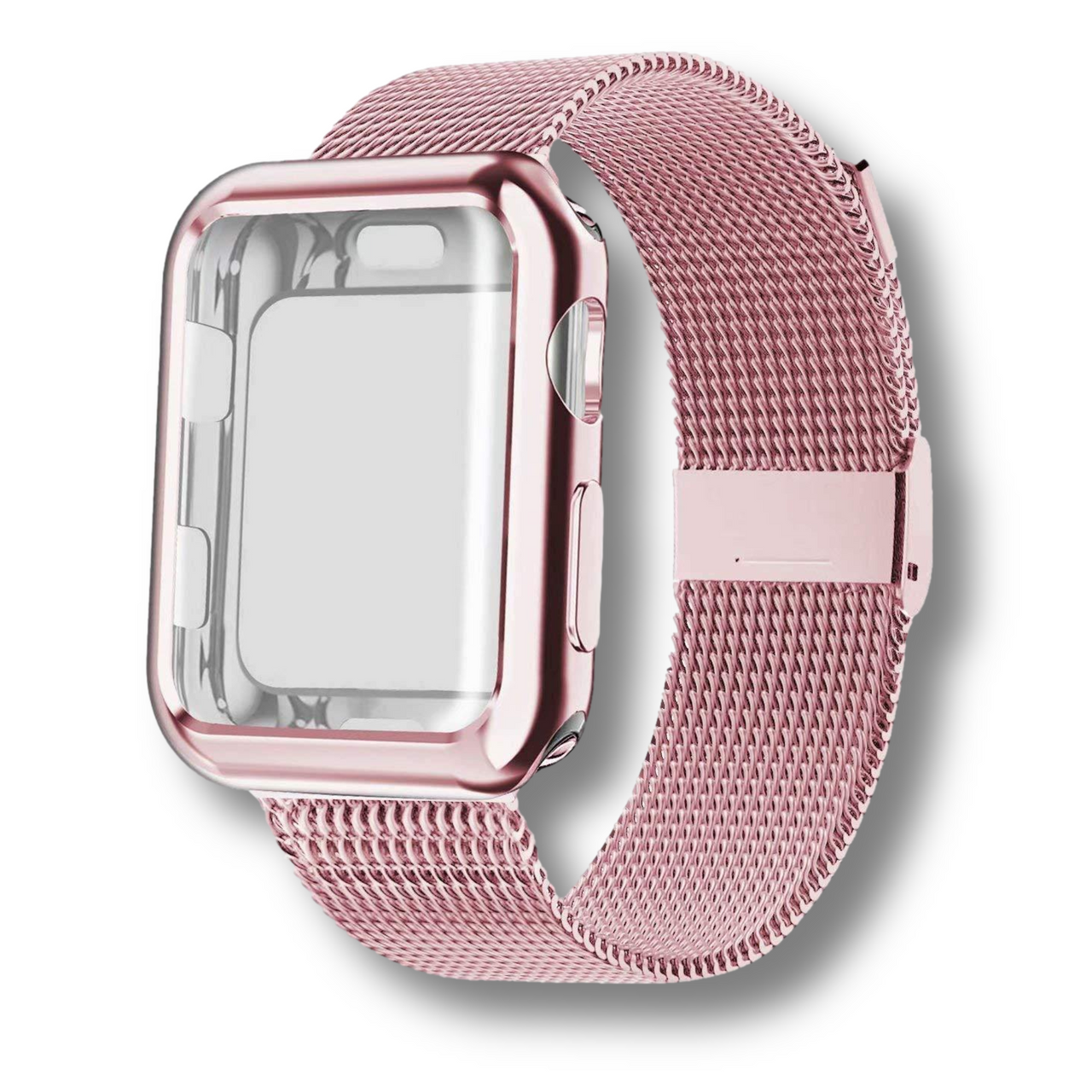
When measuring your wrist, keep in mind that your skin expands slightly when you get warm during exercise. A strap with highly adjustable sizing holes or a flexible stretch fabric will let you fine-tune the fit. This ensures your watch stays snug enough to track your laps accurately without squeezing your wrist. If you are an Apple user, our specialized Apple Watch bands collection offers a wide range of water-resistant options engineered for an immaculate fit.
How to Prevent Skin Irritation After Swimming
The dreaded "watch rash" is a common complaint among frequent swimmers. This red, itchy skin irritation is rarely caused by an allergic reaction to the watch band material itself. Instead, it is usually contact dermatitis caused by trapped moisture, sweat, chlorine, or saltwater residue sitting against your skin for prolonged periods.

To prevent irritation, always take off your watch after swimming and dry both your wrist and the band completely. Allowing your skin to breathe for just ten minutes post-swim makes a massive difference. Additionally, you must avoid wearing certain materials in the water altogether. For example, you should never wear leather straps in a pool. Water breaks down the structural collagen in leather, causing it to rot, crack, harbor bacteria, and develop terrible smells. Save your premium leather watch bands and straps for dry, formal occasions.
Wash your waterproof bands regularly with a mild, non-abrasive soap to remove built-up oils, sunscreen, and pool chemicals. This simple hygiene routine keeps the strap material soft, clean, and completely hygienic, ensuring your wrist remains irritation-free even after long training sessions.
Best Watch Bands for Swimming Replacement & Tools
Ready to upgrade your timepiece for the water? Finding the best watch bands for swimming replacement and swapping them out at home is incredibly simple when you have the right tools. You do not need to pay a jeweler to swap your bands; with a few basic accessories, you can change your style in under two minutes.

To safely swap traditional watch straps without scratching your watch case, we highly recommend using a dedicated watch spring bar remover. This tool allows you to easily compress the spring-loaded pins inside the watch lugs, releasing the old strap and snapping your new waterproof band into place. It is a must-have tool for any watch enthusiast who likes to transition their timepieces from formal wear to athletic use.
Having a secure connection is critical for swimming, so always inspect your spring bars during a replacement. If they are bent, rusted, or loose, replace them immediately to prevent your watch from falling off in deep water. Keeping your gear in top-tier shape ensures that you can dive into any pool with complete confidence in your watch's security.
Frequently Asked Questions
Can I wear my metal watch band for swimming?
While high-grade stainless steel and titanium are corrosion-resistant, metal bands are generally not recommended for active swimming. They are heavy, lack the necessary flexibility for athletic movement, and do not offer micro-adjustments to keep fitness sensors flush against your skin.
How often should I clean my swimming watch band?
You should rinse your band under fresh tap water after every single swim. For a deeper clean, wash it with mild dish soap and a soft brush once a week to remove dried chlorine, salt, sunscreen, and skin oils.
What is the best watch bands for swimming size for small wrists?
For smaller wrists, look for silicone or FKM rubber straps that feature closely spaced adjustment holes or a tapered tail design. This ensures you can achieve a snug, secure fit without excess strap tail flapping around while you swim.
Will chlorine ruin my watch strap?
Chlorine can dry out and degrade cheap plastics, silicone, and natural leather. However, high-quality FKM rubber and premium tightly woven nylon are highly resistant to chemical degradation, making them perfectly safe for regular pool use.
Are quick-release pins secure enough for diving and swimming?
Yes, premium quick-release pins are highly secure and convenient. However, for high-impact water sports like surfing or cliff diving, a heavy-duty NATO strap that bypasses single points of failure provides the ultimate level of security.
Upgrade Your Swim Gear Today
Don't let a wet, itchy, or insecure strap ruin your time in the water. Upgrading to a premium, waterproof watch band is the easiest way to elevate your swimming experience, protect your timepiece, and keep your skin healthy. Browse our extensive collections of water-ready straps today to find the perfect blend of style, security, and comfort for your next swim.
Related Watch Band Guides
📌 Complete Guide
For the full guide, see our Apple Watch.
📌 Complete Guide
For the full guide, see our Apple Watch.