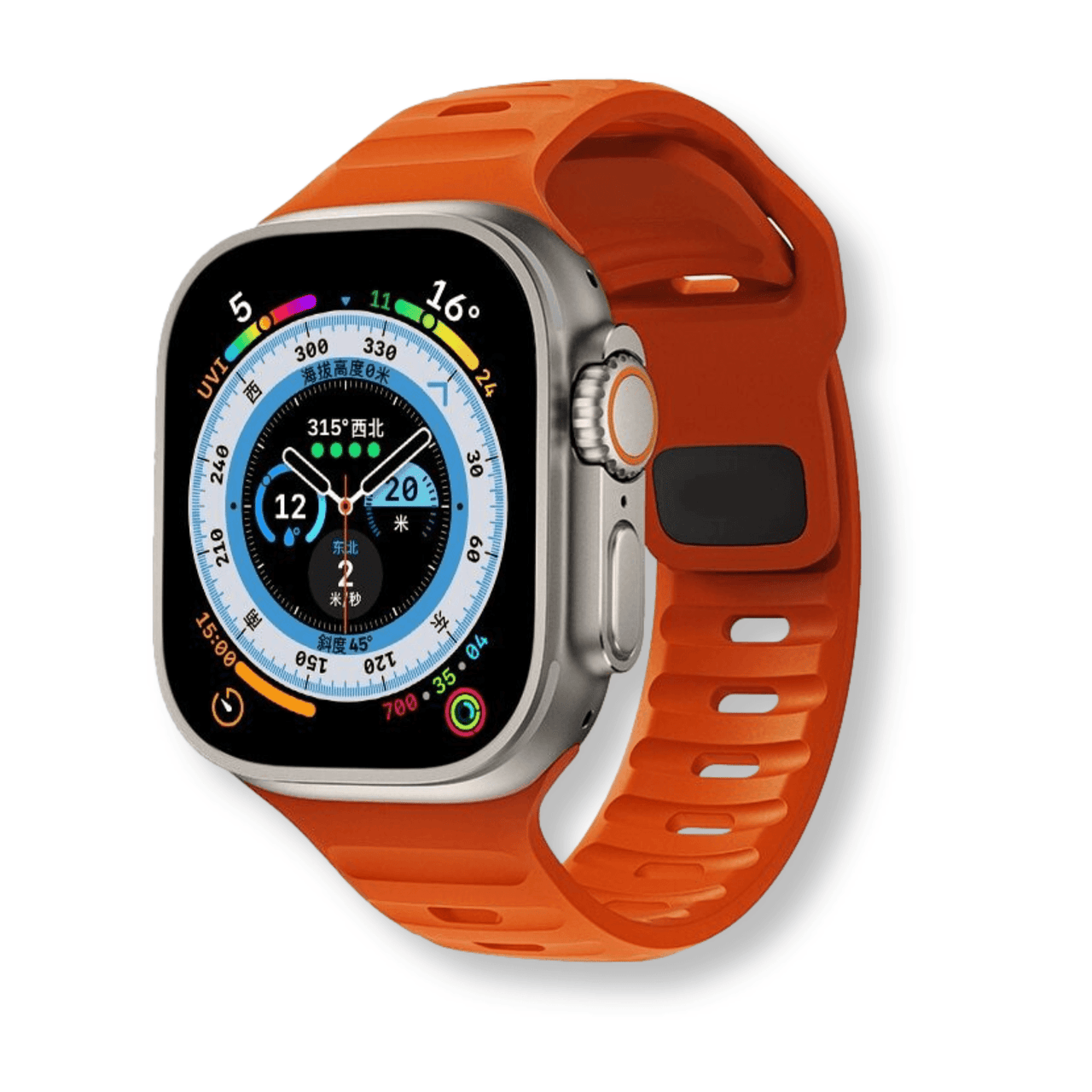
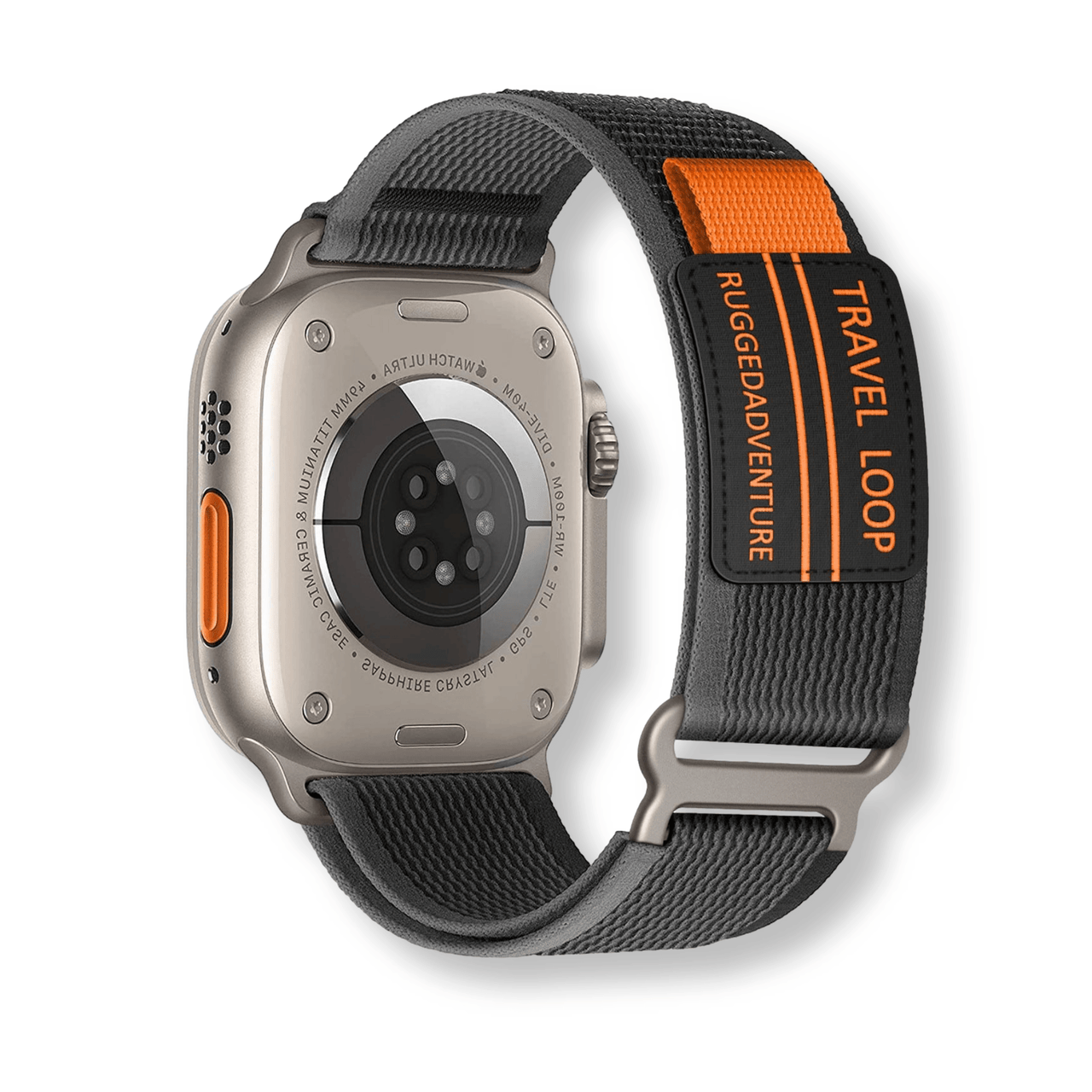
NATO, Nylon, Zulu and Perlon Strap Collections
Start with Military Nylon and Zulu Straps for rugged nylon, Nylon Straps and Zulu Straps for the broader nylon range, Design NATOs for patterned straps and Perlon Watch Bands for woven summer straps.
NATO Straps: The Complete Guide to NATO Watch Bands (2026)
Welcome to the ultimate resource for horology enthusiasts, everyday watch wearers, and everyone in between. If you are looking to elevate your timepiece in 2026, there is no accessory quite as transformative, versatile, and historically rich as the nato strap. Originally designed for military utility, this humble piece of nylon has evolved into a global fashion staple, gracing the wrists of fictional super-spies, deep-sea divers, and boardroom executives alike. In this comprehensive guide, we will dive deep into everything you need to know about the nato watch band, from its fascinating origins to selecting the perfect material, understanding sizing compatibility, and mastering the art of installation.
The beauty of a nato band lies in its simplicity and functionality. Unlike traditional two-piece straps that rely on the integrity of two separate spring bars, the NATO design threads a single continuous piece of material behind the watch case. This ingenious failsafe means that if one spring bar happens to break or pop out during rigorous activity, your precious timepiece will remain securely tethered to your wrist by the remaining spring bar. This unparalleled security is exactly why military personnel, astronauts, and adventurers have trusted the NATO strap for decades.
As we navigate through 2026, the watch industry is seeing a massive resurgence in vintage-inspired utility and sustainable fashion. Modern NATO straps are now being crafted from premium materials, including recycled ocean plastics, ultra-soft seatbelt nylons, and refined textiles that bridge the gap between rugged durability and luxury aesthetics. Whether you are rocking a vintage mechanical diver, a modern digital tool watch, or the latest high-tech smartwatch, swapping out your stock bracelet for a high-quality NATO strap is the fastest, most cost-effective way to completely reinvent your watch's look and feel.
Throughout this guide, we will explore the nuances of strap selection, compare the NATO against other popular materials, and provide you with actionable advice to ensure you get the perfect fit. By the end of this article, you will not only understand the mechanical benefits of these incredible straps, but you will also have the confidence to mix and match styles to suit any occasion.
Overview - Why NATO Watch Bands Need Proper Selection
To truly appreciate the modern nato watch band, one must first understand its origins. The strap made its official debut in 1973 under the British Ministry of Defence (MoD) Standard 66-15. Soldiers requesting the strap had to fill out a requisition form known as the G1098, or "G10" for short. Consequently, purists often refer to these straps as G10 straps. The original specification was incredibly strict: the strap had to be made of Admiralty Grey nylon, measure exactly 20mm in width, and feature chrome-plated brass hardware. It also required a secondary, shorter piece of nylon attached to the buckle end, which created a pocket for the watch case, ensuring it wouldn't slide up and down the strap.
Today, the term nato strap has become a catch-all phrase for this style of slip-through watch band, but not all straps are created equal. Proper selection is paramount for several reasons, ranging from wrist comfort to the physical security of your timepiece. When you enter the market for a new nato band, you are faced with an overwhelming array of choices in thickness, weave density, hardware finish, and length. Making the wrong choice can lead to a strap that is too bulky for a slim dress watch, or conversely, a strap that is too flimsy to support the weight of a heavy stainless steel dive watch.
First and foremost, consider the weight and dimensions of your watch case. A heavy, chunky dive watch requires a strap with a tight, rigid weave to prevent the watch head from flopping around on your wrist. Heavy-duty NATO straps, sometimes styled as Zulu straps with thicker, rounded hardware, are ideal for these robust timepieces. On the other hand, if you are outfitting a slim field watch or a vintage chronograph, a premium "seatbelt" weave NATO—characterized by its silky texture and subtle sheen—provides a luxurious feel without adding unnecessary bulk.
Hardware finish is another critical element of proper selection. The metal keepers and buckle on your nato watch band should ideally complement the finish of your watch case. If your watch features a brushed stainless steel case, brushed hardware on the strap will create a cohesive, factory-original look. For stealthy, tactical watches, black PVD-coated hardware is the perfect match. Polished hardware works beautifully with dressier pieces or watches featuring polished lugs and bezels.
Finally, length and adjustability play a massive role in the NATO experience. The traditional military NATO is intentionally long, designed to be worn over thick diving suits or flight jackets. For civilian wear, this excess length is typically folded back and tucked into the metal keepers—a signature look known as the "NATO tuck." Selecting a strap with the appropriate length for your wrist size ensures that this tuck looks intentional and neat, rather than bulky and cumbersome. Understanding these nuances is exactly why diving into a comprehensive guide is essential before making your next strap purchase.
Compatibility & Sizing Guide
One of the most common pitfalls when purchasing a new nato strap is ordering the incorrect size. Unlike clothing, where a "medium" might fit a wide range of body types, watch straps require millimeter-perfect precision. The most critical measurement you need to know is your watch's "lug width." The lugs are the horn-like protrusions on the top and bottom of the watch case that hold the spring bars. The distance between the inside of these lugs is your lug width, and it dictates the exact width of the strap you need to buy.
Standard lug widths in the watch industry are typically even numbers, with 18mm, 20mm, 22mm, and 24mm being the most common. However, some brands (notably vintage Rolex, certain Omega models, and Grand Seiko) occasionally use odd lug widths like 19mm or 21mm. If you have an odd lug width, it is generally recommended to buy a nato band that is 1mm larger (e.g., a 20mm strap for a 19mm lug width) rather than 1mm smaller. Nylon is pliable and will squeeze into the lugs, whereas a strap that is too small will leave an unsightly gap and could potentially catch on the spring bar flanges, leading to an accidental release.
To measure your lug width, you can use a digital caliper for ultimate precision, or simply a metric ruler. Measure the inside distance between the lugs carefully. Alternatively, you can often check the back of your current leather or silicone strap, as many manufacturers stamp the width (e.g., "20") directly into the material. You can also consult the manufacturer's specifications online or reference comprehensive databases like our Watch Compendium for detailed sizing charts.
Below is a quick reference compatibility and sizing guide for some of the most popular watch models in 2026. This table highlights the typical lug width required, as well as the standard band size (length) that best accommodates these models.
| Watch Brand & Model | Typical Band Size (Length) | Lug Width |
|---|---|---|
| Rolex Submariner (Modern & Vintage) | Standard (270mm - 290mm) | 20mm (21mm for newer 41mm models) |
| Omega Speedmaster Professional | Standard (270mm - 290mm) | 20mm |
| Seiko 5 Sports / SKX Series | Standard (270mm - 290mm) | 22mm |
| Apple Watch (Ultra, Series 9/10) | Standard (Requires Apple Watch Adapter) | 22mm or 24mm (depending on adapter size) |
| Hamilton Khaki Field Mechanical | Standard (270mm - 290mm) | 20mm |
| Tudor Black Bay 58 | Standard (270mm - 290mm) | 20mm |
| Casio G-Shock (Square models like DW5600) | Standard (Requires G-Shock Adapter) | 22mm (with aftermarket adapter) |
| Citizen Promaster Diver | Standard (270mm - 290mm) | 20mm |
When it comes to the length of the nato watch band, the industry standard is usually around 270mm to 290mm (10.5 to 11.5 inches). This length is designed to accommodate wrist sizes ranging from 6 inches to 8.5 inches comfortably, leaving enough excess material to perform the traditional tuck. If you have a particularly large wrist (over 8.5 inches), you may want to seek out extra-long variants. Conversely, those with smaller wrists might prefer a "single-pass" NATO or a tailored strap to reduce the bulk of folded material on the side of the wrist.
Materials Guide
While this guide is dedicated to the mighty nato strap, understanding how it stacks up against other popular watch band materials is crucial for making an informed decision. Every material has its specific use case, environmental strengths, and aesthetic appeal. By comparing the NATO to silicone, leather, metal, and sport loops, you can curate a watch wardrobe that is prepared for any situation.
1. Silicone Watch Bands
Silicone is the undisputed king of modern activewear. Highly flexible, completely waterproof, and resistant to sweat and UV rays, silicone straps are the go-to choice for intense workouts, swimming, and outdoor sports. Modern silicone blends are hypoallergenic and feature a soft-touch finish that prevents dust accumulation.
Pros: Extremely comfortable, waterproof, easy to clean, vibrant color options.
Cons: Can look too casual for formal settings; lacks the breathability of woven materials; can cause sweating underneath the band in hot climates.
Explore our high-performance options in our Silicone Watch Bands collection.
2. Leather Watch Bands
For centuries, leather has been the traditional standard for watchmaking. From rugged, distressed vintage leathers to refined, glossy alligator-grain finishes, leather offers a level of sophistication and warmth that synthetic materials simply cannot match. A high-quality leather strap will mold to your wrist over time and develop a unique patina that tells the story of your life.
Pros: Highly elegant, develops a beautiful patina, extremely comfortable once broken in, perfect for dress watches and office environments.
Cons: Not waterproof (water can ruin the leather and cause odors); requires maintenance and conditioning; less durable in extreme outdoor conditions compared to nylon.
Discover timeless elegance in our Leather Watch Bands collection.
3. Metal (Stainless Steel) Bands
Metal bracelets—whether in the form of a chunky Oyster-style link, a sophisticated Jubilee, or a vintage-inspired Milanese mesh—offer unparalleled durability and a commanding presence on the wrist. Stainless steel bands are highly resistant to corrosion and provide a substantial, weighted feel that many watch enthusiasts prefer.
Pros: Extremely durable, waterproof, versatile enough to transition from the beach to the boardroom, long lifespan.
Cons: Heavy; prone to scratching (desk diving marks); sizing requires specialized tools to add or remove links; can be uncomfortable if the wrist swells in the heat.
Upgrade your timepiece's presence with our Stainless Steel Bands collection.
4. NATO (Nylon) Watch Bands
The star of the show. Crafted from tightly woven nylon, the nato band offers the ultimate blend of military durability, casual style, and fail-safe security. Because the strap passes behind the watch case, it provides a barrier between your skin and the metal, which is excellent for those with metal allergies or for wearing in extreme temperatures (nylon won't freeze to your skin in winter or burn you in summer).
Pros: Ultimate security (retention if a spring bar breaks), highly affordable, infinitely adjustable, easily washable, available in hundreds of colors and patterns.
Cons: Adds slight height/thickness to the watch on the wrist; the traditional tuck can be bulky for some; generally too casual for strict black-tie events.
Find your next everyday carry strap in our NATO Straps collection.
5. Sport Loop (Hook and Loop) Bands
Popularized heavily by modern smartwatches, the Sport Loop utilizes a woven nylon construction combined with a hook-and-loop (Velcro-style) fastening system. These bands are incredibly lightweight, highly breathable, and offer micro-adjustability since you are not restricted by pre-punched holes.
Pros: Infinite adjustability for a perfect fit, very lightweight, excellent breathability, great for running and sleeping.
Cons: The hook-and-loop mechanism can wear out over time; can look overly tech-focused or casual; Velcro can snag on certain clothing fabrics.
Top Picks from watchband.direct
Now that you understand the sizing and material landscape, it is time to look at some of the best options available on the market today. At watchband.direct, we have curated a selection of nato watch bands that cater to every style, budget, and functional requirement. Here are our top picks for 2026, designed to breathe new life into your favorite timepieces.
1. The Premium Seatbelt Nylon NATO Strap
If you want the rugged functionality of a NATO but crave a touch of luxury, the Premium Seatbelt NATO is the ultimate choice. Woven from a specialized, high-density nylon thread, this strap mimics the smooth, supple texture and subtle sheen of a luxury car's seatbelt. It is noticeably softer out of the box than standard nylon, meaning there is zero break-in period. The edges are ultrasonically welded to prevent fraying, and the hardware is crafted from 316L marine-grade stainless steel. This is the perfect nato strap to pair with high-end luxury divers like an Omega Seamaster or a Rolex Submariner, offering comfort without compromising on elegance.
2. The Classic "James Bond" Striped NATO Watch Band
No NATO collection is complete without paying homage to the most famous cinematic watch strap in history. The Classic Striped NATO features the iconic vintage colorway—typically black with grey stripes, or the true vintage navy, olive, and red configuration. This strap instantly adds a dash of international espionage and retro cool to any watch. Constructed from standard, highly durable ballistic nylon, it provides a slightly stiffer, more utilitarian feel that holds the watch head firmly in place. It is an absolute must-have for vintage chronograph collectors and field watch aficionados.
3. The Heavy-Duty Zulu-Style NATO Band
For those who push their gear to the absolute limit, the Heavy-Duty Zulu-style strap is the undisputed champion. While it operates on a similar slip-through principle as the standard nato band, it is constructed from a much thicker, heavier gauge nylon. Furthermore, it features massive, rounded hardware rings (usually 3 to 5 rings) rather than the flat, squared-off keepers found on a standard NATO. This strap is virtually indestructible and is designed to support the heaviest, most aggressive dive and tactical watches on the market. If you are heading into the wilderness, this is the strap you want on your wrist.
4. The Modern Single-Pass NATO
Addressing the common critique that traditional NATO straps add too much bulk beneath the watch, the Single-Pass NATO has become a massive trend in 2026. This design eliminates the secondary under-strap, allowing the watch case to sit closer to the wrist while still providing the continuous-loop security of nylon. It offers a cleaner, more streamlined aesthetic that pairs beautifully with thinner watches, everyday chronographs, and even smartwatches. The adjustable buckle system ensures you get a custom fit without the need for the traditional bulky fold-over tuck.
Ready to upgrade your wrist game? Explore these top picks and dozens of other colorways and styles by visiting our dedicated NATO Straps collection.
How to Change Your NATO Watch Band - Installation Tips
One of the greatest joys of owning a nato watch band is the ability to swap it out in a matter of seconds without the need for specialized tools. Unlike metal bracelets or traditional leather straps that require you to compress spring bars every time you want a new look, the NATO strap simply threads through the existing bars. Here is a comprehensive, step-by-step guide to mastering the installation of your new strap.
Step 1: Remove the Old Strap
If your watch currently has a traditional two-piece strap or a metal bracelet, you will need to remove it first. Use a spring bar tool to gently catch the flange of the spring bar where it meets the watch lug. Apply inward pressure to compress the spring, and carefully slide the strap or end-link away from the case. If your current strap features quick-release pins, simply pull the small metal knob inward and pull the strap away. Once the old strap is removed, you will be left with the bare watch case.
Step 2: Reinstall the Spring Bars
Because the nato strap weaves behind the watch, you need to reinstall the bare spring bars back into the watch lugs. Take your spring bar, insert one end into the small hole on the inside of the lug, use your tool to compress the other end, and slide it into the opposite hole. Ensure you hear a satisfying "click" and give the spring bar a gentle tug to verify it is securely seated. You do not want a spring bar popping out during installation!
Step 3: Threading the Strap
Take your new nato band and hold it so that the buckle is facing upward. You will notice the strap consists of a long main piece and a shorter secondary piece with a metal keeper at the end. Take the tip of the long main piece and thread it downwards through the gap between the watch case and the top spring bar (the 12 o'clock side). Pull it behind the caseback, and then thread it upwards through the gap between the watch case and the bottom spring bar (the 6 o'clock side). Pull the strap all the way through until the watch case rests snugly against the metal keeper of the secondary strap.
Step 4: Securing the Watch Head
Now, take the tip of the long strap that you just pulled through the bottom spring bar, and thread it through the metal keeper located at the end of the shorter secondary strap. Pull it tight. This action creates a secure "pocket" for the watch head, ensuring it cannot slide up or down the length of the nylon. Your watch is now securely mounted.
Step 5: The Signature "NATO Tuck"
Strap the watch onto your wrist as you normally would, buckling it to your preferred tightness. You will likely have a few inches of excess nylon tail protruding past the second metal keeper. To manage this, fold the tail back on itself and tuck it underneath the metal keepers. You can do an "inward tuck" (folding the tail toward your wrist for a cleaner look) or an "outward tuck" (folding it away from your wrist for the classic military aesthetic). Both are correct, and it entirely depends on your personal style preference.
For more detailed tutorials on watch maintenance, strap cleaning, and horological history, be sure to bookmark our comprehensive Watch Compendium.
Latest Nylon and Fabric Strap Guides
For alternatives to classic NATO construction, see our braided nylon watch band guide and our canvas watch strap guide for everyday durability, sizing and styling notes.
Frequently Asked Questions
Even with a comprehensive guide, the world of watch straps can generate plenty of questions. Below, we have compiled and answered the top five most frequently asked questions regarding the nato watch band to ensure you have all the knowledge you need.
What is a NATO strap?
A NATO strap is a one-piece watch band, typically made from woven nylon, that threads under the watch case and through the spring bars. Originally developed by the British Ministry of Defence in the 1970s for military use, its design ensures that if one spring bar breaks, the watch remains securely attached to the wrist by the second spring bar. It features a secondary piece of nylon that creates a pocket to hold the watch head securely in place.
Can I wear a NATO watch band with a smartwatch?
Yes, but with an important caveat. Because a traditional NATO strap passes underneath the caseback of the watch, it will block the optical heart rate and blood oxygen sensors found on the back of modern smartwatches like the Apple Watch or Garmin models. To wear a NATO style on a smartwatch, you should opt for a "two-piece NATO" which provides the rugged nylon aesthetic and metal hardware, but leaves the sensor array exposed against your skin.
How do I clean my NATO band?
One of the greatest advantages of nylon NATO straps is how easy they are to clean. For routine maintenance, simply remove the strap from your watch, place it in a small bowl of warm water mixed with a few drops of mild dish soap, and scrub it gently with a soft-bristled toothbrush. Rinse it thoroughly with clean water and let it air dry completely away from direct, harsh sunlight. For a deeper clean, many NATO straps can be placed inside a garment bag and run through a cold cycle in a washing machine.
Are NATO straps comfortable for daily wear?
Absolutely. Once broken in, a high-quality nylon NATO strap is incredibly comfortable. It is lightweight, highly flexible, and conforms to the shape of your wrist. Furthermore, because the nylon acts as a barrier between the metal watch case and your skin, it prevents the watch from feeling freezing cold in the winter or sticking to your wrist with sweat in the summer. Premium "seatbelt" variations offer an even softer, silkier feel right out of the box for maximum daily comfort.
Will a NATO strap fit large or small wrists?
📌 Complete Guide
For the full guide, see our NATO Watch Straps Complete Guide 2026.