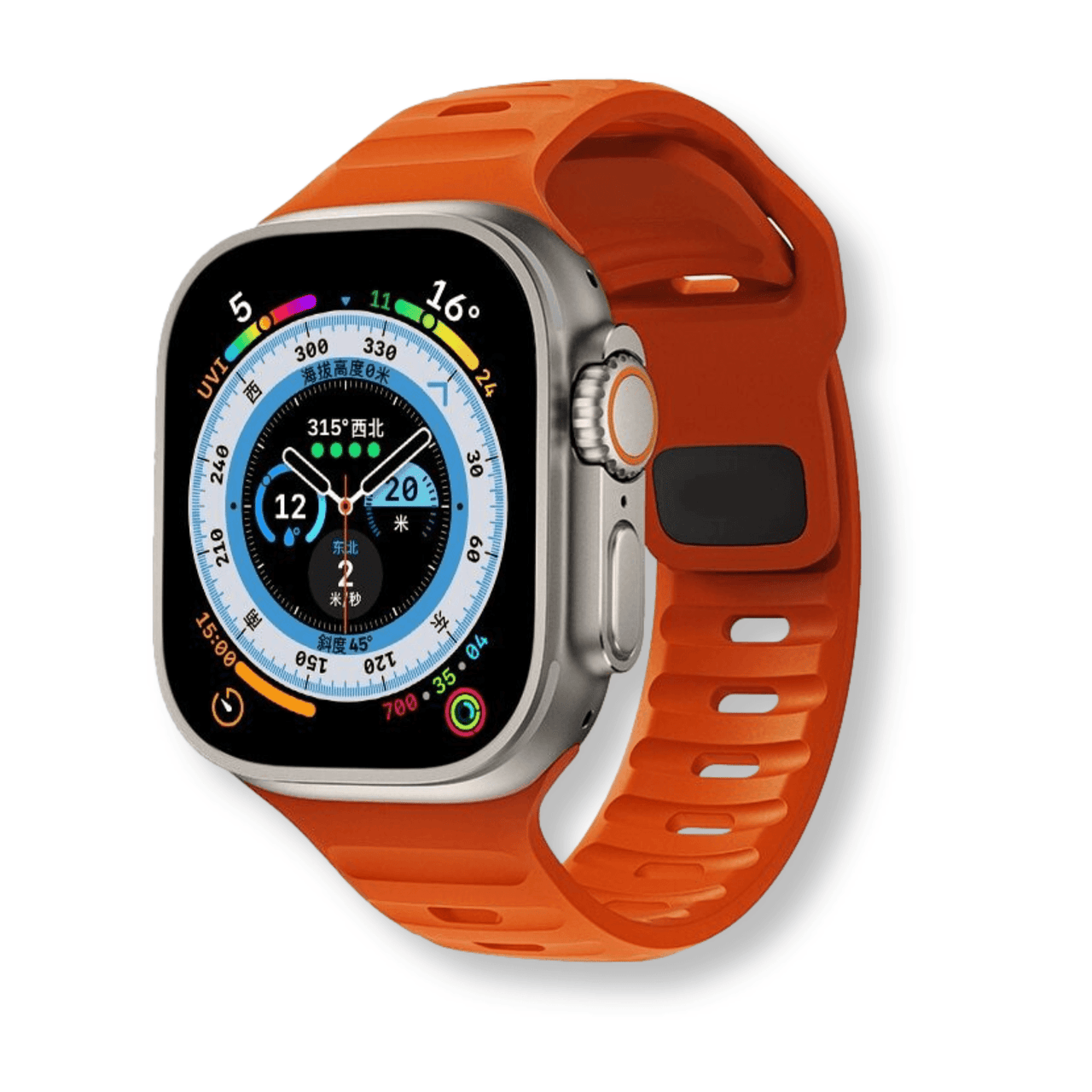
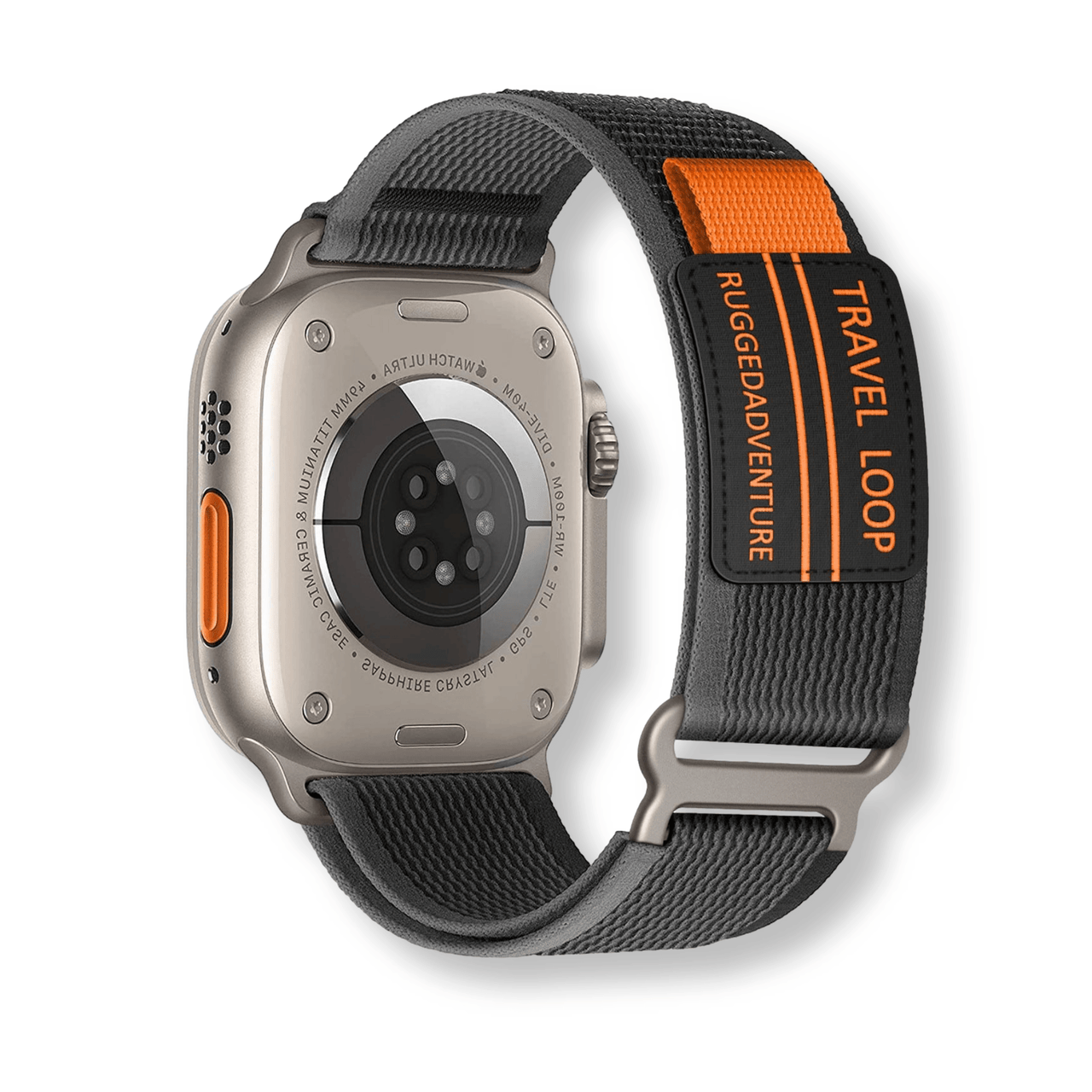
Key Takeaways
- The watch band width is determined by the lug width, the space between your watch's lugs where the strap attaches.
- Accurate measurement is crucial for a secure fit and aesthetic balance; a wrong size can damage your watch or look awkward.
- Use a ruler or digital caliper to measure the lug width in millimeters (mm) for the most precise results.
- Common watch band widths include 18mm, 20mm, and 22mm, but always measure your specific watch.
- Consider both width and length when choosing a new strap to ensure both a perfect fit on your watch and comfort on your wrist.
Introduction: Why Watch Band Width Matters
Finding the perfect watch strap can completely transform the look and feel of your timepiece. However, the most critical step in choosing a new strap is getting the watch band width correct. A strap that's too wide won't fit, and one that's too narrow will leave unsightly gaps, compromising both aesthetics and security.
At watchband.direct, we understand the importance of a precise fit. This comprehensive guide will walk you through everything you need to know about measuring your watch's lug width, ensuring you select the ideal watch band size every time. Whether you're upgrading your leather watch bands or exploring new materials, getting the width right is paramount.
What is Lug Width? Understanding Watch Strap Size
Before you can measure, it's essential to understand what you're measuring. The lug width is the distance between the two lugs (the small protrusions on your watch case) where your watch band attaches. This measurement determines the correct watch strap size you need.
Think of it as the "inter-lug distance." It's almost always measured in millimeters (mm). This measurement is fixed for your specific watch model, so once you know your watch's lug width, you'll always know what size strap to buy.
How to Measure Watch Band Width (Lug Width) Accurately
Measuring your watch's lug width is a straightforward process, but accuracy is key. Even a millimeter can make a difference between a perfect fit and a frustrating experience. Follow these steps carefully to determine the correct watch band width.
Tools You'll Need
- A ruler with millimeter markings, or preferably, a digital caliper for maximum precision.
- Your watch (with the old strap removed, if possible, for easier access).
- Good lighting.
While a standard ruler can work, a digital caliper (often found in watch repair tool kits) provides the most accurate reading, down to a tenth of a millimeter. Precision is your friend here!
Step-by-Step Guide to Measuring Lug Width
Here's how to precisely measure the lug width, which is the exact how to measure watch band width for your timepiece:
-
Prepare Your Watch
If your watch currently has a strap attached, it's best to remove it. This gives you an unobstructed view and easier access to the space between the lugs. Use a spring bar tool (also available in a watch repair kit) to gently push in the spring bars and detach the old strap.
-
Position Your Measuring Tool
Take your ruler or digital caliper. Place the measuring end precisely between the two lugs of your watch. Ensure the ruler or caliper is flush against the watch case and parallel to the spring bar holes.
-
Read the Measurement
Carefully read the measurement in millimeters. This is the exact lug width. For example, if the space measures exactly 20mm, then you need a 20mm watch strap. If it's slightly off, always round down to the nearest full millimeter if it's very close, but ideally, aim for an exact fit.
Pro Tip: Measure a couple of times to ensure consistency and accuracy. If you're using a ruler, make sure you're reading directly above the markings to avoid parallax error.
Common Watch Band Widths & How They Look
While watches come in countless designs, certain watch band widths are more common than others. Understanding these standard sizes can help you quickly identify the right fit for most timepieces.
Here's a look at the most frequently encountered lug widths:
- 18mm Watch Band: Often found on smaller vintage watches, dress watches, or women's watches. Provides a delicate, understated look.
- 20mm Watch Band: A very popular size for many mid-sized watches, including many dive watches, field watches, and chronographs. It's a versatile and balanced width.
- 22mm Watch Band: Common on larger sports watches, pilot watches, and contemporary men's watches. Offers a more robust and substantial presence on the wrist.
- 24mm Watch Band and Up: Typically reserved for oversized watches or specific military-style timepieces, giving a bold and commanding appearance.
Remember, while these are common, always measure your specific watch to ensure you get the perfect watch band sizing.
Beyond Width: Choosing the Right Watch Band Length
While watch band width is critical for fitting the watch, the strap's length is crucial for fitting your wrist. A strap that's too short won't fasten, and one that's too long will have excessive tail or feel uncomfortable.
Most watch bands come in standard lengths (e.g., "Regular," "Short," "Long"). These lengths are usually expressed as two numbers, representing the length of the buckle side and the hole side (e.g., 75mm/120mm). To find your ideal length:
- Measure your wrist circumference using a flexible tape measure.
- Subtract the diameter of your watch case (lug-to-lug, not just the crystal) from your wrist measurement.
- The remaining number is the approximate total length your strap needs to be.
- Compare this to the listed lengths of the watch straps.
Wrist Size and Corresponding Strap Length Guide
This table offers a general guide for choosing the right strap length based on wrist size. Keep in mind that watch case size also impacts the required strap length.
| Wrist Circumference | Recommended Strap Length (Buckle Side / Hole Side) |
|---|---|
| 5.5 - 6.0 inches (140-152mm) | 65mm / 105mm (Extra Short) |
| 6.1 - 6.5 inches (153-165mm) | 70mm / 110mm (Short) |
| 6.6 - 7.5 inches (166-190mm) | 75mm / 120mm (Regular/Standard) |
| 7.6 - 8.0 inches (191-203mm) | 80mm / 130mm (Long) |
| 8.1+ inches (204mm+) | 85mm / 140mm (Extra Long) |
Popular Watch Brands & Their Common Lug Widths
While measuring is always the most reliable method, knowing common lug widths for popular brands can be a helpful starting point. This table provides typical lug widths for some well-known watch manufacturers. Please remember these are general guidelines, and specific models may vary.
| Watch Brand | Common Lug Widths (mm) | Notes |
|---|---|---|
| Seiko | 18mm, 20mm, 22mm | Many dive watches (SKX series) are 22mm; dress watches often 18mm or 20mm. |
| Orient | 18mm, 20mm, 22mm | Similar to Seiko, varies by model. |
| Rolex | 19mm, 20mm, 21mm | Many models use less common widths like 19mm (Datejust) or 21mm (Submariner, GMT-Master II). |
| Omega | 18mm, 19mm, 20mm, 21mm, 22mm | Speedmaster often 20mm, Seamaster models vary significantly. |
| Hamilton | 18mm, 20mm, 22mm | Field watches like the Khaki King are typically 20mm or 22mm. |
| Timex | 18mm, 20mm | Weekender and similar casual watches often 20mm. |
| Citizen | 18mm, 20mm, 22mm | Promaster divers often 20mm or 22mm. |
| Tissot | 18mm, 20mm, 22mm | PRX models can be 11mm (integrated) or 22mm (traditional). |
| Casio (Analog) | 18mm, 20mm, 22mm | Many Edifice and analog G-Shock models use standard lug widths. |
Making the Right Choice for Your Watch
Once you've accurately measured your lug width and considered the appropriate length, the fun part begins: choosing your new strap! At watchband.direct, we offer a vast selection to suit every style and need.
Whether you're looking for the classic elegance of leather watch bands, the rugged durability of NATO watch bands, or the comfort and versatility of silicone watch bands, we have options in all common watch band widths like 18mm, 20mm, and 22mm, and beyond.
Remember that the material and color of your strap can drastically change your watch's character. A sturdy silicone strap can transform a dress watch into a weekend warrior, while a refined leather strap can elevate a tool watch for formal occasions. Explore our collections to find the perfect match for your timepiece and personal style. For more insights and tips, check out our Watch Compendium blog!
Frequently Asked Questions About Watch Band Sizing
Q: My watch measures 20.5mm. Should I get a 20mm or 21mm watch band?
A: When your measurement falls between two standard sizes, it's generally safer to round down to the nearest full millimeter. In this case, a 20mm watch band would be the better choice. A 21mm strap would likely be too wide and difficult to fit, potentially damaging the strap or your watch's lugs. A 20mm strap might have a tiny gap, but it will fit and function correctly.
Q: Can I use a watch band that is slightly narrower than my lug width?
A: Technically, yes, you can. For example, you could fit an 18mm strap on a 20mm lug width watch. However, this is generally not recommended. A narrower strap will leave visible gaps between the lugs and the strap, which can look awkward and allow the watch case to slide around on the spring bars, potentially leading to wear or even detachment. Always aim for the exact lug width.
Q: What if my watch has integrated lugs?
A: Some watches, particularly certain modern or vintage designs, have "integrated" lugs where the strap is specifically designed for that watch model and doesn't use standard spring bars. In these cases, you often need to purchase a strap made specifically for that watch model by the manufacturer or a specialist. Standard watch band width measurements won't apply directly.
Q: How do I know if my watch uses quick-release spring bars?
A: Quick-release spring bars have a small lever or knob on the underside of the strap where the spring bar is located. This allows you to easily attach and detach the strap without any tools. If your current strap has these, your watch is compatible with quick-release straps of the same lug width, making changes much simpler.
Q: Does the material of the watch band affect the sizing?
A: The material itself doesn't change the required watch band width (lug width) for your watch. A 20mm leather strap will fit the same 20mm lugs as a 20mm silicone or NATO strap. However, thicker materials might feel slightly tighter or stiffer when initially fitted. Always ensure the strap's thickness can accommodate your watch's spring bar holes.
Conclusion: Find Your Perfect Watch Strap Today
Mastering the art of measuring your watch band width is the first and most crucial step to unlocking a world of style possibilities for your timepiece. By accurately determining your watch's lug width, you ensure a secure fit, enhance comfort, and maintain the aesthetic integrity of your watch.
Now that you're equipped with the knowledge of how to measure watch band size, you can confidently explore our extensive collection at watchband.direct. From classic leather straps to adventurous NATO bands, we have the perfect watch strap size for every watch and every wrist. Don't settle for anything less than a perfect fit – start browsing our premium watch bands today!
Related reading: watch accessories collection | leather watch bands | NATO watch bands | Apple Watch bands | silicone watch bands
📌 Complete Guide
For the full guide, see our Leather.
📌 Complete Guide
For the full guide, see our Leather.
📌 Complete Guide
For the full guide, see our Leather.