- Small wrists typically measure between 130mm and 170mm (5.1 to 6.7 inches).
- Proportions matter: 16mm to 20mm lug widths are generally the "sweet spot" for smaller frames.
- Thin materials like mesh, NATO, and tapered leather help minimize bulk.
- Avoid "chunky" or integrated bracelets that can make the watch look like a cuff.
- Accurate measurement is the first step to finding a comfortable fit.

Table of Contents
- Why Small Wrists Need Special Consideration
- How to Measure Your Wrist and Find the Right Band Size
- Best Band Widths for Small Wrists
- Best Materials for Small Wrists: Silicone, Leather, and NATO
- Sizing Chart: Wrist Circumference vs. Lug Width
- Top Styles and What to Avoid
- Frequently Asked Questions
Why Small Wrists Need Special Consideration
Finding watch bands for small wrists can feel like an endless search for the "Goldilocks" fit. If you have a wrist circumference between 130mm and 170mm, you have likely encountered the "long tail" problem.
This happens when a standard-length strap is so long that the excess material wraps all the way back around to the top of your wrist. Not only does this look cluttered, but it can also be physically uncomfortable as the extra thickness interferes with your sleeve cuffs.
Furthermore, small wrist watch bands must account for the visual weight of the timepiece. A strap that is too wide or too thick can make your wrist look even smaller by comparison, creating an unbalanced aesthetic.
The goal is to find a strap that offers enough holes for a snug fit while maintaining a slim profile. For many users, finding a 130mm watch band or a "short" version of a standard strap is the key to achieving a professional and polished look.
Whether you are looking for a watch band small wrist women often prefer for elegance or a watch strap narrow wrist men need for a vintage timepiece, understanding the physics of strap length and thickness is essential.

How to Measure Your Wrist and Find the Right Band Size
Before you purchase any small wrist watch bands, you must know your exact measurements. Guessing often leads to returns and frustration, especially when dealing with specific millimeter requirements.
To measure your wrist, use a flexible tailor’s tape. Wrap it around the area where you normally wear your watch—usually just behind the wrist bone—and note the measurement in millimeters.
If you do not have a flexible tape, you can use a piece of string or a strip of paper. Wrap it around your wrist, mark the overlap, and then measure that distance against a flat ruler.
Once you have your wrist circumference, you also need to check your watch's lug width. You can find this by measuring the gap between the two "horns" of the watch case where the strap attaches.
For more detailed instructions on this technical step, refer to our watch band width guide. Knowing both your wrist size and the lug width ensures the strap will actually fit both you and your watch.
Keep in mind that the "lug-to-lug" distance of the watch case itself also plays a role. A large watch case on a small wrist will always look slightly "off," regardless of the strap you choose.
Best Band Widths for Small Wrists
Proportion is the most important element of watch styling. For those searching for watch bands for small wrists, the width of the strap—also known as the lug width—is a critical factor.
Generally, a 16mm or 18mm strap is the "sweet spot" for wrists under 160mm. These widths are narrow enough to look elegant but wide enough to feel secure and modern.
A 20mm strap is often considered the universal standard. While it can work on a 170mm wrist, it may start to look bulky on a 130mm wrist, especially if the strap does not taper.
Tapering is a design feature where the strap gets narrower as it moves toward the buckle. For example, a strap might start at 20mm at the lugs but taper down to 16mm at the buckle.
This tapering effect is highly recommended for watch strap narrow wrist users. It reduces the bulk under the wrist, making it much more comfortable for typing or resting your arm on a desk.
Avoid 22mm or 24mm straps if possible. These widths are typically designed for "oversized" watches and will likely overwhelm a smaller frame, making the watch look like a piece of armor rather than an accessory.

Best Materials for Small Wrists: Silicone, Leather, and NATO
The material of your strap significantly impacts how it wraps around your wrist. Some materials are inherently better suited for smaller circumferences because of their flexibility and thinness.
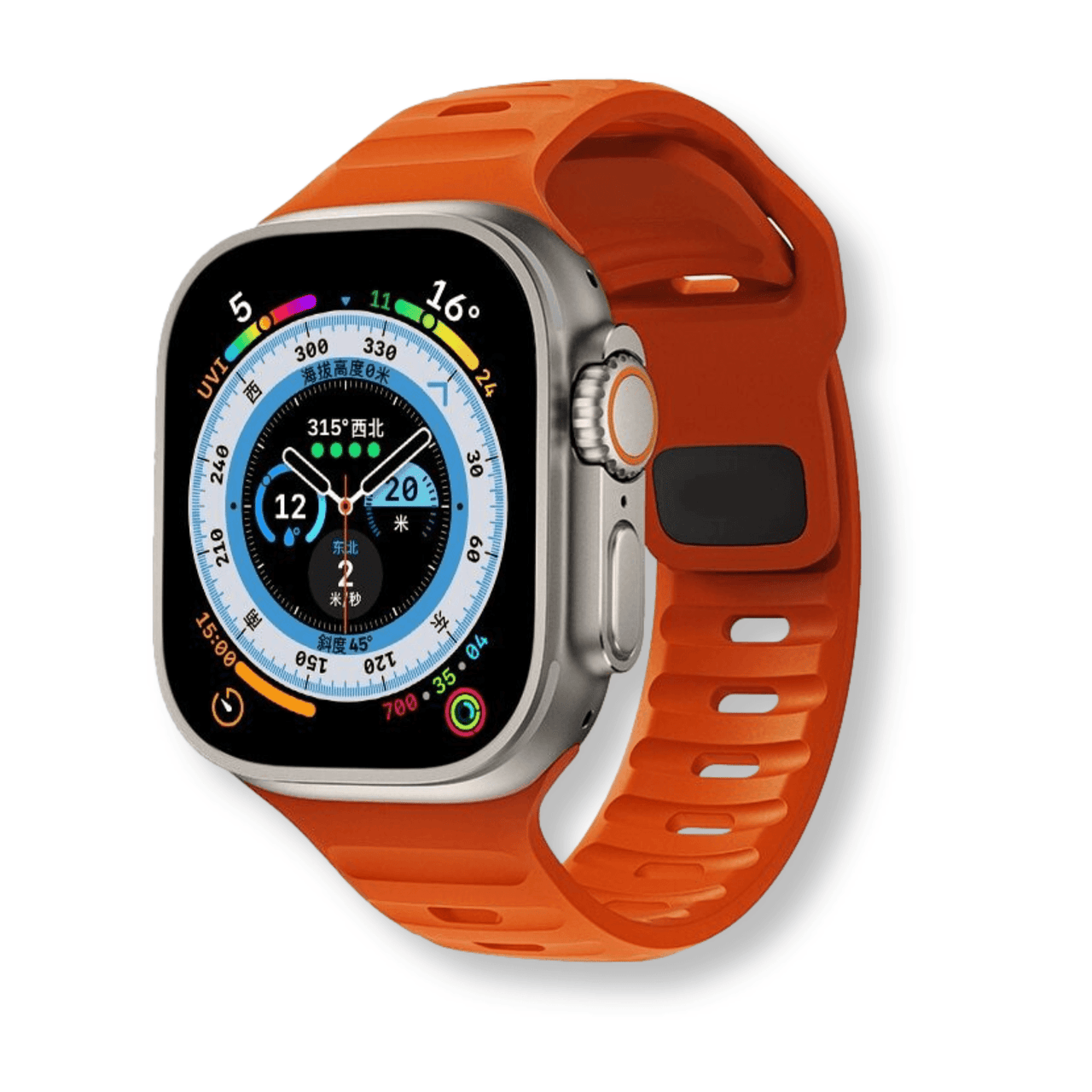
Silicone watch bands are excellent for active lifestyles. They are incredibly soft and flexible, meaning they can conform to the tight curves of a small wrist without leaving gaps.
High-quality leather watch bands are another top choice. Leather naturally molds to your shape over time, but you should look for "unpadded" or "slim" leather options to avoid unnecessary height.
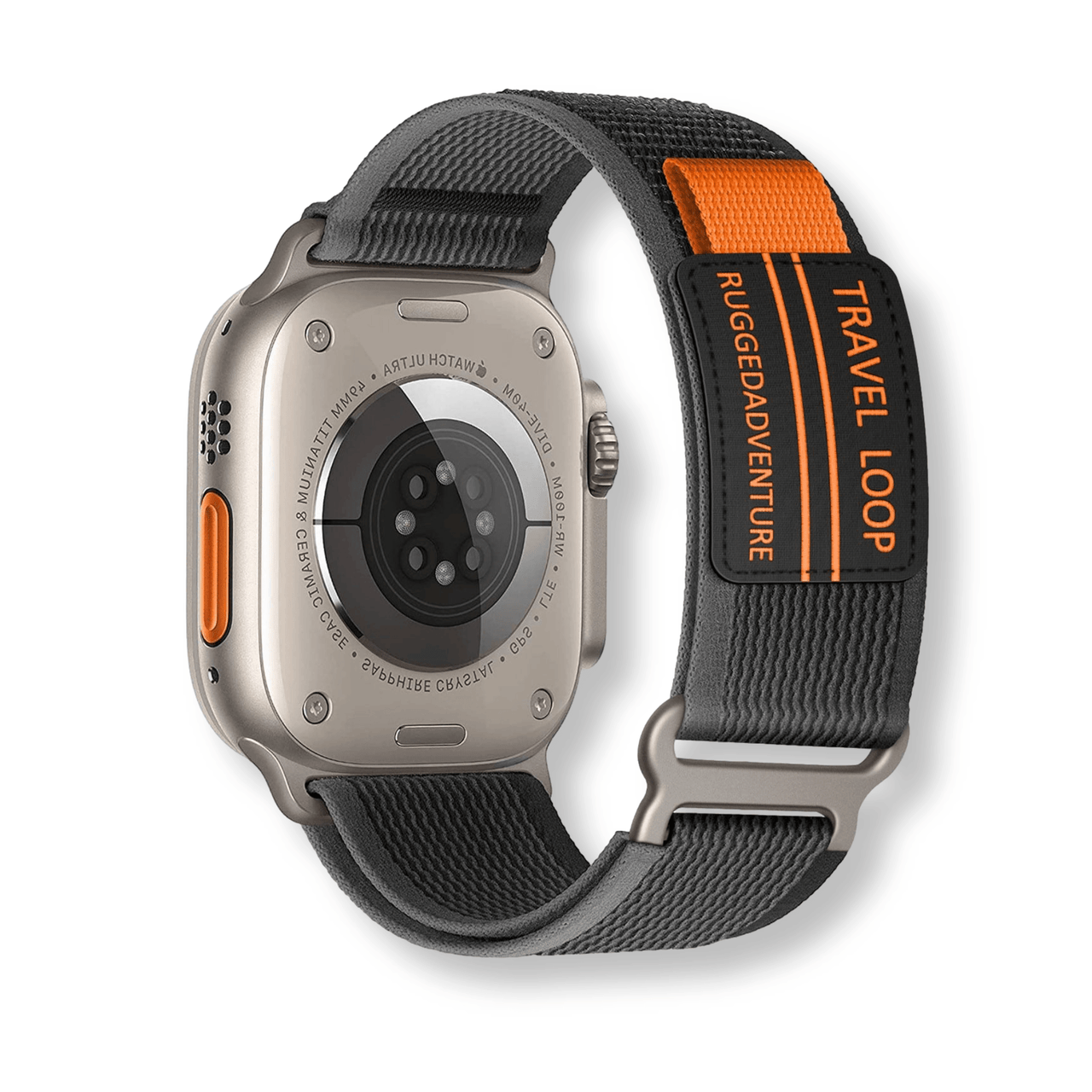
If you enjoy a military or casual look, NATO straps are highly adjustable. Because they use a "pass-through" design with many closely spaced holes, they offer a very precise fit.
However, be aware that standard NATO straps add two layers of fabric under the watch, which can make the watch sit higher. For a watch band small wrist women or men prefer for a low profile, consider a single-pass strap instead.
Stainless steel mesh (Milanese) bands are also fantastic. They are infinitely adjustable because they don’t rely on pre-punched holes, allowing you to tighten the strap to the exact millimeter you need.
Sizing Chart: Wrist Circumference vs. Lug Width
To help you navigate the world of watch bands for small wrists, we have compiled a general guideline for matching your wrist size to the most flattering watch and strap dimensions.
| Wrist Size (mm) | Recommended Lug Width | Ideal Strap Length |
|---|---|---|
| 130mm - 145mm | 14mm - 18mm | Short (approx. 105/70mm) |
| 146mm - 160mm | 16mm - 19mm | Short/Standard |
| 161mm - 170mm | 18mm - 20mm | Standard (approx. 120/80mm) |
When looking for a 130mm watch band, pay close attention to the "short" or "extra-short" designations provided by manufacturers. A standard strap is often 120mm for the long side and 80mm for the buckle side, which is usually too long for a 130mm wrist.
If you find a strap you love but it is slightly too long, you can often use a spring bar remover to swap the buckle or adjust the fit, though adding extra holes to leather is usually the most common modification.
Always remember that these are guidelines. Personal preference plays a huge role in how you want your watch to "presence" itself on your arm.
Top Styles and What to Avoid
When shopping for small wrist watch bands, it is just as important to know what to stay away from. Certain styles are designed for larger frames and will likely look awkward on a 130mm-170mm wrist.
Avoid "Bund" straps. These are the leather straps with a large circular pad that sits behind the watch case. While they look cool on pilots, they add significant width and height that will overwhelm a narrow wrist.
Heavy, thick-link metal bracelets should also be approached with caution. Unless they are specifically designed with many removable links, you may find that you cannot make them small enough to fit securely.
Look for straps with a "minimalist" stitch. Heavy contrast stitching or thick padding can make a watch strap narrow wrist users wear look clunky. A clean, flat edge is almost always more flattering.
Finally, avoid integrated rubber straps that don't have much "pivot" at the lugs. Some straps are designed to flare out before they wrap down, which creates a large gap between the strap and the side of a small wrist.
By focusing on slim profiles and flexible materials, you can ensure your watch looks like a natural extension of your arm rather than an oversized piece of equipment.

Frequently Asked Questions
What is considered a small wrist for a watch?
In the watch world, a small wrist is generally considered to be anything under 170mm (6.7 inches). For women, a small wrist often falls in the 130mm to 150mm range, while for men, it is typically between 150mm and 165mm. Knowing your measurement in millimeters is the most accurate way to shop for watch bands for small wrists.
Can I add extra holes to a watch band?
Yes, you can add extra holes to leather or some silicone straps using a specialized leather punch tool. This is a common solution for those who find a 130mm watch band is still slightly too loose. However, be careful not to punch the hole too close to the end of the strap, as this can weaken the material and lead to tearing.
Are NATO straps good for small wrists?
NATO straps are excellent for small wrists because they are highly adjustable and have many holes. However, because they are long, you will often have a "tail" of excess fabric. This tail can be neatly folded back and tucked into the metal keepers, a look that many watch enthusiasts actually prefer for its "tool watch" aesthetic.
What lug width is best for a 150mm wrist?
For a 150mm wrist, an 18mm lug width is usually the most proportional and comfortable choice. It provides a balanced look that doesn't overwhelm the wrist. If your watch case is small (34mm-38mm), a 16mm or 18mm strap will look perfectly in scale with your anatomy.
Why does my watch band keep sliding around?
If your watch is sliding, the strap is either too long or the material is too stiff to conform to your wrist shape. Switching to a more flexible material like a watch strap narrow wrist silicone option or a supple leather can help. Ensuring you have a strap with enough holes to provide a "snug but not tight" fit is the best way to prevent sliding.
Ready to find the perfect fit? Explore our full range of silicone watch bands and discover how a properly sized strap can transform your wearing experience.
Related Reads
- Apple Watch band collection
- leather watch band options
- NATO-style strap options
- silicone watch band collection
- spring bar remover tool
📌 Complete Guide
For the full guide, see our Silicone.
📌 Complete Guide
For the full guide, see our Silicone.
📌 Complete Guide
For the full guide, see our Silicone.
📌 Complete Guide
For the full guide, see our Silicone.
📌 Complete Guide
For the full guide, see our Leather Watch Bands: The Complete Buyer's Guide (2026).