Key Takeaways
- Regular cleaning with warm water and mild dish soap prevents sweat and oil buildup.
- Baking soda paste is the safest, most effective way to eliminate tough stains and odors.
- Always detach your strap from the watch face before cleaning to avoid moisture damage.
- Micro-tears and permanent stickiness indicate it is time to look for a reliable replacement band.
Table of Contents
- Why Silicone Watch Bands Get Dirty
- The Standard Cleaning Method: Warm Water & Dish Soap
- Deep Cleaning: Removing Tough Stains and Odors
- How to Clean Silicone Watch Band Compatibility & Material Nuances
- When to Replace Your Silicone Watch Band (Size and Wear Indicators)
- Pro Tips for Ongoing Maintenance
- Frequently Asked Questions
Why Silicone Watch Bands Get Dirty
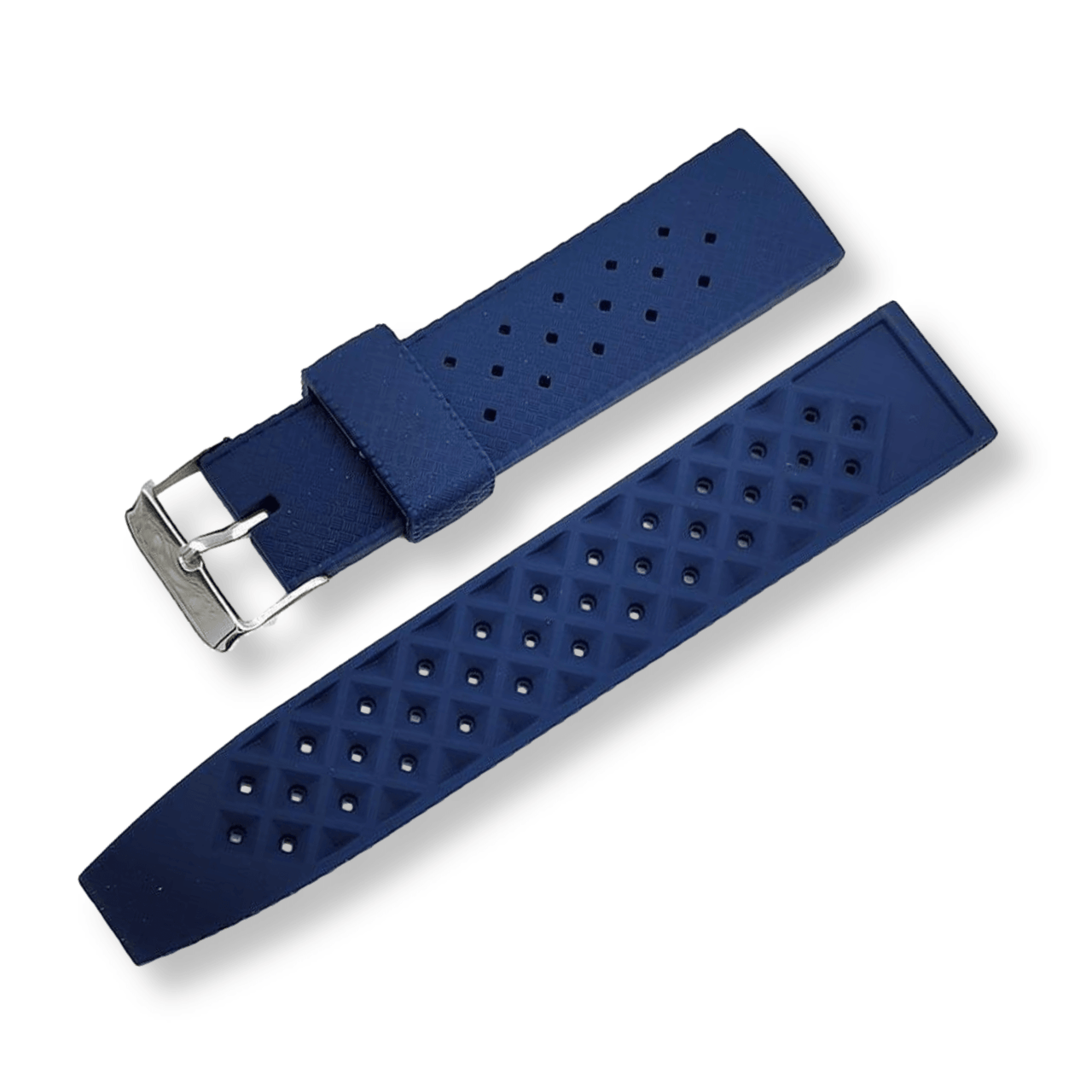
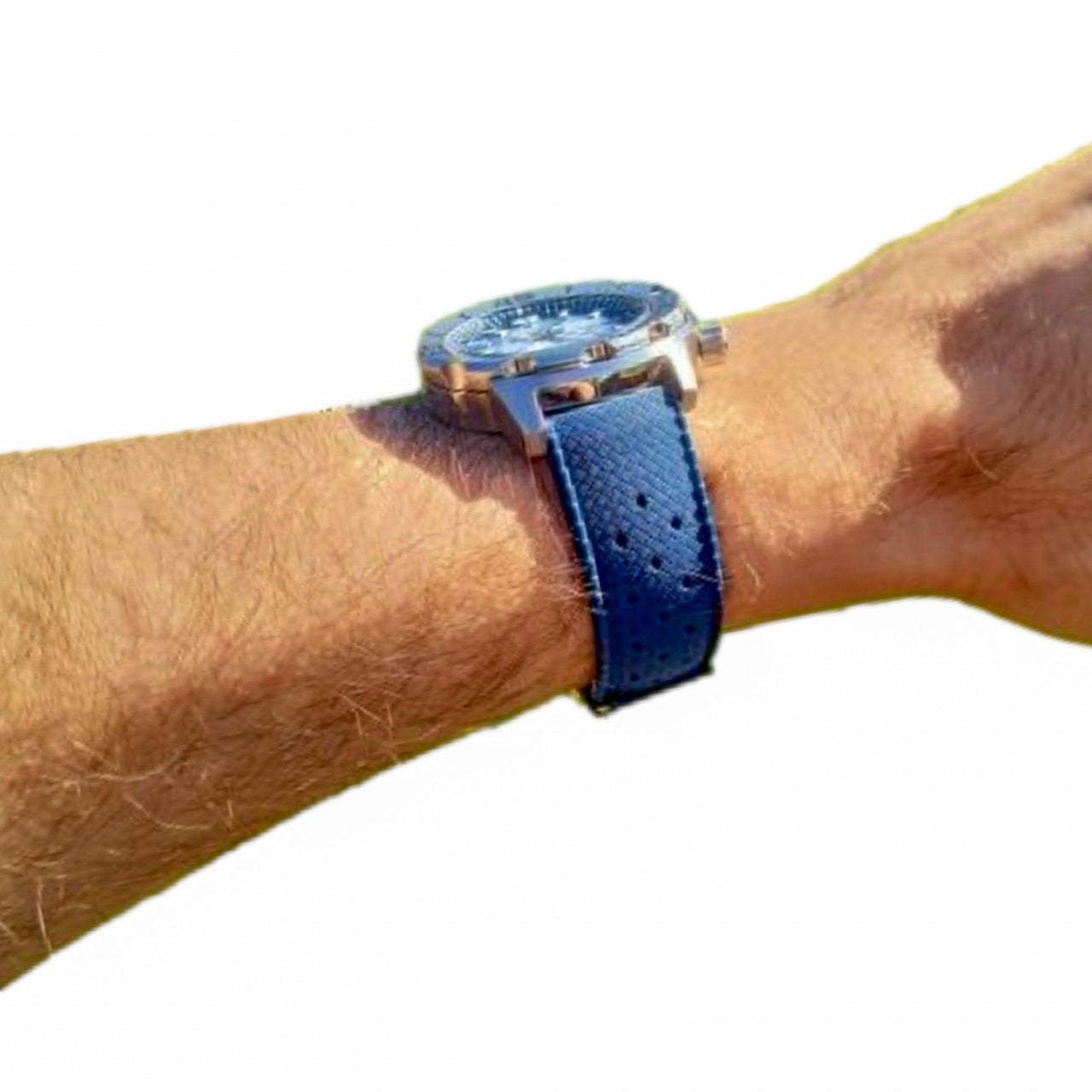
Silicone is highly valued for its flexibility, comfort, and waterproof nature, making it the perfect choice for athletic wear and everyday use. However, these same properties mean it is constantly exposed to sweat, body oils, sunscreen, dust, and environmental pollution. Over time, these substances accumulate on the surface and in the textured grooves of your strap, leading to a dull look, sticky texture, or unpleasant odors.
Learning how to clean silicone watch band surfaces is essential not just for aesthetic appeal, but also for hygiene. Skin oils and moisture trapped beneath a dirty strap can create a breeding ground for bacteria, leading to skin irritation or "watch rash." Fortunately, restoring your band to its original look and feel does not require expensive chemicals or professional cleaning tools.

By implementing a regular cleaning routine, you can prevent permanent discoloration and preserve the soft-touch finish of your strap. Let us look at the best household methods to revitalize your silicone wristwear, ensuring comfort and style are preserved for years to come.
The Standard Cleaning Method: Warm Water & Dish Soap
For general weekly maintenance, a simple combination of warm water and mild dish soap is the safest and most effective strategy. Dish soap is formulated to break down body oils, greasy residues, and dirt without compromising the structural integrity of the silicone.
To begin, it is highly recommended to detach the strap from the watch case to protect the delicate internal movement of your timepiece from water exposure. If you are struggling to detach it, a handy tool like the watch spring bar remover can safely release the pins without scratching your hardware.
Once the band is isolated, fill a small bowl with warm water and add a few drops of mild dish soap. Submerge the silicone strap and let it soak for about five to ten minutes to loosen any stubborn grime. After soaking, use a soft-bristled toothbrush or your fingers to gently scrub all surfaces, paying extra attention to the holes, buckles, and textured undersides. Rinse the strap thoroughly with clean, lukewarm water to remove all soap residue, then pat it dry with a lint-free microfiber cloth. Allow it to air dry completely before reassembling it.
Deep Cleaning: Removing Tough Stains and Odors
If your active lifestyle has left your strap with stubborn stains, sunscreen discoloration, or persistent sweat odors, a basic soap wash might not cut it. In these instances, a deeper cleaning method is required to restore the band's appearance.

Baking soda is a natural, non-abrasive cleaning agent that is perfect for deodorizing and lifting tough pigments from silicone. Create a thick paste by mixing a tablespoon of baking soda with a few drops of water. Apply this paste directly to the stained or smelly areas of the band, spreading it evenly. Let the mixture sit on the silicone for at least fifteen to thirty minutes.
After the paste has set, use a soft toothbrush to gently scrub the band in a circular motion. The mild grit of the baking soda will lift embedded dirt without scratching or peeling the silicone's topcoat. Rinse the band under warm running water, ensuring all baking soda particles are washed away. If a faint odor remains, you can repeat this process. Avoid using bleach, harsh bathroom cleaners, or highly abrasive scrubbing pads, as these will permanently dry out and crack the silicone material.
How to Clean Silicone Watch Band Compatibility & Material Nuances
When researching how to clean silicone watch band compatibility, it is vital to recognize that not all soft-touch watch bands are constructed from the exact same compound. High-performance sport bands, elastomer straps, and pure silicone bands each have subtle differences in their texture and chemical resilience.
Fortunately, the mild dish soap and baking soda methods are universally safe and compatible with almost all brands, from luxury smartwatches to standard fitness trackers. Whether you are maintaining a strap from our rubber and silicone watch bands selection or cleaning popular smart accessories, the physical steps remain identical. For a comprehensive look at what makes these materials unique, you can read our ultimate guide to silicone watch bands style and compatibility.
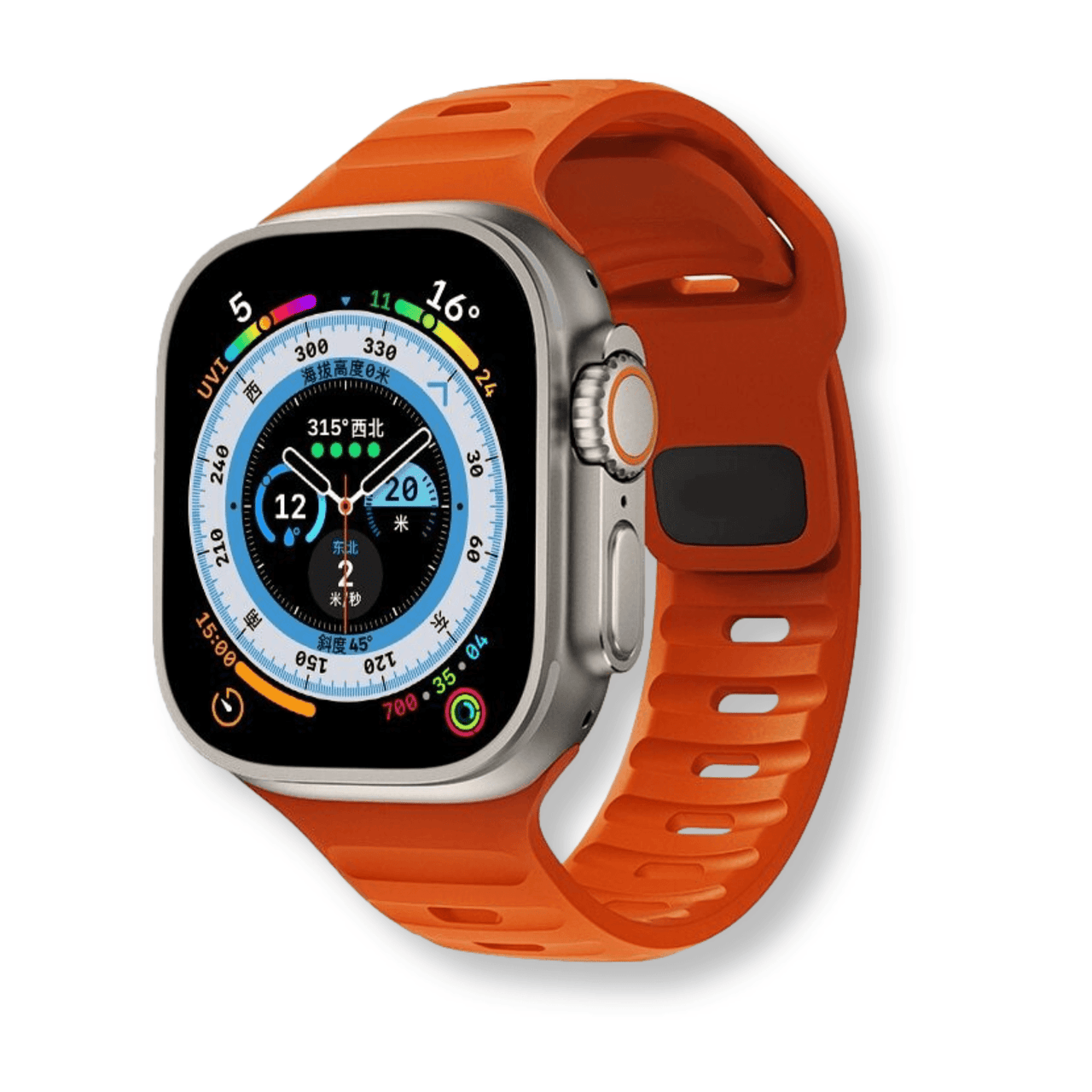
If you are sporting a dedicated smartwatch, like those found in our Apple Watch bands collection, always ensure that you wash the connecting adapters carefully. Dirt can build up in the sliding channel of the Apple Watch housing, preventing the band from locking securely into place. Cleaning the connection points with a dry cotton swab during your routine wash ensures perfect device compatibility and secure wear.
When to Replace Your Silicone Watch Band (Size and Wear Indicators)
Even with meticulous maintenance, no watch strap lasts forever. Knowing when to transition from cleaning to learning how to clean silicone watch band replacement options is key to protecting your timepiece from accidental drops or losses.

Inspect your band regularly for physical signs of aging. Over time, silicone can suffer from material fatigue due to UV exposure, sweat, and bending. Look for micro-tears near the pinholes, stiffness, or sticky residue that doesn't disappear after a deep clean. These are warning signs that the polymer chains are breaking down and the band is at risk of snapping.
When shopping for a replacement, paying attention to how to clean silicone watch band size metrics is essential for comfort and security. You will want to measure your wrist size and check the lug width of your watch to ensure a seamless fit. Utilizing a watch repair tool kit makes swapping out old straps incredibly easy at home. If you want a change of style or material after your silicone band retires, you can explore elegant alternatives like our durable leather watch bands and straps.
Pro Tips for Ongoing Maintenance
To extend the lifespan of your silicone bands and minimize the need for deep cleaning sessions, implementing a few small habits can make a massive difference.
First, make it a rule to rinse your watch band with fresh water immediately after intense workouts, swimming in chlorinated pools, or spending a day at the beach. Saltwater and chlorine can rapidly degrade the silicone surface if left to dry. Dry your wrist and strap completely after getting wet; trapping moisture against your skin is the primary cause of watch rashes and stubborn odors.

Second, avoid spraying colognes, perfumes, body sprays, or insect repellents directly onto your wrist while wearing a silicone band. The chemical solvents in these sprays can chemically bond with silicone, leading to permanent discoloration, stickiness, or deterioration. For additional tools and storage solutions to keep your collection in pristine shape, browse through our curated collection of watch accessories.
Frequently Asked Questions
Can you clean a silicone watch band with rubbing alcohol?
Yes, you can use isopropyl rubbing alcohol for occasional disinfection or to remove sticky residues like tape adhesive. However, do not submerge your band in alcohol or use it daily, as frequent exposure can dry out the silicone and lead to cracking over time.
How do you get the yellow tint out of a silicone watch band?
Light-colored or clear silicone bands can yellow due to UV exposure and skin oils. To lift light stains, make a paste of baking soda and water, apply it to the yellowed areas, and scrub gently with a soft toothbrush. For severe yellowing caused by material degradation, replacement is usually necessary.
How often should I wash my silicone strap?
For daily wear, a quick rinse with warm water every few days is ideal. If you exercise or sweat heavily while wearing the band, you should clean it with mild dish soap after every workout to prevent bacteria and odor buildup.
Can I wear my silicone watch band in the shower to clean it?
While the band itself can handle the shower, it is generally not recommended. Soap scum, shampoo residue, and body washes can build up in the crevices of the strap, leading to film accumulation and potential skin irritation. It is always better to remove and clean it separately.
What is the easiest way to remove the band for cleaning?
Most modern straps feature quick-release spring bars that can be pulled back with your fingernail. For traditional watch bands, using a dedicated spring bar removal tool is the safest way to detach the strap without scratching your watch case. Learn more about band maintenance and installation on our watch compendium blog.
Looking for a Fresh Upgrade?
If your old silicone band is showing signs of permanent wear, discoloration, or structural fatigue, it might be time to find its perfect replacement. Explore our wide selection of premium, durable straps designed to elevate your everyday wear.
Related Watch Band Guides
📌 Complete Guide
For the full guide, see our Silicone.
📌 Complete Guide
For the full guide, see our Silicone.
📌 Complete Guide
For the full guide, see our Silicone.