Key Takeaways:
- Style & Vibe: NATO straps deliver a sporty, military aesthetic, while leather bands offer classic elegance and formal sophistication.
- Durability: Nylon NATO straps are highly water-resistant and machine-washable; leather requires moisture protection and develops a rich patina over time.
- Daily Comfort: NATO straps are lightweight and breathable for active wear, whereas premium leather conforms uniquely to your wrist shape.
- Swap Convenience: NATO bands can be swapped in seconds without tools once spring bars are set, whereas leather straps require a simple spring bar tool.
Table of Contents
- 1. Introduction & Core Differences
- 2. Styling & Aesthetics: Casual Utility vs. Classic Sophistication
- 3. Durability, Comfort, and All-Weather Performance
- 4. NATO Strap vs Leather Compatibility
- 5. NATO Strap vs Leather Size and Fitment Rules
- 6. NATO Strap vs Leather Replacement and Maintenance
- 7. The Verdict: How to Choose for Your Lifestyle
- 8. Frequently Asked Questions (FAQs)
1. Introduction & Core Differences
Every watch collector eventually faces a fundamental style dilemma: the modern utility of a nylon weave or the timeless heritage of hide. Selecting the right band does not just secure your timepiece; it fundamentally redefines its character, comfort, and functional limits. The ongoing debate of a nato strap vs leather band highlights two wildly different philosophies of horology.
The NATO strap, originally designed for the British Ministry of Defence in 1973, was engineered for survival. Made of tightly woven nylon with hardware loops, its primary purpose is keeping a watch on the wrist even if one spring bar breaks. Conversely, leather watch bands have graced wrists for over a century, offering an organic warmth, incredible softness, and an unparalleled dressy appearance. Whether you are aiming to breathe new life into a vintage diver or dress down a formal piece, understanding how these materials differ is the first step. For a deep dive into the history and anatomy of watch bands, explore our comprehensive Watch Compendium.

2. Styling & Aesthetics: Casual Utility vs. Classic Sophistication
Your watch strap is the loudest visual element of your timepiece. A rugged, military-inspired nylon strap instantly signals adventures, casual weekends, and utility. It pairs brilliantly with field watches, tool-focused chronographs, and heavy-duty divers. The ribbed texture and brushed steel keepers of a NATO band give off an effortless, rugged vibe that dresses down luxury watches beautifully.
Leather, on the other hand, is the gold standard for classic style. It exudes warmth, heritage, and tailored elegance. A premium leather watch band instantly elevates a watch, making it suitable for boardrooms, formal weddings, and high-profile social gatherings. If you love texture, stepping up to premium options like suede leather watch bands provides a softer, matte finish that masterfully bridges the gap between casual charm and upscale refinement. When deciding between the two, consider where you spend most of your days: outdoors and in active settings, or in air-conditioned rooms requiring polished attire.
3. Durability, Comfort, and All-Weather Performance
In terms of outright resilience, the synthetic weave of a NATO strap is almost indestructible. It shrugs off saltwater, heavy sweat, mud, and extreme cold without rotting or losing structural integrity. If your NATO gets dirty, you can simply toss it into a mesh laundry bag and run it through a gentle cycle. For hot summer months, the breathability and lightweight nature of nylon make it incredibly comfortable for daily active wear.
Leather demands a bit more care but offers a unique, luxurious wear experience. Premium leather adapts to the temperature of your skin, softening with time to fit your wrist like a bespoke glove. However, leather is inherently vulnerable to excessive moisture, sweat, and direct heat, which can cause cracking or mildew over time. For those seeking to preserve their leather investment, understanding the material's nuances is vital. Check out our leather watch bands complete guide 2026 to learn how high-quality hides mature and how to care for them properly.

4. NATO Strap vs Leather Compatibility
When assessing nato strap vs leather compatibility, you must look at your timepiece's lugs, thickness, and overall design. NATO straps feature a slip-through, single-piece design that passes under the watch head. Because of this, you need a small gap between the spring bar and the watch case. If your watch has a very tight case clearance (often seen on some slim dress watches), a thick nylon strap might pinch or fail to pass through entirely.
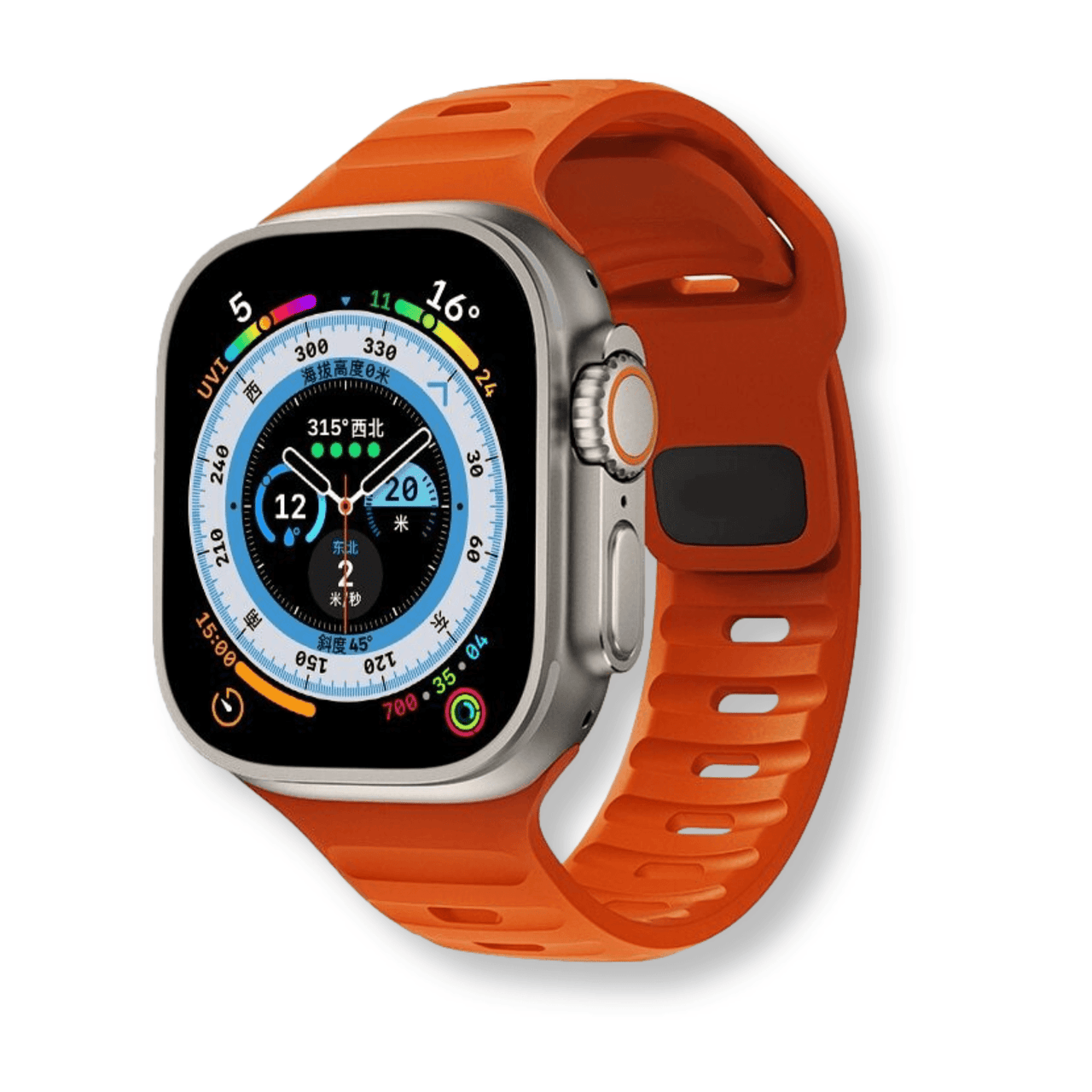
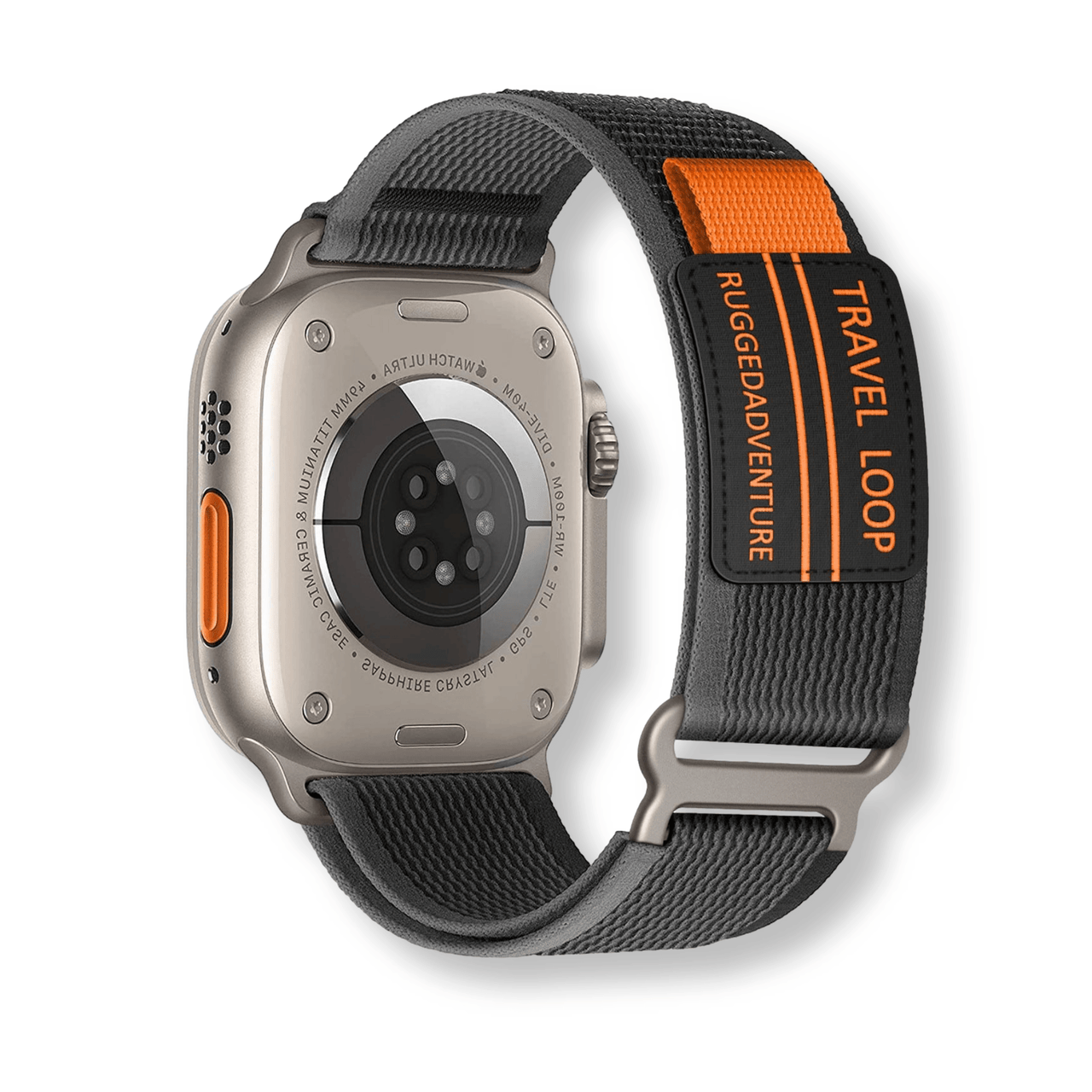
Leather straps are highly compatible with almost every watch geometry because they attach directly to the spring bars as two separate pieces. This means they fit flush against the case regardless of clearance. Furthermore, compatibility extends to modern smartwatches. If you wear a modern smartwatch daily, swapping out the stock silicone for premium Apple Watch bands in either leather or nylon can completely transform your device from a sterile fitness tracker into an elegant piece of wristwear.
5. NATO Strap vs Leather Size and Fitment Rules
Achieving a perfect fit involves measuring your watch's lug width in millimeters. However, when evaluating nato strap vs leather size, the physical thickness and length of the strap play massive roles in how the watch sits on your wrist. NATO straps are naturally long, often measuring around 280mm. They are designed to fold back and tuck into the metal keepers, creating a distinctly sporty, bulky profile that adds visual weight to your wrist.
Because a standard NATO passes underneath the watch head twice, it adds roughly 2mm to 3mm of height to your watch. This can cause a slim watch to ride unexpectedly high or get caught on tight shirt cuffs. Conversely, leather straps sit completely flat against the wrist, keeping the watch's original profile slim and elegant. Leather bands also come in traditional tail-and-buckle sizing, allowing you to choose short, medium, or long variants to align perfectly with your wrist circumference without excess material.

6. NATO Strap vs Leather Replacement and Maintenance
The practical process of changing your straps is a major factor for enthusiasts who love to coordinate their watches with their outfits. When evaluating nato strap vs leather replacement, NATO bands are the undisputed champions of speed. Once you have your spring bars installed on your watch head, you can thread a new NATO strap through in less than ten seconds without using any tools at all. This makes it incredibly easy to switch colors daily.
Replacing a traditional leather strap requires removing the spring bars completely. While this sounds daunting, using a dedicated watch spring bar remover makes the process safe and straightforward, preventing unsightly scratches on your watch lugs. If you want a complete setup for maintaining, resizing, and swapping out your growing collection of bands, investing in a professional watch repair tool kit is highly recommended. It contains all the essential tools you need to swap straps and resize bracelets at home like a seasoned watchmaker.
7. The Verdict: How to Choose for Your Lifestyle
Ultimately, choosing between these two iconic strap styles depends on your lifestyle, wardrobe, and environment. If you lead an active lifestyle, frequently work out, enjoy swimming, or prefer a rugged, military-inspired look, the synthetic durability of the NATO strap is your perfect companion. It is resilient, inexpensive, washable, and adds a rugged tool-watch charm to any daily wearer.
If your daily environment is a professional office, formal events, or if you simply appreciate the rich aroma and evolving patina of genuine animal hides, a leather strap is unmatched. It frames your timepiece with luxury and pairs beautifully with suits, sweaters, and dress shirts. Of course, the best solution is not choosing just one, but building a diverse collection of straps to suit every season and occasion.

8. Frequently Asked Questions (FAQs)
Can you get a leather NATO strap?
Yes! Leather NATO straps exist and combine the security and aesthetic design of a NATO strap with the rich, organic texture of leather. However, they are significantly thicker than nylon and may not fit watches with tight lug clearances.
Is a NATO strap more comfortable than a leather band?
Comfort is highly subjective. Nylon NATO straps are lightweight and highly breathable in hot, humid weather. Leather bands can feel warm in summer, but they offer an unmatched, custom fit once fully broken in and conformed to your wrist.
Will a NATO strap damage my watch's caseback?
Over long periods of heavy use, dirt and grit can get trapped between the nylon strap and the caseback, acting like a mild abrasive. To prevent minor scuffs, simply clean your watch case and wash your NATO strap regularly.
How do I clean a smelly leather watch strap?
Do not submerge leather in water. Instead, wipe the underside with a slightly damp microfiber cloth and a drop of gentle leather cleaner. Let it air dry away from direct sunlight, and apply a high-quality leather conditioner to keep it supple.
Can I wear a NATO strap with a formal suit?
While fashion rules have relaxed—James Bond famously wore a NATO strap with a tuxedo—a traditional leather strap remains the proper choice for formal attire. A NATO strap with a suit presents a highly casual, eclectic look.
Ready to Upgrade Your Wrist Game?
Whether you want the rugged versatility of a NATO or the timeless elegance of premium leather, we have you covered. Explore our curated range of high-quality bands and essential watchmaking gear today.
Shop Straps & Accessories NowRelated Watch Band Guides
📌 Complete Guide
For the full guide, see our Leather.