Key Takeaways:
- Identify the Cause: Sweat, dead skin, and trapped moisture are the primary reasons watch band smells develop over time.
- Material Specifics: Different materials require tailored cleaning; leather must stay dry, while nylon and silicone can handle deeper washing.
- Sizing Matters: A band worn too tightly traps sweat and accelerates bacterial growth, leading to worse odor problems.
- Know When to Swap: If cleaning fails, a hygienic watch band smells replacement is the best solution for your wrist health.
Table of Contents
Why Your Watch Band Smells
We wear our watches through workouts, workdays, and warm weather. Over time, it is highly common to notice that your watch band smells less than fresh. But what exactly causes these unpleasant odors to develop on your wrist in the first place?
The human wrist contains thousands of sweat glands. As you go about your day, your skin sheds microscopic cells, secretes natural oils (sebum), and releases perspiration. Because your watch strap sits snugly against your skin, it acts as a trap. When moisture from sweat, rain, or handwashing gets locked beneath the strap, it creates a dark, warm, and humid environment. This is the absolute perfect breeding ground for bacteria and mildew to thrive.
As these microorganisms consume the organic proteins in your sweat and dead skin, they release volatile organic compounds. This biological process is what causes those distinct, stale, or sour odors. Every material responds differently to this build-up. Porous materials like leather and nylon absorb these elements deeply, while non-porous materials like silicone hold onto surface grime. Understanding how to address these materials is crucial for proper watch maintenance. If you want to dive deeper into general watch upkeep, explore our Watch Compendium for expert tips and styling guides.
Deodorizing Leather Watch Bands
Leather is a luxurious, natural material, but its porous structure makes it incredibly prone to holding onto stubborn odors. When watch band smells begin to compromise your high-quality leather straps, you must treat them with extreme care. Harsh chemical cleaners or excessive water exposure will strip the natural oils from the leather, causing it to dry, crack, and degrade over time.
To safely deodorize leather, start by wiping the band down with a dry or very slightly damp microfiber cloth to remove surface dirt. Do not soak the band under running water. Next, mix a tiny drop of mild, moisturizing hand soap with water and gently massage the leather in circular motions with a soft cloth. Wipe away any soap residue with a second, clean cloth that is barely damp.
If the odor persists, you can use baking soda as a dry deodorizer. Place your watch strap inside a small, sealed container or plastic bag alongside an open cup of baking soda. Ensure the baking soda does not directly touch the leather; instead, let the powder absorb the surrounding moisture and odors overnight. Once clean, always apply a high-quality leather conditioner to restore flexibility and shine. If your current leather strap is beyond saving, you can browse our premium collection of leather watch bands and straps to find a fresh, elegant replacement.

Cleaning Silicone and Rubber Bands
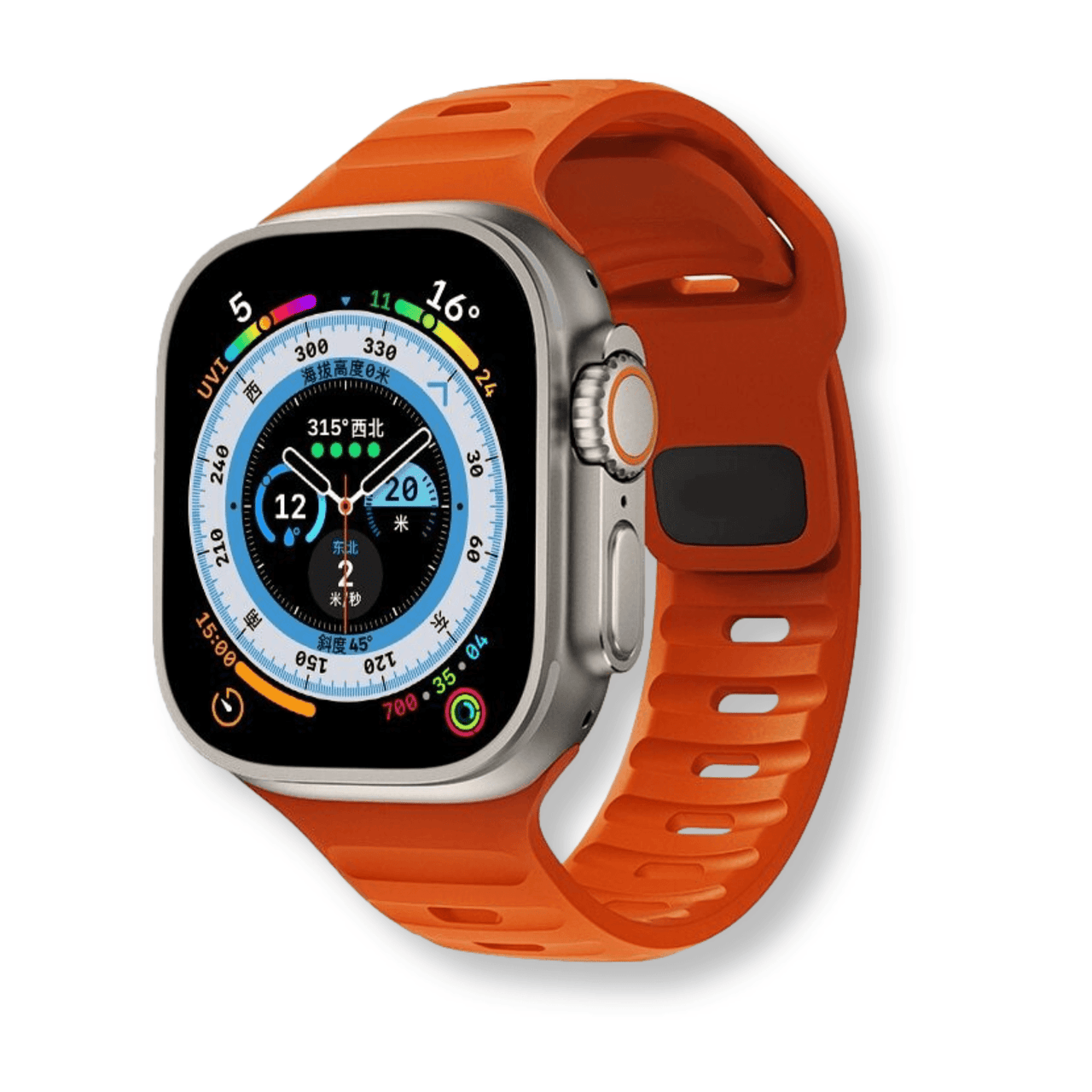
Silicone and rubber are incredibly popular for sports and daily wear because of their water resistance. However, because they do not breathe, they trap sweat directly against your skin. This causes oils, salts, and dirt to build up in the crevices of the strap, leading to sour watch band smells over weeks of heavy use.
Fortunately, silicone and rubber are highly resilient and easy to sanitize. To clean these straps, remove the band from the watch face entirely to protect the internal mechanics. Submerge the strap in a bowl of warm water mixed with a few drops of grease-cutting dish soap. Use a soft-bristled toothbrush to gently scrub the underside of the band, paying close attention to the textured patterns and sizing holes where dirt accumulates.
For particularly stubborn odors, a quick wipe-down with highly diluted isopropyl alcohol can help kill remaining bacteria. Be sure to rinse the strap thoroughly with fresh water and dry it completely with a soft towel before putting it back on your wrist. To find durable, high-quality alternatives for your active lifestyle, check out our selection of rubber and silicone watch bands.

Refreshing Nylon and NATO Straps
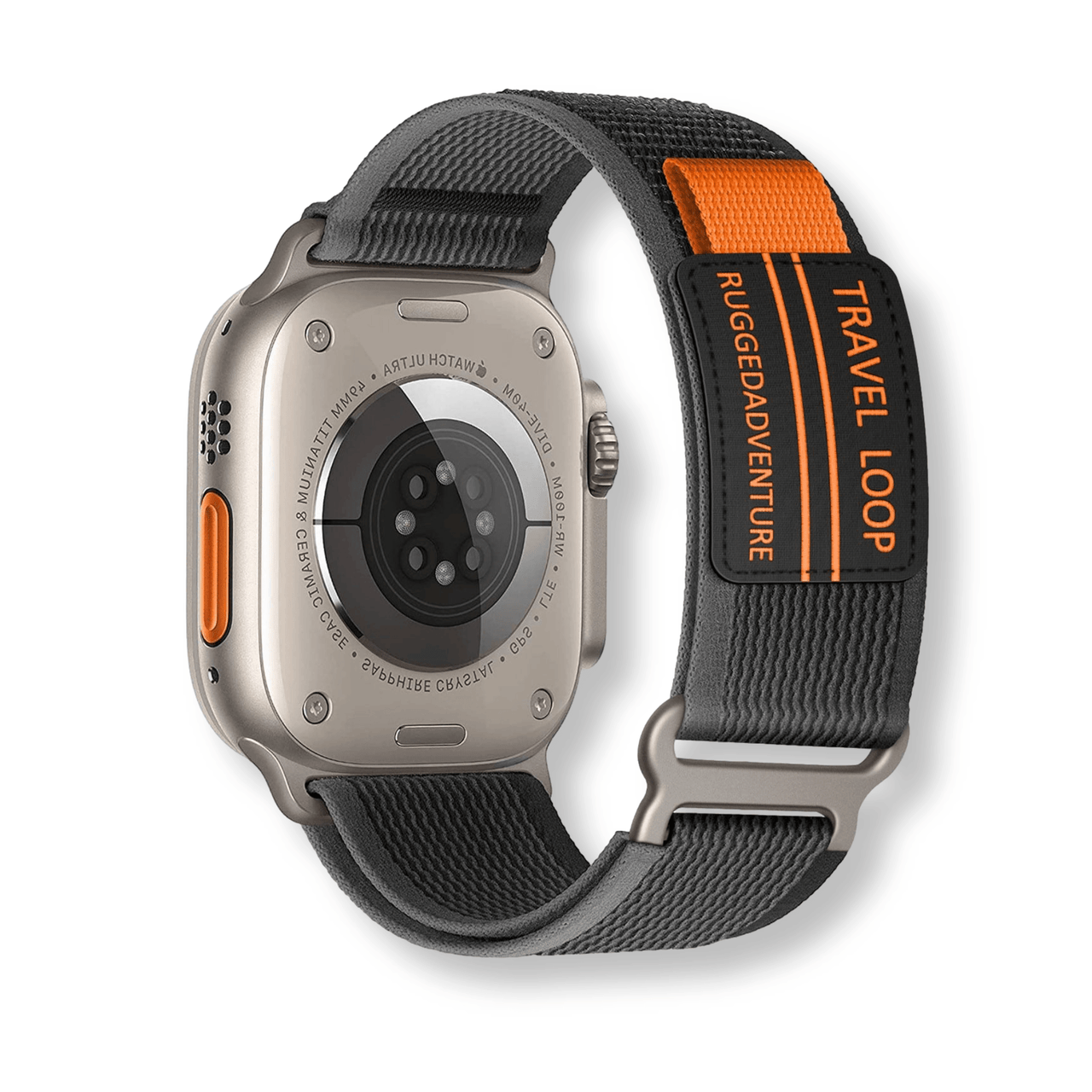
Nylon NATO straps are famous for their military-grade durability, lightweight comfort, and tactical aesthetic. However, the woven fabric of nylon acts like a sponge, absorbing sweat, salt water, sunscreen, and dirt. Over time, a neglected NATO strap can develop a remarkably pungent odor that regular water rinsing will not fix.
To thoroughly clean a nylon strap, remove it from your watch. One of the easiest methods is to place the nylon strap inside a mesh laundry bag or the pocket of a pair of jeans and run it through a standard laundry cycle with cold water. Avoid hot water, as high temperatures can warp or shrink the nylon fibers and weaken the heat-sealed holes.
Alternatively, you can wash it by hand. Fill a sink with warm water and a small amount of laundry detergent. Let the strap soak for 15 to 20 minutes, then scrub it gently with your fingers or a soft brush. Rinse it thoroughly with cold water to remove all soap residue, then air dry it completely away from direct heat or sunlight. If your old strap has lost its structural integrity or the weave is fraying, explore our curated selection of stylish design NATOs to find a clean, rugged upgrade.

Watch Band Smells: Size, Fit, and Compatibility
When dealing with stubborn odors, physical dimensions and wear habits play a major role. The connection between watch band smells size is straightforward: wearing your watch too tightly compresses the strap against your skin, cutting off airflow. Without proper ventilation, sweat and oils are trapped, accelerating bacterial growth and making odors worse. Ensure you can always slide one pinky finger comfortably beneath your strap to maintain airflow.
Furthermore, you must consider watch band smells compatibility when choosing strap materials for modern smartwatches. Active users often pair their devices with heavy-duty bands that might not match their exercise habits. For instance, if you wear a luxury leather strap during intense gym sessions, sweat will quickly ruin the material and lock in deep odors.
Smartwatch owners should always match their straps to their daily activities. If you are sporting the latest wearable tech, check out our comprehensive Apple Watch Series 11 bands compatibility guide to understand how to match materials to your specific device and lifestyle. For general compatibility and easy swapping, we offer a dedicated collection of Apple Watch bands designed to handle everything from intense workouts to formal events without trapping unwanted odors.
When to Choose a Watch Band Smells Replacement
Sometimes, no matter how much you scrub, soak, or sanitize, the odor simply won't go away. This is especially true for older leather or fabric bands where bacteria have penetrated deep into the inner layers of the material. When the structural fibers begin to break down, they hold onto moisture indefinitely, making a watch band smells replacement the smartest and most hygienic choice.
Repeatedly washing a severely degraded strap can cause it to rot, tear, or snap unexpectedly, which risks damaging your actual watch face. Investing in a new strap not only eliminates embarrassing odors but also revives the entire look of your timepiece.
Swapping your strap at home is incredibly simple. By using a specialized watch spring bar remover, you can detach your old, smelly band safely without scratching the watch lugs. Once you remove the old band, you can quickly snap in a clean, fresh strap. For all your miscellaneous strap needs and maintenance gear, check out our full range of watch accessories to ensure you have the perfect tools for the job.

Frequently Asked Questions
Why does my silicone watch band smell like vinegar or sweat?
Silicone is non-porous, meaning sweat, dead skin cells, and soap scum collect on its surface instead of sinking in. When these elements sit on the band and mix with natural skin bacteria, they ferment, creating a sharp vinegar-like or sweaty odor. Regular cleaning with dish soap easily resolves this.
Can I wash my nylon NATO strap in the washing machine?
Yes, nylon NATO straps are highly durable and machine-washable. Place the strap in a mesh laundry garment bag to protect it from snagging on other clothes, and wash it on a gentle cycle using cold water. Always let it air dry completely before wearing it.
How often should I clean my watch band to prevent smells?
If you wear your watch daily, we recommend wiping down the band once a week. For active fitness trackers or silicone bands worn during intense workouts, rinse them with fresh water after every heavy exercise session to prevent sweat build-up.
Does baking soda ruin leather watch straps?
Baking soda itself won't ruin leather, but it should never be rubbed directly onto wet leather as it can be abrasive. Instead, use the dry container method, allowing the dry baking soda to absorb odors from the air around the strap without making direct contact.
When should I choose a watch band smells replacement over cleaning?
If a strap is visibly fraying, cracking, showing mold spots, or continues to emit a strong odor after multiple deep cleans, it is time for a replacement. A fresh band prevents skin irritation and ensures your watch stays securely on your wrist.
Do not let a smelly watch band ruin your favorite timepiece or cause uncomfortable skin irritation. Upgrading your strap is an easy, affordable way to refresh your watch's look and maintain daily hygiene. Browse our complete collection of premium replacement straps at watchband.direct today and find the perfect material, style, and fit for your wrist!
📌 Complete Guide
For the full guide, see our Silicone.
📌 Complete Guide
For the full guide, see our Silicone.
📌 Complete Guide
For the full guide, see our Leather Watch Bands: The Complete Buyer's Guide (2026).