Key Takeaways
- Durability is unmatched: Metal bands, particularly stainless steel, offer superior resistance to water, sweat, and corrosion compared to leather or fabric.
- Versatility in design: From the rugged Engineer style to the elegant Milanese mesh, metal bracelets can adapt to both casual and formal settings.
- Historical significance: The evolution of stainless steel revolutionized watchmaking, shifting bracelets from fragile jewelry to functional tools.
- Comfort varies: While heavier than leather, modern metal bands offer articulation and breathability that many wearers prefer for daily use.
- Maintenance matters: Regular cleaning and the use of watch winders for automatic timepieces ensure your metal-banded watch remains in peak condition.
Table of Contents
There are few accessories as transformative to a timepiece as high-quality metal bands. Whether you call them bracelets, straps, or bands, the addition of stainless steel, titanium, or precious metal to a watch case creates an immediate sense of solidity and luxury. For the modern enthusiast, the metal bracelet is not just a method of attachment; it is a statement of durability and style.
At Watchband.direct, we understand that choosing the right bracelet is about balancing aesthetics with engineering. A metal band can turn a delicate dress watch into a robust daily wearer, or give a vintage diver a contemporary facelift. In this comprehensive guide, we explore the nuances of owning, wearing, and caring for metal bracelets. If you are ready to upgrade your current setup, explore our premium selection at our Metal Watch Bands collection, or read on to become an expert on the subject.
Elevating Your Aesthetic: The Style of Metal
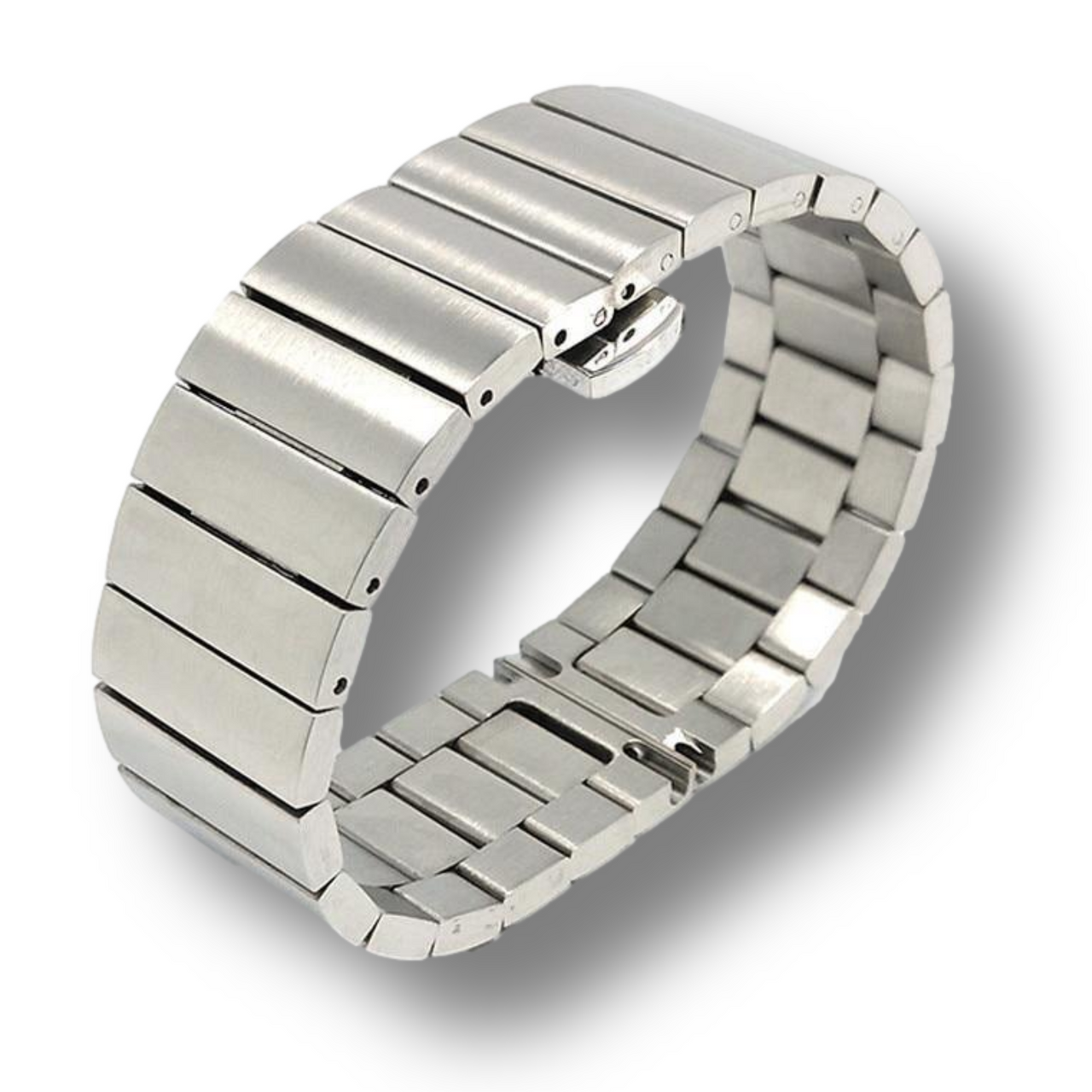
When you swap a strap for a metal bracelet, you are essentially changing the DNA of the watch. Metal bands offer a unique interplay of light and texture that fabric or rubber simply cannot replicate. The finish of the metal plays a crucial role here; brushed finishes absorb light and hide scratches, making them ideal for tool watches, while high-polish center links add a jewelry-like sparkle suitable for the boardroom or formal events.
There is also the matter of the link design itself. The "Oyster" style is the gold standard for sportiness, characterized by flat, three-piece links that suggest rugged capability. Conversely, the "Jubilee" or "Beads of Rice" styles offer a more vintage, dressy appeal with their intricate, smaller links that drape effortlessly over the wrist. For those seeking a sleek, minimalist look, the Milanese mesh band provides a smooth, woven texture that dates back to the Renaissance but feels thoroughly modern.
Choosing the right style requires understanding how these designs interact with your specific watch case. A chunky dive watch might overwhelm a thin mesh strap, while a delicate dress watch could look out of place on a heavy Engineer bracelet. Mastering this balance is key to curating a sophisticated collection.
Comfort and Wearability: Metal vs. Leather
One of the most debated topics in the horological world is the comfort factor of metal bands compared to their organic counterparts. There is a common misconception that metal is inherently uncomfortable due to its weight and rigidity. However, a well-engineered metal bracelet can be surprisingly ergonomic. High-quality bracelets feature articulated links that conform to the curvature of the wrist, distributing the weight of the watch head evenly to prevent top-heaviness.
Temperature and environment play significant roles in this decision. In hot, humid climates, leather straps can absorb sweat, become clammy, and eventually degrade or develop odors. Metal bands, by contrast, are impervious to sweat and allow for better airflow through the gaps in the links. They can be easily rinsed clean after a hot day or a dip in the ocean. This makes metal the superior choice for active lifestyles or summer wear.
However, fitment is critical. Unlike a leather strap with multiple pre-punched holes, a metal bracelet must be sized correctly—usually by removing links or using a micro-adjustment clasp—to ensure it doesn't slide uncomfortably or pinch the skin. The "hair-pulling" phenomenon is largely a relic of cheaper, folded-link bracelets from the past; modern solid-link bands are designed with tighter tolerances to avoid this issue.
The Evolution of Steel in Watchmaking
To appreciate the modern metal band, one must understand the history of the material itself. For a long time, wristwatches were strapped on with leather or crafted from soft precious metals like gold and silver. These materials were luxurious but lacked the tensile strength required for the emerging active lifestyles of the 20th century. The introduction of stainless steel changed everything.
Stainless steel brought democratization and durability to watchmaking. It allowed for the creation of bracelets that were resistant to rust, magnetism, and corrosion. The specific grade of steel used in high-end watchmaking, typically 316L (and occasionally 904L), is surgical grade. This means it is hypoallergenic and maintains its luster even after years of exposure to salt water and harsh elements.
The transition to steel bracelets coincided with the rise of the "tool watch"—divers, chronographs, and field watches designed for professionals. These watches required a mounting system that wouldn't rot in the jungle or snap during a dive. The engineering advancements that allowed for mass production of precise, solid steel links are a cornerstone of the industry today. Understanding this lineage adds a layer of appreciation every time you clasp your watch shut.
Maintenance, Care, and Storage
While metal bands are renowned for their durability, they are not invincible. To keep them looking their best, regular maintenance is required. Over time, dead skin, dust, and lotion can accumulate between the links. This "bracelet stretch" is actually caused by the grit acting as an abrasive, grinding down the connecting pins and causing the bracelet to loosen. A monthly cleaning with a soft toothbrush and mild soapy water (provided the watch is water-resistant) will prevent this wear and keep the finish sparkling.
Beyond cleaning the exterior, owning a watch with a heavy metal band often implies you own an automatic timepiece. These watches are mechanical marvels that rely on movement to stay charged. Because watches on metal bracelets are often rotated in a collection, they may sit idle for days. When an automatic watch stops, the lubricants can settle, and resetting the complications (like day/date/moonphase) can be tedious.
This is where proper storage comes into play. A watch winder is an essential accessory for the metal-band enthusiast. It keeps the mainspring wound and the oil distributed, ensuring that your watch is ready to wear the moment you pick it up. Furthermore, a winder provides a safe, scratch-free environment for the bracelet, keeping the clasp from rubbing against the caseback when not in use.
For more insights on watch care and general knowledge, be sure to visit our extensive Watch Compendium.
Frequently Asked Questions
1. Can I resize a metal watch band at home?
Yes, most metal bands can be resized at home with basic tools. Link bands usually require a pin pusher or a small screwdriver to remove links. Milanese or mesh bands often feature a sliding clasp that can be adjusted with a small flathead tool. However, if your band uses a complex pin-and-collar system, professional help might be safer to avoid losing small parts.
2. How do I remove scratches from my stainless steel band?
For brushed steel finishes, you can often use a Scotch-Brite pad or a fiberglass pen to carefully re-apply the grain. For polished steel, a polishing cloth (like Cape Cod) can remove fine hairline scratches. Always mask off areas you don't want to treat to avoid ruining a contrasting finish.
3. Are metal bands hypoallergenic?
Most high-quality metal bands are made from 316L stainless steel, which is considered surgical grade and hypoallergenic. However, it does contain a small amount of nickel. If you have a severe nickel allergy, you might want to consider Titanium bands, which are 100% hypoallergenic and lighter than steel.
4. Will a metal band stretch over time?
Technically, steel does not "stretch" like rubber. What is commonly referred to as stretch is actually the wearing down of the pins and link holes due to friction and dirt accumulation. This creates more play between the links. Regular cleaning prevents this grit from grinding away the metal, significantly extending the life of the bracelet.
5. Which metal band style is best for a dress watch?
While leather is traditional for dress watches, certain metal bands work beautifully. A Milanese mesh band is elegant, low-profile, and sophisticated. Alternatively, a "Beads of Rice" bracelet offers a vintage, jewelry-like aesthetic that complements formal attire without looking too utilitarian.
Explore All Articles on Metal Bands
Looking for more specific information? Browse our full library of guides related to metal watch bands below:
📖 Sleek and Stylish Metal Watchbands
📖 Leather vs. Metal Watch Bands: Which is Right for You?
📖 The History of Stainless Steel in Watchmaking
📖 The Benefits of Using a Watch Winder