Key Takeaways
- Quick release watch bands allow for a tool-free watch band change in seconds.
- The mechanism uses an integrated quick release spring bar with a visible tiny lever.
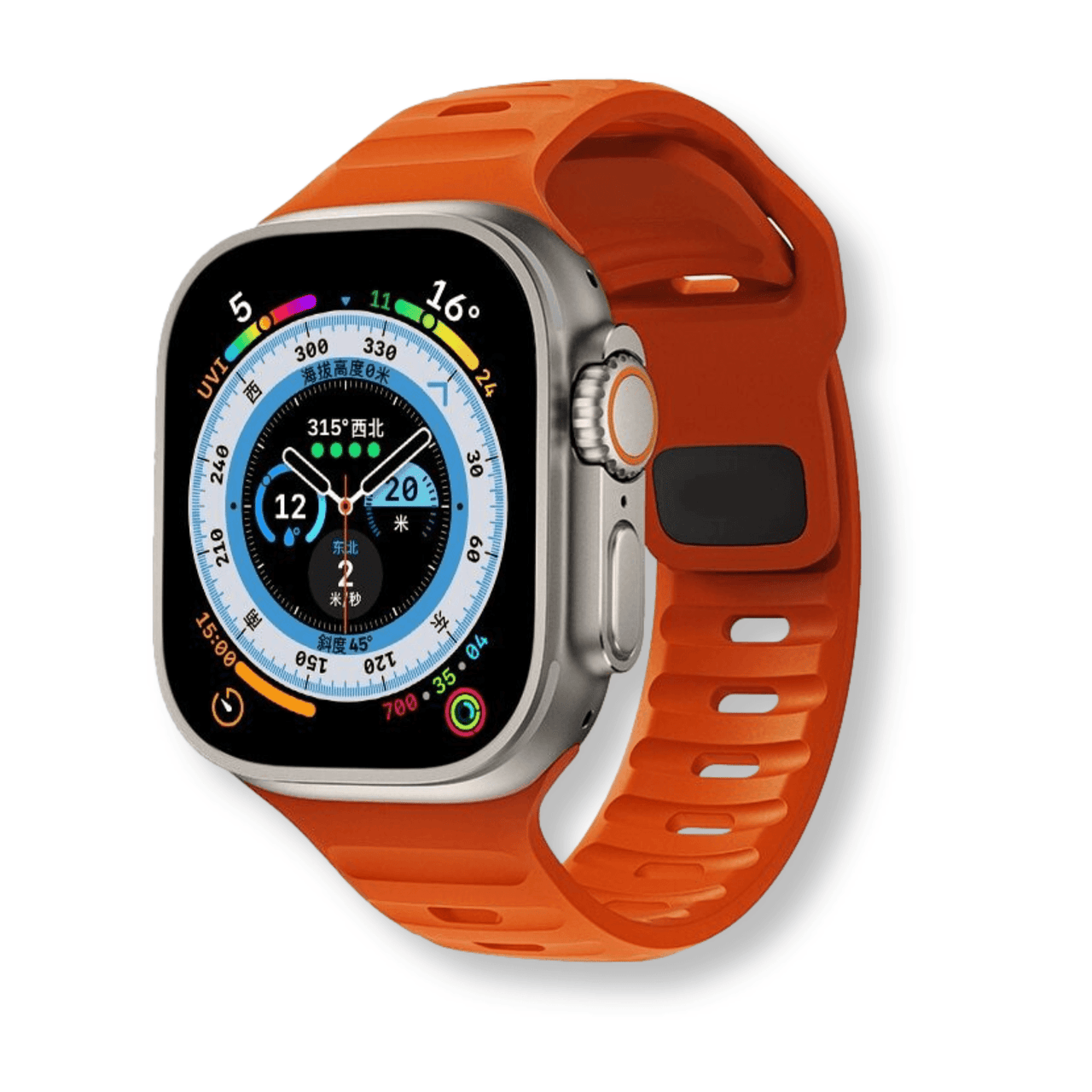
- These straps are available in various materials, including premium leather-watch-bands and durable silicone.
- Security is high; when properly installed, they are just as reliable as traditional spring bars.
- Compatibility depends entirely on the lug width of your watch case, not the brand of the watch.

Table of Contents
- What Is a Quick Release Watch Band?
- How Do Quick Release Watch Bands Work?
- Quick Release vs Traditional Spring Bars
- Quick Release Watch Band Sizes: Which Fits Your Watch?
- Best Materials for Quick Release Watch Bands
- How to Change a Quick Release Watch Band (Step-by-Step)
- Are Quick Release Bands Secure Enough for Everyday Wear?
- Frequently Asked Questions
What Is a Quick Release Watch Band?
A quick release watch band is a modern innovation designed to make the process of customizing your timepiece as simple as possible. Unlike traditional straps that require specialized tools and a steady hand, a quick release watch strap features a built-in mechanism that allows for a tool-free watch band change. This design has revolutionized the way enthusiasts interact with their collections, moving the hobby away from "set and forget" toward a more fashion-forward, versatile approach.
Historically, changing a watch strap was a chore that many owners avoided or outsourced to a local jeweler. The risk of scratching the polished lugs of a luxury watch with a metal tool was high. The quick release watch band eliminates this anxiety by integrating the hardware directly into the strap itself. Whether you are switching from a professional office look to a casual weekend style, these bands make the transition seamless.
At its core, this technology is about accessibility. You don't need to be a horological expert to enjoy a watch band swap. By choosing a no-tool watch band, you gain the freedom to match your watch to your outfit, your mood, or your activity in less than thirty seconds. This level of convenience is why most modern aftermarket straps, particularly those found in our Watch Compendium, now feature this system as a standard offering.
How Do Quick Release Watch Bands Work?
The magic of the quick release watch band lies in the quick release spring bar. In a traditional setup, the spring bar is a separate cylindrical piece of metal with telescopic ends that fit into small holes in the watch lugs. To remove it, you must use a watch spring bar remover to manually compress the spring. However, in a quick-release system, this bar is sewn or molded directly into the end of the strap.
On the underside of the strap, there is a small, protruding metal knob or lever. This lever is connected to one side of the internal spring. When you slide the lever with your fingernail, it retracts the pin, allowing the strap to drop out of the watch lugs instantly. It is a simple mechanical solution to a problem that has plagued watch owners for decades.
Because the spring bar is "captured" within the strap material, you never have to worry about losing a spring bar across the room—a common frustration with traditional bands. The quick release spring bar stays put, ensuring that your hardware is always where you need it. This design ensures that even if you are on the go, a tool-free watch band change is always possible without needing a dedicated workspace or a magnifying glass.
Quick Release vs Traditional Spring Bars: What's the Difference?
The primary difference between these two systems is the method of engagement. Traditional spring bars are "dumb" hardware; they require external force from a tool to operate. This makes them slightly more versatile for certain types of vintage watches with drilled lugs, but significantly more difficult for the average consumer to handle. A quick release watch strap, conversely, is "smart" hardware that carries its own operating mechanism.
One common concern is whether the no-tool watch band is as strong as the traditional version. In reality, the internal spring tension is often identical. The only physical difference is the tiny slot cut into the strap material to allow the lever to move. For 99% of users, the quick release watch band is the superior choice because it prevents the accidental "lug rash" caused by slipping tools.
However, it is worth noting that traditional spring bars are still necessary for certain styles, such as one-piece NATO straps. Because a NATO strap passes behind the watch head, it relies on the bars being fixed to the watch first. For almost all two-piece configurations, such as leather watch bands or silicone options, the quick-release system is rapidly becoming the industry gold standard for both luxury and affordable watches.

Quick Release Watch Band Sizes: Which Fits Your Watch?
Finding the right quick release watch band size is the most critical step in the purchasing process. Unlike the watch case diameter (e.g., 40mm or 42mm), the strap size is determined by the "lug width"—the distance between the two metal arms where the strap attaches. If you buy a 22mm strap for a watch with 20mm lugs, it simply will not fit. Conversely, a 20mm strap on 22mm lugs will leave a dangerous gap.
Most modern watches use standard even-numbered sizes. The 20mm and 22mm sizes are the most common in the industry. However, many smaller dress watches or vintage pieces require 18mm bands, while larger "tool" watches may require 24mm. To ensure a perfect watch band swap, we recommend using a digital caliper or a simple millimeter ruler to measure the inside gap of your watch lugs before ordering.
Standard sizes for a quick release watch strap include:
- 18mm: Common for vintage watches and smaller women's styles.
- 20mm: The industry standard for most Rolex, Omega, and Seiko divers.
- 22mm: Popular for larger chronographs and modern smartwatches like the Samsung Galaxy Watch.
- 24mm: Reserved for oversized pilot watches and Panerai-style timepieces.
Best Materials for Quick Release Watch Bands
The versatility of the quick release watch band is best displayed through the variety of materials available. Each material offers a different aesthetic and functional benefit, allowing you to curate a "strap wardrobe" for any occasion. Because the watch band swap is so easy, many collectors own five or six different straps for a single watch.
Leather: Our premium leather watch bands are the top choice for enthusiasts. Leather offers a classic, sophisticated look that ages beautifully over time. With a quick release watch strap in leather, you can go from a rugged brown Horween leather for the weekend to a sleek black alligator grain for a formal event in seconds.
Silicone and Rubber: For those with an active lifestyle, silicone watch bands are unmatched. They are waterproof, sweat-resistant, and incredibly comfortable. These are perfect for the gym or the beach, where a no-tool watch band change allows you to swap out of your "work leather" and into your "workout silicone" before hitting the treadmill.
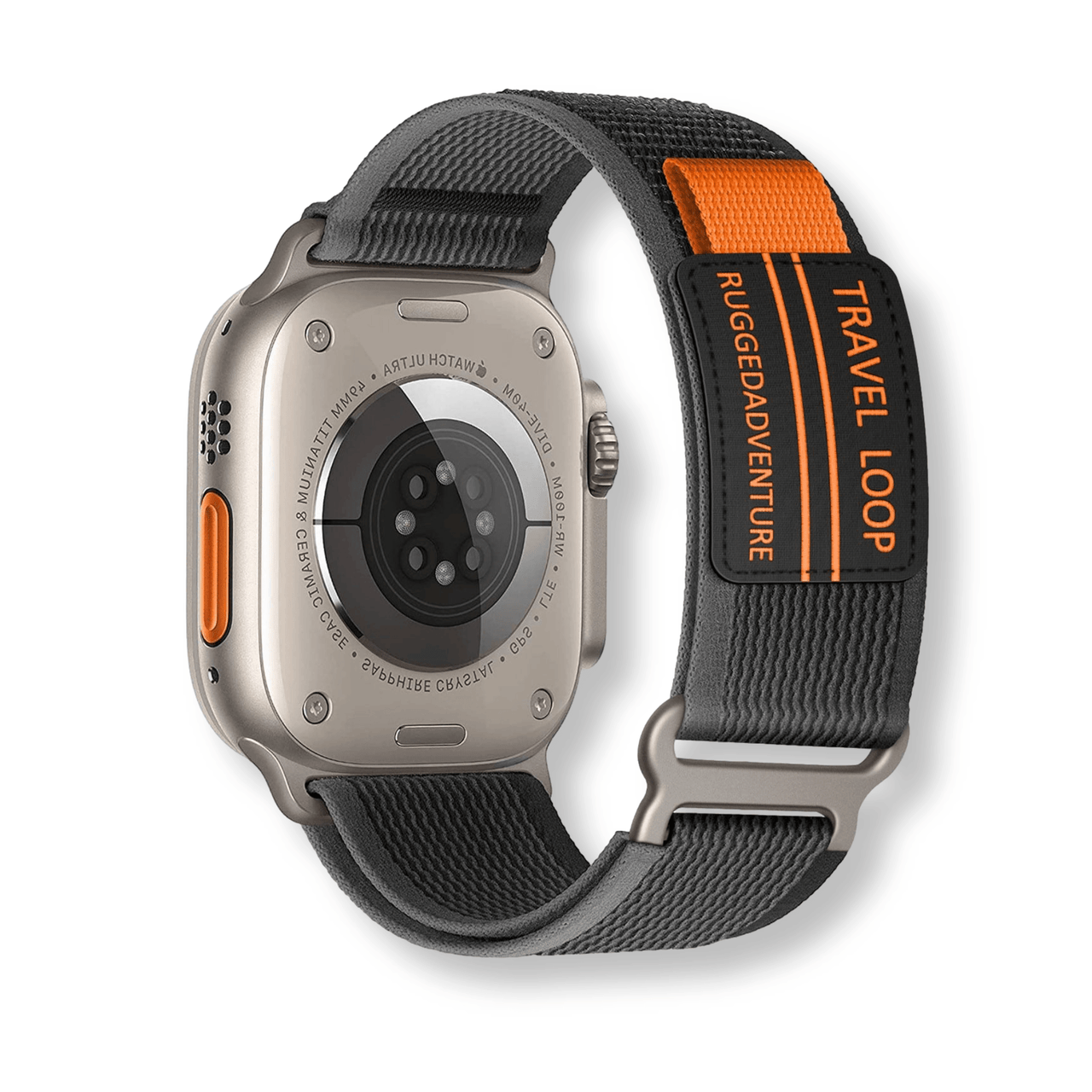
NATO and Fabric: While traditional NATO straps are one-piece, many manufacturers now offer two-piece NATO-style fabric bands that utilize the quick-release system. These provide the tactical, military aesthetic of nylon without the added bulk under the watch case. Finally, stainless steel mesh bands with quick-release pins offer a jewelry-like finish that is surprisingly easy to install.

How to Change a Quick Release Watch Band (Step-by-Step)
Performing a tool-free watch band change is incredibly intuitive, but following the correct steps ensures you don't accidentally drop your watch or scratch the finish. Here is the foolproof method for a successful watch band swap:
- Prepare your surface: Place your watch face-down on a soft microfiber cloth or a padded mat to protect the crystal from scratches.
- Remove the old strap: If your current strap has a quick release spring bar, simply pull the lever toward the center of the strap and lift the band away. If it is a traditional strap, use a watch spring bar remover to carefully depress the pin.
- Align the new strap: Take your new quick release watch band. Insert the pin on the side opposite the lever into the small hole on the inside of the watch lug.
- Retract the lever: Using your fingernail, pull the quick-release lever back. This will retract the other side of the pin.
- Lock it in: Slide the retracted pin into position against the other lug. Release the lever and move the strap slightly until you hear or feel a "click," indicating the pin has found the lug hole.
- The Tug Test: Always give the strap a firm tug to ensure it is securely locked before putting the watch on your wrist.
Are Quick Release Bands Secure Enough for Everyday Wear?
One of the most frequent questions we receive is whether a quick release watch band is "safe." Owners of expensive timepieces worry that the tiny lever might snag on a sleeve and cause the watch to fall. In practice, this is extremely unlikely. The lever is designed to be flush or slightly recessed against the strap material, and the spring tension required to move it is significant.
The quick release spring bar is engineered to withstand the same lateral forces as a standard spring bar. Unless you are engaging in extreme contact sports or rock climbing—where a specialized fixed-bar watch would be more appropriate anyway—a no-tool watch band is perfectly secure for daily wear, office environments, and light swimming. The convenience of the system far outweighs the negligible risk of accidental release.
In fact, many high-end luxury brands like Vacheron Constantin and Cartier have moved toward proprietary quick-change systems, proving that the industry trusts the security of tool-free mechanisms. When you purchase a quality quick release watch strap from a reputable retailer, you are getting hardware that is built to last the life of the strap. Just remember to perform the "tug test" every time you swap your bands.

Frequently Asked Questions
Can I use a quick release watch band on any watch?
Generally, yes, as long as your watch has standard lugs. A quick release watch band will work on any watch that accepts standard spring bars. The only exceptions are watches with "integrated bracelets" (where the strap is part of the case design) or watches that use "fixed lugs" (common in certain military-spec watches).
Do I need any tools to install a quick release watch strap?
No, that is the primary benefit of the no-tool watch band. The mechanism is operated entirely by your fingernail. However, you may need a watch spring bar remover one last time to remove your original non-quick-release strap from the watch.
Can I turn a regular strap into a quick release strap?
It is difficult to do this at home. A quick release watch band requires a specific hole and slot to be cut into the material to accommodate the lever. While some leatherworkers can modify straps, it is much safer and more cost-effective to buy a strap designed with the quick release spring bar already integrated.
Are quick release spring bars replaceable?
In most designs, the quick release spring bar is built into the strap and cannot be easily removed without cutting the material. However, because they are protected inside the strap, they rarely break or fail. If the spring bar does fail, it is usually time to replace the entire strap anyway.
Is a quick release watch band better than a NATO strap?
It depends on your goal. If you want the fastest watch band swap without changing the "feel" of the watch on your wrist, the quick-release system is better. If you want the security of knowing that if one spring bar fails, the watch will stay on your wrist, a traditional one-piece NATO strap is the better choice.
Ready to upgrade your timepiece? Explore our premium collection of quick release watch bands and find the perfect match for your style. From rugged waterproof options to elegant leather-watch-bands, we have the perfect fit for every wrist.
📌 Complete Guide
For the full guide, see our Leather.