Key Takeaways:
- Vintage Legacy: The Tropic strap originated in the 1960s as the ultimate waterproof rubber alternative to steel bracelets.
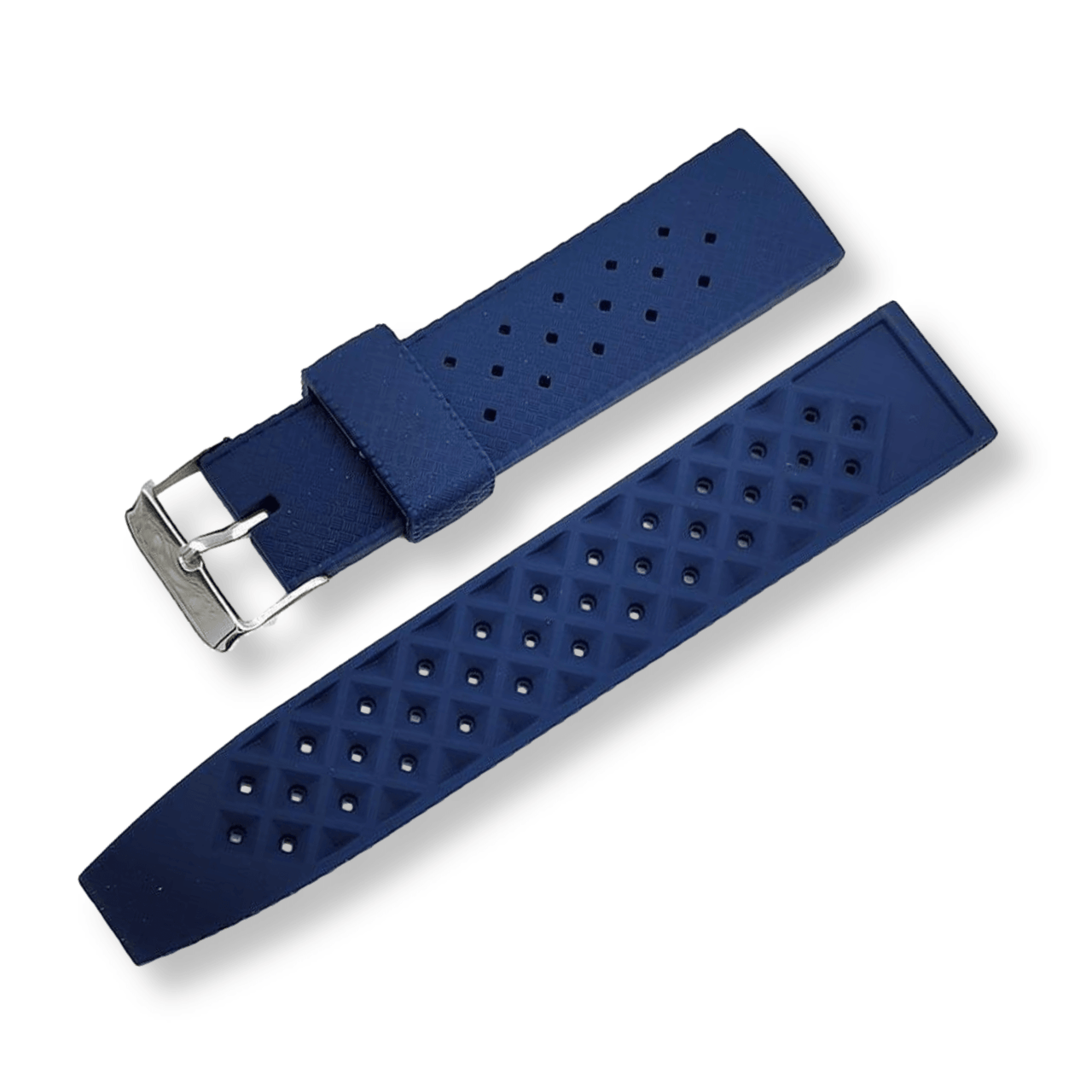
- Distinctive Design: Recognized by its classic basketweave pattern, perforated diamond holes, and textured back.
- Unmatched Comfort: Offers outstanding breathability, keeping wrists cool during active and warm-weather wear.
- Universal Fitting: Highly versatile across classic, vintage-inspired, and modern tool watches.
Table of Contents
The Rich History of the Tropic Watch Strap
The story of the classic tropic watch strap begins in the mid-20th century. During the 1960s, the dive watch market exploded in popularity. Recreational diving became a worldwide phenomenon, and tools like the Rolex Submariner and Blancpain Fifty Fathoms became legendary. While these timepieces were incredibly robust, the heavy steel bracelets of the era were not always practical for diving. Leather watch bands disintegrated under salt water, leaving dive watch owners in desperate need of a waterproof, resilient alternative.
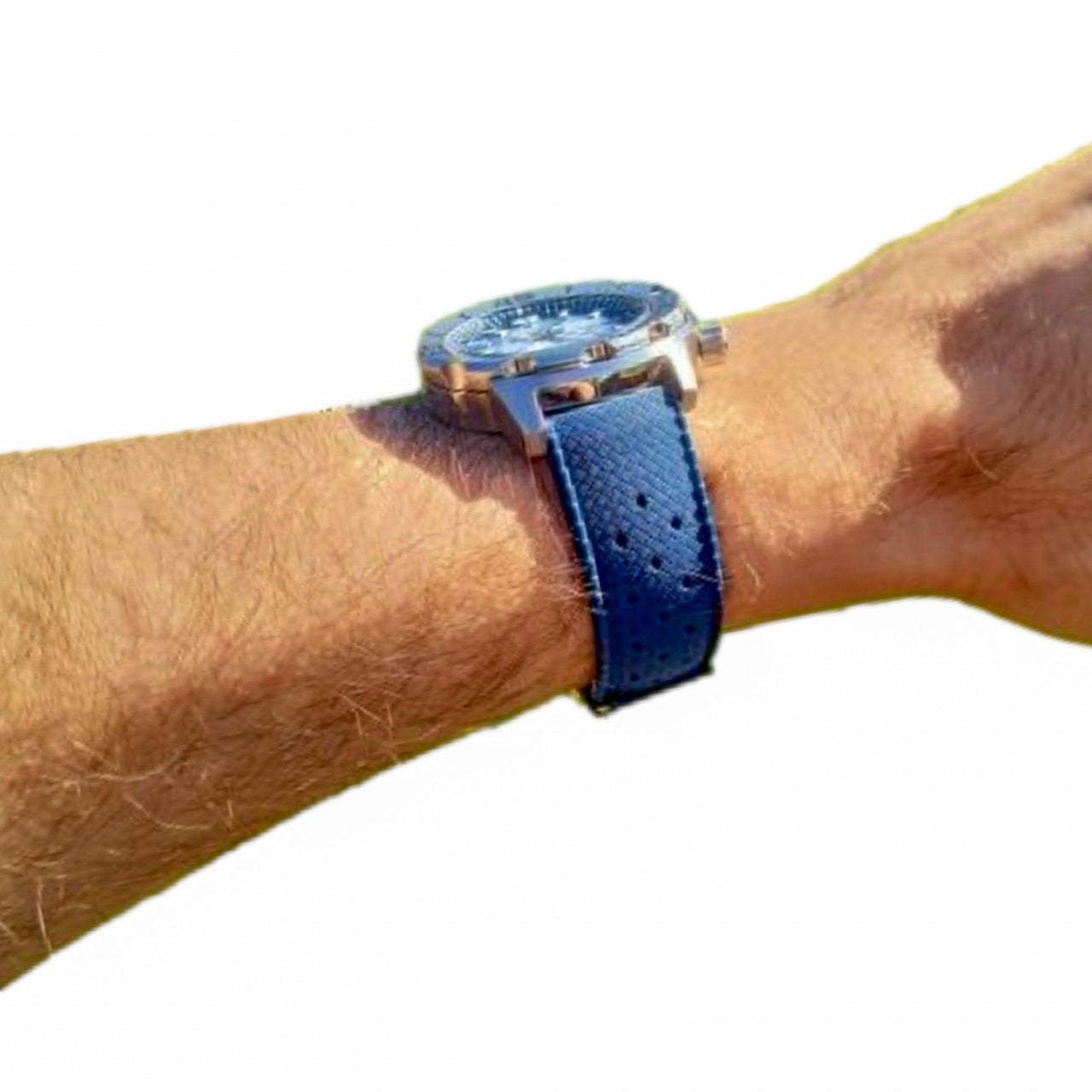
Enter the original Swiss-made Tropic strap. Molded from vulcanized rubber, this revolutionary design offered unmatched durability in wet environments. It quickly became the premier standard equipment for many of the world's most famous diving watches. Instantly recognizable by its distinctive basketweave surface pattern, stylized diamond-shaped ventilation holes, and sub-surface texturing, it provided a lightweight feel without sacrificing strength. To this day, vintage watch collectors and modern enthusiasts look to this classic design to capture that authentic, retro-diver aesthetic. For a deeper dive into horological heritage and various strap styles, explore our comprehensive resource library at the Watch Compendium.

Why the Tropic Watch Strap Remains a Legend
While vintage trends come and go, the popularity of this specific rubber configuration has never waned. The secret lies in its genius design. Traditional solid rubber bands often trap sweat, moisture, and debris against the skin, leading to discomfort over long periods of wear. The perforated nature of the classic basketweave pattern actively channels water and air away from the wrist. This makes it incredibly breathable, light, and comfortable, even in tropical, high-humidity climates.
Modern recreations of this historic pattern use advanced materials that outperform vintage compounds. Instead of standard silicone, which easily attracts lint, dust, and hair, premium modern options rely on vulcanized rubber or high-grade fluoroelastomer (FKM) rubber. This ensures the band remains highly resistant to ultraviolet rays, saltwater damage, and extreme temperatures, while maintaining a supple, comfortable feel. If you want to experience the durability and tactile comfort of high-quality rubber, discover our curated collection of rubber and silicone watch bands designed to withstand any adventure.

Understanding Tropic Watch Strap Compatibility
When selecting your next accessory, understanding tropic watch strap compatibility is crucial for ensuring a secure and visually appealing fit. Historically, these bands were designed for tool watches with traditional, straight spring bar configurations. This means that if your timepiece has standard straight lugs, it will perfectly accommodate this style. It pairs effortlessly with mechanical divers, sports chronographs, and field watches alike.
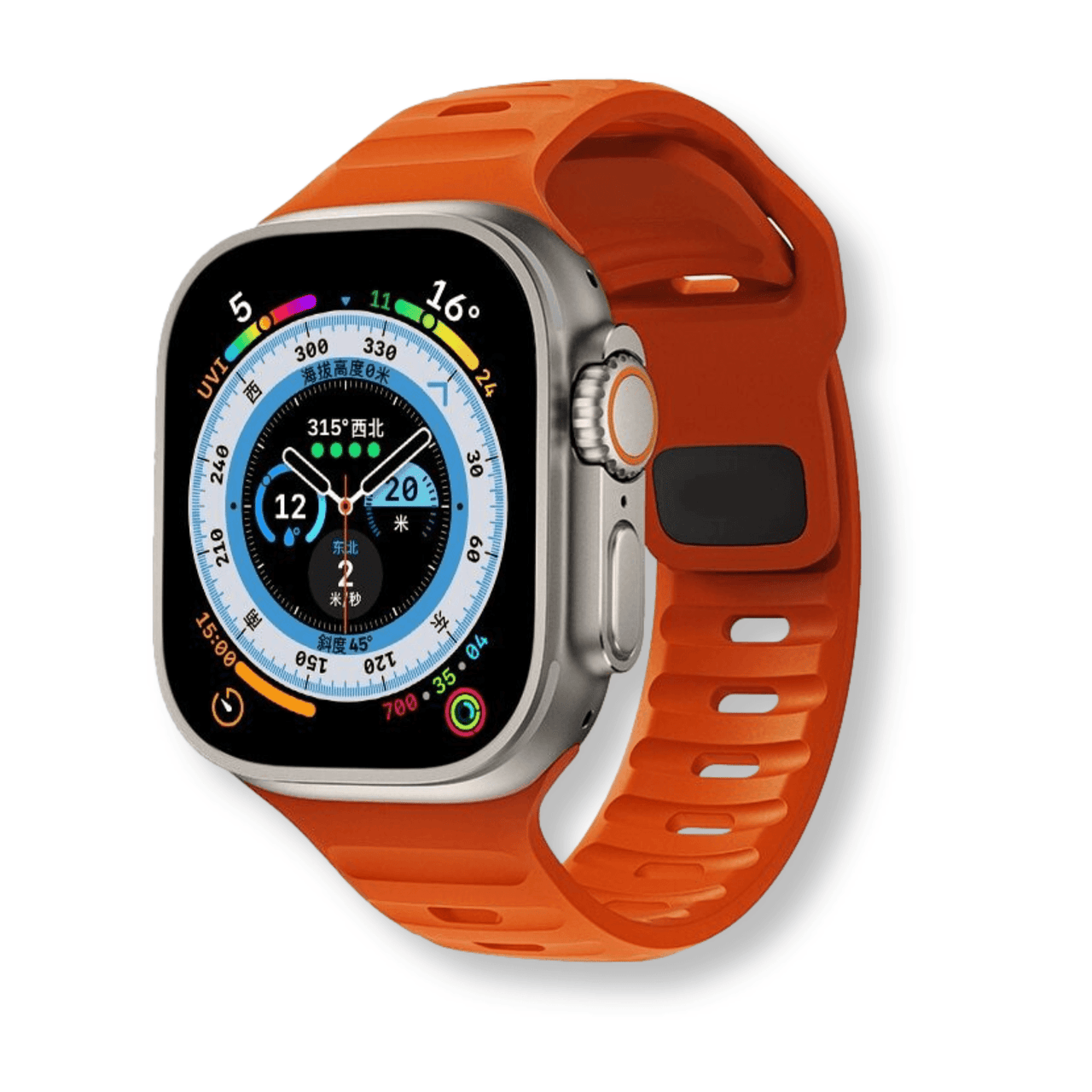
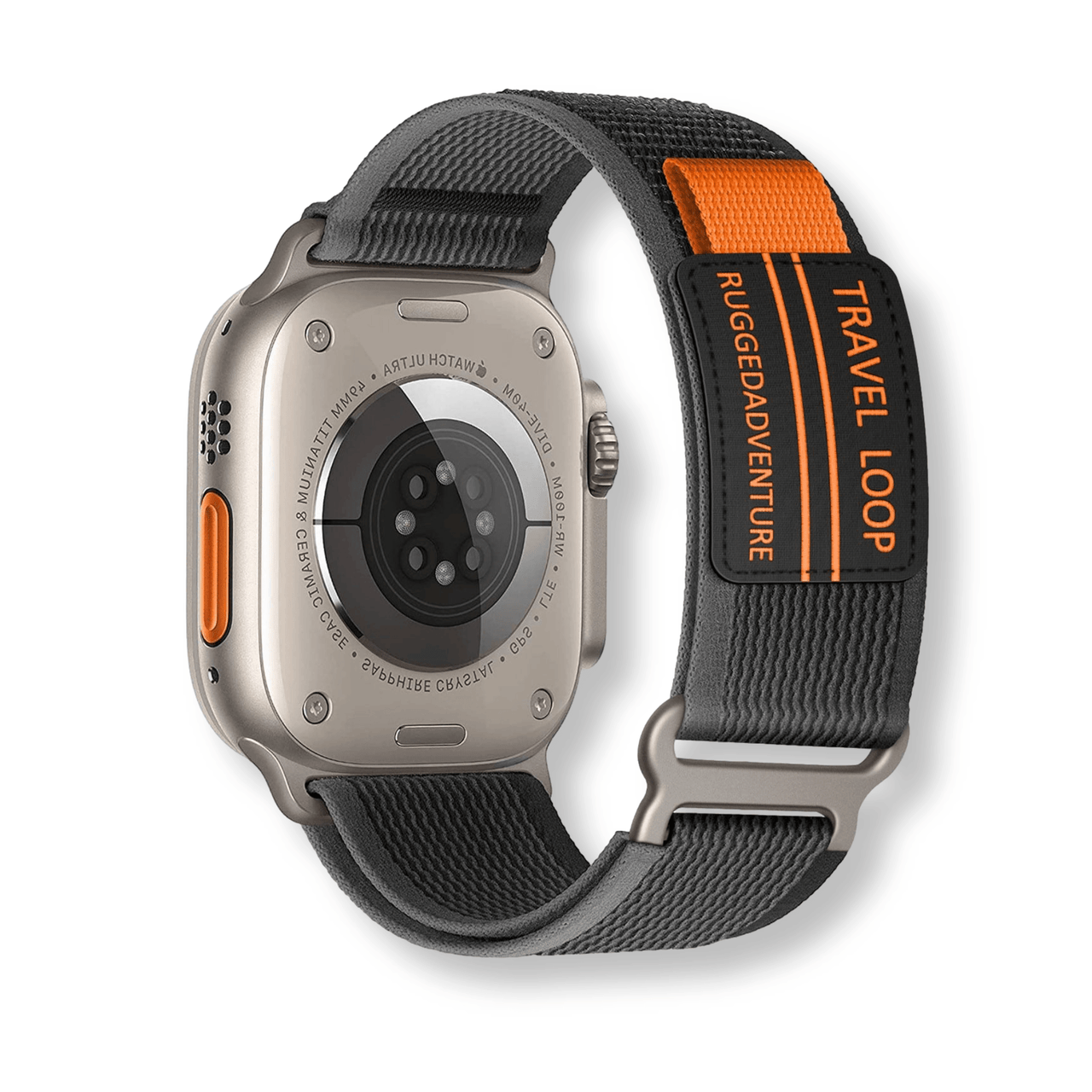
However, compatibility considerations extend beyond just classic automatic watches. Today's collectors frequently adapt vintage aesthetics to modern smartwatches. If you intend to pair this style with smart wearables, you may require dedicated lug adapters to bridge the gap between proprietary connections and standard straight spring bars. If you are specifically looking to update a newer wearable device, you can read our detailed Apple Watch Series 11 bands compatibility guide to understand how modern smart adapters work with classic bands.

Finding the Perfect Tropic Watch Strap Size
Choosing the correct tropic watch strap size is the single most important step to prevent losing your timepiece. To find the right lug width, you must measure the interior distance between the lugs of your watch case. The most common sizes for both vintage and modern watches are 18mm, 20mm, and 22mm. Always use a precise caliper or a millimeter ruler to double-check this width before placing an order.
It is also important to consider the taper of the band. Genuine historic designs often feature a strong taper from the watch lugs down to the buckle. For instance, a 20mm lug-width strap might taper down to 16mm or 18mm at the buckle. This taper adds to the elegant vintage profile and allows for a more comfortable wear around the wrist. If you are exploring different vintage profiles, you may also want to compare these rubber styles to our incredibly versatile leather watch bands and straps or our lightweight NATO watch straps to see how different materials affect wearability.

How to Perform a Tropic Watch Strap Replacement
Swapping out your old bracelet for a vintage-style rubber alternative is a simple, satisfying DIY process. Executing a safe tropic watch strap replacement requires just a few minutes, some basic tools, and a steady hand. To prevent scratching the polished surfaces of your watch lugs, we highly recommend applying a small piece of painter's tape to the back of the watch lugs before starting.
To begin, compress the spring bar of your existing band using a professional tool. Carefully slide the old strap out. Next, insert high-quality spring bars into your new rubber band. Align one end of the spring bar with the lug hole, compress the opposite end using your tool, and gently slide it into position until you hear a secure click. To ensure you have all the necessary gear to complete this swap without damaging your timepiece, pick up our dedicated watch spring bar remover or invest in a complete, professional-grade watch repair tool kit.
Caring for Your Premium Rubber Watch Band
Although high-performance vulcanized rubber and FKM compounds are extraordinarily durable, simple regular maintenance will keep your band looking brand new for years. Unlike leather, which can rot when exposed to continuous moisture, rubber thrives on routine water cleanings. Dirt, skin oils, salt residue, and sunscreen can accumulate in the textured basketweave recesses over time, which can dull the rich finish if left untreated.
To clean your band, simply remove it from the watch head and rinse it in warm water with a drop of mild dish soap. Use a soft-bristled toothbrush to gently scrub the perforated holes and diamond grooves. Rinse thoroughly with clean water and pat dry with a microfiber cloth. Avoid exposing the strap to harsh chemical solvents or insect repellents, as these can break down the rubber polymer over time. To find more tools, storage pouches, and cleaning supplies to keep your entire collection pristine, browse our full range of watch accessories.
Frequently Asked Questions
What is a tropic watch strap?
A Tropic strap is a specific style of waterproof rubber band featuring a distinct basketweave pattern, perforated diamond-shaped ventilation holes, and a tapered silhouette. It originally rose to fame in the 1960s as a premium waterproof alternative for dive watches.
Are tropic watch straps waterproof?
Yes, they are completely waterproof and designed specifically for aquatic environments. Unlike leather, they will not absorb moisture, decay, or lose their structural integrity when exposed to salt water or chlorine.
How do I choose the correct tropic watch strap size?
You must measure the exact distance (in millimeters) between the inner lugs of your watch. The strap size you choose must match this measurement exactly (e.g., a 20mm lug width requires a 20mm strap).
Can I use a tropic watch strap on an Apple Watch?
Yes, you can easily use this style on an Apple Watch by pairing the band with specialized adapters that fit into the Apple Watch slide-in system. Explore our Apple Watch bands collection to find compatible vintage-style options.
What is the difference between Tropic rubber and cheap silicone?
High-quality rubber (such as vulcanized or FKM rubber) is far more durable, resistant to tearing, and does not attract lint or dust like cheap silicone. It also maintains its vintage matte finish much better over time.
Ready to Upgrade Your Timepiece?
Bring authentic vintage character and modern durability to your favorite dive watch today. Explore our premium selection of rugged, breathable watch straps and find the perfect match for your next adventure.
📌 Complete Guide
For the full guide, see our Silicone Watch Bands Complete Guide.
📌 Complete Guide
For the full guide, see our Leather Watch Bands Complete Guide.