Key Takeaways
- The Fitbit Sense utilizes a proprietary quick-release system that is cross-compatible with the Fitbit Versa 3 and Versa 4.
- Choosing the right material—silicone for sports, leather for comfort, or metal for elegance—drastically alters the watch's utility and aesthetic.
- Proper band maintenance and fit are crucial not just for durability, but for the accuracy of health sensors like the EDA scan and ECG app.
- Third-party accessories offer a wider variety of affordable and unique designs compared to stock options.
- Transforming your fitness tracker into a fashion statement is easily achievable with the right strap combinations.
Table of Contents
The Fitbit Sense marked a revolutionary step forward in wearable health technology. As the company's first advanced health smartwatch, it introduced electrodermal activity (EDA) scanning for stress management, an ECG app, and skin temperature sensors. However, the technology is only half the equation. To truly integrate this device into your daily life—whether you are training for a marathon, attending a board meeting, or sleeping—you need the right accessories. The band you choose dictates the comfort, accuracy, and style of the device.
At watchband.direct, we understand that a watch band is more than just a strap; it is the connection between the technology and your body. This pillar page serves as your definitive hub for everything related to the Fitbit Sense. From understanding cross-compatibility with other models to selecting the perfect material for your skin type, we have curated a comprehensive library of resources found in our Watch Band Compendium to help you get the most out of your smartwatch.
Understanding the Fitbit Sense Ecosystem
Before diving into aesthetics, it is vital to understand what makes the Fitbit Sense unique in terms of hardware and compatibility. Unlike older Fitbit models that used pin-based mechanisms, the Sense introduced a streamlined, button-release system. This modern design allows for rapid swapping of bands, but it also creates specific compatibility requirements. If you are upgrading from a Versa 2, your old bands won't fit, but if you are cross-shopping with a Versa 3, you are in luck.
To fully appreciate the capabilities of your device, one must look beyond the screen. The sensors on the back of the "pebble" require consistent contact with the skin to monitor heart rate variability and oxygen saturation. Therefore, understanding the mechanics of the watch is the first step in choosing an accessory that doesn't hinder performance. Our comprehensive reviews and compatibility guides break down exactly how the hardware interacts with various strap designs.
Material Matters: Choosing Based on Lifestyle
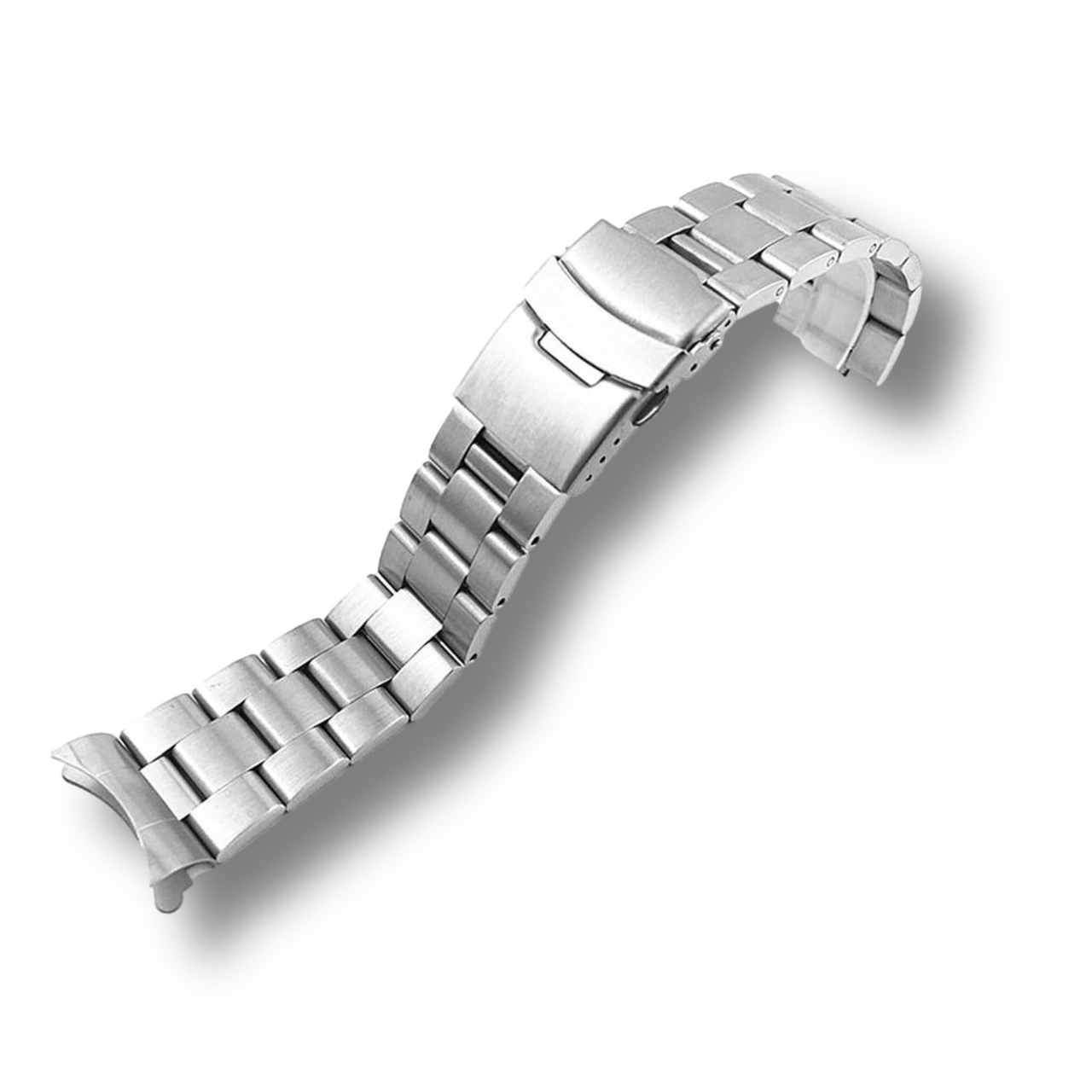
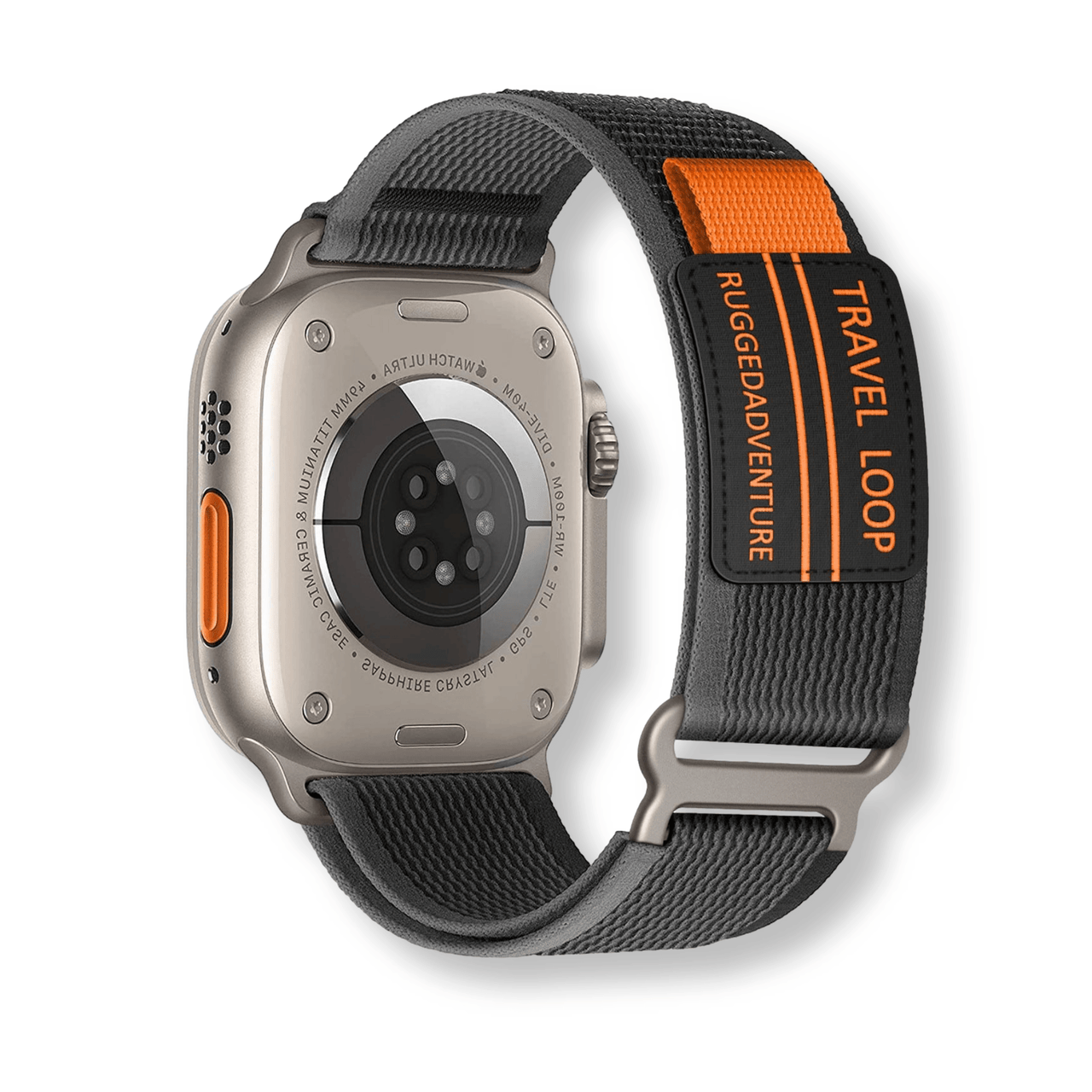
The material of your Fitbit Sense band is the single most important factor in determining your comfort level. A band that looks beautiful but causes skin irritation during a workout is useless. Conversely, a rugged silicone band might be perfect for the gym but looks out of place with a tailored suit. The market offers a plethora of options including fluoroelastomer (sport), genuine leather, stainless steel mesh (Milanese), and woven nylon.
For high-intensity interval training or swimming, water resistance and breathability are non-negotiable. Silicone or perforated sport bands allow sweat to escape and can be rinsed clean instantly. However, for all-day wear, particularly in professional settings, natural materials like leather or premium metals offer a distinct advantage. They elevate the device from a "tracker" to a "timepiece." Understanding the durability and care requirements of each material will save you money and frustration in the long run.
Elevating Style: From Gym to Gala
Gone are the days when fitness trackers were clunky rubber bracelets you felt compelled to hide during formal events. The Fitbit Sense features a sleek, neutral chassis that acts as a blank canvas for your personal style. By swapping the band, you can effectively change the personality of the watch. A rose gold Milanese loop can make the device jewelry-adjacent, while a patterned nylon strap can add a pop of color to a casual weekend outfit.
Customization is about expression. Whether you are a fashion enthusiast looking to match your watch to your seasonal wardrobe, or someone who wants a unique look that stands out from the sea of stock black bands, the options are limitless. We explore how to curate a collection of bands that covers every occasion, ensuring your health data is being tracked 24/7 without compromising your aesthetic standards.
Maintenance, Fit, and Smart Shopping
Owning a Fitbit Sense is an investment, and like any investment, it requires care. One of the most common issues users face is skin irritation, often caused by a buildup of sweat and bacteria under the band, or wearing the band too tightly. Conversely, wearing the band too loosely will result in inaccurate heart rate readings and failed EDA scans. Learning how to adjust your band for the "perfect fit"—snug but comfortable—is a skill that enhances the device's functionality.
Furthermore, the landscape of buying bands can be overwhelming. While official Fitbit accessories are high quality, they often come with a premium price tag. The third-party market offers incredible value and variety, provided you know where to look and what to avoid. From finding affordable alternatives to discovering accessories that protect the screen, our guides help you navigate the marketplace safely.
Frequently Asked Questions
1. Are Fitbit Sense bands waterproof?
The water resistance depends entirely on the material of the band. The Fitbit Sense device itself is water-resistant up to 50 meters. Silicone, fluoroelastomer, and TPU bands are fully waterproof and ideal for swimming. However, leather, metal, and woven nylon bands generally should not be submerged in water as they can warp, rust, or retain moisture that irritates the skin.
2. Can I use my old Fitbit Versa 2 bands on the Sense?
No. The Fitbit Sense utilizes a newer attachment mechanism that is incompatible with the pin-and-lug system found on the Versa, Versa 2, and Versa Lite. The Sense bands are, however, cross-compatible with the Fitbit Versa 3 and the newer Fitbit Versa 4.
3. How do I change the band on my Fitbit Sense?
Changing the band is simple. Turn the watch over and locate the small button (latch) on the watch case near where the band connects. Slide the button gently to release the band, and it should pop out. To attach a new band, simply press it into the slot until you hear a distinct click, ensuring it is secure before wearing.
4. Why is my wrist getting a rash from the band?
This is commonly known as contact dermatitis. It is usually caused by trapped sweat, soap residue, or friction. To prevent this, ensure you clean your band and wrist regularly, especially after workouts. Give your wrist a break by taking the watch off for an hour a day, or switch to a breathable material like a perforated sport band or woven nylon.
5. Is it worth buying third-party bands?
Absolutely. Third-party bands often provide identical functionality to official bands at a fraction of the cost. They also offer a much wider range of colors, patterns, and materials that Fitbit does not produce officially. Just ensure you buy from a reputable retailer like watchband.direct to guarantee the connector quality is secure.
All Articles
Explore our full library of resources dedicated to the Fitbit Sense below: