Key Takeaways
- Historical Origins: Bund straps originated with German pilots in WWII to protect the skin from extreme temperatures affecting the watch case.
- Anatomy: The defining feature is the protective leather or canvas pad that sits between the wrist and the watch case.
- Visual Impact: These straps add significant "wrist presence," making smaller vintage watches appear larger and more robust.
- Material Variety: While traditionally leather, modern iterations include rugged canvas and vibrant colors for casual wear.
- Comfort & Hygiene: The backing pad absorbs sweat and prevents metal allergies, offering a comfortable barrier for daily wear.
Table of Contents
For the uninitiated, the world of watch accessories can be vast, but few items command as much attention and historical intrigue as bund straps. Distinctive, bold, and incredibly functional, the Bund strap is more than just a way to secure a timepiece to your wrist; it is a statement of rugged utility.
At its core, a Bund strap features an extra layer of material—usually leather or canvas—that sits beneath the watch case. This design was not born out of fashion, but out of necessity. Today, however, it has transcended its military roots to become a favorite among vintage collectors and modern enthusiasts alike.
Whether you are looking to add bulk to a smaller vintage piece or simply want to protect your wrist from a metal case, this guide covers everything you need to know. We invite you to explore our Watch Compendium for broader topics, but read on for the definitive deep dive into the Bund.
The History and Function of the Bund
To understand the appeal of bund straps, one must look back to their origins with the German air force, or Bundeswehr, from which the name is derived. During the mid-20th century, pilots operated in cockpits that were unpressurized and subject to extreme temperature fluctuations.
At high altitudes, the metal case of a watch could freeze, causing cold burns on the pilot's wrist. Conversely, in the event of a cockpit fire, the metal could become searingly hot. The solution was a leather pad that isolated the watch from the skin.
Beyond temperature regulation, the pad served a hygienic purpose. It prevented perspiration from interacting directly with the metal, which was crucial for early chronographs that lacked the water resistance of modern divers. This historical utility has translated seamlessly into modern wear.
Today, the functional benefit remains relevant. For those with nickel allergies or sensitive skin, the barrier provided by the strap is a game-changer. Furthermore, the aesthetic of the "tool watch" is elevated by this military-inspired accessory.
While the classic black leather look is iconic, the market has expanded significantly. You are no longer limited to the standard issue style; you can find variations that suit dress watches, field watches, and even modern smartwatches.
Materials: From Classic Leather to Rugged Canvas
Traditionally, a Bund strap is crafted from calfskin leather. Leather conforms to the wrist over time, creating a personalized fit that is incredibly comfortable. However, the evolution of the watch industry has introduced new materials that offer different benefits, specifically regarding durability and water resistance.
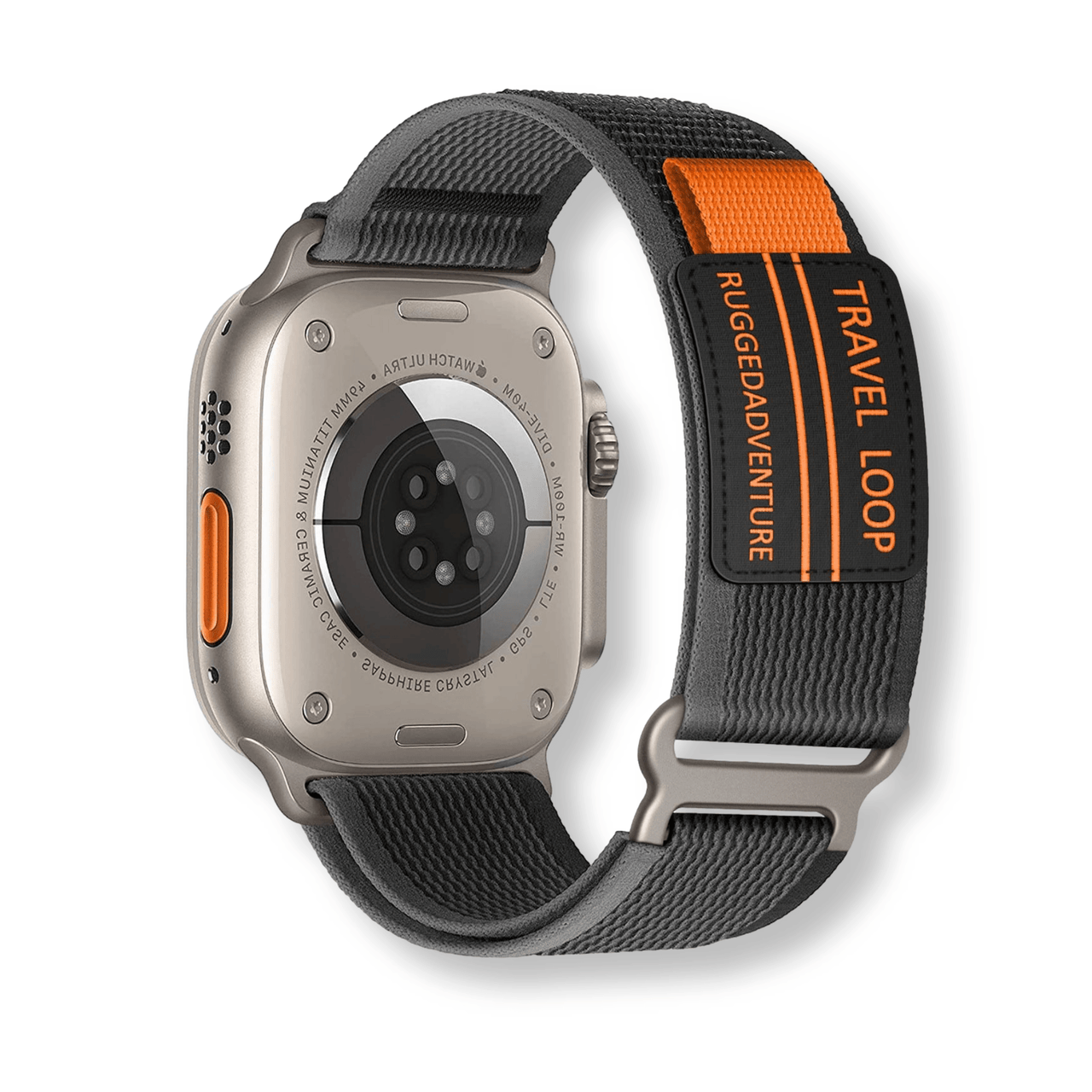
Leather, while classic, can be sensitive to moisture. For those living in humid climates or those who want a more tactical aesthetic, canvas has emerged as a superior alternative. Canvas offers a texture that is both visually interesting and physically robust.
Canvas bund straps are particularly popular among field watch enthusiasts. The weave of the fabric provides breathability that leather sometimes lacks. Additionally, canvas tends to handle moisture better, drying out faster than a soaked leather pad.
When selecting a material, consider your daily environment. If you are in an office setting, a fine-grain leather Bund adds a touch of sophistication. If you are hiking or working outdoors, a canvas option ensures your strap can take a beating and keep looking great.
For a deeper look into the specific benefits of non-leather options, our detailed guide on canvas variations is essential reading for the practical collector.
Regardless of the material, maintenance is key. We recommend browsing our accessories collection for cleaning cloths and spring bar tools to keep your strap in top condition.
Styling: Colors and Wrist Presence
One of the most common misconceptions about bund straps is that they are difficult to style or only suitable for large wrists. In reality, the Bund strap is a secret weapon for those with smaller wrists who wish to wear vintage timepieces.
Vintage watches from the 1940s through the 1960s often feature case diameters ranging from 32mm to 34mm. By modern standards, these can feel diminutive. Placing a small watch on a Bund pad visually extends the lug-to-lug distance, giving the watch a much more substantial presence on the wrist.
Perhaps the most famous wearer of this style was Paul Newman, whose adoption of the Bund strap for his Rolex Daytona catapulted the look into the hall of fame of cool. It proved that a sporty chronograph looks exceptional on a wide leather backing.
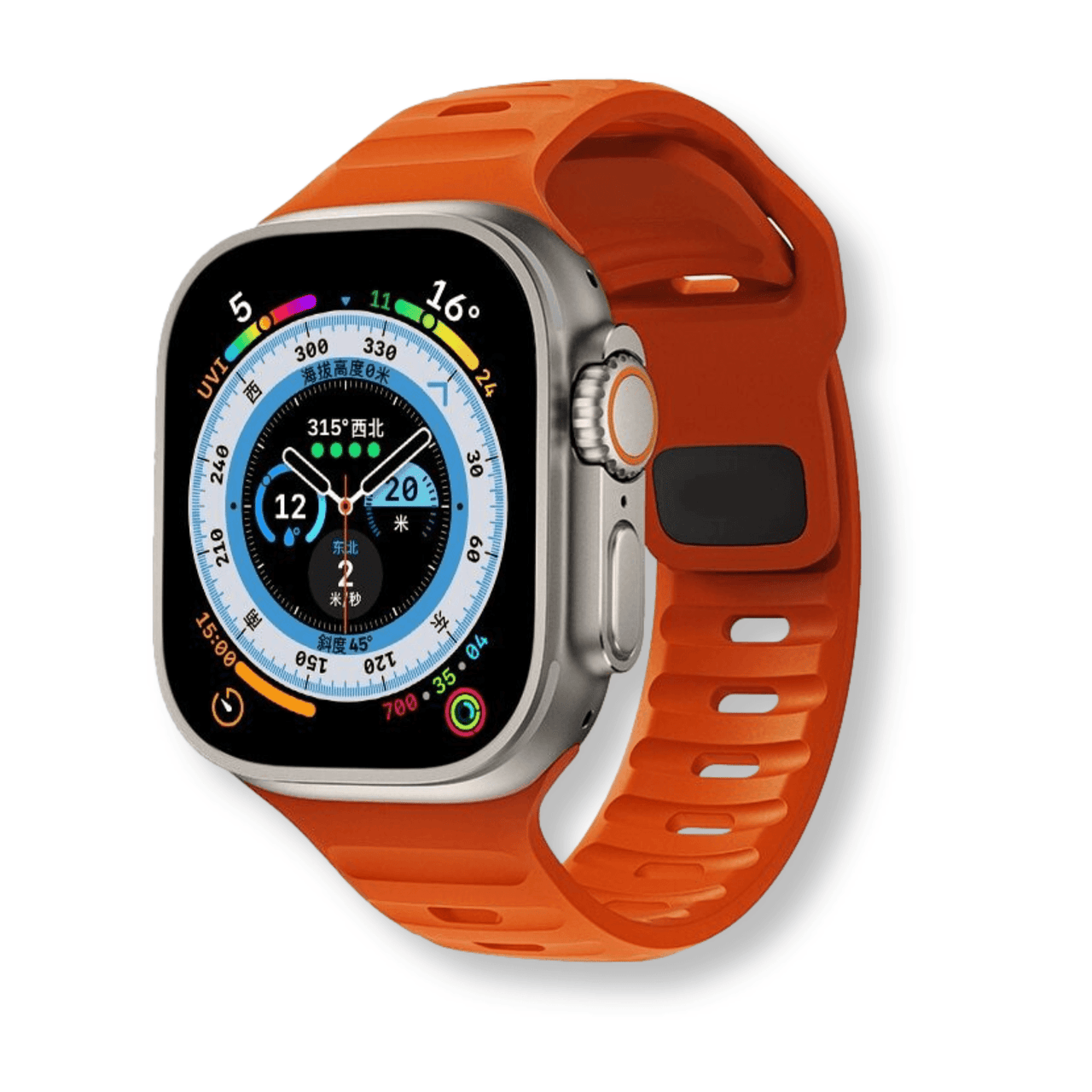
Modern styling has also moved beyond the drab olives and blacks of military issue. Today, you can find straps in rich burgundies, navy blues, and even vibrant oranges. Using color is an excellent way to coordinate with the dial of your watch or a specific outfit.
Don't be afraid to experiment. A bright strap can turn a serious tool watch into a fun, weekend accessory. If you are hesitant about leaving the monochrome zone, check out our guide on how to incorporate color into your wrist game.
Choosing the Right Brand and Fit
Not all bund straps are created equal. Because of the extra material involved—the pad, the keepers, and the strap itself—quality construction is paramount. A poorly made Bund can feel stiff, bulky, and uncomfortable, whereas a high-quality one should feel like a second skin.
When shopping, pay close attention to the stitching. It should be even and tight, ensuring the layers of the pad do not separate. The leather backing should be soft against the skin, while the outer facing leather should be durable enough to resist scuffs.
Sizing is another critical factor. You must match the lug width of your watch to the strap, but you also need to consider the size of the pad relative to your watch case. If the pad is too wide, it can overwhelm the watch head; if it is too narrow, the watch may overhang, defeating the purpose of the protection.
There are several manufacturers producing exceptional examples today, ranging from affordable entry-level options to bespoke artisan creations. Knowing which brands prioritize quality materials and ergonomic design can save you from a disappointing purchase.
We have curated a list of the top contenders in the market to help you make an informed decision. This buyer's guide is tailored specifically for our customers who value longevity and style.
Frequently Asked Questions
Are Bund straps comfortable to wear in the summer?
While bund straps were originally designed to protect against temperature extremes, a thick leather pad can be warm in the height of summer. However, canvas options are generally more breathable. If you stick with leather, ensure you take the watch off occasionally to let your skin breathe, or choose a perforated design.
Do Bund straps fit all watches?
Most watches with standard lugs can be fitted to a Bund strap. However, you must ensure the distance between the spring bars and the watch case is sufficient to allow the leather strip to pass through. Additionally, very large watches (44mm+) may look too bulky when added to the extra layer of a Bund pad.
Why is it called a "Bund" strap?
The name is short for Bundeswehr, the federal defense forces of Germany. The strap was standard issue for pilots in the German air force, specifically designed to prevent the metal watch case from freezing or burning the skin during flight operations.
Can I remove the pad and use it as a normal strap?
In many designs, yes. This is one of the versatile features of this style. You can often slide the main two-piece strap out of the backing pad and wear it as a standard leather watch band. This effectively gives you two looks in one purchase.
How do I clean a leather Bund strap?
Cleaning involves wiping the strap down with a damp cloth to remove sweat and salts. For deeper cleaning, use a specialized leather cleaner and conditioner. Avoid soaking the leather in water. For maintenance tools, visit our accessories page.
All Bund Strap Resources
Ready to find the perfect strap? Browse our complete collection of articles related to Bund straps below to become a true expert.