Key Takeaways
- Stainless steel offers the perfect balance of durability, classic aesthetics, and modern functionality for Apple Watch users.
- Proper sizing and link adjustment are crucial for comfort and accurate health sensor readings.
- From formal boardrooms to rugged outdoor adventures, there is a specific steel alloy and finish for every occasion.
- Regular maintenance and cleaning can keep a stainless steel band looking brand new for years.
- Third-party options often provide the same high-quality materials as OEM bands at a fraction of the cost.
Table of Contents
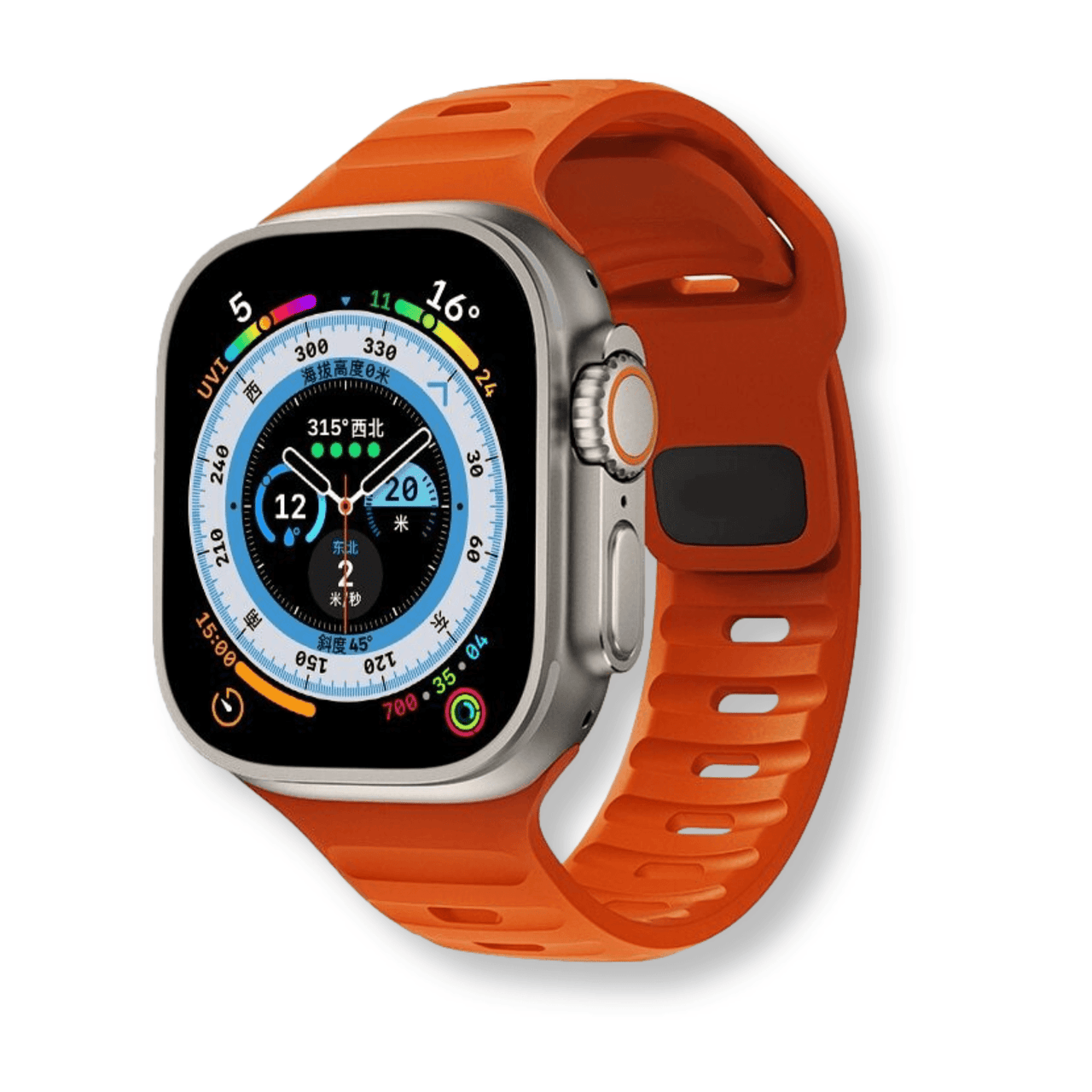
The Apple Watch is a marvel of modern technology, but the band you choose defines its character. While silicone serves a purpose in the gym, nothing rivals the sophistication and permanence of a stainless steel Apple Watch band. Whether you have the aluminum Series model or the high-end Ultra, upgrading to steel instantly transforms your wearable from a gadget into a piece of fine jewelry.
Stainless steel is the backbone of horological history. It provides a reassuring weight on the wrist that plastic simply cannot replicate. For those looking to elevate their style, our extensive collection of Apple Watch bands offers a variety of finishes, link types, and clasps. This pillar page serves as your central hub for understanding everything about steel bands. From the history of the metal to the nuances of sizing and styling, we have compiled the ultimate Watch Compendium to guide your journey.
The Enduring Appeal of Steel: History and Design
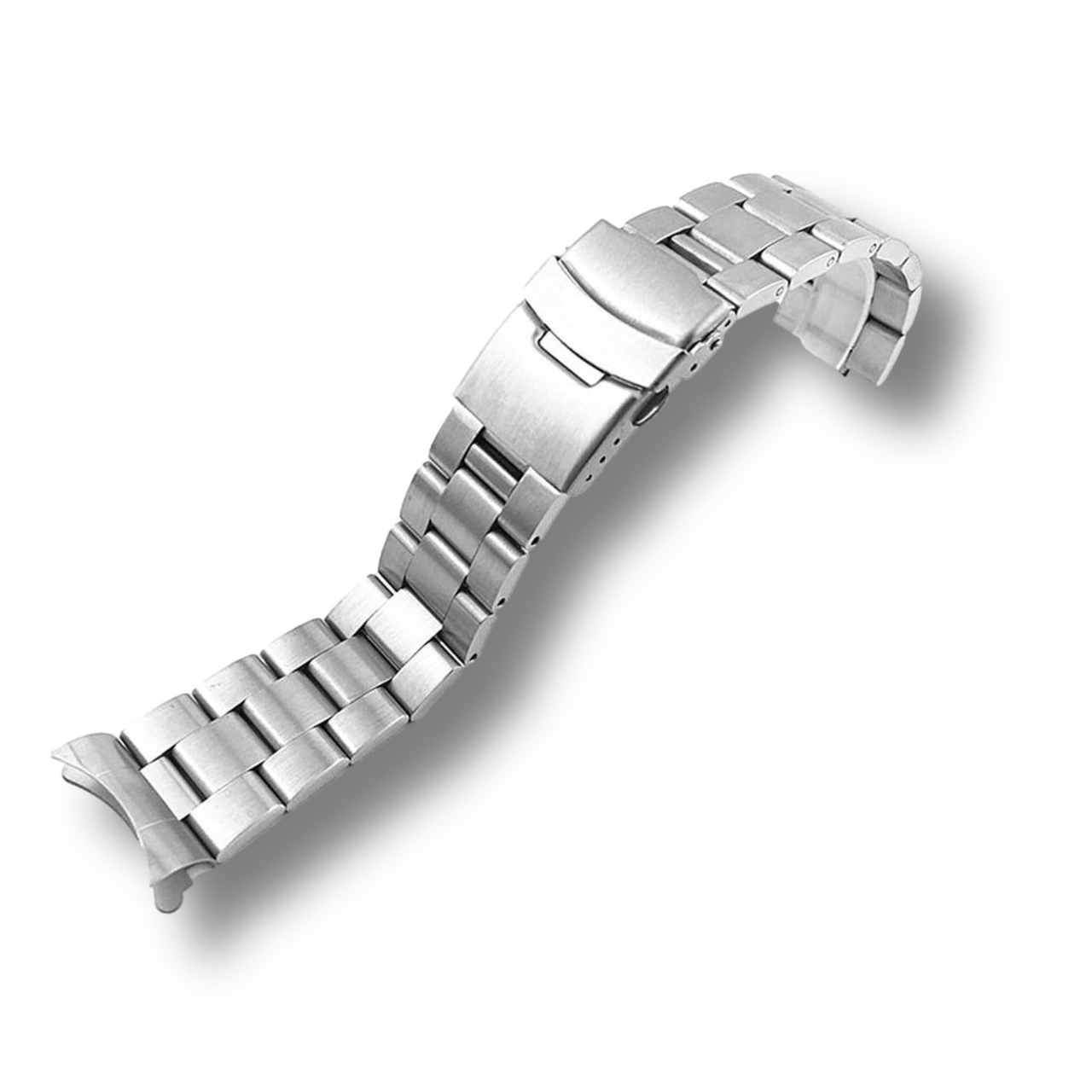
Why has stainless steel remained the gold standard in watchmaking for nearly a century? The answer lies in its unique combination of strength, corrosion resistance, and luster. Unlike softer metals like gold or lighter materials like aluminum, stainless steel (particularly the 316L grade often used in bands) can withstand daily abuse while maintaining a brilliant shine. It bridges the gap between a tool watch and a dress watch.
When you pair a stainless steel Apple Watch band with the device's sleek chassis, you are participating in a design lineage that dates back to the mid-20th century. Apple didn't invent the metal link bracelet, but they—and third-party innovators—have refined it. Today, we see incredible innovations in magnetic closures and diamond-like carbon (DLC) coatings that make these bands more scratch-resistant than ever before. Understanding the history and the pros and cons of this material is essential before making an investment.
Selecting Your Perfect Band: Sizing and Buying Guide
Choosing the right stainless steel band is more complex than picking a color. The market is flooded with options ranging from cheap imitations to high-end luxury links. The first step is distinguishing between genuine OEM bands and high-quality third-party alternatives. Often, third-party manufacturers offer identical steel grades and build quality at a significantly more accessible price point.
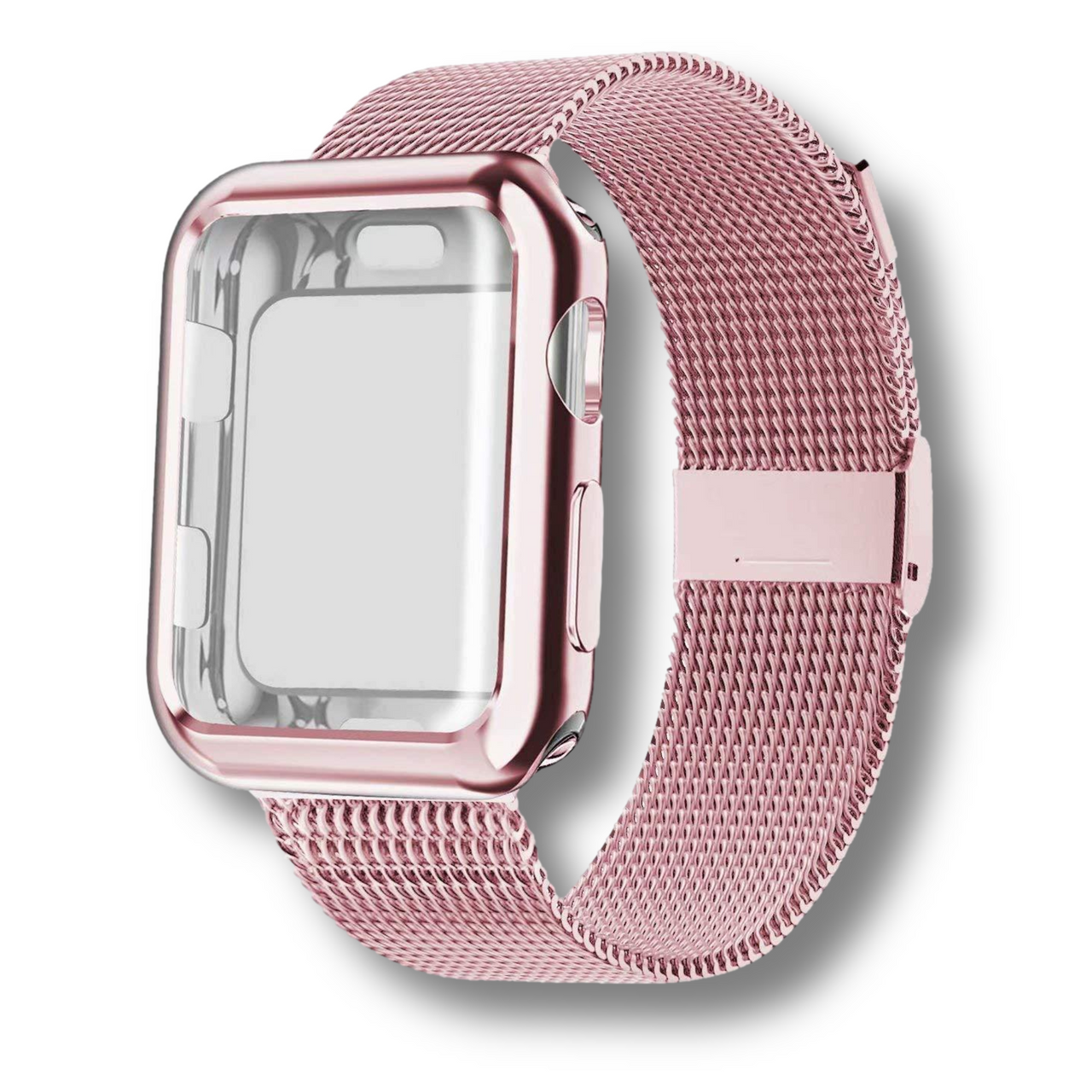
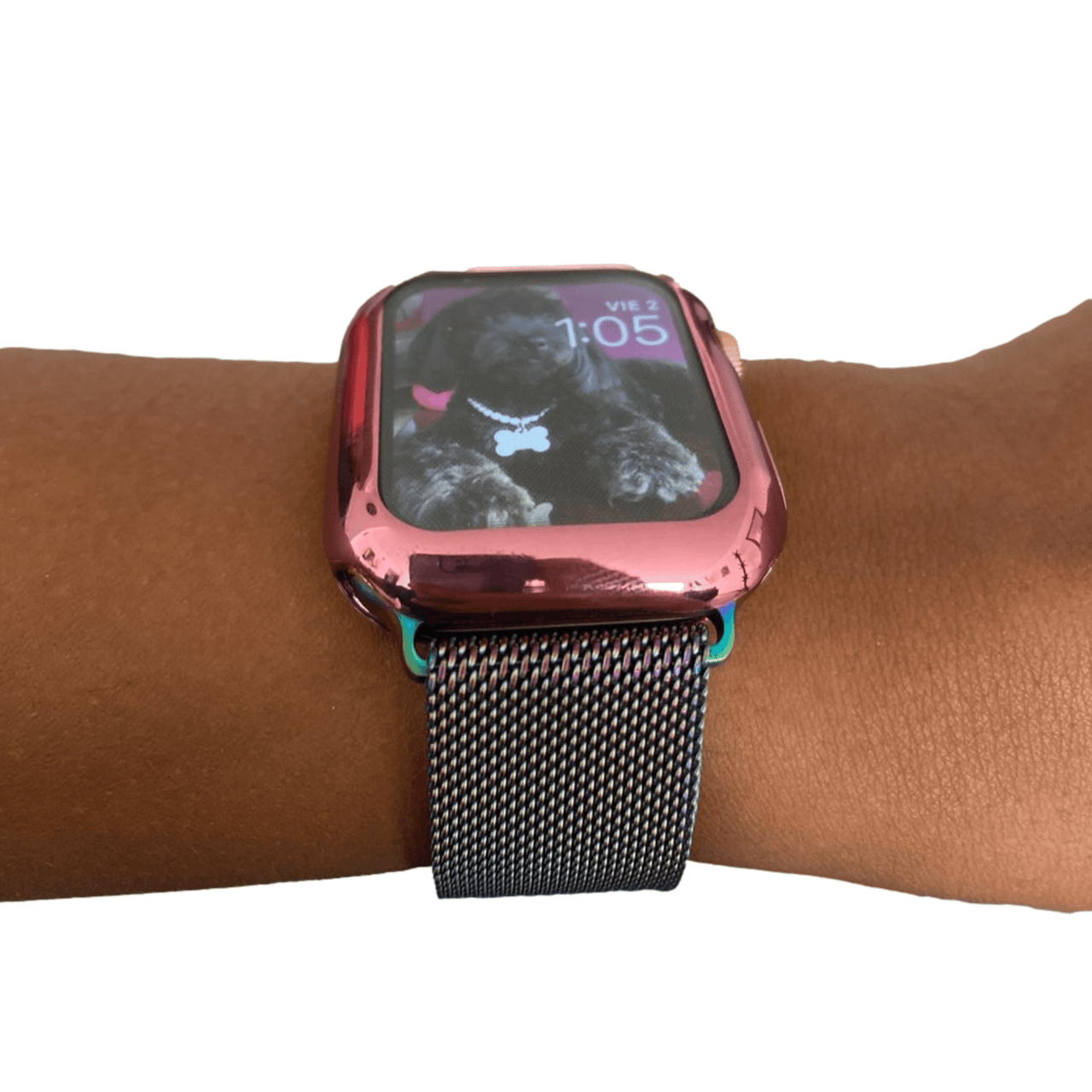
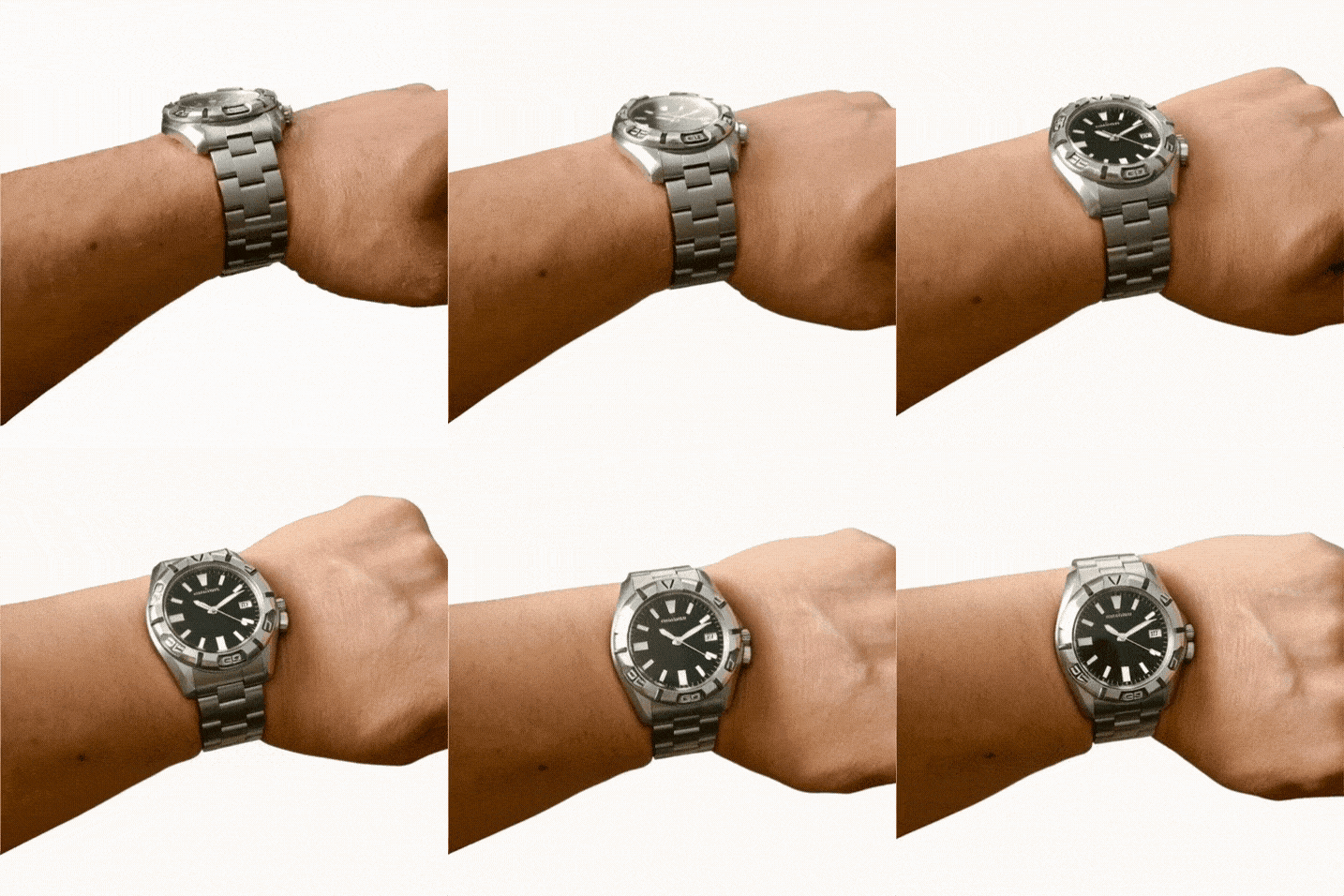
Once you have determined your budget, you must navigate the various styles available. Do you prefer the intricate weave of a Milanese Loop, the ruggedness of an Oyster-style link, or the complexity of a Jubilee bracelet? Furthermore, sizing is critical. A steel band that is too loose will cause your Apple Watch to lock itself or fail to track your heart rate, while one that is too tight will be uncomfortable. You must also be vigilant about authenticity to ensure you aren't buying plated zinc alloy disguised as solid steel.
Styling for Every Occasion: From Gym to Gala
One of the greatest misconceptions about the stainless steel Apple Watch band is that it is strictly for formal wear. While it certainly shines in a boardroom or at a wedding, steel is incredibly versatile. The key is matching the finish (brushed vs. polished) and the link style to the occasion. A brushed steel band can look rugged and masculine, perfect for daily wear, while a slim, polished Milanese loop offers a jewelry-like quality often preferred for evening wear.
We believe your watch should adapt to your lifestyle. For fitness enthusiasts, certain mesh steel designs allow for breathability that solid links do not. For outdoor adventurers, heavy-duty steel offers protection that silicone cannot. Whether you are customizing a setup for a specific outfit or looking for a "daily driver" that transitions from the office to the gym, there is a steel configuration that works. It is the ultimate chameleon of watch materials.
Living with Metal: Care, Maintenance, and Adjustment
Owning a metal watch band requires a slightly different approach than owning a silicone or nylon one. While stainless steel is incredibly robust, it is not immune to life's wear and tear. Micro-scratches on the clasp are common "desk diving" marks that add character, but grime buildup between links can cause stiffness and even skin irritation. Regular cleaning with the right solution will keep the mechanism fluid and the finish sparkling.
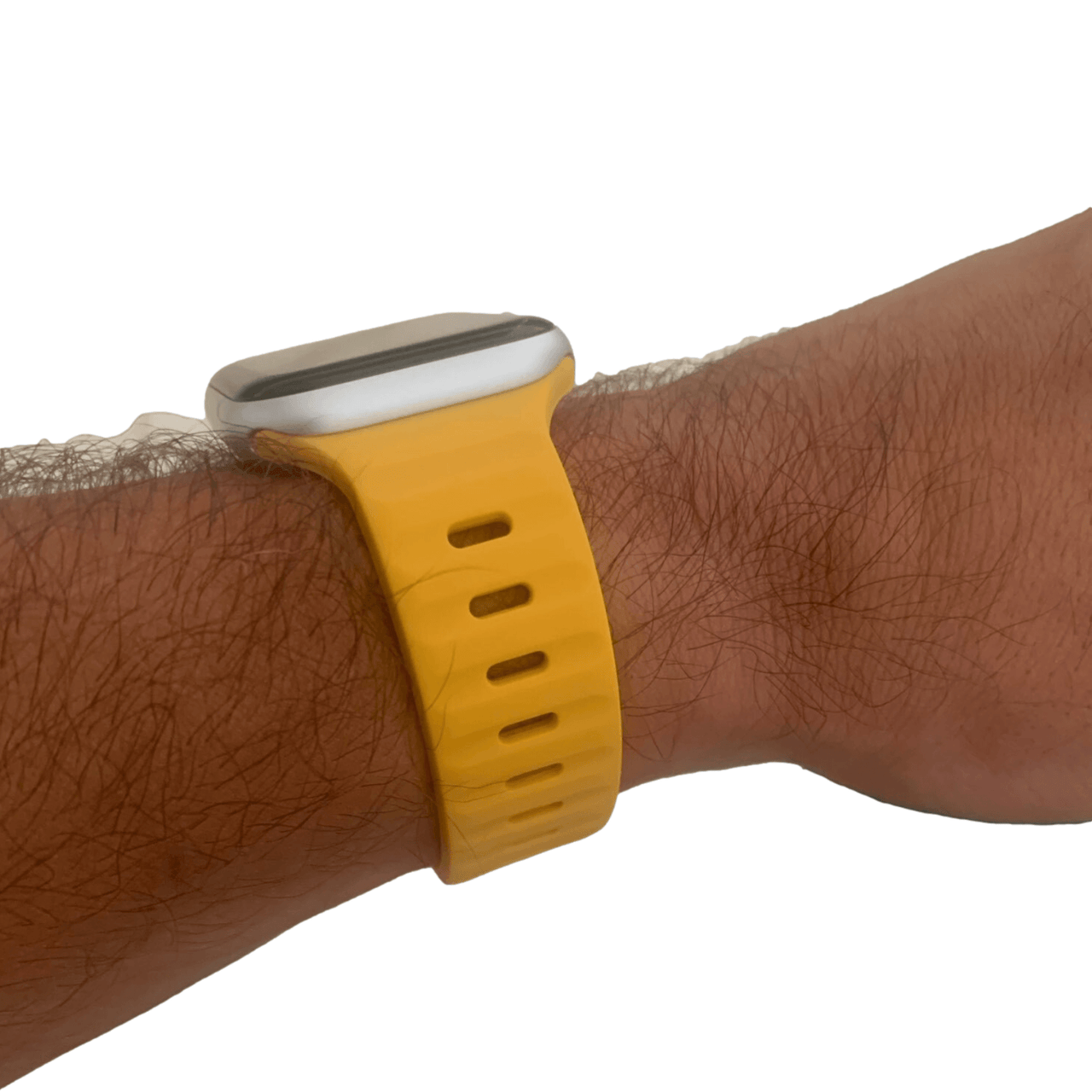
Furthermore, the initial setup of a link bracelet is a rite of passage. Unlike a sport loop that uses Velcro, a steel band must be physically altered to fit your wrist perfectly. This usually involves removing links using a pin tool. While this might sound daunting, it is a simple process that you can do at home. Transitioning from a lightweight sport band to a heavier steel bracelet also takes a few days of adjustment, but the feeling of quality is well worth the switch.
Frequently Asked Questions
1. Is a stainless steel Apple Watch band heavy?
Yes, stainless steel is significantly heavier than silicone or nylon. A typical link bracelet can weigh between 60g and 100g. However, many users prefer this "heft" as it makes the watch feel more premium and balanced, especially if you have the larger Ultra or stainless steel watch case.
2. Will a stainless steel band scratch my laptop?
This is a common concern known as "desk diving." Stainless steel is harder than the aluminum used in many laptops (like MacBooks), so it can potentially scratch the palm rest. If you work on a laptop extensively, consider a Milanese loop (which has smoother edges) or removing the watch during long typing sessions.
3. Can I wear a stainless steel band while swimming?
Stainless steel (specifically 316L) is corrosion-resistant and generally safe for water exposure. However, water can get trapped between links, and prolonged exposure to saltwater or chlorine requires thorough rinsing with fresh water afterward to prevent rust or stiffness in the pins.
4. Does the color of the steel band fade over time?
Silver stainless steel bands will not fade as that is the natural color of the metal. Gold, Rose Gold, or Black bands use a coating process (often PVD or DLC). High-quality bands use durable coatings that last for years, but cheaper bands may show wear on high-friction areas over time.
5. Are third-party stainless steel bands as good as Apple's?
Many third-party bands offer exceptional value, using the same steel grades as Apple. While Apple's Link Bracelet is an engineering marvel with a unique release mechanism, high-end third-party options provide 90% of the quality for 10% of the price, making them a smart choice for most consumers.
Explore All Articles in This Series
Browse our complete library of resources dedicated to the stainless steel Apple Watch ecosystem.