Key Takeaways
- Material Matters: Understanding the difference between FKM rubber, silicone, and polyurethane is crucial for durability and comfort.
- Skin Sensitivity: While generally hypoallergenic, certain synthetic bands can cause skin irritation if moisture is trapped.
- Vintage Revival: Modern rubber bands are an excellent way to preserve vintage metal bracelets while giving classic watches a sporty, contemporary look.
- Hardware Selection: The type of clasp you choose affects both the security of the watch and the longevity of the strap.
- Versatility: Rubber straps have evolved beyond dive watches and are now acceptable on a wide variety of timepieces.
Table of Contents
For decades, the horological world has relied on rubber bands to provide the ultimate combination of durability, water resistance, and comfort. Originally designed strictly for professional divers who needed a strap that could expand and contract with water pressure, these bands have transcended their utilitarian roots. Today, a high-quality rubber strap is a staple in any serious collector's watch box, offering a sporty alternative to leather and a lighter option than steel.
However, the term "rubber" is often used as a catch-all for various distinct materials. Whether you are looking for the silky touch of silicone, the rugged durability of polyurethane, or the premium feel of FKM (Fluoroelastomer), understanding the nuances is key to making the right purchase. This guide serves as your central hub for mastering the world of synthetic straps. From solving skin irritation issues to selecting the perfect clasp, we cover everything you need to know about upgrading your wrist game with our premium collection of bands.
The Chemistry of Comfort: Rubber, Silicone, and Polyurethane
When you shop for rubber bands for your watch, you are rarely buying natural tree sap rubber. The market is dominated by synthetic compounds, each engineered for specific environments and price points. The most common entry-level material is silicone. It is incredibly soft, comes in vibrant colors, and is very flexible right out of the box. However, silicone has a tendency to attract lint and dust, which can be a nuisance for daily wearers.
On the other end of the spectrum, we have Polyurethane (PU). Often found on rugged digital watches (like G-Shocks), PU is stiffer but incredibly durable. It resists abrasion better than silicone but lacks that "silky" feel. Then there is the gold standard: FKM rubber. FKM is dense, resistant to chemicals and UV light, and does not attract dust. It offers the best longevity of all rubber bands currently on the market.
It is also vital to consider how these materials interact with your skin. While rubber is waterproof, it is not breathable. If you wear a strap too tight, sweat can become trapped, leading to dermatitis. Understanding the breathability and chemical composition of your strap is the first step toward all-day comfort. For a deeper dive into the technical differences and potential skin risks, explore our detailed guides below.
Styling Your Timepiece: From Vintage to Modern
There is a misconception that rubber bands belong exclusively on modern dive watches. This couldn't be further from the truth. One of the most popular trends in the watch community is "neo-vintage" styling. This involves taking a vintage timepiece—perhaps an old Submariner or a dressy chronograph—and swapping the stretched-out, rattling metal bracelet for a high-quality rubber strap. This instantly modernizes the watch and protects the original bracelet from further wear.
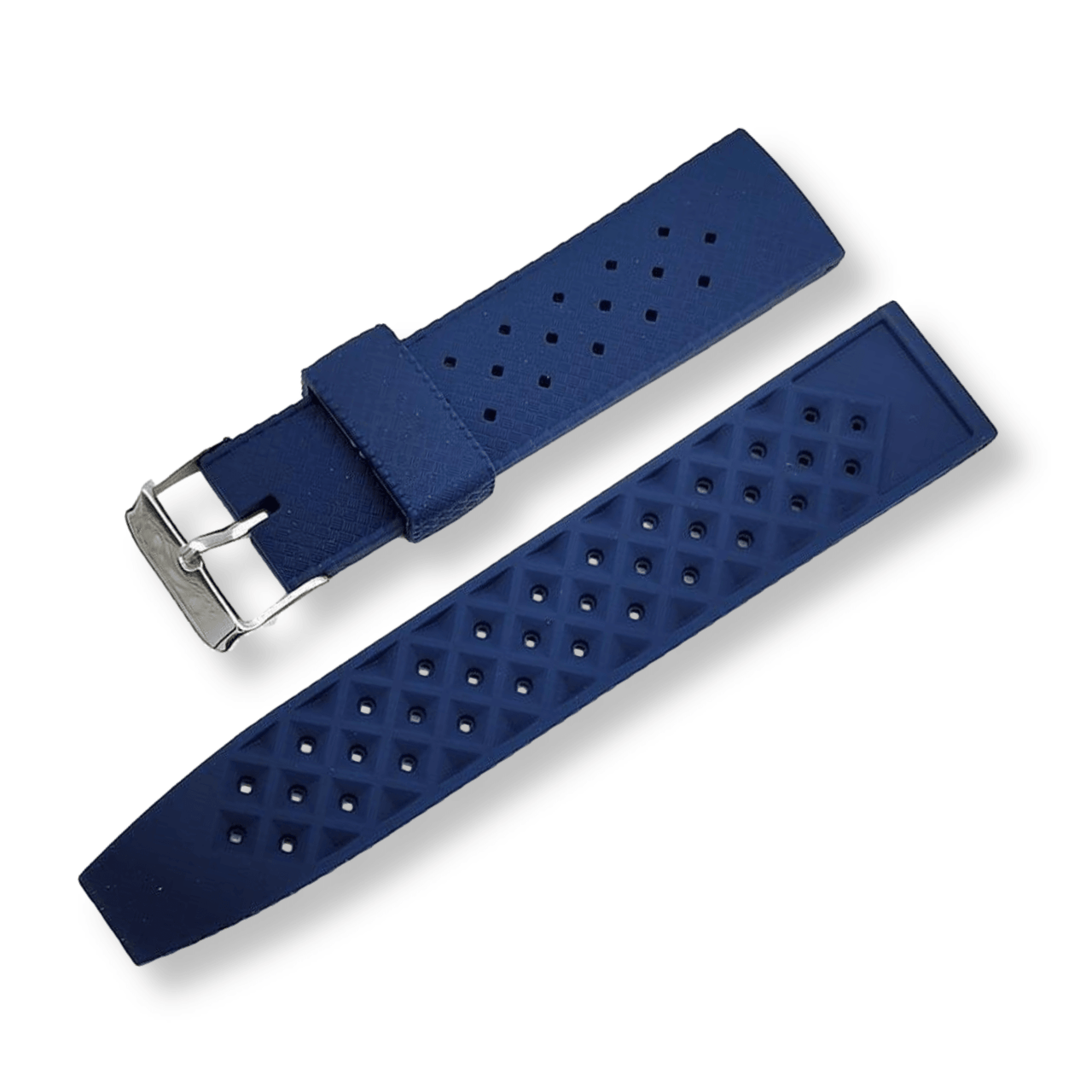
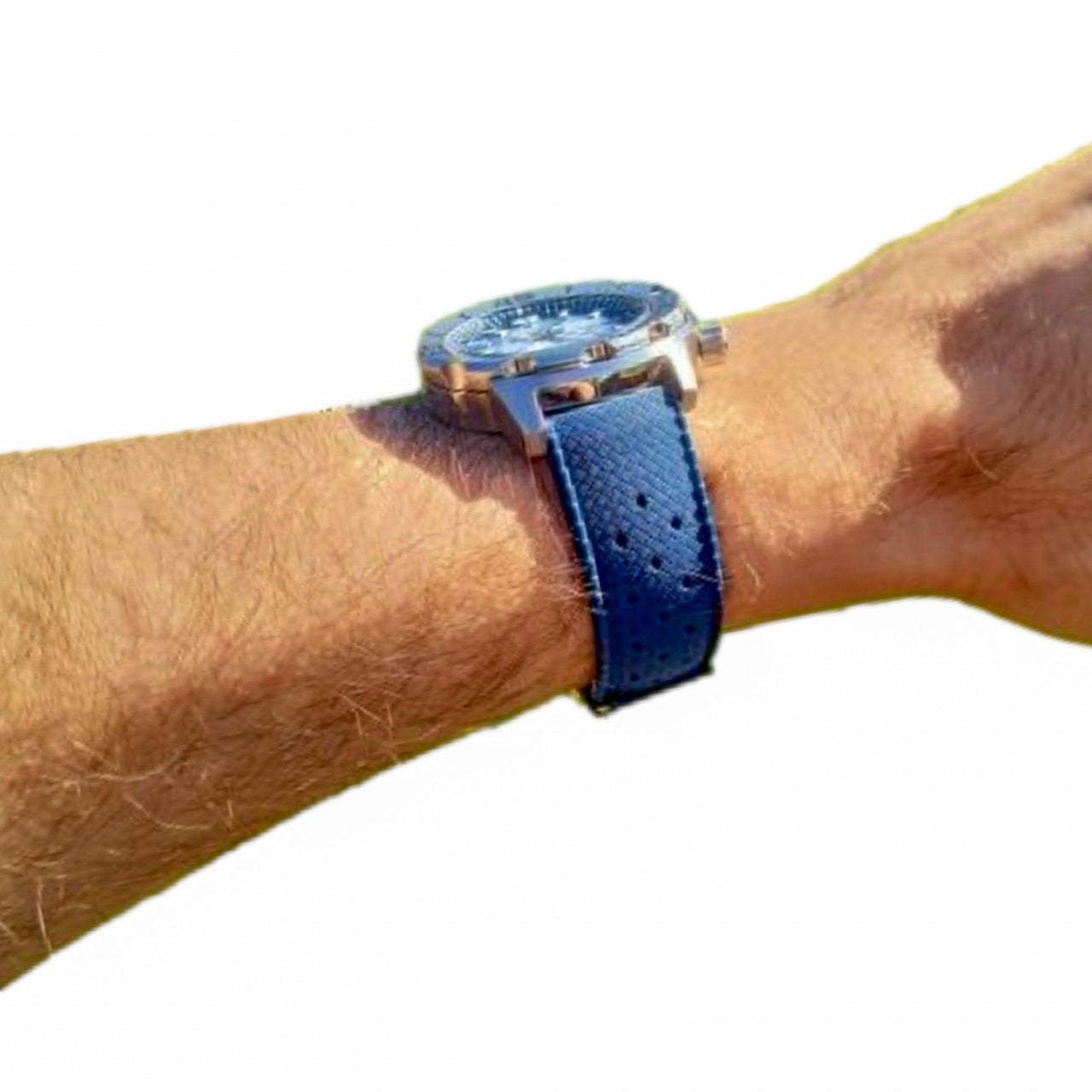
The texture of the strap plays a massive role in the aesthetic. "Tropic" style straps, with their basket-weave pattern and perforations, harken back to the 1960s and look incredible on skin divers. "Waffle" straps offer a Seiko-esque ruggedness. Smooth, flat rubber straps provide a minimalist, architectural look that suits modern tool watches perfectly. Choosing the right texture can bridge the gap between a tool watch and a casual Friday accessory.
When selecting the best options for your watch, consider the lug width and the bulk of the watch head. A thick, heavy deep-sea diver needs a substantial rubber strap to balance the weight, whereas a vintage field watch requires something thinner and more pliable. Our guides below will help you navigate the best options for both modern and vintage applications.
Hardware and Mechanics: Securing the Strap
The strap material is only half the equation; the hardware is equally important. Even the highest quality rubber bands are useless if the clasp fails or is uncomfortable. The traditional "tang buckle" (similar to a belt buckle) is the most common and reliable option for rubber straps. It lies flat against the wrist and is less prone to popping open during rigorous activity. However, it can put stress on the adjustment holes over time, potentially leading to tears in softer silicone.
Alternatively, deployant clasps (folding buckles) are becoming increasingly popular for rubber straps. They elevate the look of the watch, making it feel more like a luxury item and less like a piece of diving equipment. Deployant clasps also extend the life of the strap because you aren't constantly bending the rubber back and forth to feed it through a buckle. However, fitting a deployant clasp to a rubber strap requires precise sizing, as you cannot simply move to the next hole as easily as with a tang buckle.
You must also consider the spring bars. Rubber has a high coefficient of friction. If a strap is too tight against the case, it can torque the spring bars and pop them out. Ensuring you have the right clasp and the right fit is essential for the safety of your watch. Read our dedicated guide on clasps to ensure your watch stays securely on your wrist.
Frequently Asked Questions
How long do rubber watch bands typically last?
The lifespan of rubber bands depends heavily on the material. Basic silicone bands may last 1 to 2 years before they become shiny, sticky, or tear at the stress points. Polyurethane bands are tougher but can become brittle after several years of sun exposure. Premium FKM rubber bands are designed to last for many years, often outliving leather counterparts, as they do not degrade from sweat, UV light, or saltwater exposure.
How do I clean my rubber watch strap?
One of the biggest advantages of rubber is how easy it is to maintain. Simply remove the watch from your wrist and wash the strap with warm water and mild dish soap. Use a soft toothbrush to scrub away dirt trapped in any textured patterns (like waffle or tropic designs). Rinse thoroughly and pat dry. Avoid using harsh chemicals or solvents, as these can degrade the rubber compounds over time.
Can I wear a rubber strap with a dress watch?
Traditionally, dress watches are paired with leather. However, fashion rules have relaxed significantly. A sleek, black, untextured FKM rubber strap can look surprisingly elegant on a dress watch, especially in humid climates where leather would be ruined by sweat. The key is to choose a strap that is thin and tapered, rather than a bulky dive strap, to maintain the watch's profile.
Why is my silicone watch band causing a rash?
Contact dermatitis is common with synthetic straps because they create a seal against the skin, trapping moisture, sweat, and bacteria. To prevent this, ensure you wash the strap regularly to remove salt and bacteria buildup. Additionally, wear the strap slightly looser to allow for air circulation, or opt for a strap with ventilation holes or a textured backing that lifts the material off the skin.
What is the difference between FKM and standard rubber?
Standard "rubber" in the watch industry is often generic silicone or a lower-grade elastomer. FKM (Fluoroelastomer) is a high-performance synthetic rubber originally developed for the aerospace industry. It is denser, heavier, and feels more premium than silicone. It is also highly resistant to heat, oils, and chemicals, making it the superior choice for luxury watches.
Explore All Articles on Rubber Bands
For more in-depth information, browse our complete Watch Compendium or select a specific article below: